
Jan . 28, 2026 11:00 Back to list
A Comprehensive Guide on How to Remove a Stuck Brake Drum Effectively
How to Remove a Stuck Brake Drum
Dealing with a stuck brake drum can be incredibly frustrating, but it's a common issue for both professional mechanics and DIY enthusiasts. Often, corrosion and rust build-up between the drum and the wheel studs cause them to seize. This guide will walk you through the steps on how to remove a stuck brake drum safely and effectively. We'll cover everything from preparatory steps to using the right tools and techniques. Ignoring this issue can lead to further damage, making repairs more costly. Properly addressing a stuck drum ensures your vehicle’s braking system functions correctly and keeps you safe on the road.
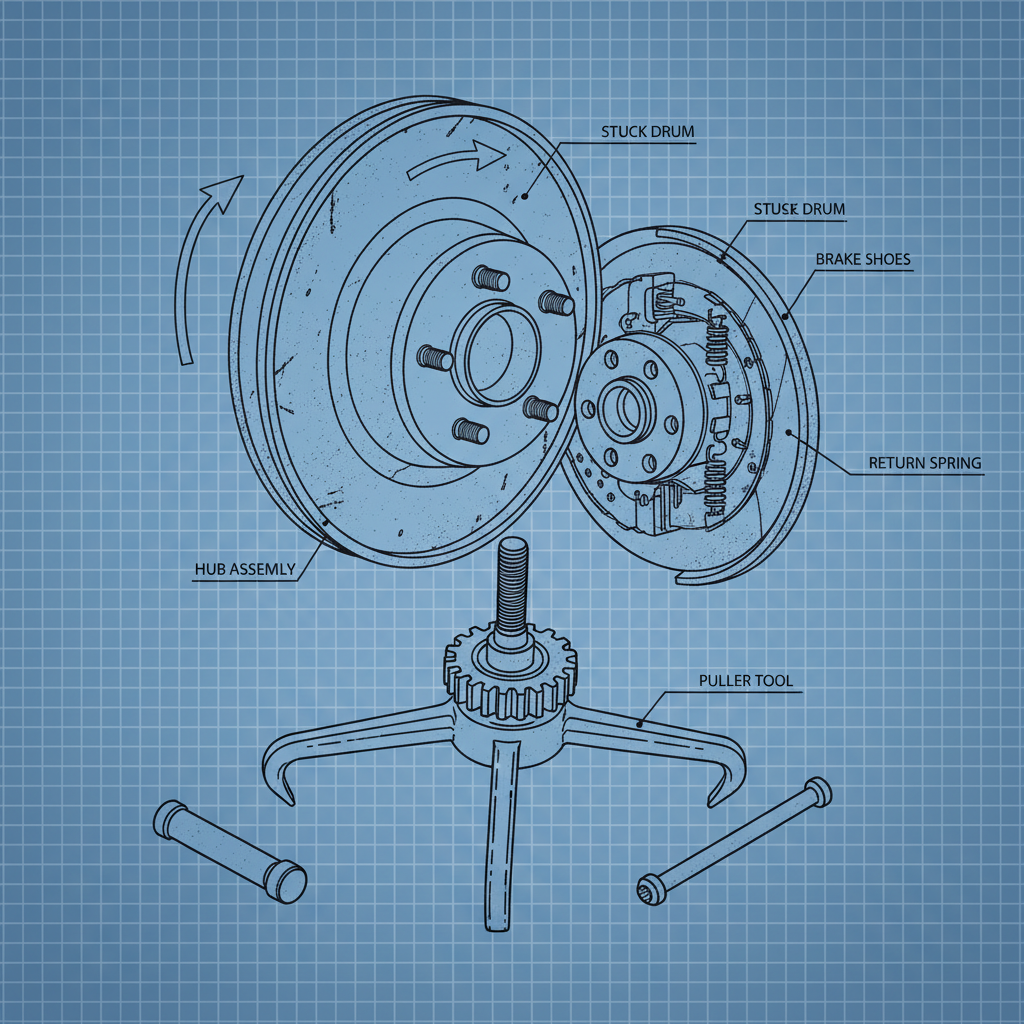
1. Preparation and Safety First
Before you even think about tackling a stuck brake drum, safety is paramount. Always wear safety glasses and gloves to protect yourself from rust, debris, and potential chemical exposure. Ensure the vehicle is securely supported on jack stands – never work under a vehicle supported only by a jack. Disconnect the negative battery cable to prevent accidental electrical shorts. Also, it's essential to loosen the lug nuts before lifting the vehicle. This is much easier when the wheel is still on the ground. Having the right tools at hand will save you time and frustration. Consider a penetrating oil, a rubber mallet, a brake drum puller, and a set of wrenches and sockets.
2. Applying Penetrating Oil
Penetrating oil is your friend when dealing with stuck brake drums. Apply a generous amount of penetrating oil around the center of the drum where it meets the axle and also around the wheel studs. Allow the oil to soak for at least 30 minutes, or even overnight for severely rusted drums. Reapply the oil several times during this soaking period. The penetrating oil will work its way into the corroded areas, loosening the rust and making removal much easier. JKXYIHANG offers a variety of high-quality penetrating oils designed for automotive applications.
Key Highlight: Generous application and sufficient soaking time are crucial for the effectiveness of penetrating oil.
3. The Gentle Approach: Using a Rubber Mallet
After the penetrating oil has had time to work, try tapping the brake drum with a rubber mallet. Avoid using a metal hammer, as this can damage the drum. Focus your taps around the perimeter of the drum, rotating as you go. The vibrations from the mallet can help to break the rust bond. Alternate between tapping the drum and trying to wiggle it back and forth. Don't force it – the goal is to gently loosen it, not to cause further damage. If the drum doesn't budge after several attempts, move on to the next step.
Mallet Technique Tips:
• Use a rubber mallet to avoid damaging the drum.
• Tap around the perimeter of the drum, rotating as you go.
• Alternate tapping with gentle wiggling.
4. How to Remove a Stuck Brake Drum: Utilizing a Brake Drum Puller
If the mallet technique fails, a brake drum puller is your next best option. This tool uses a center bolt and arms to grip the drum and apply even pressure for removal. Attach the puller according to the manufacturer's instructions. Tighten the center bolt slowly and evenly. As the bolt tightens, the arms will pull the drum off the axle. If resistance is encountered, you may need to reapply penetrating oil and allow it to soak further. Avoid excessive force, as this can damage the puller or the drum. A good quality brake drum puller, such as those available from JKXYIHANG, will make this process significantly easier and safer.
5. Troubleshooting: Dealing with Stubborn Studs
Sometimes, even with a puller, the drum won’t come off because the wheel studs are causing interference. If this happens, try loosening the lug nuts further and applying penetrating oil directly to the studs. You can also try gently tapping the studs with a hammer and a punch (be careful not to damage the threads). In extreme cases, you may need to use a stud extractor to remove the studs before removing the drum. However, this should be considered a last resort.
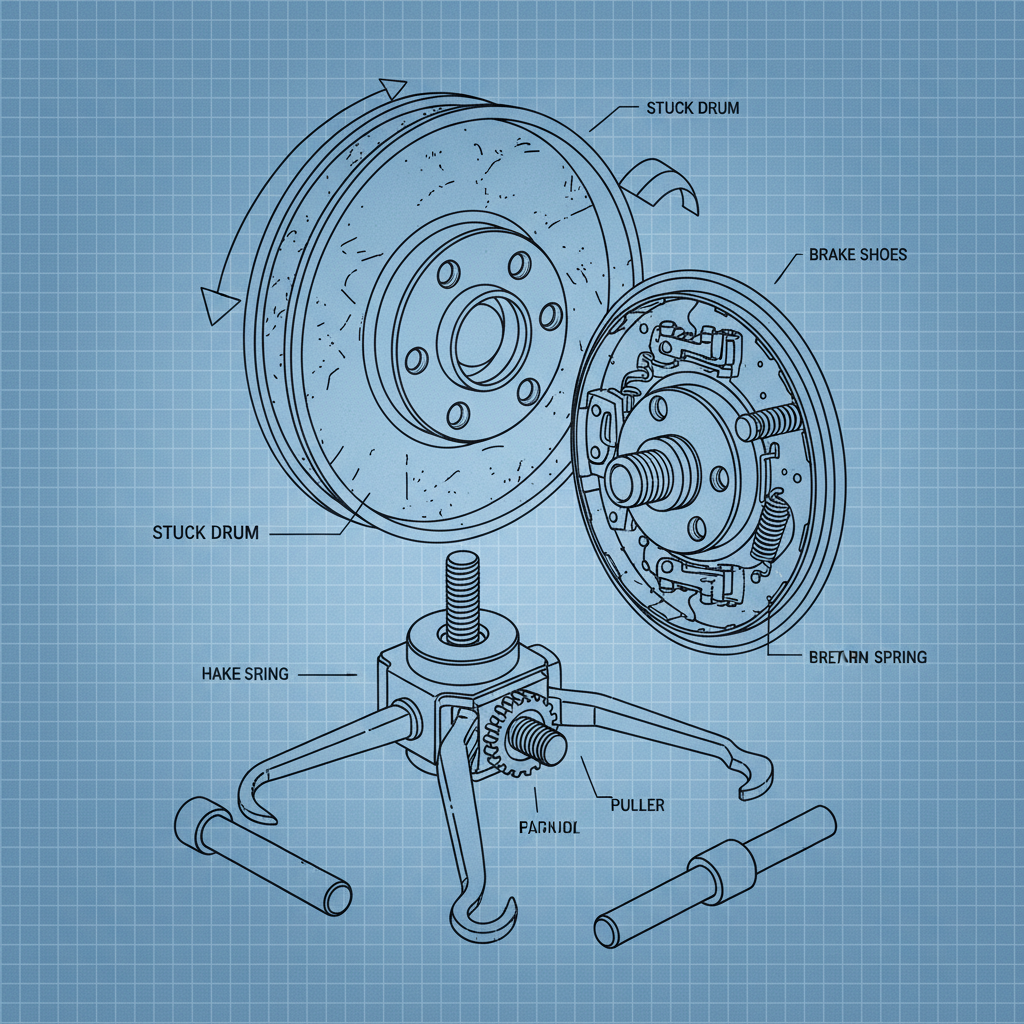
6. Post-Removal Inspection and Maintenance
Once the brake drum is removed, thoroughly inspect the braking surface for any signs of wear, damage, or corrosion. Clean the hub surface with a wire brush to remove any rust or debris. Consider replacing the brake shoes, wheel cylinder, and hardware as a preventative measure. Before reinstalling the drum, apply a thin layer of brake lubricant to the hub surface to prevent future sticking. Always torque the lug nuts to the manufacturer's specifications. Remember, proper maintenance is key to preventing this issue from recurring.
Conclusion: Taking Control of Stuck Brake Drums
Successfully removing a stuck brake drum requires patience, the right tools, and a methodical approach. By following the steps outlined in this guide, you can safely and effectively address this common automotive issue. Don’t hesitate to seek professional help if you’re uncomfortable performing any of these procedures. JKXYIHANG provides a wide range of tools and resources to assist you with your brake maintenance needs.
Frequently Asked Questions (FAQs)
What causes brake drums to get stuck?
The primary cause of stuck brake drums is corrosion and rust buildup between the drum and the wheel studs or the hub surface. Over time, moisture and road debris contribute to this corrosion, creating a strong bond that makes removal difficult. Prolonged inactivity of the vehicle can also exacerbate the problem. Sometimes, improper installation or lack of lubrication during previous maintenance can also contribute to sticking. Regular inspections and maintenance can help prevent this issue.
How long should I let penetrating oil soak?
Ideally, you should allow penetrating oil to soak for at least 30 minutes. However, for severely rusted drums, letting it soak overnight is highly recommended. Reapply the oil several times during the soaking period to ensure it reaches all the corroded areas. Patience is key – the longer the oil has to work, the easier the drum will be to remove.
Can I damage the brake drum by using too much force?
Yes, absolutely. Applying excessive force, especially with a brake drum puller, can warp or crack the drum, rendering it unusable. It’s crucial to tighten the puller slowly and evenly, and to stop if you encounter significant resistance. If the drum doesn’t budge with reasonable force, reapply penetrating oil and allow it to soak longer rather than attempting to force it.
-
Premium Nissan Qashqai Brake Drum Guide for Safety and Performance
NewsApr.16,2026
-
Choosing the Best High Quality Nissan Pickup Brake Drum for Safety
NewsApr.09,2026
-
Comprehensive Guide to Nissan Patrol Brake Drum Maintenance and Replacement
NewsApr.07,2026
-
Comprehensive Guide to Nissan Versa Brake Drums Function and Replacement
NewsApr.04,2026
-
Comprehensive Guide to Nissan Cube Brake Drum Function and Replacement
NewsMar.31,2026
-
Comprehensive Guide to Nissan Brake Drums Performance and Maintenance
NewsMar.28,2026
 Afrikaans
 Albanian
 Amharic
 Arabic
 Armenian
 Azerbaijani
 Basque
 Belarusian
 Bengali
 Bosnian
 Bulgarian
 Catalan
 Cebuano
 Corsican
 Croatian
 Czech
Czech
 Danish
 Dutch
Dutch
 Esperanto
 Estonian
 Finnish
 French
 Frisian
 Galician
 Georgian
 German
 Greek
Greek
 Gujarati
 Haitian Creole
 Hausa
Hausa
 Hawaiian
 Hebrew
 Hindi
Hindi
 Miao
Miao
 Hungarian
 Icelandic
 Igbo
Igbo
 Indonesian
 Irish
Irish
 Italian
 Japanese
 Javanese
 Kannada
 Kazakh
 Khmer
Khmer
 Rwandese
 Korean
 Kurdish
 Kyrgyz
 Lao
Lao
 Latin
Latin
 Latvian
 Lithuanian
 Luxembourgish
 Macedonian
 Malgashi
 Malay
Malay
 Malayalam
 Maltese
 Maori
Maori
 Marathi
 Mongolian
 Myanmar
 Nepali
 Norwegian
 Norwegian
 Occitan
 Pashto
 Persian
 Polish
 Portuguese
 Punjabi
 Romanian
 Russian
 Samoan
 Scottish Gaelic
 Serbian
 Sesotho
 Shona
Shona
 Sindhi
 Sinhala
 Slovak
 Slovenian
 Somali
 Spanish
 Sundanese
 Swahili
 Swedish
 Tagalog
 Tajik
Tajik
 Tamil
Tamil
 Tatar
Tatar
 Telugu
 Thai
Thai
 Turkish
 Turkmen
 Ukrainian
 Urdu
Urdu
 Uighur
 Uzbek
Uzbek
 Vietnamese
 Welsh
Welsh
 Bantu
Bantu
 Yiddish
 Yoruba
 Zulu
Zulu
 English