Look, I’ve been running around construction sites for fifteen years, dealing with materials, and honestly, things have changed a lot. It used to be, you’d spec something, and it was pretty much set in stone. Now? Everyone’s chasing the latest trends. Lightweight materials, modular designs, everything's got to be "smart" these days. It's good, I guess, but sometimes I think people forget what actually works in the real world.
Have you noticed everyone’s obsessed with composite materials? They’re strong, sure, and lighter than steel, but the smell when you cut them… ugh. It's like burning plastic and regret. Plus, getting a clean cut is a nightmare. And don't even get me started on how they react to different weather conditions. You think it’ll hold up in the desert sun, but then it buckles. It's a constant learning process.
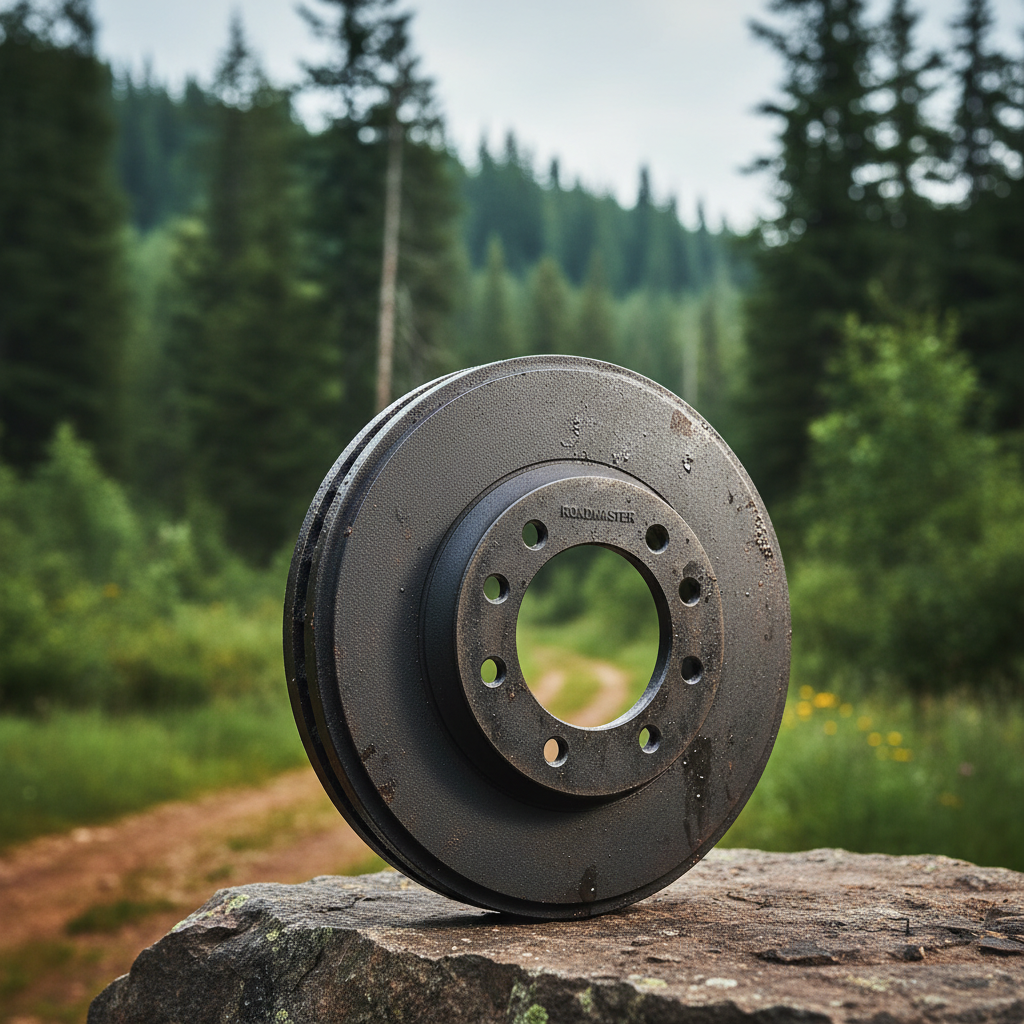
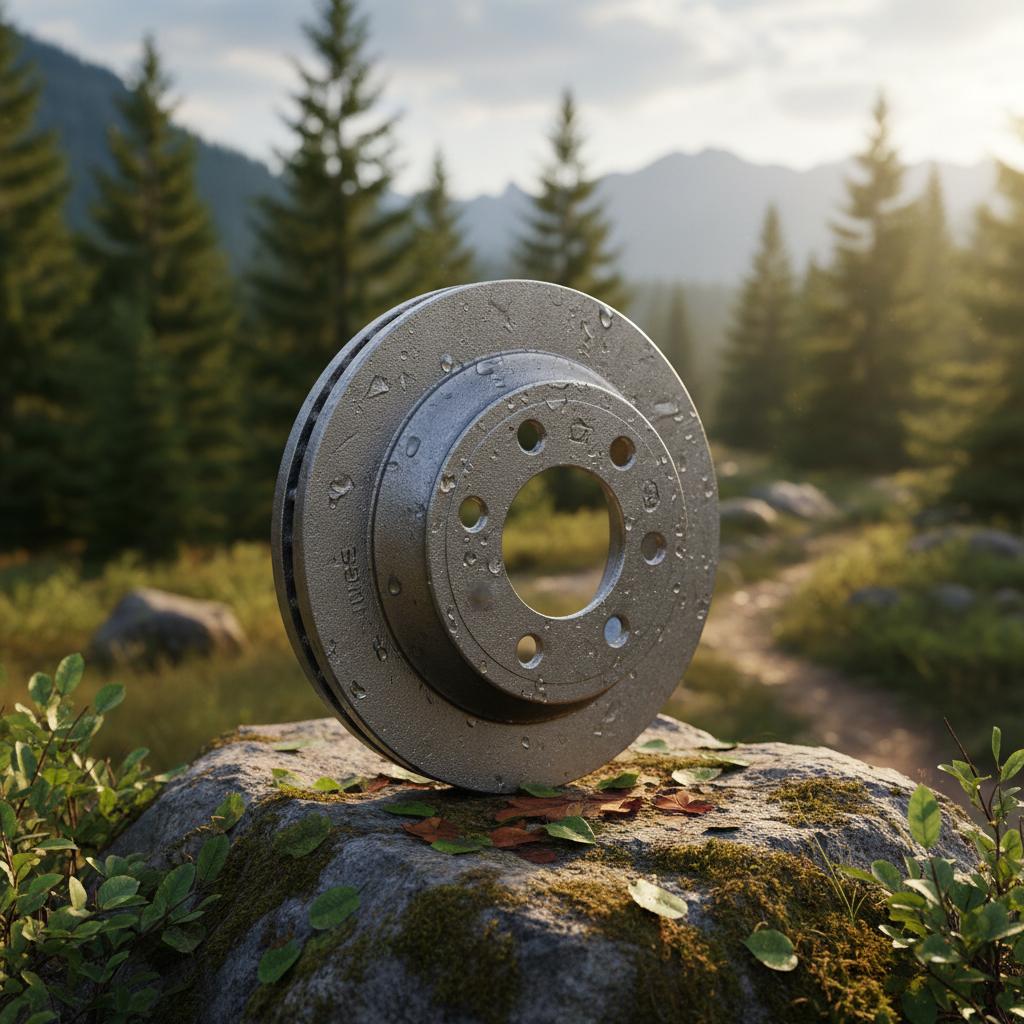
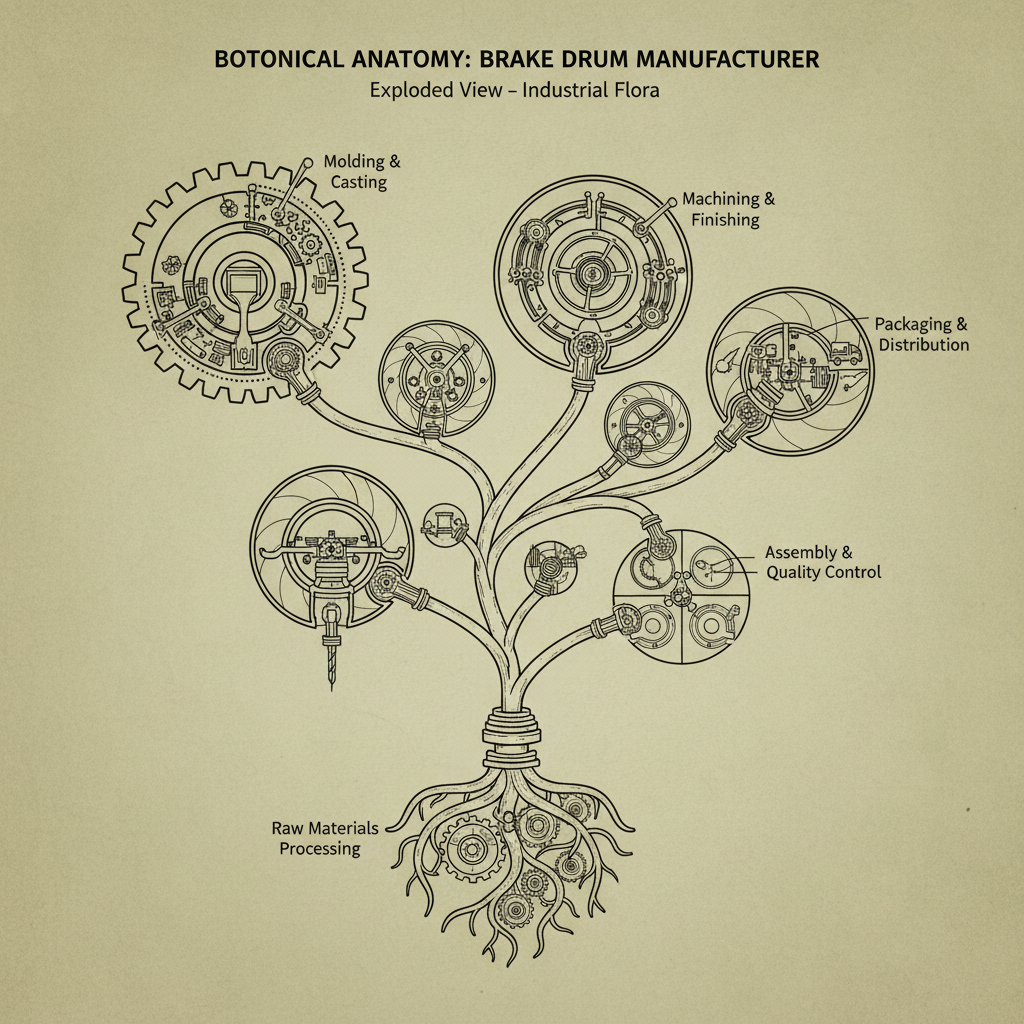
These brake drum manufacturers...they’re not just pumping out metal discs anymore. It’s a whole system. It’s about the alloys, the casting processes, the heat treatment. It’s about making sure that drum doesn’t crack under stress, and that the friction material doesn’t fade after a few hard stops. Simple in theory, unbelievably complex in practice.
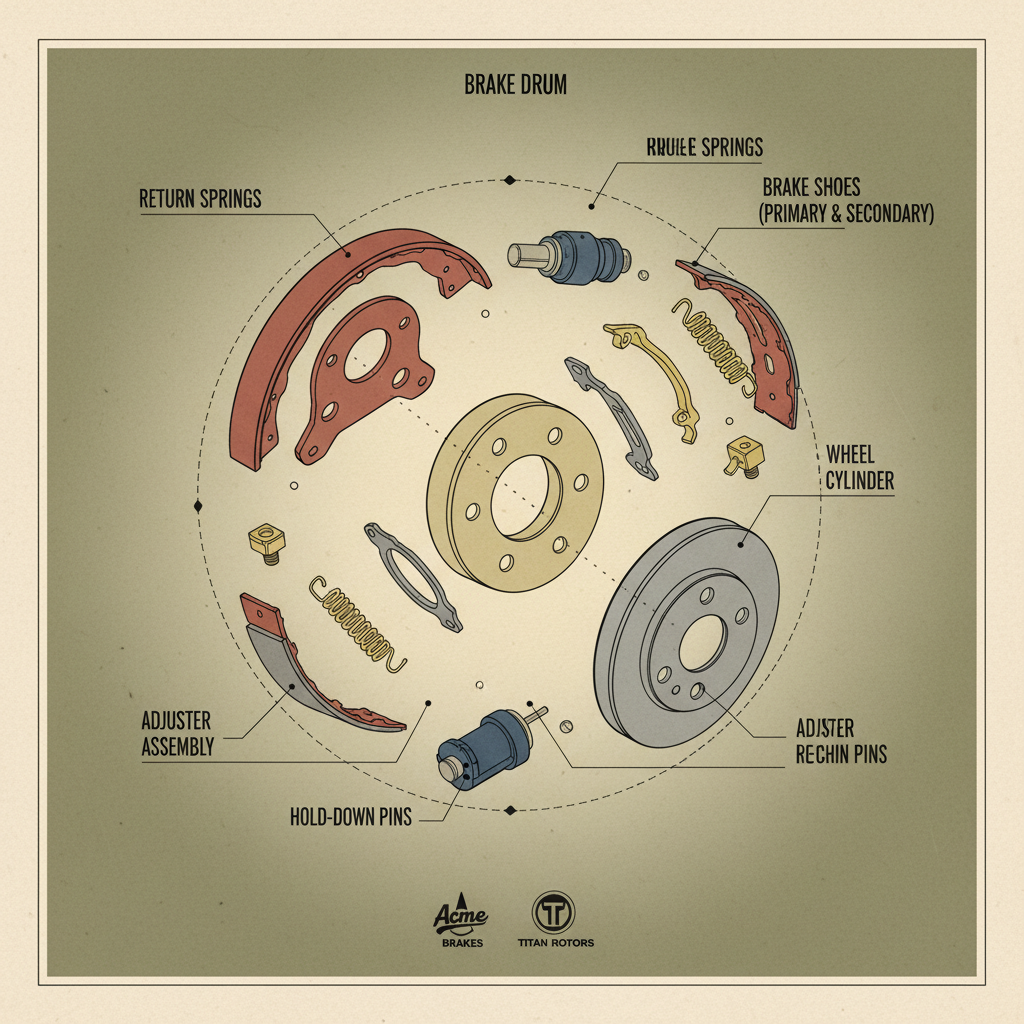
Strangely, everyone’s talking about electric vehicles, and you’d think brake drums were becoming obsolete. Not at all. They’re still critical for parking brakes and some regenerative braking systems. But the demand for lighter, higher-performance drums is definitely increasing. And that means new materials, new designs, and a whole lot more testing.
You see a lot of manufacturers, especially the smaller ones, trying to jump on the carbon-ceramic bandwagon. It’s impressive stuff, but it's expensive. And the machining tolerances are insane. I encountered this at a factory in Ningbo last time; they were throwing away more parts than they were keeping. It's a tough balancing act between innovation and practicality.
That’s a tricky one! It depends on so much – driving style, vehicle weight, terrain, even the weather. But generally, you’re looking at anywhere from 50,000 to 100,000 miles. We’ve seen some last longer, especially in lighter vehicles driven by careful drivers. But if you’re constantly hauling heavy loads or doing a lot of hard braking, you’ll probably need to replace them sooner. Regular inspections are key – look for cracks, scoring, or excessive wear.
There are a few telltale signs. First, listen for squealing or grinding noises when you brake. That usually indicates that the brake shoes are worn down and are making contact with the drum. Second, check for vibrations or pulsations in the brake pedal. That could mean the drum is warped or damaged. And finally, have a mechanic inspect the drum for cracks, scoring, or excessive wear. It's always better to be safe than sorry.
Cast iron is cheaper and more forgiving, but it’s also heavier and more prone to corrosion. Steel is stronger and lighter, but it’s more expensive and can be more susceptible to cracking if it’s not properly heat treated. In general, cast iron is used in more budget-friendly applications, while steel is used in heavier-duty vehicles or performance applications. It really comes down to a trade-off between cost, weight, and durability.
Composite drums, like carbon-ceramic, are significantly lighter than cast iron or steel, which can improve braking performance and fuel efficiency. They also have excellent heat resistance. However, they’re very expensive, and they require specialized installation and maintenance. They're really only worth it for high-performance vehicles or applications where weight is a critical factor.
Yes, brake drums can be resurfaced, but there’s a limit to how much material can be removed. If the drum is too thin, resurfacing it will compromise its structural integrity. It’s also important to make sure that the drum is perfectly round and smooth after resurfacing. A poorly resurfaced drum can cause vibrations and uneven braking. It really depends on the condition of the drum and the skill of the mechanic.
The friction material is absolutely critical. It's what actually creates the friction that stops the vehicle. Different friction materials have different coefficients of friction, wear rates, and heat resistances. The right friction material depends on the application. For example, organic materials are quieter and produce less dust, but they wear down faster. Semi-metallic materials provide more stopping power, but they can be noisy and produce more dust. It’s a balancing act.
So, after all that, what’s the takeaway? brake drum manufacturers aren't just about metal and machines. It’s about understanding materials, tolerances, real-world conditions, and the needs of the end-user. It’s about finding the right balance between performance, durability, and cost.
Ultimately, whether this thing works or not, the worker will know the moment he tightens the screw. And trust me, they always do. Visit our website for more information: brake drum manufacturers

 Afrikaans
 Albanian
 Amharic
 Arabic
 Armenian
 Azerbaijani
 Basque
 Belarusian
 Bengali
 Bosnian
 Bulgarian
 Catalan
 Cebuano
 Corsican
 Croatian
 Czech
Czech
 Danish
 Dutch
Dutch
 Esperanto
 Estonian
 Finnish
 French
 Frisian
 Galician
 Georgian
 German
 Greek
Greek
 Gujarati
 Haitian Creole
 Hausa
Hausa
 Hawaiian
 Hebrew
 Hindi
Hindi
 Miao
Miao
 Hungarian
 Icelandic
 Igbo
Igbo
 Indonesian
 Irish
Irish
 Italian
 Japanese
 Javanese
 Kannada
 Kazakh
 Khmer
Khmer
 Rwandese
 Korean
 Kurdish
 Kyrgyz
 Lao
Lao
 Latin
Latin
 Latvian
 Lithuanian
 Luxembourgish
 Macedonian
 Malgashi
 Malay
Malay
 Malayalam
 Maltese
 Maori
Maori
 Marathi
 Mongolian
 Myanmar
 Nepali
 Norwegian
 Norwegian
 Occitan
 Pashto
 Persian
 Polish
 Portuguese
 Punjabi
 Romanian
 Russian
 Samoan
 Scottish Gaelic
 Serbian
 Sesotho
 Shona
Shona
 Sindhi
 Sinhala
 Slovak
 Slovenian
 Somali
 Spanish
 Sundanese
 Swahili
 Swedish
 Tagalog
 Tajik
Tajik
 Tamil
Tamil
 Tatar
Tatar
 Telugu
 Thai
Thai
 Turkish
 Turkmen
 Ukrainian
 Urdu
Urdu
 Uighur
 Uzbek
Uzbek
 Vietnamese
 Welsh
Welsh
 Bantu
Bantu
 Yiddish
 Yoruba
 Zulu
Zulu
 English