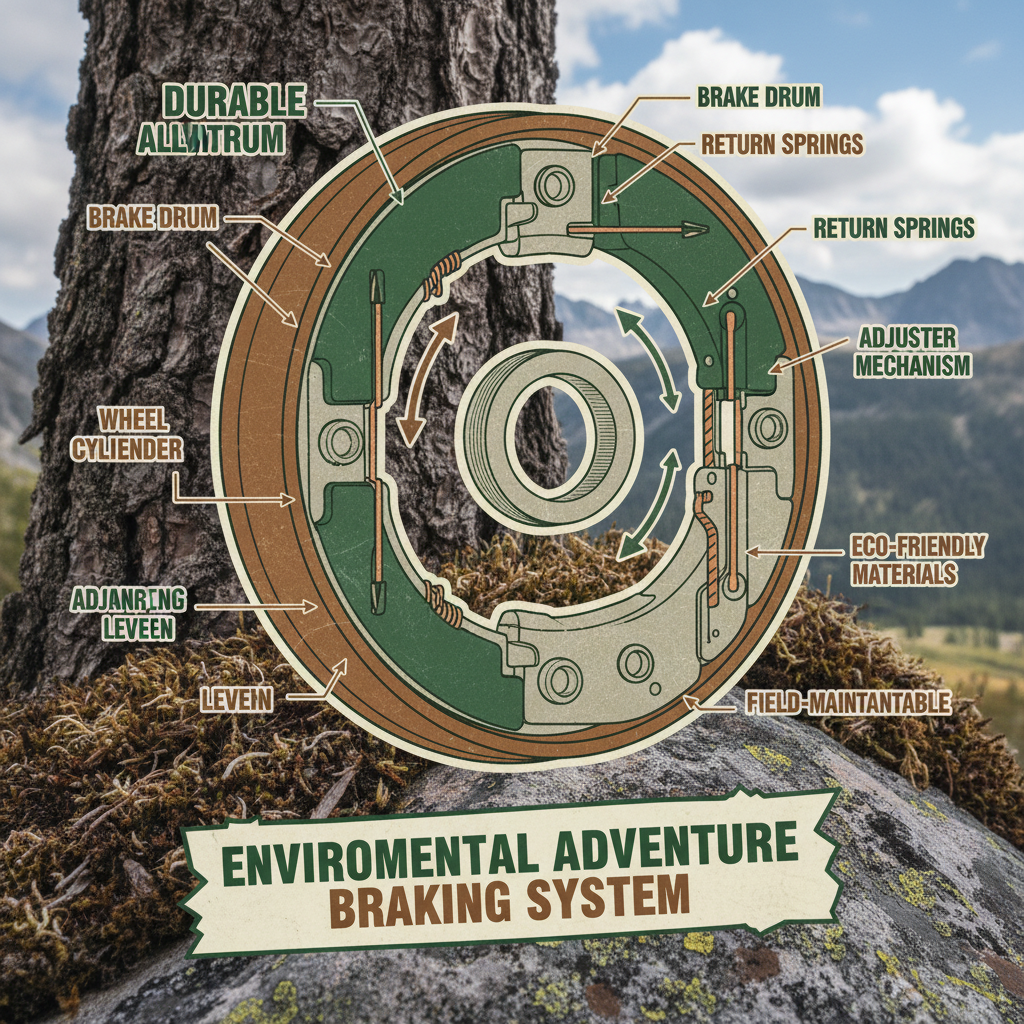
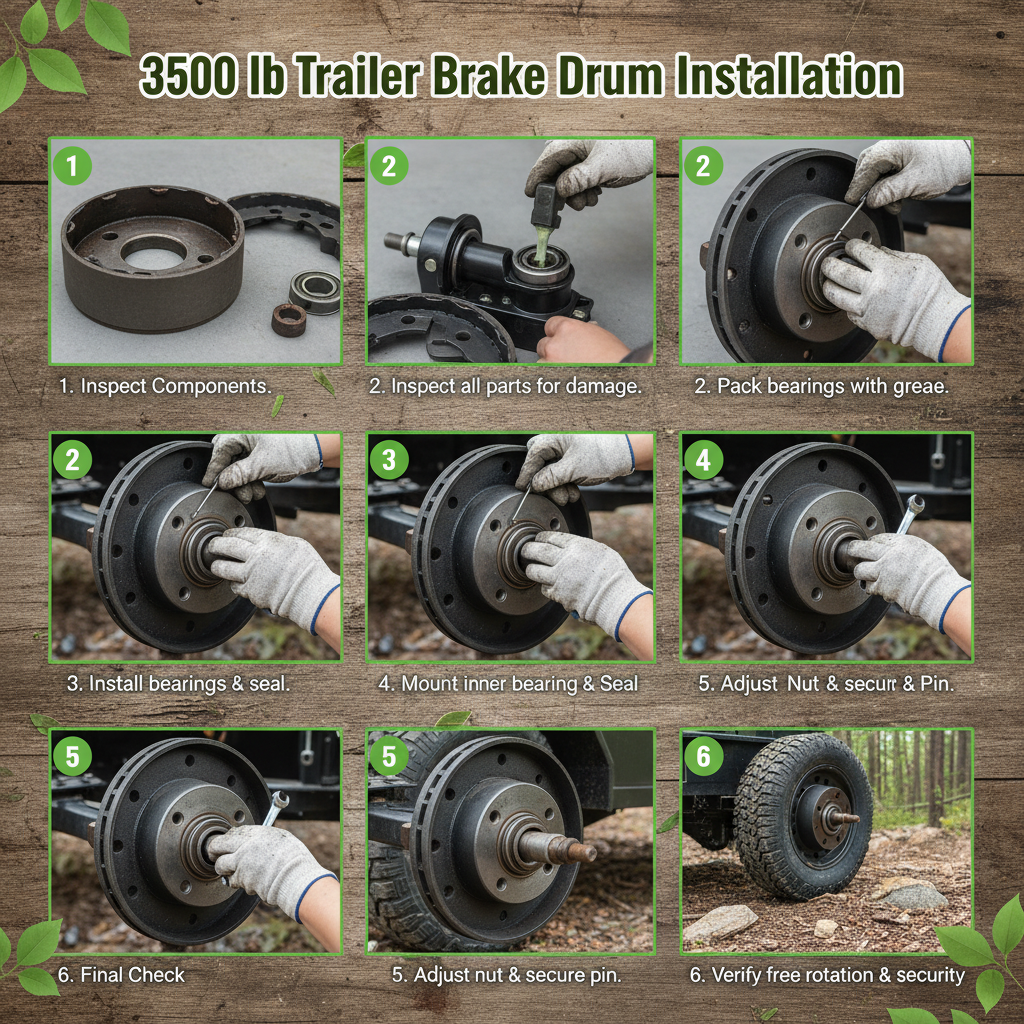
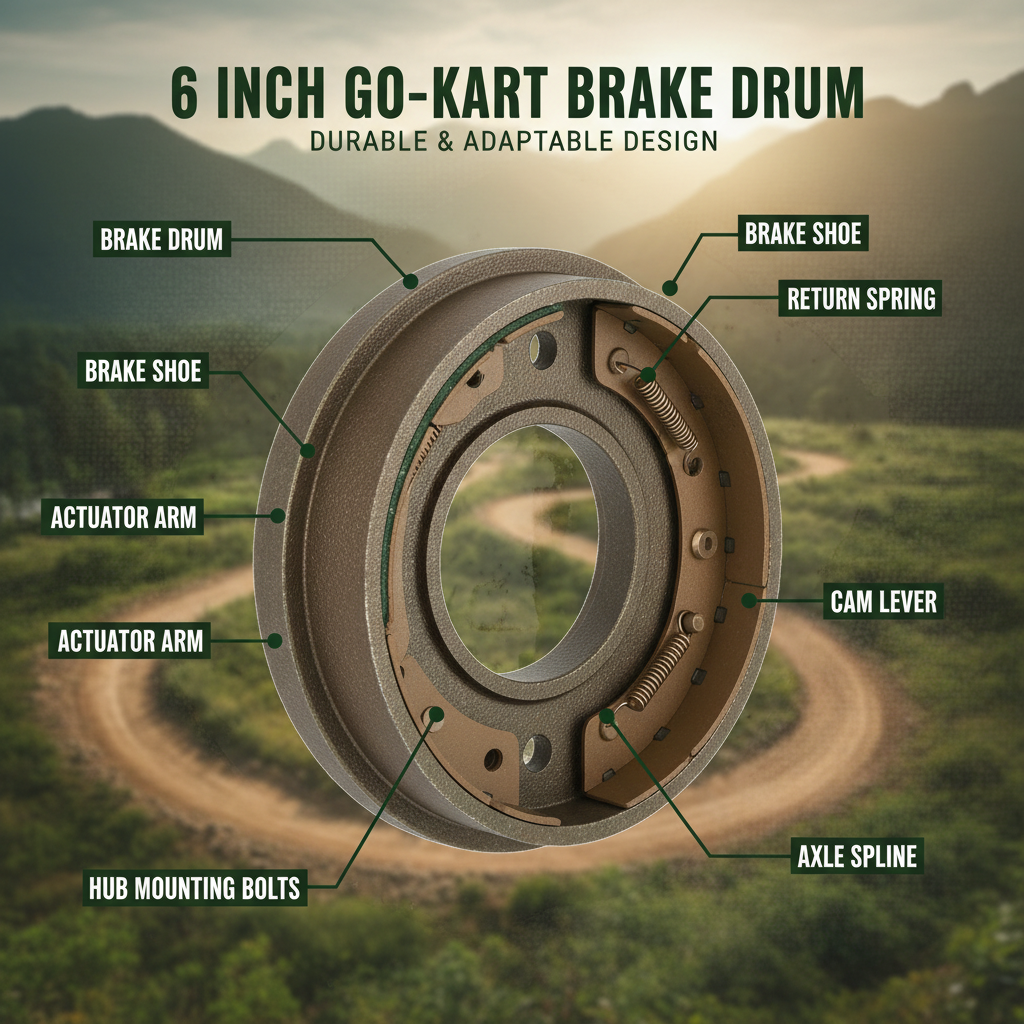
Truck brake drums are a critical component of any commercial vehicle, playing a pivotal role in ensuring safe and reliable operation. Their importance extends far beyond simply stopping the truck; they are integral to overall vehicle stability, driver confidence, and the efficient transportation of goods across the globe. Understanding the intricacies of truck brake drums – their design, materials, maintenance, and emerging technologies – is paramount for fleet managers, mechanics, drivers, and anyone involved in the trucking industry.
The global demand for truck brake drums is driven by the ever-increasing volume of freight transport and the stringent safety regulations governing the commercial vehicle sector. According to the United Nations Economic Commission for Europe (UNECE), road freight transport accounts for approximately 76% of inland freight volume in Europe and North America. This high reliance on trucking necessitates robust and dependable braking systems, positioning truck brake drums as an essential commodity. Failure in this component can lead to devastating consequences, highlighting the need for continuous improvement in design and manufacturing.
Furthermore, the escalating focus on sustainability and reducing vehicle emissions is indirectly influencing the evolution of truck brake drums. Manufacturers are actively exploring lighter-weight materials and advanced coatings to minimize weight and enhance performance, contributing to improved fuel efficiency and reduced carbon footprints. As global trade continues to expand, the importance of effective and efficient braking systems, centered around reliable truck brake drums, will only intensify.

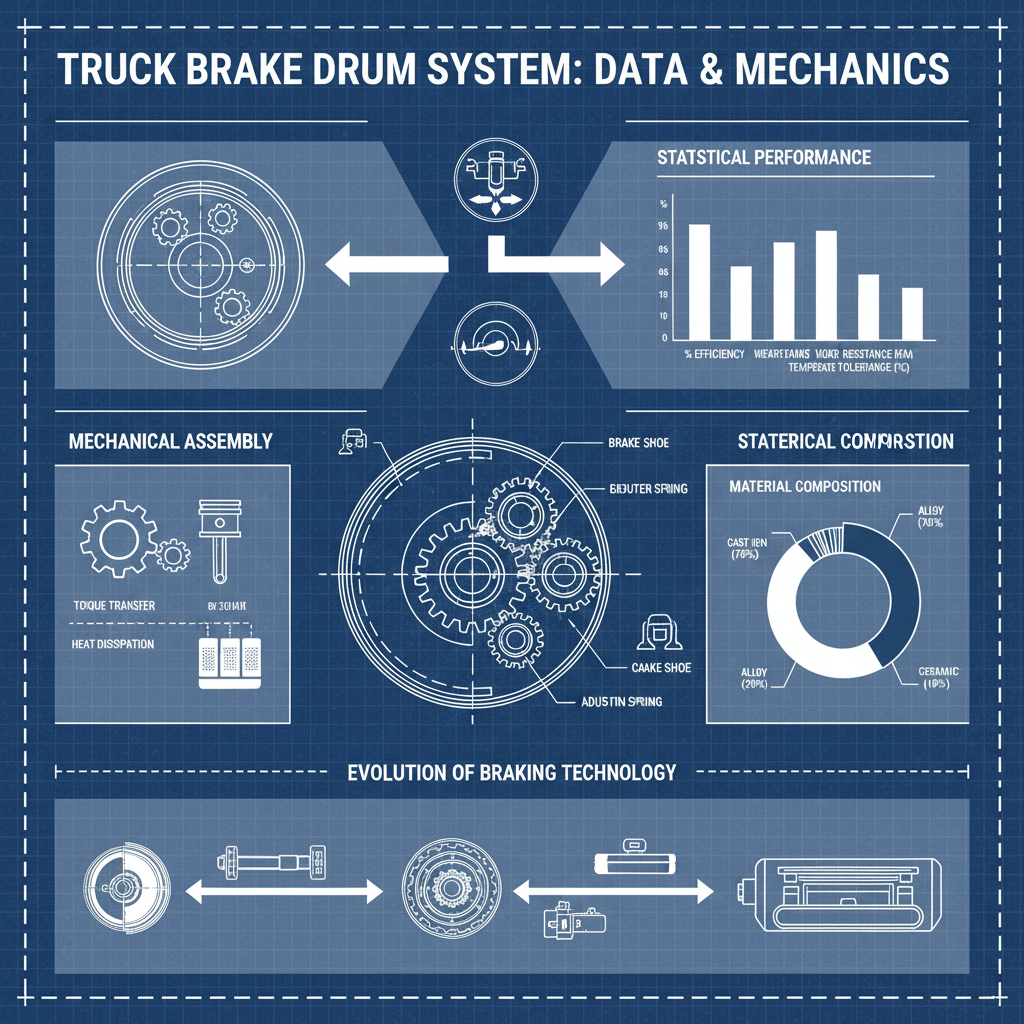
Truck brake drums are the fundamental friction components within a truck’s braking system. They work in conjunction with brake shoes or pads to create the friction necessary to decelerate or stop the vehicle. Their design, typically cylindrical, houses the braking mechanism and dissipates the considerable heat generated during braking. Effective truck brake drums are essential for preventing accidents and ensuring safe transportation.
The materials used in manufacturing truck brake drums are crucial for their performance and longevity. Traditionally, grey cast iron has been the dominant material due to its excellent heat absorption and wear resistance. However, advancements in materials science are leading to the adoption of alternative materials like ductile iron and composite materials, aiming to enhance durability and reduce weight.
The lifespan of truck brake drums varies greatly depending on operating conditions, load weight, and driving habits. However, a typical range is between 50,000 to 200,000 miles. Regular inspections are crucial to identify signs of wear, such as scoring, cracking, or excessive thickness variation. Preventative maintenance, including proper lubrication and adjustment, can significantly extend their service life. Factors like harsh braking and heavy loads will necessitate more frequent inspections and potential replacements.
Several indicators suggest it’s time to replace your truck brake drums. These include reaching the minimum allowable thickness specified by the manufacturer, visible cracks or severe scoring on the drum’s surface, and noticeable pulsations or vibrations during braking. Additionally, if you experience a significant reduction in braking performance or hear unusual noises, a professional inspection is recommended. Ignoring these signs can compromise safety and lead to more costly repairs down the line.
Both cast iron and ductile iron are commonly used in truck brake drum manufacturing, but they differ in their mechanical properties. Ductile iron is significantly stronger and more impact-resistant than traditional cast iron. This increased strength allows for thinner drum walls without sacrificing durability, resulting in reduced weight. Ductile iron also exhibits better thermal conductivity, improving heat dissipation during braking. While more expensive, ductile iron drums often provide a longer service life and enhanced performance.
Proper brake drum maintenance is absolutely vital for ensuring safety and maximizing the lifespan of your braking system. This includes regular inspections for wear, ensuring proper lubrication of brake components, and maintaining correct brake shoe or pad adjustment. Periodic cleaning to remove debris and contaminants is also essential. Neglecting maintenance can lead to premature wear, reduced braking efficiency, and potentially catastrophic failures.
Yes, research and development are exploring several new materials for truck brake drums. Carbon-ceramic composites offer significant weight reduction and improved heat dissipation, but currently come with a higher price tag. Advanced alloys and composite coatings are also being investigated to enhance wear resistance and corrosion protection. The goal is to develop materials that provide superior performance and durability while reducing overall vehicle weight and environmental impact.
Improving truck braking performance involves a holistic approach. Ensure your brake drums and shoes/pads are in good condition and properly adjusted. Regularly inspect and maintain the entire braking system, including brake lines, hoses, and the master cylinder. Consider upgrading to higher-performance brake components, such as heavy-duty brake shoes or drums. Finally, driver training plays a critical role – promoting smooth braking techniques and anticipating potential hazards can significantly enhance safety.
In conclusion, truck brake drums are a fundamental safety component of any commercial vehicle, critically impacting not only stopping power but also overall vehicle stability and operational efficiency. Understanding their core principles, materials, maintenance requirements, and emerging technologies is essential for professionals across the transportation industry. Investing in high-quality drums and adhering to preventative maintenance schedules translates directly to improved safety, reduced downtime, and lower long-term costs.
Looking ahead, the future of truck brake drums will be defined by advancements in materials science, sensor integration, and digital technologies. Embracing these innovations will lead to safer, more reliable, and more sustainable braking systems, further solidifying the critical role of truck brake drums in the evolving landscape of global transportation. For reliable and high-performance truck brake drums, visit our website: www.jkxyihang.com

 Afrikaans
 Albanian
 Amharic
 Arabic
 Armenian
 Azerbaijani
 Basque
 Belarusian
 Bengali
 Bosnian
 Bulgarian
 Catalan
 Cebuano
 Corsican
 Croatian
 Czech
Czech
 Danish
 Dutch
Dutch
 Esperanto
 Estonian
 Finnish
 French
 Frisian
 Galician
 Georgian
 German
 Greek
Greek
 Gujarati
 Haitian Creole
 Hausa
Hausa
 Hawaiian
 Hebrew
 Hindi
Hindi
 Miao
Miao
 Hungarian
 Icelandic
 Igbo
Igbo
 Indonesian
 Irish
Irish
 Italian
 Japanese
 Javanese
 Kannada
 Kazakh
 Khmer
Khmer
 Rwandese
 Korean
 Kurdish
 Kyrgyz
 Lao
Lao
 Latin
Latin
 Latvian
 Lithuanian
 Luxembourgish
 Macedonian
 Malgashi
 Malay
Malay
 Malayalam
 Maltese
 Maori
Maori
 Marathi
 Mongolian
 Myanmar
 Nepali
 Norwegian
 Norwegian
 Occitan
 Pashto
 Persian
 Polish
 Portuguese
 Punjabi
 Romanian
 Russian
 Samoan
 Scottish Gaelic
 Serbian
 Sesotho
 Shona
Shona
 Sindhi
 Sinhala
 Slovak
 Slovenian
 Somali
 Spanish
 Sundanese
 Swahili
 Swedish
 Tagalog
 Tajik
Tajik
 Tamil
Tamil
 Tatar
Tatar
 Telugu
 Thai
Thai
 Turkish
 Turkmen
 Ukrainian
 Urdu
Urdu
 Uighur
 Uzbek
Uzbek
 Vietnamese
 Welsh
Welsh
 Bantu
Bantu
 Yiddish
 Yoruba
 Zulu
Zulu
 English