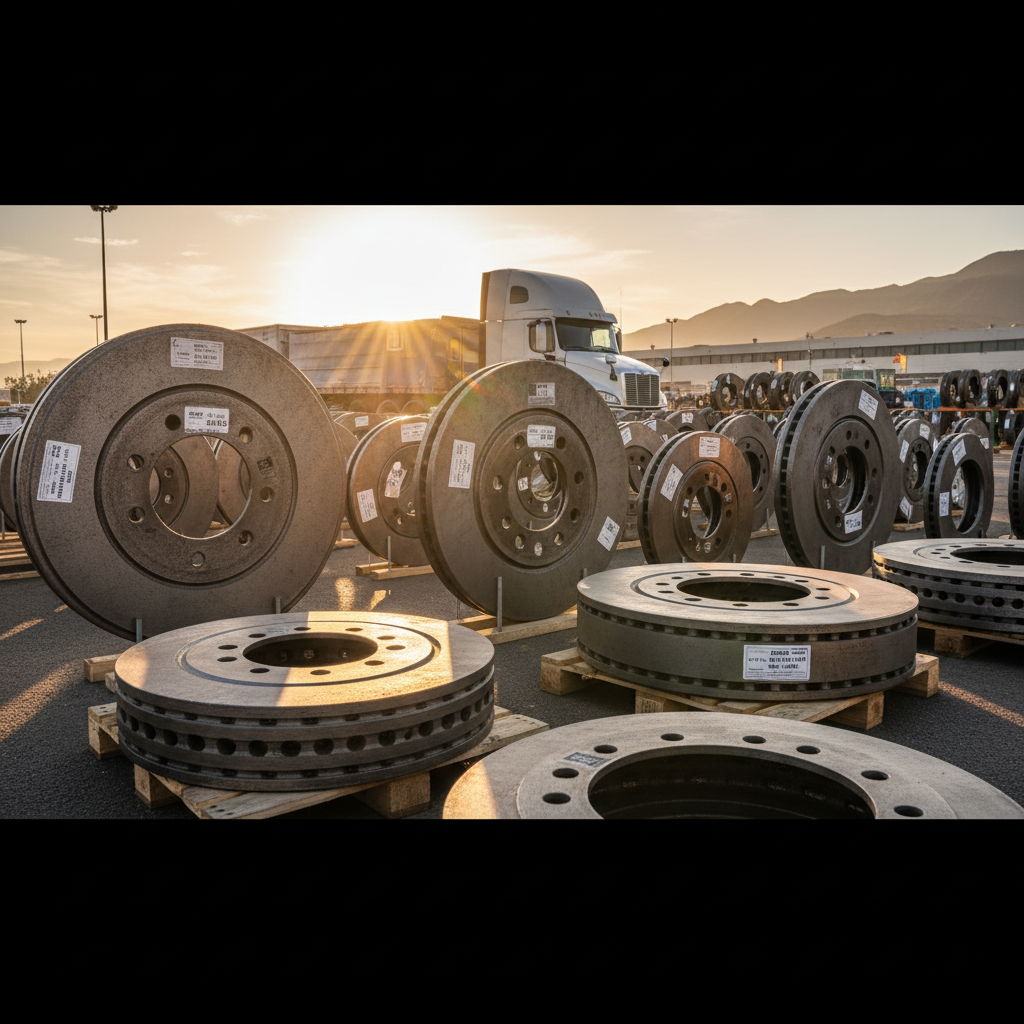
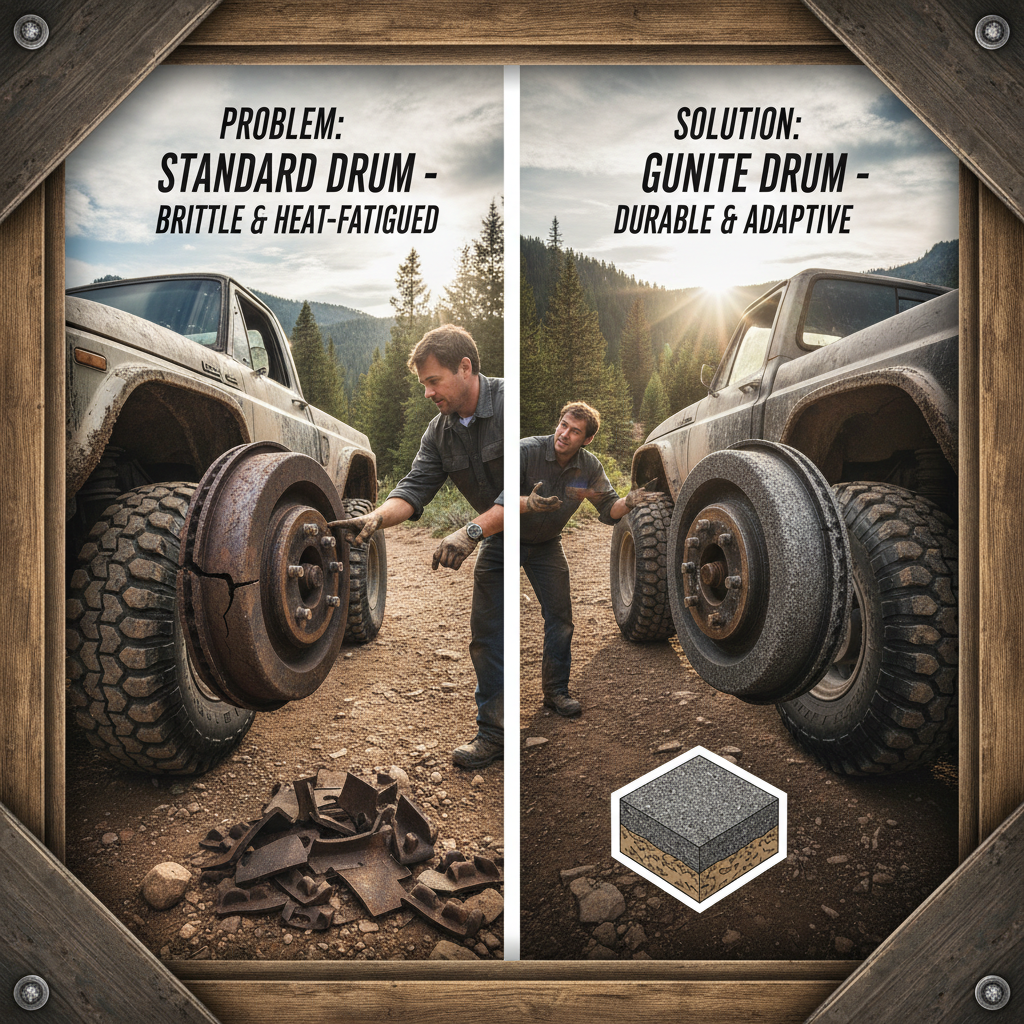
The 3500 lb trailer brake drum is a critical component in ensuring the safe and efficient operation of trailers used across a vast range of industries. From hauling agricultural goods to transporting heavy machinery, the reliability of these drums directly impacts road safety and the overall logistics of supply chains. Understanding their construction, function, and proper maintenance is paramount for trailer owners, fleet managers, and technicians alike.
Globally, the demand for robust and dependable trailer components like the 3500 lb brake drum continues to rise, fueled by the growth of e-commerce, increasing infrastructure development, and the need for efficient transportation solutions. The market is driven by factors such as stringent safety regulations, advancements in materials science, and a growing emphasis on minimizing downtime through preventative maintenance.
Choosing the correct 3500 lb trailer brake drum is crucial for optimal performance and longevity. Factors like drum material, construction type (cast iron vs. composite), and compatibility with existing brake systems must be carefully considered. Investing in high-quality drums can significantly reduce maintenance costs and enhance overall trailer safety.
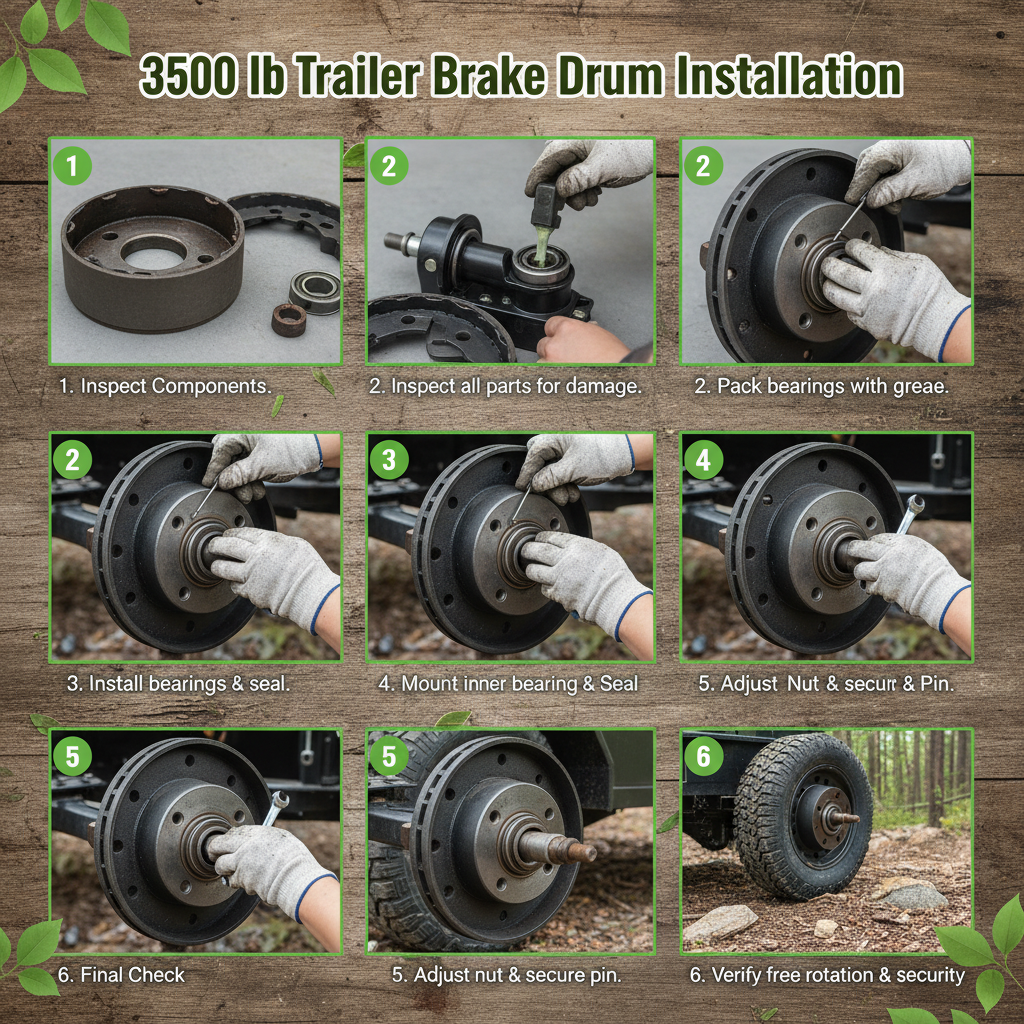
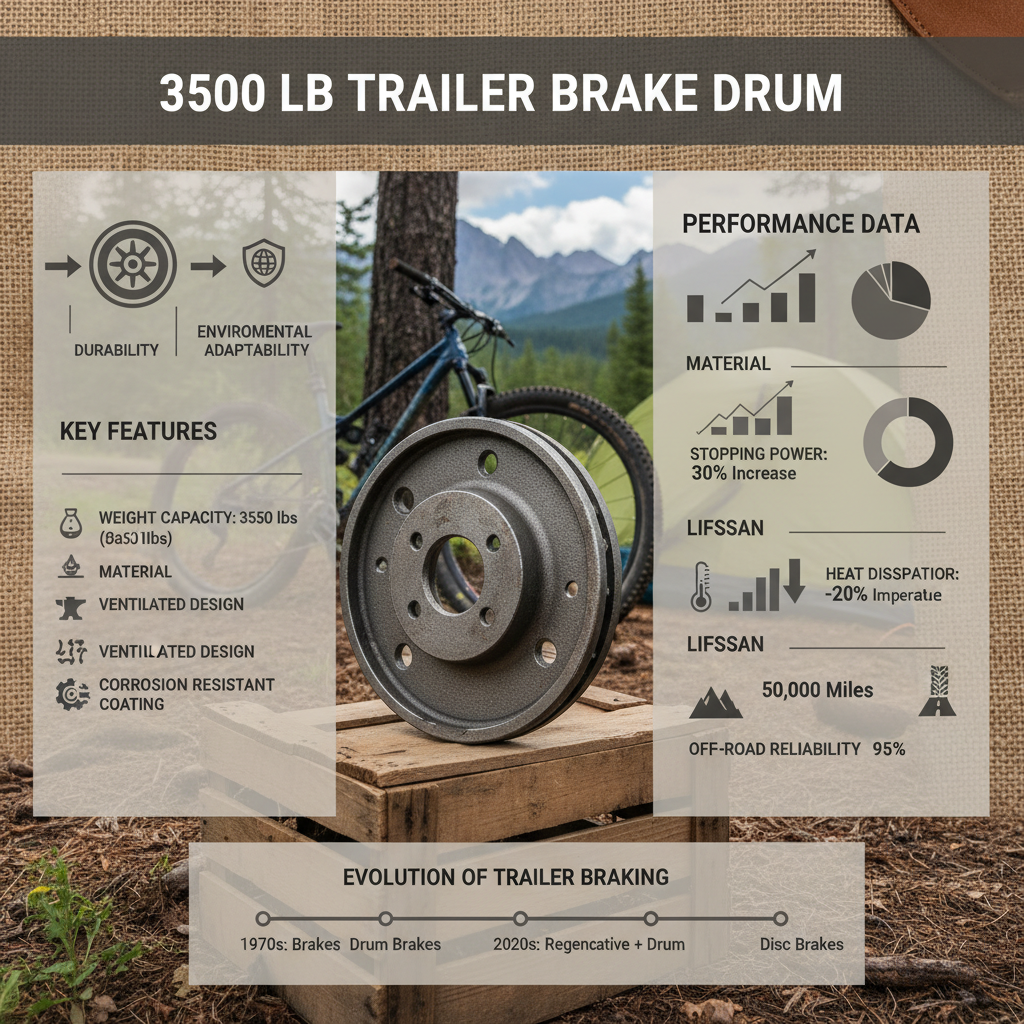
The 3500 lb trailer brake drum plays a vital role in the safety and operational efficiency of trailers. These drums, designed to withstand substantial loads and repetitive braking forces, are essential for controlling trailer movement and preventing accidents. Their importance extends across numerous industries, including logistics, construction, agriculture, and personal transportation.
Without properly functioning 3500 lb brake drums, a trailer's stopping distance increases significantly, posing a serious risk to both the driver and other road users. Regular inspection, maintenance, and timely replacement of worn or damaged drums are therefore paramount to maintaining safe operating conditions.
The lifespan of a 3500 lb trailer brake drum varies greatly depending on usage, load, and maintenance. Generally, with proper care, a cast iron drum can last 50,000 to 100,000 miles. Composite drums can potentially last longer, but are often more sensitive to harsh conditions. Regular inspections are crucial to identify wear and tear and address issues promptly.
Signs of wear include scoring or grooves on the drum surface, excessive heat buildup during braking, pulsing or vibrations when braking, and reduced braking power. If you notice any of these symptoms, it’s time to have the drums inspected by a qualified technician. Deep scoring or cracks necessitate immediate replacement.
Composite brake drums offer several advantages, including reduced weight and improved heat dissipation. This can lead to better fuel efficiency and reduced brake fade. However, they typically cost more than cast iron drums. Whether they are worth the extra cost depends on your specific needs and usage patterns. For frequent, heavy-duty use, composites can offer a significant return on investment.
Regular maintenance includes inspecting the drums for wear and damage, lubricating all moving parts, and ensuring the brake shoes are in good condition. It's also important to check and adjust the braking system as needed. Professional inspections are recommended at least annually, or more frequently with heavy use.
Resurfacing a 3500 lb brake drum is possible, but there are limitations. The drum must have sufficient thickness remaining after resurfacing to ensure adequate heat capacity and structural integrity. A qualified technician can determine whether resurfacing is a viable option. It's often more cost-effective to replace worn drums than to resurface them multiple times.
When storing 3500 lb trailer brake drums, protect them from the elements, especially moisture and salt. Store them in a dry, covered location. If storing for an extended period, apply a corrosion inhibitor to prevent rust. Proper storage helps maintain the integrity and longevity of the drums.
The 3500 lb trailer brake drum is a foundational component of trailer safety and efficiency, impacting industries worldwide. Understanding its construction, materials, and maintenance requirements is crucial for optimal performance and longevity. Investing in quality drums and adhering to regular maintenance schedules translates to reduced costs, increased safety, and smoother operations.
As technology evolves, the future of 3500 lb brake drum technology will focus on lighter materials, enhanced heat dissipation, and smart braking systems. Staying informed about these advancements and proactively adopting best practices will ensure the continued safe and efficient transportation of goods for years to come. For all your 3500 lb trailer brake drum needs, visit our website: jkxyihang.com

 Afrikaans
 Albanian
 Amharic
 Arabic
 Armenian
 Azerbaijani
 Basque
 Belarusian
 Bengali
 Bosnian
 Bulgarian
 Catalan
 Cebuano
 Corsican
 Croatian
 Czech
Czech
 Danish
 Dutch
Dutch
 Esperanto
 Estonian
 Finnish
 French
 Frisian
 Galician
 Georgian
 German
 Greek
Greek
 Gujarati
 Haitian Creole
 Hausa
Hausa
 Hawaiian
 Hebrew
 Hindi
Hindi
 Miao
Miao
 Hungarian
 Icelandic
 Igbo
Igbo
 Indonesian
 Irish
Irish
 Italian
 Japanese
 Javanese
 Kannada
 Kazakh
 Khmer
Khmer
 Rwandese
 Korean
 Kurdish
 Kyrgyz
 Lao
Lao
 Latin
Latin
 Latvian
 Lithuanian
 Luxembourgish
 Macedonian
 Malgashi
 Malay
Malay
 Malayalam
 Maltese
 Maori
Maori
 Marathi
 Mongolian
 Myanmar
 Nepali
 Norwegian
 Norwegian
 Occitan
 Pashto
 Persian
 Polish
 Portuguese
 Punjabi
 Romanian
 Russian
 Samoan
 Scottish Gaelic
 Serbian
 Sesotho
 Shona
Shona
 Sindhi
 Sinhala
 Slovak
 Slovenian
 Somali
 Spanish
 Sundanese
 Swahili
 Swedish
 Tagalog
 Tajik
Tajik
 Tamil
Tamil
 Tatar
Tatar
 Telugu
 Thai
Thai
 Turkish
 Turkmen
 Ukrainian
 Urdu
Urdu
 Uighur
 Uzbek
Uzbek
 Vietnamese
 Welsh
Welsh
 Bantu
Bantu
 Yiddish
 Yoruba
 Zulu
Zulu
 English