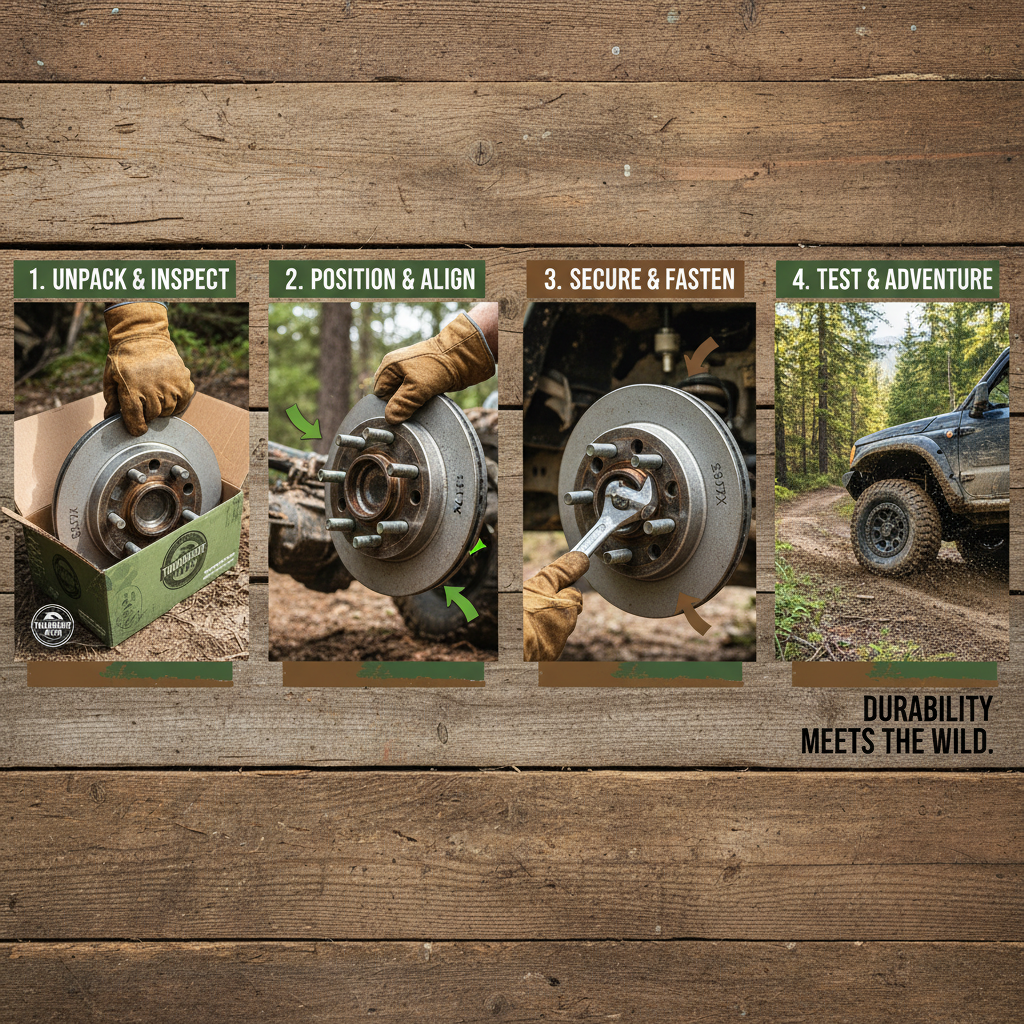
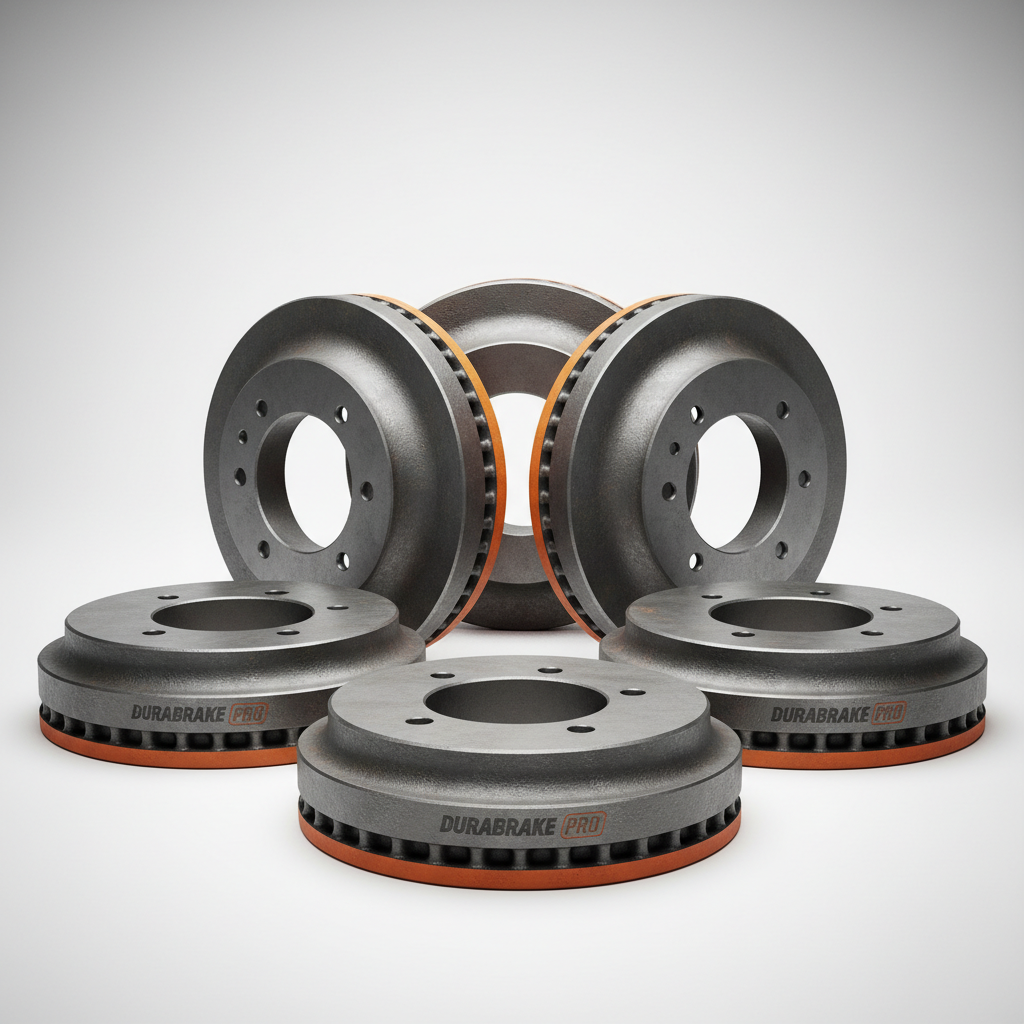
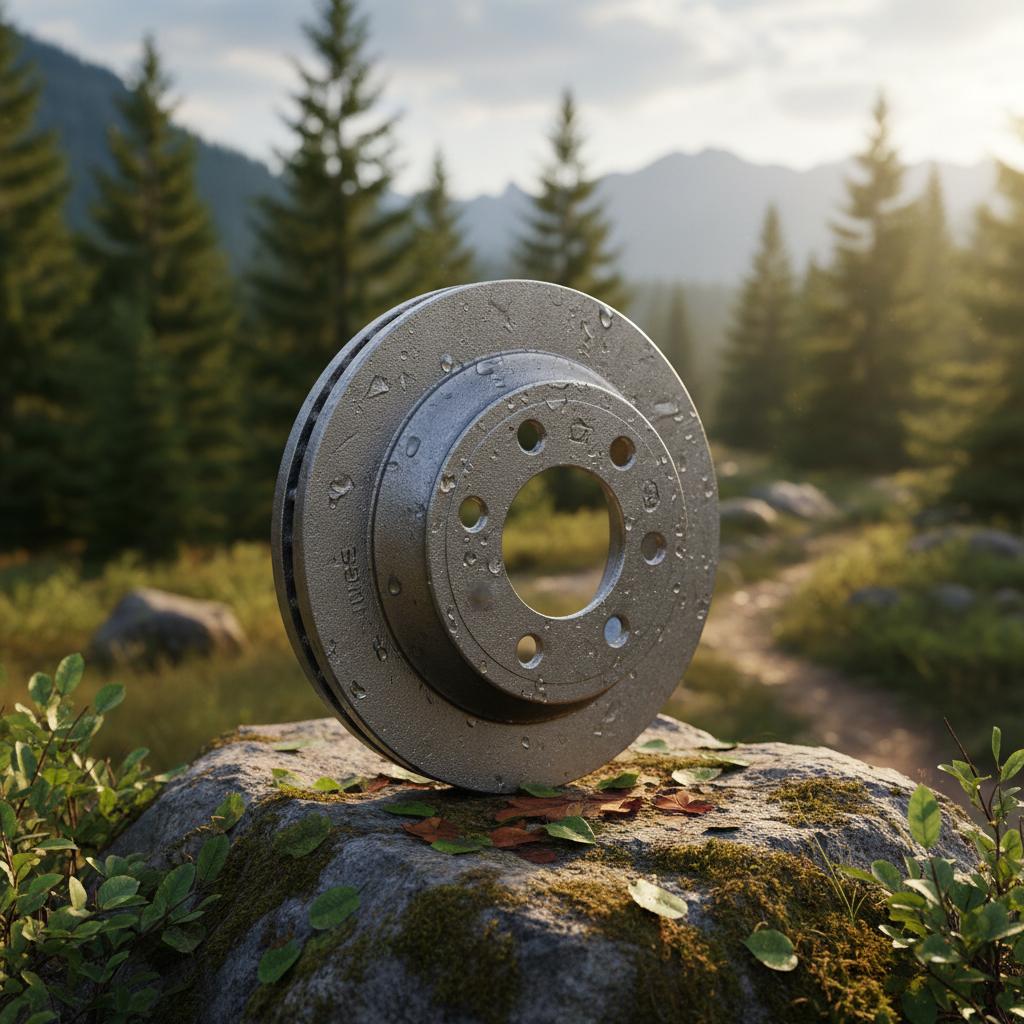
The 3141 brake drum. Sounds simple enough, right? But after years spent walking construction sites, talking to mechanics, and seeing how things actually break down, you realize it’s a cornerstone component. It’s not glamorous, it’s not the headline-grabbing tech, but it’s the reliable workhorse that keeps a lot of heavy machinery moving. I've seen projects grind to a halt because of subpar brake drums, and I've seen efficient operations run smoothly on drums that just… last. It's about minimizing downtime, maximizing safety, and ultimately, getting the job done. A good 3141 brake drum isn’t just a part; it’s a key to productivity.
What’s striking is how much variation there is out there, even for a seemingly standardized part like the 3141. Different materials, different manufacturing processes, different quality control measures. That translates to a huge difference in lifespan and performance. I've seen drums that rust through in six months, and others that are still going strong after five years of constant use. The cost savings on replacement, the reduced risk of accidents... it all adds up. Understanding the nuances of these drums is essential for anyone responsible for maintaining a fleet of equipment.
And it’s not always about the highest-end, most expensive option. Sometimes, the sweet spot is a drum that offers a solid balance of durability, cost-effectiveness, and availability. You need something you can get when you need it, not six weeks from now. That practical consideration often gets lost in the specs and marketing materials. It’s about knowing your equipment, your environment, and choosing a drum that fits the real-world demands of the job.
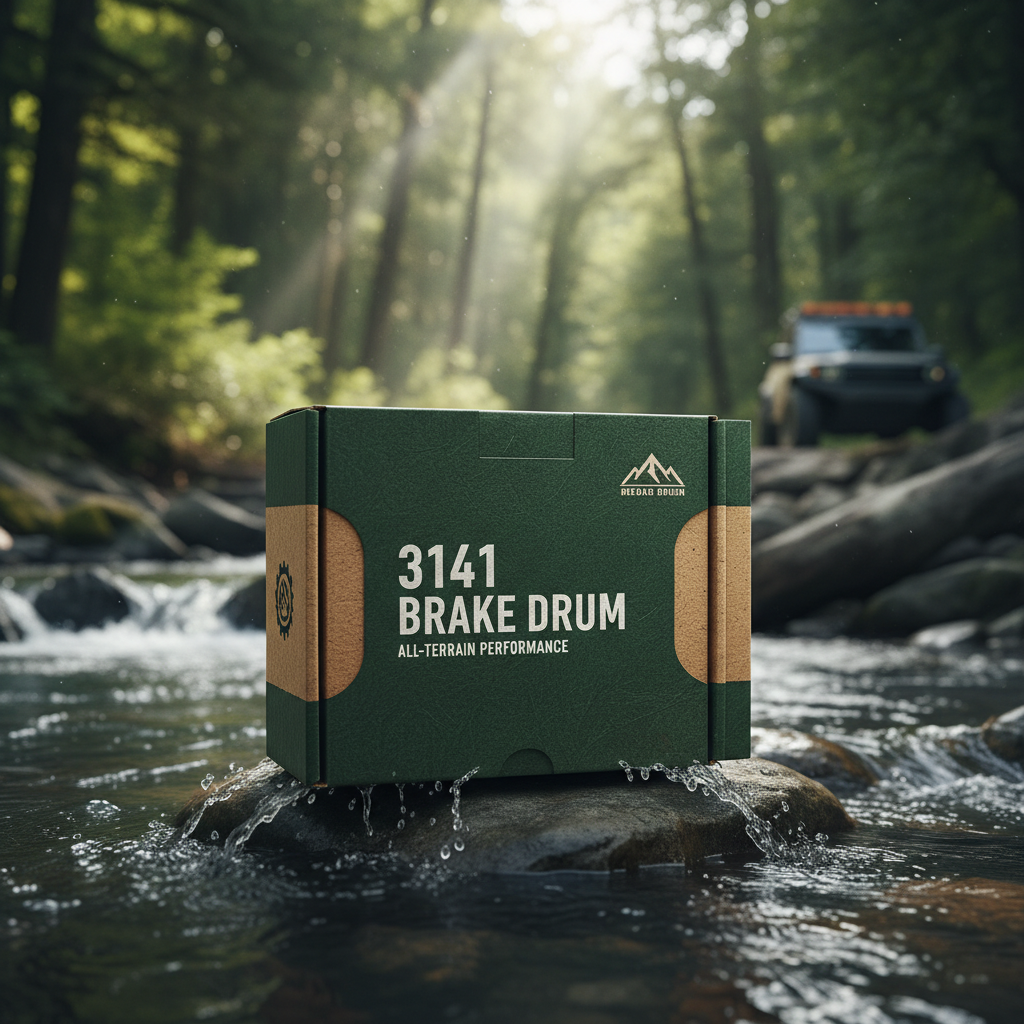
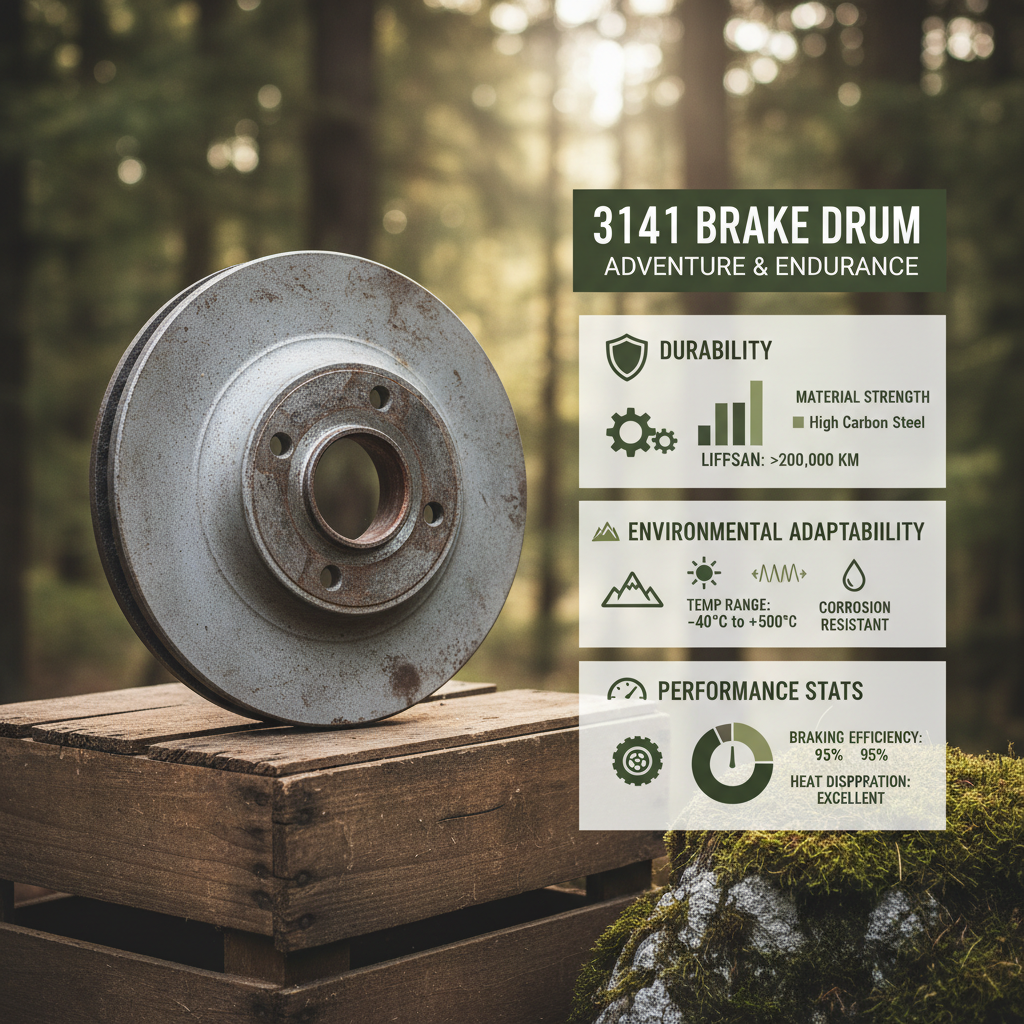
The 3141 brake drum is critical for safe and efficient operation of a huge range of equipment – from forklifts and excavators to cranes and even some industrial mixers. Without reliable braking, you’re looking at potential accidents, damaged equipment, and significant delays. I’ve seen too many near misses caused by worn-out drums, and it’s a scenario you want to avoid at all costs. The global construction and materials handling industries rely heavily on these components, making their consistent performance vital.
It’s not just construction either. Mining, agriculture, and even port operations depend on robust braking systems, often utilizing the 3141 brake drum or similar designs. The sheer scale of these industries means a consistent supply of high-quality drums is paramount. According to industry reports, the demand for heavy machinery parts is projected to grow by 5-7% annually in the next five years, putting even more pressure on manufacturers to deliver reliable components like the 3141 drum.
The lifespan of a 3141 brake drum in a heavy-duty construction setting varies significantly based on usage, maintenance, and environmental conditions. However, a well-maintained drum made from high-quality materials should ideally last between 2-5 years. Factors like the frequency of use, the weight of loads being handled, and the terrain can all impact its longevity. Regular inspections and timely replacement of worn brake shoes are crucial for maximizing drum life.
Identifying counterfeit 3141 brake drums can be challenging, but look for inconsistencies in the markings, poor surface finish, and unusually low pricing. Check for a clear manufacturer's logo and part number. If possible, compare the drum to a known genuine part. Also, be wary of suppliers with a questionable reputation or those offering significantly discounted prices compared to established distributors. Material testing can confirm authenticity but requires specialized equipment.
Regular maintenance is key to maximizing the lifespan of a 3141 brake drum. This includes frequent inspections for wear and damage, timely replacement of brake shoes, and ensuring proper lubrication of all moving parts. Periodically cleaning the drum to remove dust and debris is also important. Proper adjustment of the braking system is crucial to prevent uneven wear and ensure optimal performance.
Common signs that a 3141 brake drum needs replacement include visible cracks, excessive wear or scoring on the inner surface, noticeable warping or deformation, and a reduction in braking performance. If you experience unusual noises during braking, such as squealing or grinding, it’s a strong indicator of a problem. Ignoring these signs can lead to more severe issues and potential safety hazards.
Composite 3141 brake drums offer potential advantages, such as reduced weight and improved heat dissipation. However, they are generally more expensive than traditional cast iron drums and may not be suitable for all applications. Their long-term durability and performance in harsh environments are still under evaluation. The decision to switch to composite drums depends on specific operational requirements and budget considerations.
Proper heat treatment is absolutely critical in the manufacturing of a 3141 brake drum. It dramatically affects the material’s hardness, tensile strength, and resistance to cracking under stress. Without correct heat treatment, the drum will be more prone to premature wear and failure, especially when subjected to the high temperatures generated during braking. It’s a fundamental step in ensuring long-term reliability and safety.
The 3141 brake drum is far more than just a simple component; it’s a critical element in ensuring the safe, efficient, and reliable operation of a vast array of heavy machinery. From its foundational role in construction and mining to its presence in manufacturing and agriculture, the impact of a quality drum is undeniable. Understanding the factors that influence its performance—material composition, manufacturing precision, and proper maintenance—is essential for anyone involved in equipment operation or management.
Looking ahead, continued innovation in materials and monitoring technologies will further enhance the performance and lifespan of these vital components. Prioritizing quality, investing in preventative maintenance, and staying informed about emerging trends will be crucial for maximizing the value and minimizing the risks associated with 3141 brake drums. For reliable parts and expert advice, visit our website: 3141 brake drum.

 Afrikaans
 Albanian
 Amharic
 Arabic
 Armenian
 Azerbaijani
 Basque
 Belarusian
 Bengali
 Bosnian
 Bulgarian
 Catalan
 Cebuano
 Corsican
 Croatian
 Czech
Czech
 Danish
 Dutch
Dutch
 Esperanto
 Estonian
 Finnish
 French
 Frisian
 Galician
 Georgian
 German
 Greek
Greek
 Gujarati
 Haitian Creole
 Hausa
Hausa
 Hawaiian
 Hebrew
 Hindi
Hindi
 Miao
Miao
 Hungarian
 Icelandic
 Igbo
Igbo
 Indonesian
 Irish
Irish
 Italian
 Japanese
 Javanese
 Kannada
 Kazakh
 Khmer
Khmer
 Rwandese
 Korean
 Kurdish
 Kyrgyz
 Lao
Lao
 Latin
Latin
 Latvian
 Lithuanian
 Luxembourgish
 Macedonian
 Malgashi
 Malay
Malay
 Malayalam
 Maltese
 Maori
Maori
 Marathi
 Mongolian
 Myanmar
 Nepali
 Norwegian
 Norwegian
 Occitan
 Pashto
 Persian
 Polish
 Portuguese
 Punjabi
 Romanian
 Russian
 Samoan
 Scottish Gaelic
 Serbian
 Sesotho
 Shona
Shona
 Sindhi
 Sinhala
 Slovak
 Slovenian
 Somali
 Spanish
 Sundanese
 Swahili
 Swedish
 Tagalog
 Tajik
Tajik
 Tamil
Tamil
 Tatar
Tatar
 Telugu
 Thai
Thai
 Turkish
 Turkmen
 Ukrainian
 Urdu
Urdu
 Uighur
 Uzbek
Uzbek
 Vietnamese
 Welsh
Welsh
 Bantu
Bantu
 Yiddish
 Yoruba
 Zulu
Zulu
 English