Now, more than ever, reliable braking systems are critical for safety and efficiency across a multitude of industries. The 2983c brake drum, a seemingly simple component, is at the heart of countless operations – from heavy-duty trucks and construction equipment to agricultural machinery and even specialized industrial applications. Its performance dictates not only operational safety but also contributes significantly to maintenance costs and overall productivity. We’ve seen firsthand, spending countless hours on job sites, how a failure in a brake drum can bring everything to a grinding halt, costing companies time, money, and potentially, risking lives. Understanding the nuances of the 2983c brake drum isn't just about specs and materials; it's about real-world implications.
The demand for robust and dependable brake drums is constantly increasing, fueled by global infrastructure development and the ever-present need for safer transportation. According to the World Bank, investment in infrastructure in developing countries is projected to reach trillions of dollars in the coming decades, directly increasing the need for durable components like the 2983c brake drum. Simultaneously, stricter safety regulations and a heightened awareness of environmental impact are driving the demand for brake systems that offer both performance and longevity. We often see that a premature drum failure isn’t just a breakdown, it’s a cascading problem – increased downtime, potential for secondary damage, and a hit to a company's reputation.
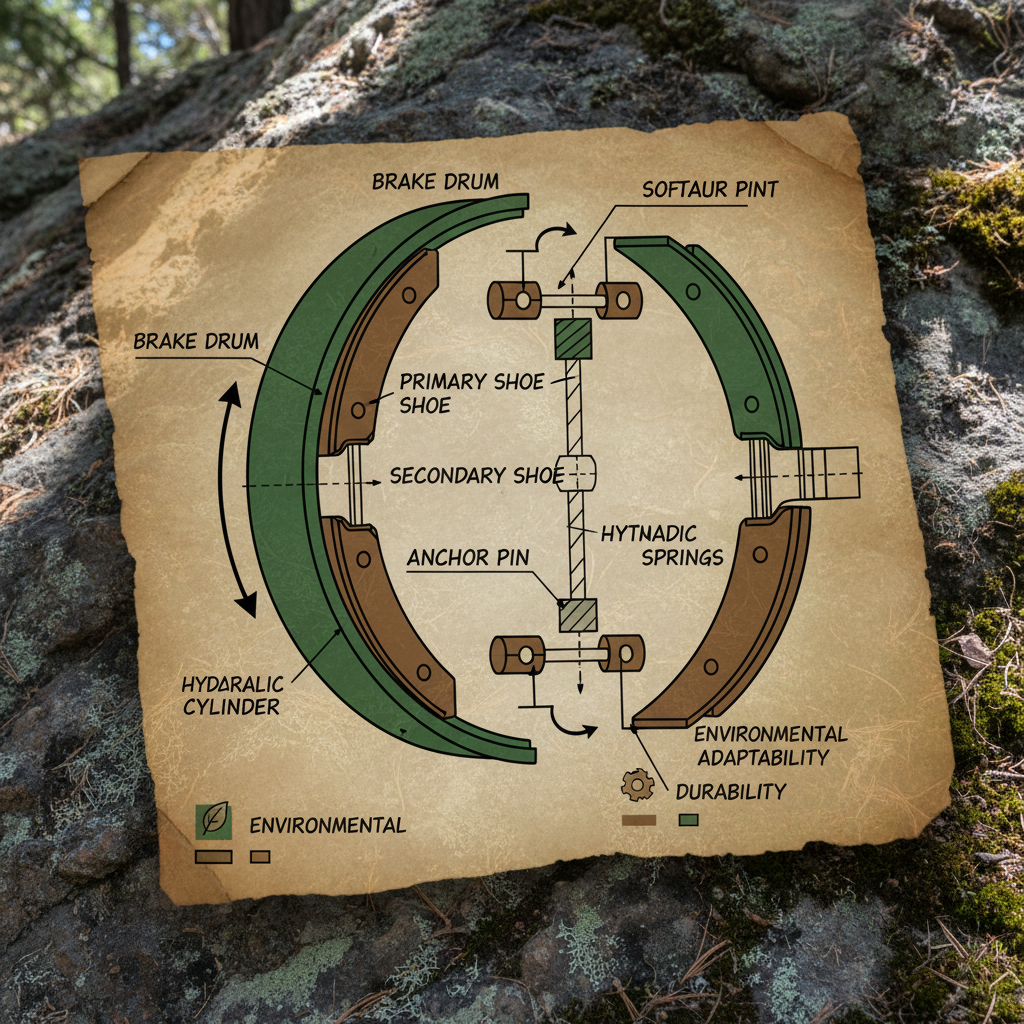
The 2983c brake drum is fundamentally a cylindrical component attached to a wheel, against which brake shoes or pads are pressed to slow or stop a vehicle or machine. It's the interface where kinetic energy is converted into thermal energy through friction. What separates the 2983c designation is its specific dimensional characteristics and material composition optimized for high-load applications. It's not just about stopping the equipment, it’s about stopping it reliably and repeatedly, even under extreme conditions. We’ve pulled apart enough failed drums to know that a seemingly insignificant difference in material science or manufacturing process can mean the difference between a long service life and a costly repair.
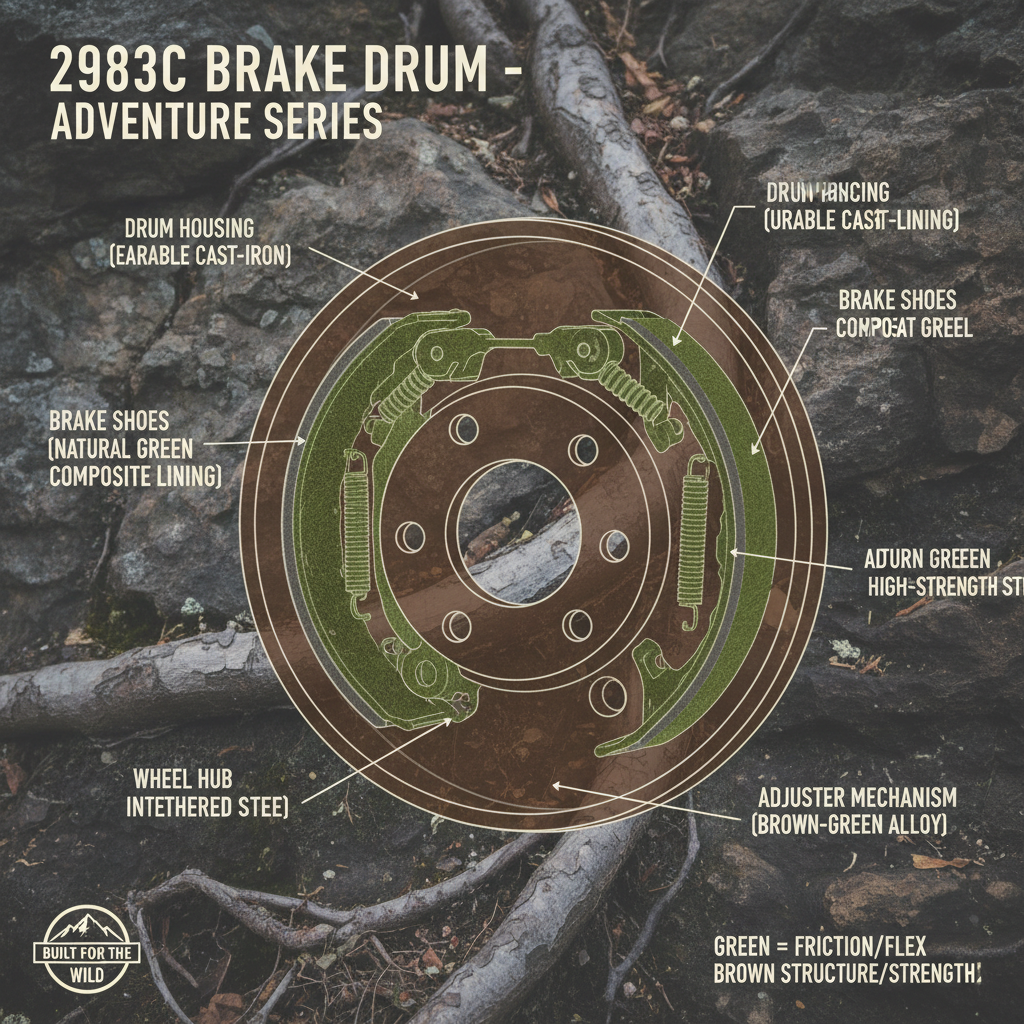
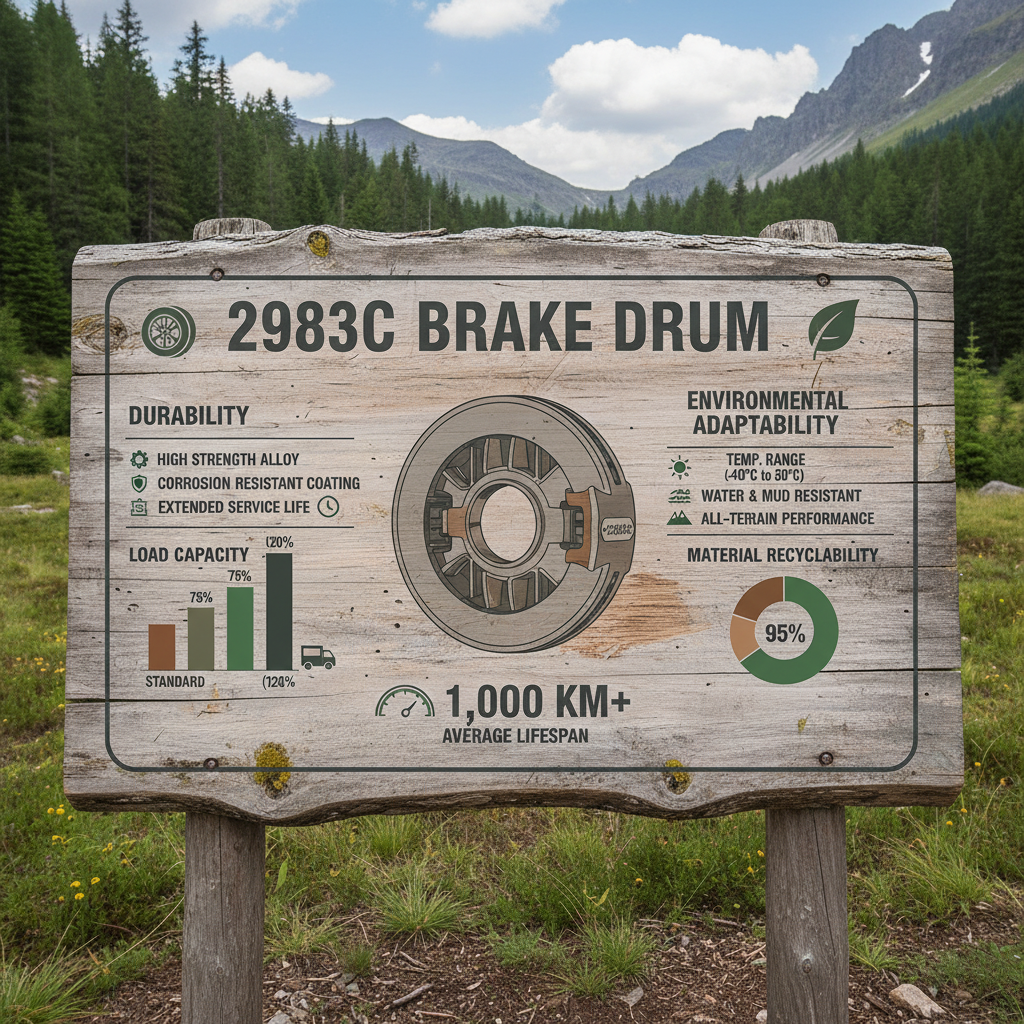
The 2983c brake drum isn’t confined to a single industry. We see it everywhere, from massive haul trucks in open-pit mines to the workhorses of agriculture. Its reliability directly impacts global supply chains, construction timelines, and agricultural output. The ISO 9001 standards for quality management, widely adopted by brake drum manufacturers, underscore the critical need for consistent performance and safety. What we’ve observed on site is a clear correlation between consistent quality in the 2983c drum and reduced overall maintenance downtime.
Investing in a high-quality 2983c brake drum minimizes risks associated with equipment failure, enhancing operational efficiency and contributing to a safer working environment. We've seen too many instances where cost-cutting on components like brake drums resulted in significantly higher repair bills down the line and potential safety hazards. It’s a false economy, plain and simple.
The lifespan of a 2983c brake drum in heavy-duty trucking can vary significantly depending on factors like load weight, driving conditions, and maintenance practices. However, a well-maintained drum typically lasts between 12 and 18 months. We consistently see that using higher-grade materials and ensuring proper lubrication can extend this lifespan considerably. Regular inspections for wear and tear are also critical.
Excessive temperature is a major enemy of brake drums. High temperatures can lead to brake fade – a reduction in braking power – and even warping or cracking of the drum. Materials with higher thermal conductivity and designs that promote heat dissipation are essential in mitigating this issue. We always recommend monitoring brake temperatures during demanding operations and ensuring adequate cooling.
Common signs of a failing 2983c brake drum include visible cracks, excessive wear, scoring or grooves on the braking surface, and unusual noises during braking. Decreased braking performance or a spongy brake pedal are also indicators. Ignoring these signs can compromise safety and lead to more costly repairs.
In many cases, yes. While composite drums typically have a higher upfront cost, their increased lifespan, improved heat dissipation, and lighter weight can result in significant long-term savings. They also often outperform cast iron drums in harsh environments. The return on investment depends on the specific application and operating conditions.
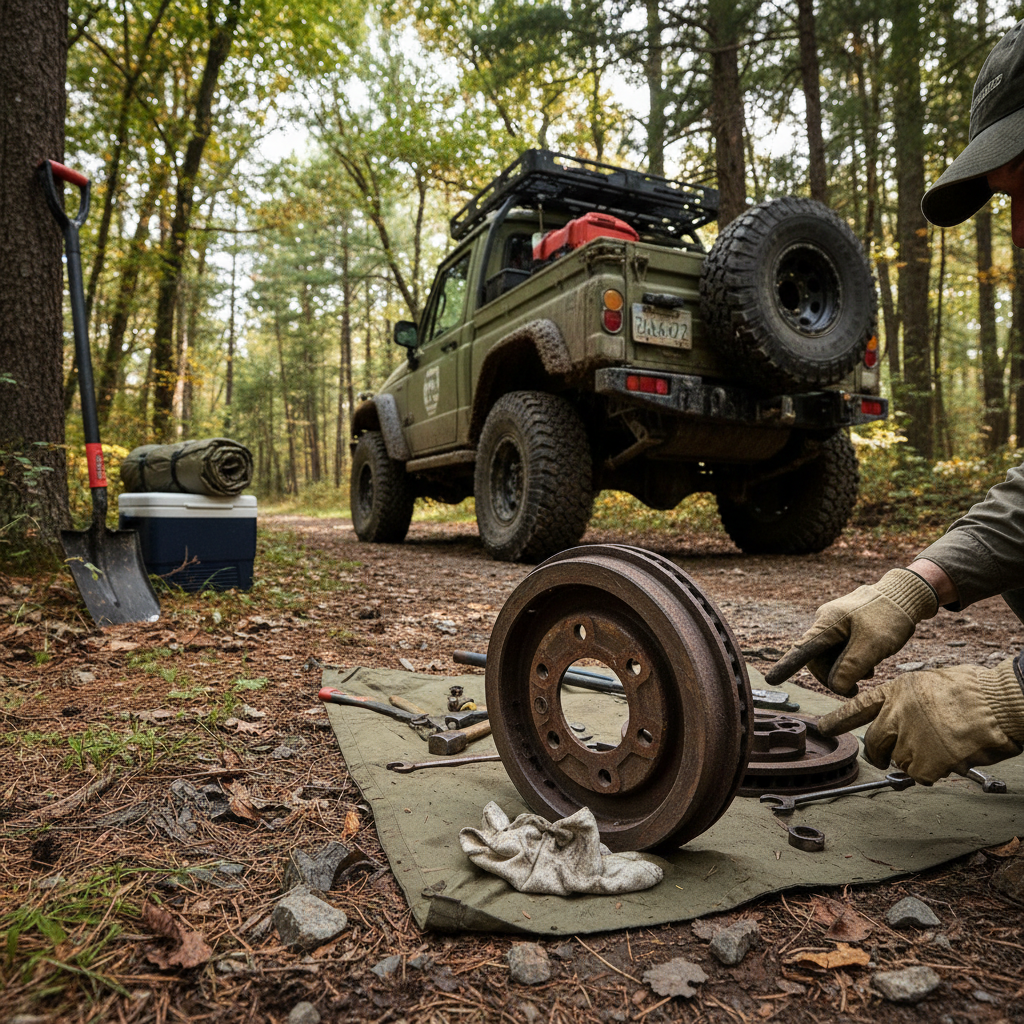
Regular inspections, proper lubrication, and timely replacement of worn brake shoes or pads are crucial for extending drum life. Also, ensuring proper brake adjustment and avoiding harsh braking habits can minimize wear and tear. Periodically cleaning the drums to remove dirt and debris is also essential.
Salt and humidity significantly accelerate corrosion in brake drums, particularly in cast iron models. Protective coatings, regular cleaning, and the use of corrosion inhibitors can help mitigate this issue. Composite drums are generally more resistant to corrosion. In coastal regions, frequent inspections and preventative maintenance are even more critical.
The 2983c brake drum remains a critical component in countless industries, underpinning safety, efficiency, and reliability. From its fundamental function of converting kinetic energy to heat, to the advancements in materials and manufacturing, understanding the nuances of this component is vital. Investing in quality, prioritizing proper maintenance, and embracing innovative technologies will ensure optimal performance and a positive return on investment.
Looking ahead, continued innovation in materials science, digital integration, and sustainable manufacturing practices will shape the future of brake drum technology. By staying informed and adopting best practices, we can maximize the lifespan and performance of the 2983c brake drum, contributing to a safer and more efficient world. For more information and to explore our range of 2983c brake drum solutions, visit our website: www.jkxyihang.com


 Afrikaans
 Albanian
 Amharic
 Arabic
 Armenian
 Azerbaijani
 Basque
 Belarusian
 Bengali
 Bosnian
 Bulgarian
 Catalan
 Cebuano
 Corsican
 Croatian
 Czech
Czech
 Danish
 Dutch
Dutch
 Esperanto
 Estonian
 Finnish
 French
 Frisian
 Galician
 Georgian
 German
 Greek
Greek
 Gujarati
 Haitian Creole
 Hausa
Hausa
 Hawaiian
 Hebrew
 Hindi
Hindi
 Miao
Miao
 Hungarian
 Icelandic
 Igbo
Igbo
 Indonesian
 Irish
Irish
 Italian
 Japanese
 Javanese
 Kannada
 Kazakh
 Khmer
Khmer
 Rwandese
 Korean
 Kurdish
 Kyrgyz
 Lao
Lao
 Latin
Latin
 Latvian
 Lithuanian
 Luxembourgish
 Macedonian
 Malgashi
 Malay
Malay
 Malayalam
 Maltese
 Maori
Maori
 Marathi
 Mongolian
 Myanmar
 Nepali
 Norwegian
 Norwegian
 Occitan
 Pashto
 Persian
 Polish
 Portuguese
 Punjabi
 Romanian
 Russian
 Samoan
 Scottish Gaelic
 Serbian
 Sesotho
 Shona
Shona
 Sindhi
 Sinhala
 Slovak
 Slovenian
 Somali
 Spanish
 Sundanese
 Swahili
 Swedish
 Tagalog
 Tajik
Tajik
 Tamil
Tamil
 Tatar
Tatar
 Telugu
 Thai
Thai
 Turkish
 Turkmen
 Ukrainian
 Urdu
Urdu
 Uighur
 Uzbek
Uzbek
 Vietnamese
 Welsh
Welsh
 Bantu
Bantu
 Yiddish
 Yoruba
 Zulu
Zulu
 English