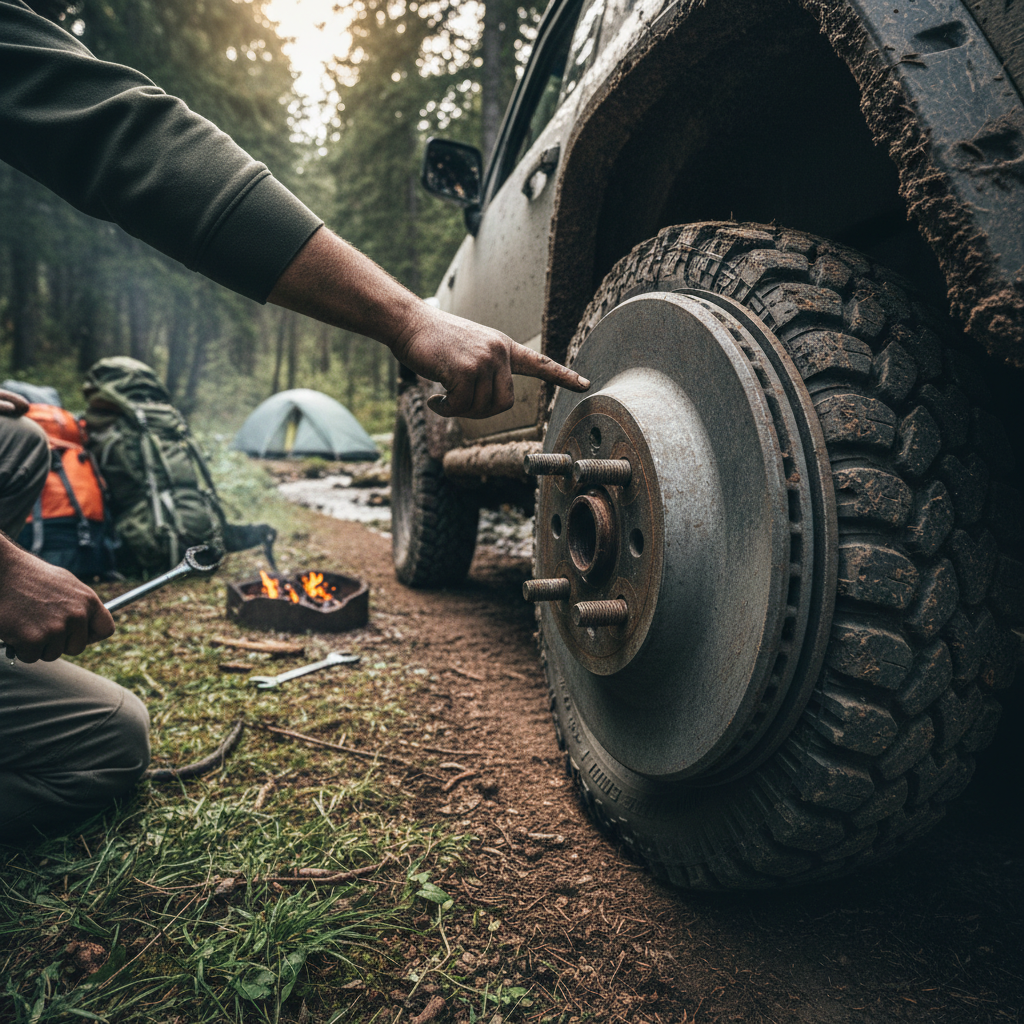
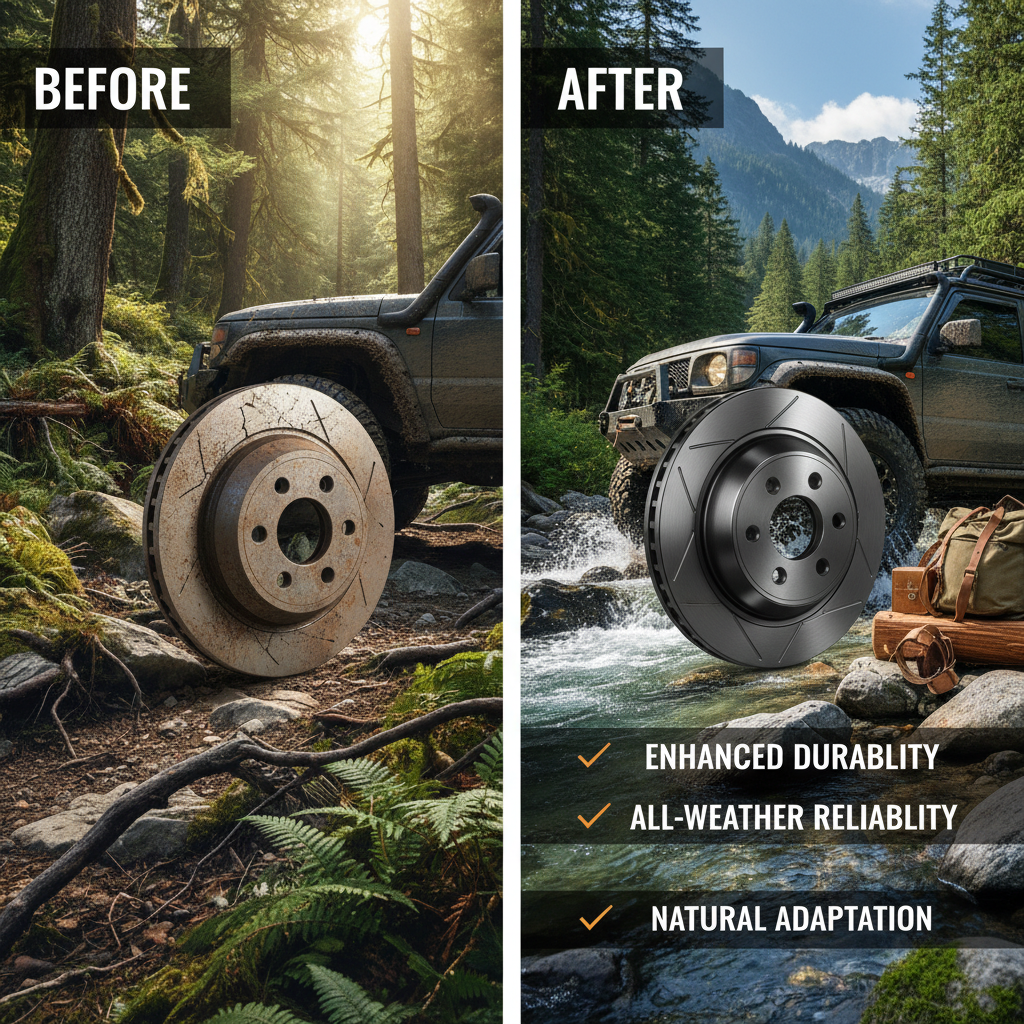
Rear brake shoes and drums are fundamental components of a vehicle’s braking system, responsible for slowing down and stopping the vehicle. They operate through friction, converting kinetic energy into thermal energy. Understanding their function, maintenance, and advancements is crucial for vehicle safety and performance, impacting drivers, mechanics, and the automotive industry globally. Effective braking systems, reliant on components like rear brake shoes and drums, are paramount in reducing accidents and ensuring road safety.
The global automotive industry is a multi-trillion-dollar market, and the demand for reliable braking systems, including rear brake shoes and drums, is constantly growing. According to Statista, the global automotive braking system market was valued at approximately $84.5 billion in 2023 and is projected to reach $103.2 billion by 2028. This growth is driven by increasing vehicle production, stricter safety regulations, and the adoption of advanced braking technologies. Issues like brake fade, wear and tear, and the need for optimized braking performance directly influence the demand for high-quality rear brake shoes and drums.
Addressing these challenges requires a deep understanding of materials science, manufacturing processes, and braking system dynamics. Improvements in rear brake shoes and drums contribute directly to reduced stopping distances, enhanced vehicle control, and ultimately, safer roads worldwide. The ongoing evolution of braking systems represents a significant area of innovation and investment within the automotive sector.

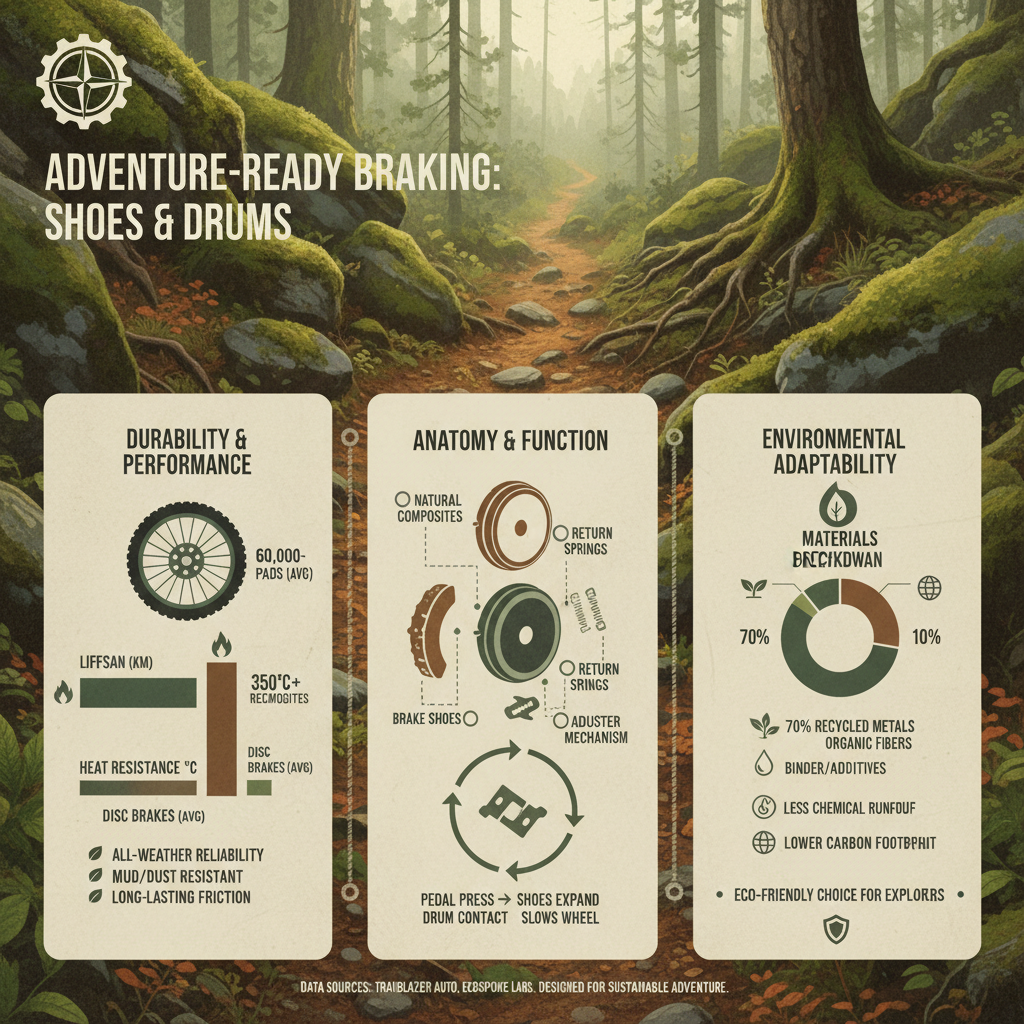
Rear brake shoes and drums are a vital part of a vehicle’s mechanical braking system, primarily used in drum brake assemblies. These components work in tandem to provide the necessary friction to slow or stop the vehicle when the brake pedal is engaged. The brake shoes, lined with friction material, are pressed outwards against the inner surface of the rotating drum, creating the stopping force.
Understanding the principles behind rear brake shoes and drums is essential for anyone involved in vehicle maintenance, repair, or operation. From passenger cars to heavy-duty trucks, these systems contribute significantly to overall vehicle safety. Proper inspection, maintenance, and timely replacement of these components are critical to ensuring optimal braking performance and preventing accidents.
The lifespan of rear brake shoes and drums varies depending on driving habits, vehicle type, and road conditions. Generally, brake shoes can last between 25,000 and 70,000 miles, while drums may last longer, up to 100,000 miles or more. Regular inspections are critical to determine wear and tear, as aggressive driving and heavy loads significantly shorten their lifespan. Ignoring wear can lead to reduced braking performance and costly repairs.
Several indicators suggest replacement is needed. These include squealing or grinding noises when braking, reduced braking performance, a soft or spongy brake pedal, visual inspection revealing worn friction material on the shoes (less than 1/8 inch), or scoring and damage on the drum’s inner surface. A qualified mechanic should always perform a thorough inspection to ensure accurate diagnosis.
While once commonplace on most vehicles, rear brake shoes and drums are now more frequently found on older cars, light-duty trucks, and some modern vehicles where cost is a primary factor. Disc brakes are generally preferred for higher-performance vehicles due to their superior heat dissipation and braking power. However, drum brakes remain a viable and cost-effective solution for many applications.
Organic brake shoes are made from non-metallic materials, offering quiet operation but less durability. Semi-metallic shoes provide a balance of performance and cost. Ceramic brake shoes offer excellent stopping power, low noise, and reduced dust, but are generally more expensive. The best choice depends on your driving style and vehicle requirements.
Regular brake maintenance is crucial for safety and longevity. This includes inspecting brake shoes and drums for wear, lubricating moving parts, adjusting brake shoe clearance, and ensuring proper hydraulic pressure. Neglecting maintenance can lead to decreased braking performance, increased wear and tear, and potentially dangerous situations.
Replacing rear brake shoes and drums requires mechanical knowledge and experience. Incorrect installation can compromise braking performance and safety. While some mechanically inclined individuals may attempt this repair, it's generally recommended to have a qualified mechanic perform the work to ensure proper installation and function. It’s also important to understand local regulations concerning brake repairs.
Rear brake shoes and drums, despite facing competition from disc brake technologies, remain an essential component of many braking systems worldwide. Their cost-effectiveness, simplicity, and reliable performance continue to make them a practical choice for a wide range of vehicles. Understanding their functionality, limitations, and the importance of regular maintenance is paramount for ensuring vehicle safety and extending their service life.
As automotive technology evolves, continued innovation in friction materials, drum designs, and integration with electronic braking systems will further enhance the performance and sustainability of rear brake shoes and drums. For more information on high-quality rear brake shoes and drums and related braking system components, visit our website: www.jkxyihang.com.

 Afrikaans
 Albanian
 Amharic
 Arabic
 Armenian
 Azerbaijani
 Basque
 Belarusian
 Bengali
 Bosnian
 Bulgarian
 Catalan
 Cebuano
 Corsican
 Croatian
 Czech
Czech
 Danish
 Dutch
Dutch
 Esperanto
 Estonian
 Finnish
 French
 Frisian
 Galician
 Georgian
 German
 Greek
Greek
 Gujarati
 Haitian Creole
 Hausa
Hausa
 Hawaiian
 Hebrew
 Hindi
Hindi
 Miao
Miao
 Hungarian
 Icelandic
 Igbo
Igbo
 Indonesian
 Irish
Irish
 Italian
 Japanese
 Javanese
 Kannada
 Kazakh
 Khmer
Khmer
 Rwandese
 Korean
 Kurdish
 Kyrgyz
 Lao
Lao
 Latin
Latin
 Latvian
 Lithuanian
 Luxembourgish
 Macedonian
 Malgashi
 Malay
Malay
 Malayalam
 Maltese
 Maori
Maori
 Marathi
 Mongolian
 Myanmar
 Nepali
 Norwegian
 Norwegian
 Occitan
 Pashto
 Persian
 Polish
 Portuguese
 Punjabi
 Romanian
 Russian
 Samoan
 Scottish Gaelic
 Serbian
 Sesotho
 Shona
Shona
 Sindhi
 Sinhala
 Slovak
 Slovenian
 Somali
 Spanish
 Sundanese
 Swahili
 Swedish
 Tagalog
 Tajik
Tajik
 Tamil
Tamil
 Tatar
Tatar
 Telugu
 Thai
Thai
 Turkish
 Turkmen
 Ukrainian
 Urdu
Urdu
 Uighur
 Uzbek
Uzbek
 Vietnamese
 Welsh
Welsh
 Bantu
Bantu
 Yiddish
 Yoruba
 Zulu
Zulu
 English