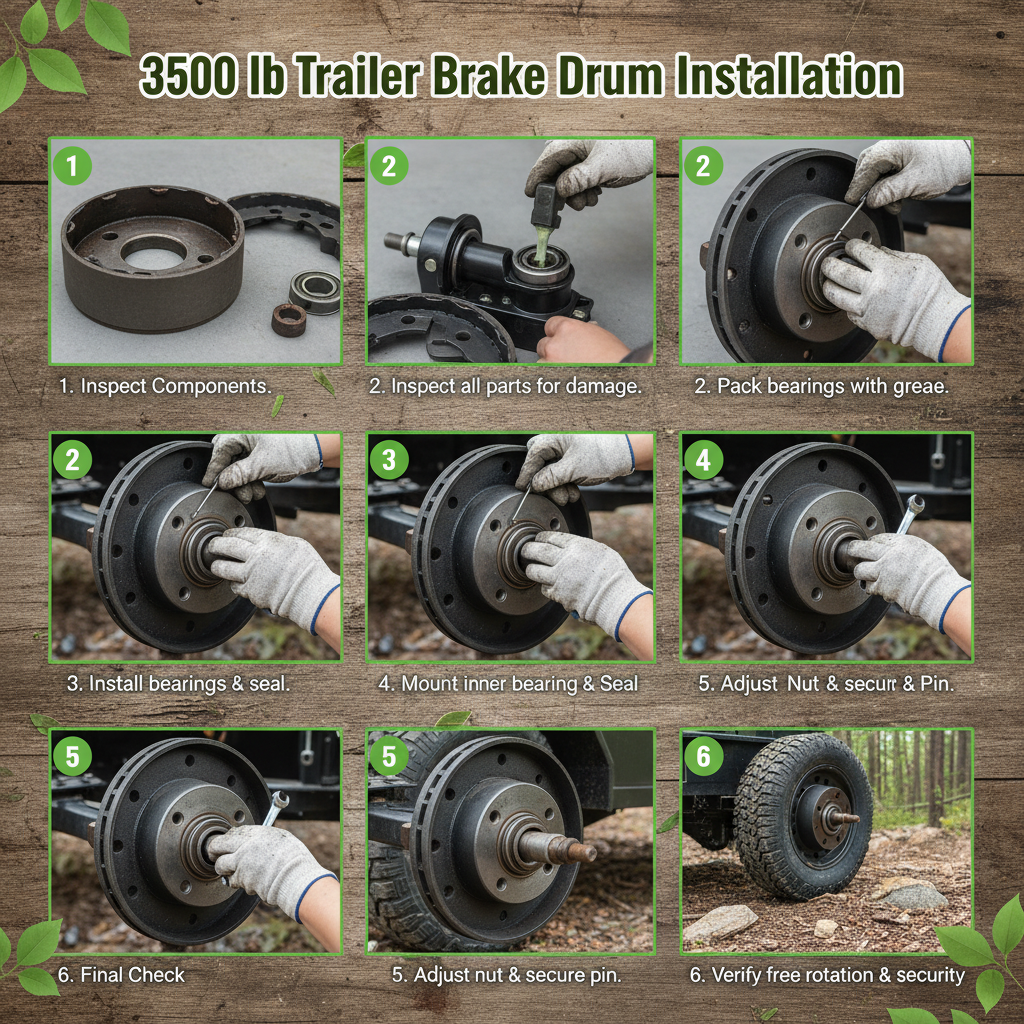
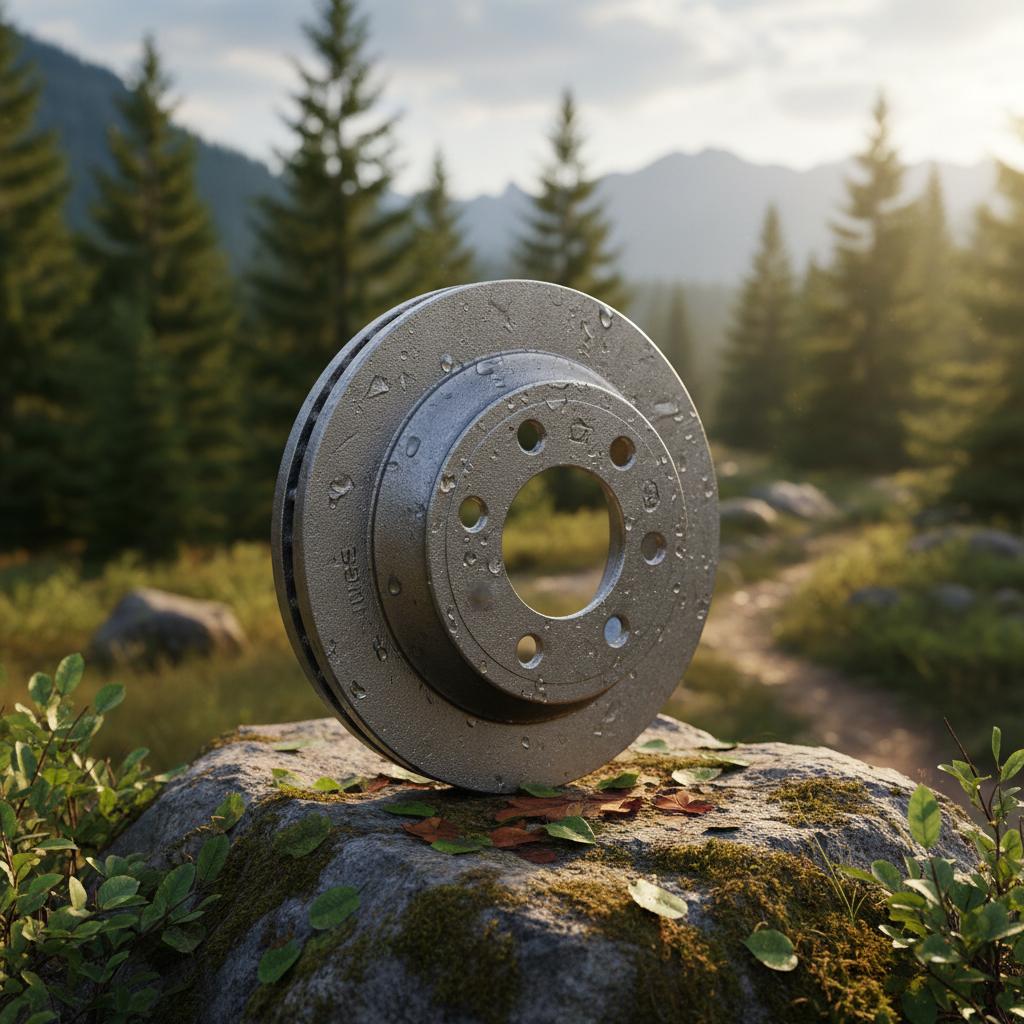
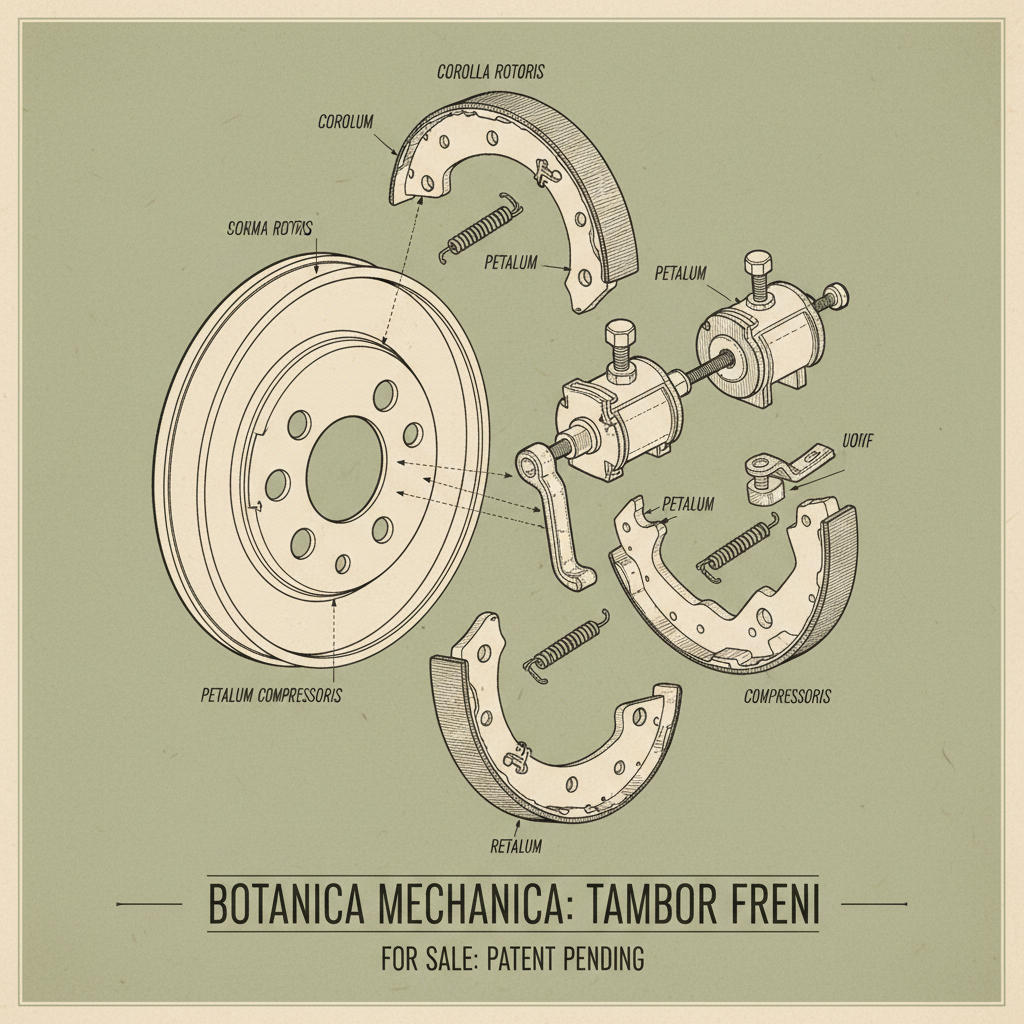
The tractor trailer brake drum is a critical component in ensuring the safe operation of commercial vehicles. These drums, along with their associated linings, are responsible for stopping these massive machines, often weighing tens of thousands of pounds. A failure in the braking system can lead to catastrophic accidents, highlighting the importance of understanding their design, maintenance, and performance characteristics. Regular inspection and timely replacement of worn brake drums are paramount for driver safety and compliance with transportation regulations.
The global demand for tractor trailer brake drums is directly linked to the health of the freight industry. With the increasing reliance on trucking for goods transport, the need for reliable braking systems continues to grow. According to the American Trucking Associations, over 70% of freight in the US is moved by trucks, demonstrating the scale of the industry and the subsequent demand for brake components. This demand extends globally, impacting manufacturers and suppliers across the supply chain.
Understanding tractor trailer brake drum technology is not simply about mechanics; it’s about safety, economics, and environmental impact. Efficient braking systems reduce stopping distances, minimizing the risk of accidents and associated costs. Properly maintained brakes also contribute to fuel efficiency by preventing dragging, further reducing operating expenses and emissions.
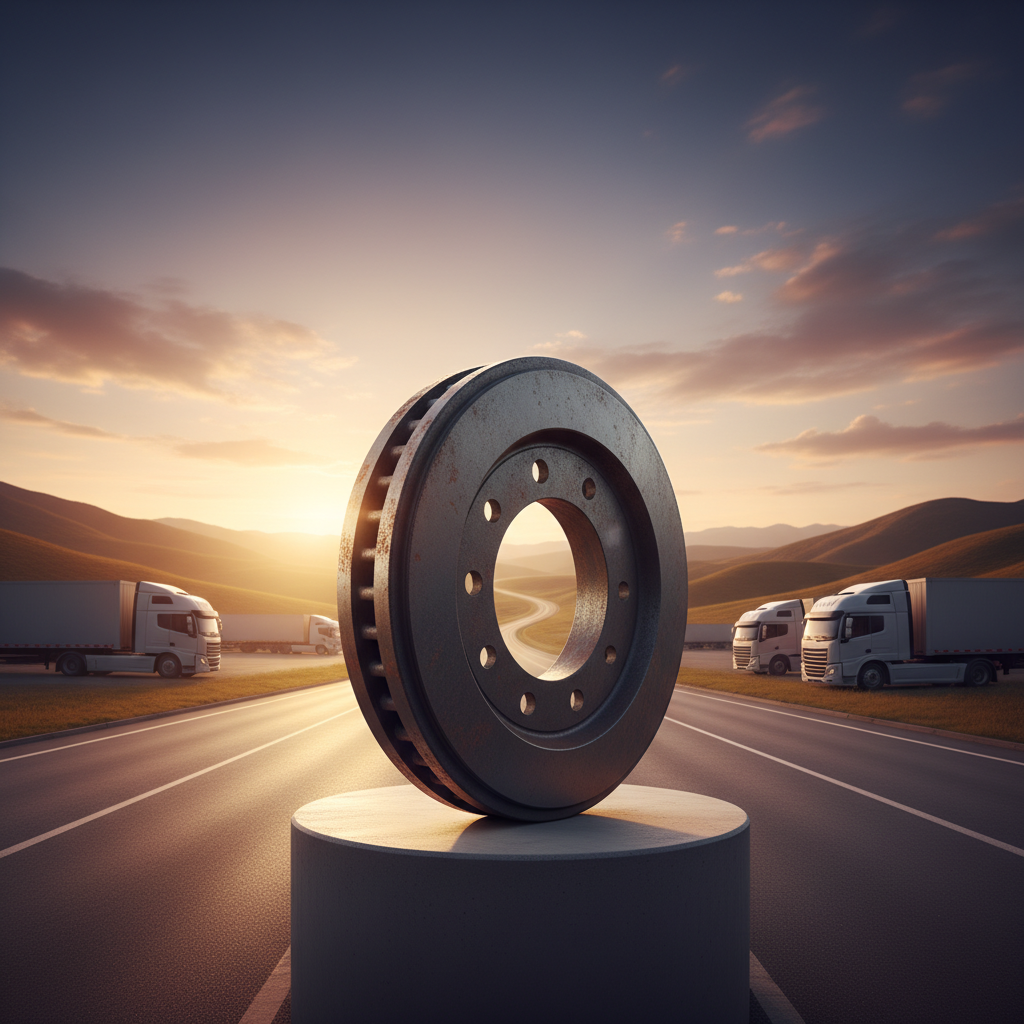
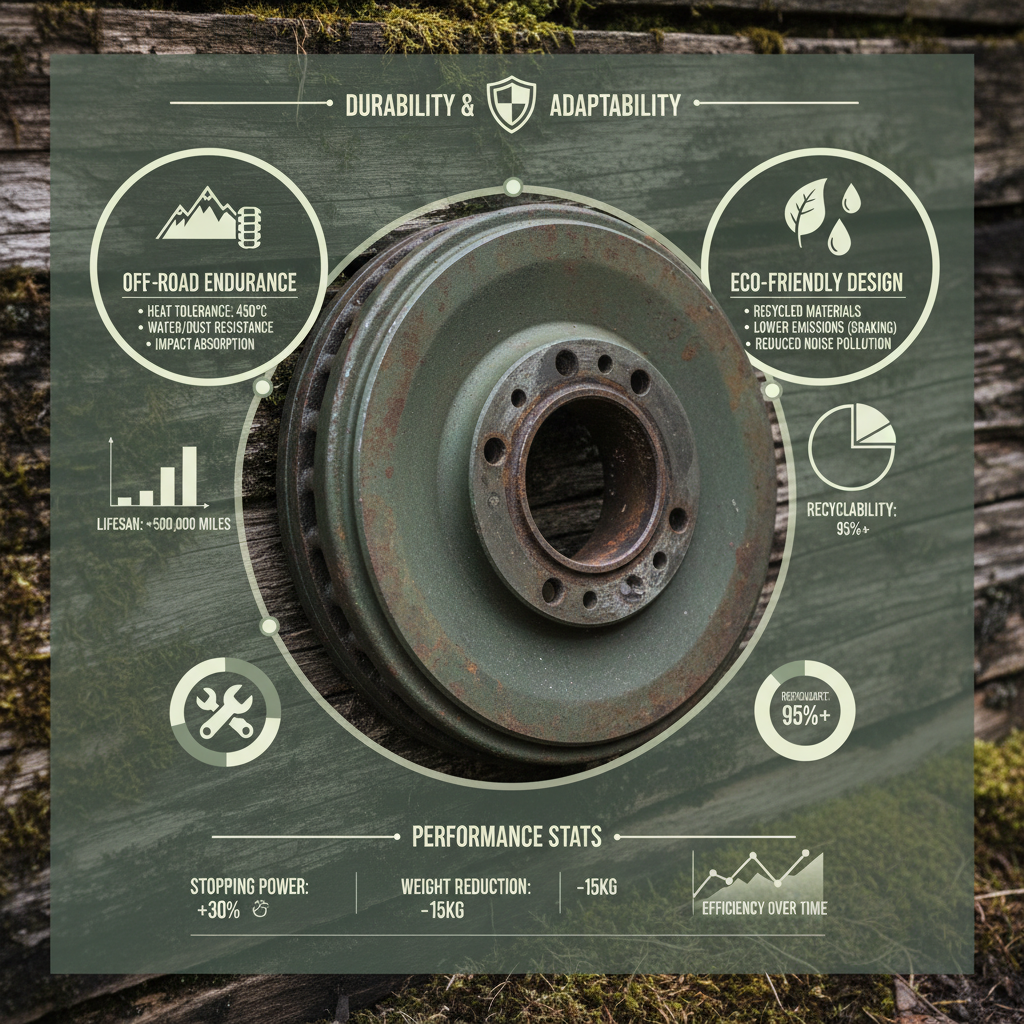
A tractor trailer brake drum is a cylindrical component designed to house the brake shoes and provide a surface against which those shoes press to create friction, slowing or stopping the vehicle. These drums are typically made of cast iron due to its heat dissipation capabilities and wear resistance. Understanding the materials, manufacturing processes, and inspection criteria for these drums is crucial for maintaining a safe and efficient transportation system.
Modern tractor trailer brake drums have evolved significantly from earlier designs. Innovations in materials, such as improved cast iron alloys and composite materials, aim to increase durability, reduce weight, and enhance braking performance. The ongoing development of advanced braking systems, including anti-lock braking systems (ABS) and electronic braking systems (EBS), is also influencing the design and functionality of brake drums.
Brake drums should be inspected during every vehicle maintenance check, as mandated by DOT regulations. This includes visual inspections for cracks, wear, and damage. A thorough inspection also involves measuring drum thickness to ensure it meets minimum specifications. Regular inspections are crucial for identifying potential problems before they lead to failures and compromise safety. Following manufacturer’s recommendations, coupled with regulatory requirements, ensures optimal braking performance and driver safety.
The lifespan of a tractor trailer brake drum varies depending on driving conditions, load weight, and maintenance practices. Generally, a well-maintained drum can last between 200,000 to 500,000 miles. However, severe duty applications, such as frequent braking in mountainous terrain or hauling heavy loads, may require replacement sooner. Monitoring drum thickness and looking for signs of wear or damage are key to determining when replacement is necessary.
Several indicators suggest a brake drum may be failing. These include noticeable vibrations during braking, a grinding or squealing noise, excessive brake dust, and visible cracks or heat checking on the drum surface. Reduced braking efficiency and increased stopping distances are also warning signs. If any of these symptoms are present, it’s crucial to have the braking system inspected immediately.
Yes, tractor trailer brake drums come in several types, including cast iron drums, composite drums, and nodular iron drums. Cast iron is the most common and cost-effective option. Composite drums offer reduced weight but are more expensive. Nodular iron drums provide increased strength and durability. The choice of drum type depends on the specific application and budget constraints.
Drum material significantly impacts braking performance. Cast iron offers excellent heat dissipation, but can be susceptible to cracking. Composite materials offer lighter weight, but may have lower heat capacity. Nodular iron provides superior strength and resistance to cracking, but is more expensive. The material’s ability to withstand high temperatures and friction is key to ensuring consistent braking performance.
Heat checking refers to the network of small cracks that appear on the surface of a brake drum due to repeated heating and cooling cycles. While minor heat checking is often considered normal, extensive cracking can weaken the drum and compromise its structural integrity. If heat checking is severe, the drum should be replaced to prevent potential failure. Proper brake adjustment and avoiding harsh braking can help minimize heat checking.
In conclusion, the tractor trailer brake drum remains a vital component of commercial vehicle safety and efficiency. Understanding its function, key characteristics, and potential failure modes is critical for fleet managers, drivers, and maintenance professionals. Investing in high-quality brake drums and implementing a robust maintenance program are essential for minimizing downtime, reducing costs, and ensuring the safe transportation of goods.
Looking ahead, innovations in materials and braking technology promise to further enhance the performance and reliability of tractor trailer brake drums. As the transportation industry evolves, continued attention to brake system maintenance and the adoption of advanced technologies will be crucial for maintaining safety and optimizing operational efficiency. For more information on tractor trailer brake drums and related products, visit our website: www.jkxyihang.com

 Afrikaans
 Albanian
 Amharic
 Arabic
 Armenian
 Azerbaijani
 Basque
 Belarusian
 Bengali
 Bosnian
 Bulgarian
 Catalan
 Cebuano
 Corsican
 Croatian
 Czech
Czech
 Danish
 Dutch
Dutch
 Esperanto
 Estonian
 Finnish
 French
 Frisian
 Galician
 Georgian
 German
 Greek
Greek
 Gujarati
 Haitian Creole
 Hausa
Hausa
 Hawaiian
 Hebrew
 Hindi
Hindi
 Miao
Miao
 Hungarian
 Icelandic
 Igbo
Igbo
 Indonesian
 Irish
Irish
 Italian
 Japanese
 Javanese
 Kannada
 Kazakh
 Khmer
Khmer
 Rwandese
 Korean
 Kurdish
 Kyrgyz
 Lao
Lao
 Latin
Latin
 Latvian
 Lithuanian
 Luxembourgish
 Macedonian
 Malgashi
 Malay
Malay
 Malayalam
 Maltese
 Maori
Maori
 Marathi
 Mongolian
 Myanmar
 Nepali
 Norwegian
 Norwegian
 Occitan
 Pashto
 Persian
 Polish
 Portuguese
 Punjabi
 Romanian
 Russian
 Samoan
 Scottish Gaelic
 Serbian
 Sesotho
 Shona
Shona
 Sindhi
 Sinhala
 Slovak
 Slovenian
 Somali
 Spanish
 Sundanese
 Swahili
 Swedish
 Tagalog
 Tajik
Tajik
 Tamil
Tamil
 Tatar
Tatar
 Telugu
 Thai
Thai
 Turkish
 Turkmen
 Ukrainian
 Urdu
Urdu
 Uighur
 Uzbek
Uzbek
 Vietnamese
 Welsh
Welsh
 Bantu
Bantu
 Yiddish
 Yoruba
 Zulu
Zulu
 English