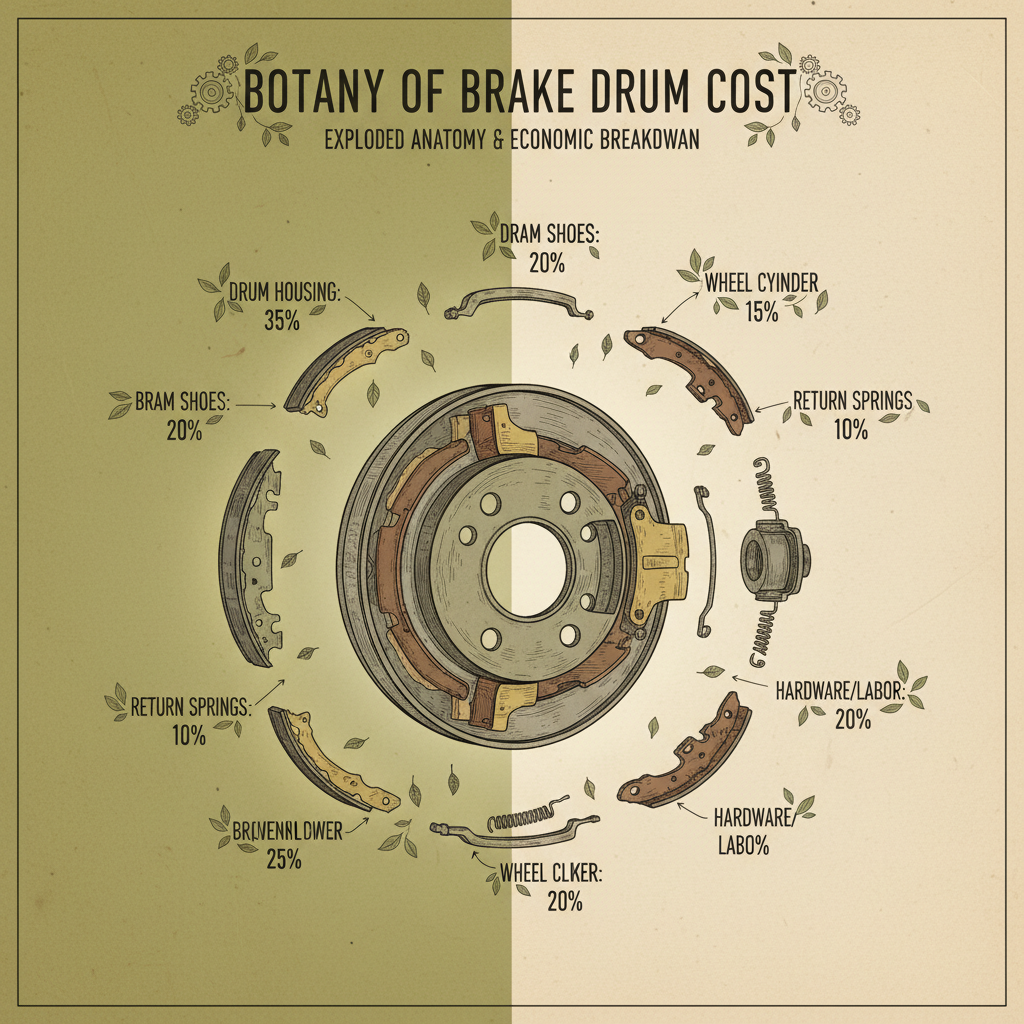
The vehicle components brake drum, a critical safety element in any vehicle, plays a fundamental role in decelerating or stopping a vehicle’s rotation. Its significance extends beyond personal transportation, impacting commercial logistics, public safety fleets, and even specialized industrial applications. Understanding the nuances of brake drum design, materials, and performance is crucial for engineers, technicians, and anyone involved in vehicle maintenance and safety regulations.
Globally, the demand for efficient and reliable braking systems is consistently high, driven by increasing vehicle production and stringent safety standards. The automotive industry, a major economic driver worldwide, relies heavily on consistent supply and innovation in components like the brake drum. The United Nations Economic Commission for Europe (UNECE) sets crucial regulations for vehicle safety, influencing brake drum specifications in many countries. Furthermore, the growth of electric vehicles presents new challenges and opportunities for brake drum technology, requiring adaptations for regenerative braking and weight reduction.
At its core, a vehicle components brake drum is a hollow cylindrical component attached to a wheel hub. It works in conjunction with brake shoes or pads to create friction when activated by the braking system, converting kinetic energy into thermal energy. This process effectively slows down or stops the vehicle's rotation. Modern brake drums are constructed from various materials, including cast iron, composite materials, and even carbon ceramic, each offering distinct advantages regarding heat dissipation, weight, and durability.


Understanding vehicle components brake drum is vital for ensuring vehicle safety and optimizing performance. The brake drum's efficacy directly impacts a vehicle’s ability to stop quickly and reliably, a critical factor in preventing accidents. Continued advancements in materials and design are focused on improving heat dissipation, reducing weight, and enhancing overall durability, all crucial aspects of modern braking systems.
The evolution of the vehicle components brake drum has paralleled advancements in automotive technology. From simple cast iron designs to sophisticated composite structures, the pursuit of improved braking performance has driven innovation. Modern brake drum design considers factors such as vehicle weight, speed, and intended use, leading to specialized solutions for different vehicle types and driving conditions.
The lifespan of a brake drum varies significantly depending on driving conditions, vehicle type, and maintenance practices. Generally, brake drums can last anywhere from 30,000 to 70,000 miles. Frequent heavy braking, driving in dusty or corrosive environments, and neglecting routine inspections can shorten the lifespan. Regular inspection for cracks, scoring, and wear is crucial.
Several signs indicate a brake drum may need replacing. These include squealing or grinding noises during braking, pulsating brake pedal, reduced braking effectiveness, visual cracks or scoring on the drum surface, and excessive drum runout (wobble). It's crucial to have a qualified mechanic inspect the brake system if you notice any of these symptoms.
The most common material for brake drums is cast iron due to its cost-effectiveness and good heat capacity. However, composite materials (combinations of metal and ceramic) are increasingly used for high-performance vehicles, offering lighter weight and improved heat dissipation. Carbon ceramic drums offer the highest performance but are significantly more expensive.
Yes, in many cases, brake drums can be resurfaced (turned) to remove minor scoring and restore a smooth braking surface. However, there is a limit to how much material can be removed during resurfacing, as it can weaken the drum. A mechanic will assess the drum's thickness and condition to determine if resurfacing is a viable option.
Yes, worn or damaged brake drums pose significant safety risks. Reduced braking effectiveness, increased stopping distances, and a higher risk of brake failure are all potential consequences. Cracks or structural weaknesses can lead to catastrophic drum failure, resulting in a loss of vehicle control. Regular maintenance and timely replacement of worn drums are essential for safety.
Environmental factors like road salt, moisture, and extreme temperatures can accelerate brake drum corrosion and wear. Salt promotes rust formation, reducing the drum’s structural integrity. Frequent exposure to moisture can lead to brake fade. Extreme heat can cause thermal stress and cracking. Regular cleaning and protective coatings can help mitigate these effects.
In conclusion, vehicle components brake drum are a foundational element of vehicle safety and performance. From their basic function of converting kinetic energy into thermal energy to their evolving designs incorporating advanced materials and smart technologies, they represent a constant area of innovation within the automotive industry. Understanding the key factors influencing brake drum performance – durability, heat dissipation, and wear resistance – is crucial for engineers, technicians, and vehicle owners alike.
Looking ahead, the integration of smart sensors, the development of lightweight materials, and the optimization of brake drums for electric vehicle applications will shape the future of this critical component. Prioritizing regular maintenance, utilizing high-quality components, and staying informed about advancements in brake drum technology are essential steps toward ensuring vehicle safety and maximizing the longevity of these vital systems. Visit our website at www.jkxyihang.com to learn more about our range of vehicle components and solutions.

 Afrikaans
 Albanian
 Amharic
 Arabic
 Armenian
 Azerbaijani
 Basque
 Belarusian
 Bengali
 Bosnian
 Bulgarian
 Catalan
 Cebuano
 Corsican
 Croatian
 Czech
Czech
 Danish
 Dutch
Dutch
 Esperanto
 Estonian
 Finnish
 French
 Frisian
 Galician
 Georgian
 German
 Greek
Greek
 Gujarati
 Haitian Creole
 Hausa
Hausa
 Hawaiian
 Hebrew
 Hindi
Hindi
 Miao
Miao
 Hungarian
 Icelandic
 Igbo
Igbo
 Indonesian
 Irish
Irish
 Italian
 Japanese
 Javanese
 Kannada
 Kazakh
 Khmer
Khmer
 Rwandese
 Korean
 Kurdish
 Kyrgyz
 Lao
Lao
 Latin
Latin
 Latvian
 Lithuanian
 Luxembourgish
 Macedonian
 Malgashi
 Malay
Malay
 Malayalam
 Maltese
 Maori
Maori
 Marathi
 Mongolian
 Myanmar
 Nepali
 Norwegian
 Norwegian
 Occitan
 Pashto
 Persian
 Polish
 Portuguese
 Punjabi
 Romanian
 Russian
 Samoan
 Scottish Gaelic
 Serbian
 Sesotho
 Shona
Shona
 Sindhi
 Sinhala
 Slovak
 Slovenian
 Somali
 Spanish
 Sundanese
 Swahili
 Swedish
 Tagalog
 Tajik
Tajik
 Tamil
Tamil
 Tatar
Tatar
 Telugu
 Thai
Thai
 Turkish
 Turkmen
 Ukrainian
 Urdu
Urdu
 Uighur
 Uzbek
Uzbek
 Vietnamese
 Welsh
Welsh
 Bantu
Bantu
 Yiddish
 Yoruba
 Zulu
Zulu
 English