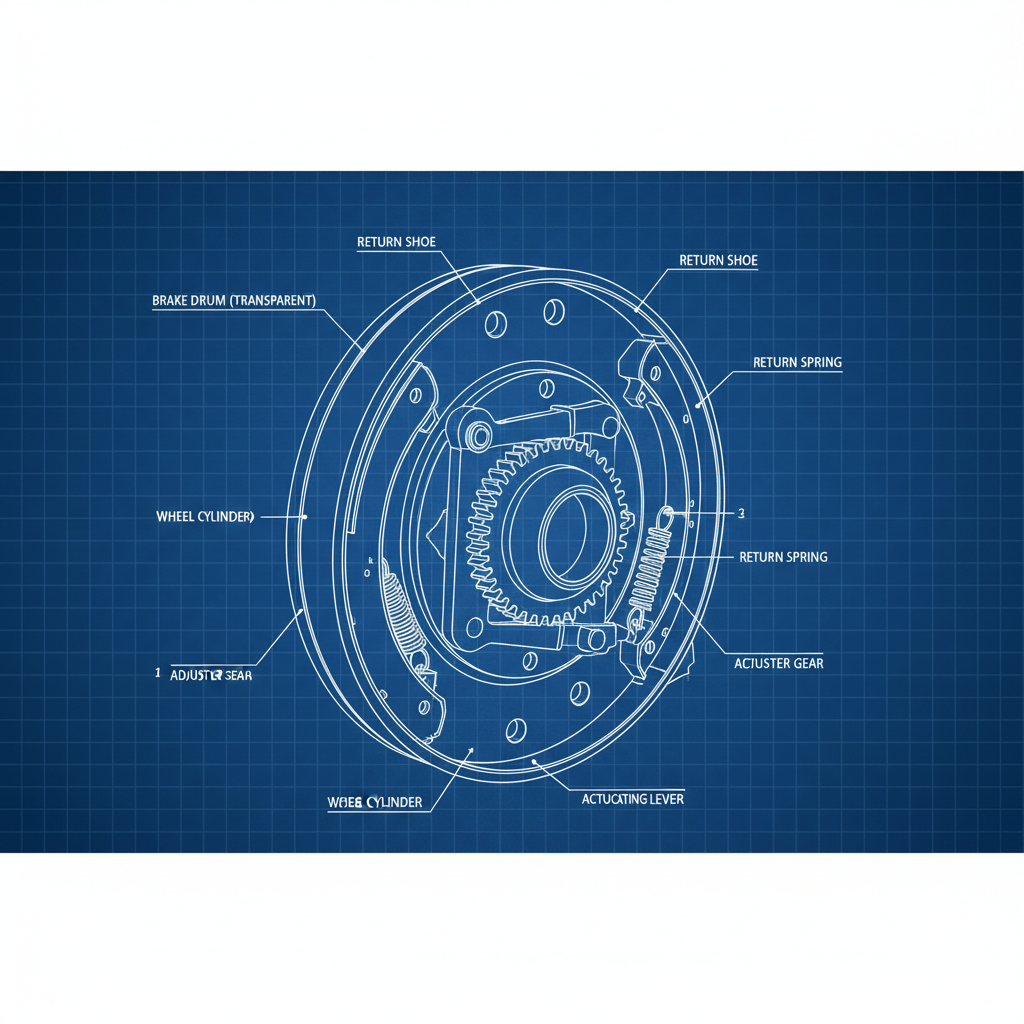
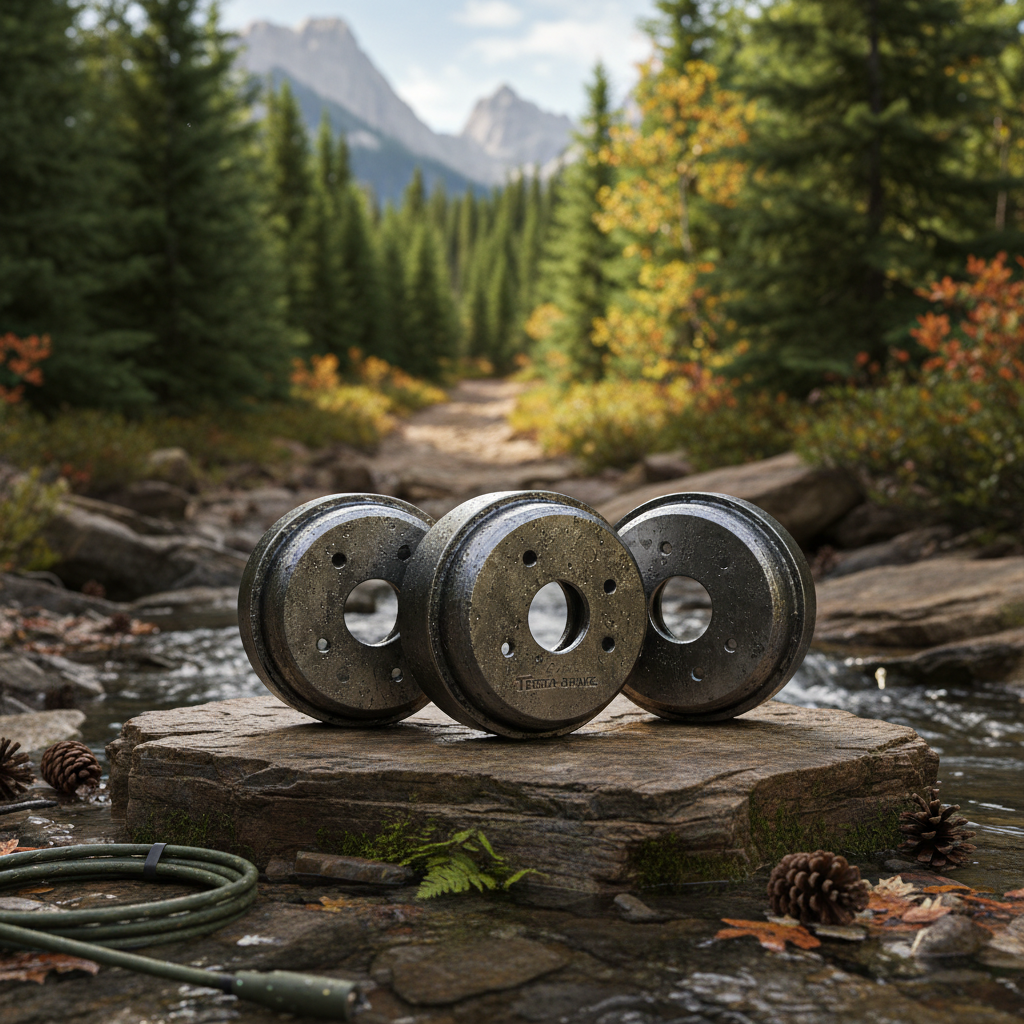
The wheel brake drum, a fundamental component of braking systems in vehicles and machinery, plays a critical role in ensuring safety and operational efficiency. Its primary function is to provide a surface for brake pads or shoes to create friction, converting kinetic energy into heat and slowing or stopping the rotation of a wheel. Understanding the design, materials, and performance characteristics of the wheel brake drum is essential for automotive engineers, maintenance personnel, and anyone involved in transportation safety. Properly maintained wheel brake drum systems are paramount for preventing accidents and ensuring reliable vehicle operation.
Globally, the demand for high-quality and durable wheel brake drums is consistently high, driven by the increasing number of vehicles on the road and stringent safety regulations. The automotive industry, a significant economic driver worldwide, relies heavily on the consistent production and supply of these crucial components. Furthermore, advancements in braking technology, such as anti-lock braking systems (ABS) and electronic stability control (ESC), have further increased the demand for precision-engineered wheel brake drums that can operate effectively within these complex systems.
The significance of the wheel brake drum extends beyond passenger vehicles, impacting commercial transportation, industrial machinery, and even railway systems. From heavy-duty trucks and buses to construction equipment and locomotives, the efficient and reliable operation of wheel brake drums is vital for maintaining safety and productivity across diverse sectors. Ensuring the longevity and optimal performance of these systems directly contributes to reduced downtime, lower maintenance costs, and enhanced overall operational efficiency.
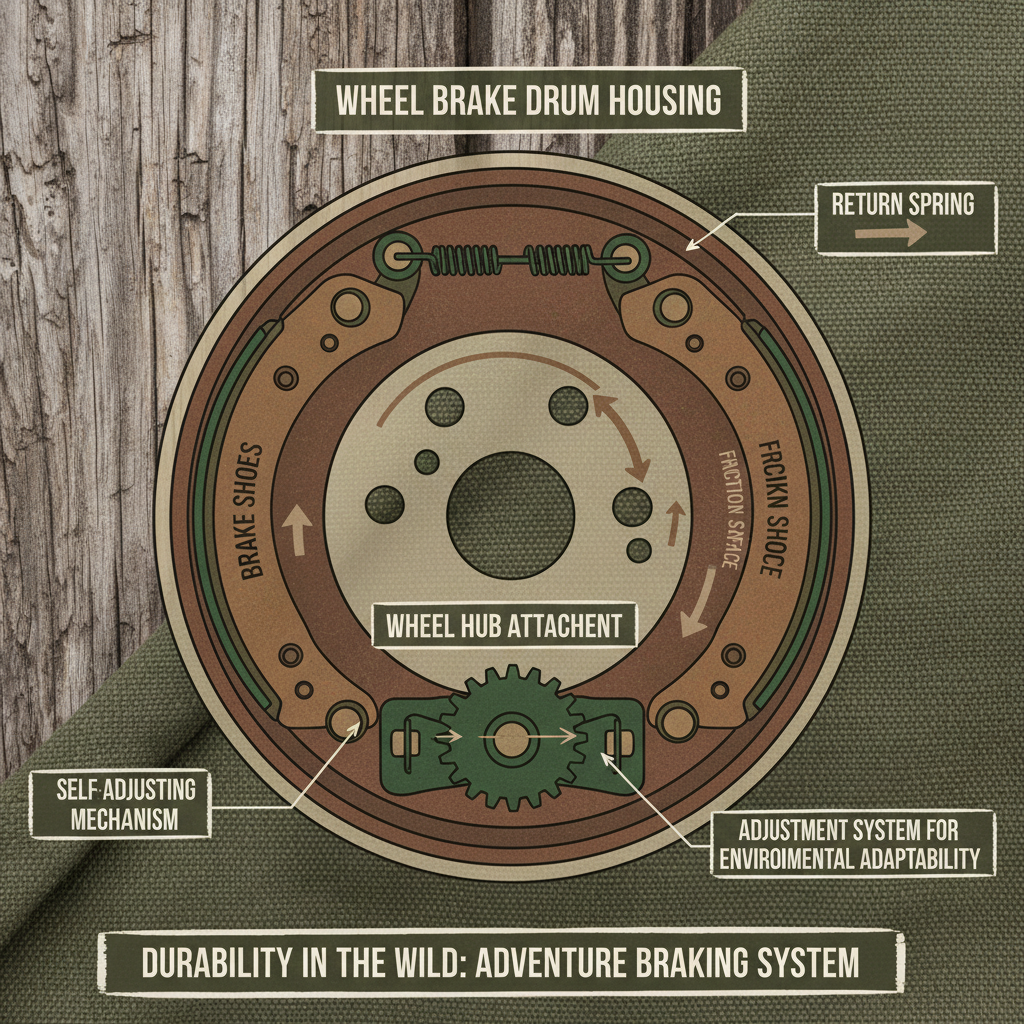

The core function of a wheel brake drum is to serve as the rotating component against which braking friction is applied. Traditionally constructed from cast iron due to its excellent heat dissipation properties and wear resistance, modern brake drums also utilize materials like aluminum alloys to reduce weight, particularly in performance vehicles. The drum’s design directly influences braking efficiency and heat management, crucial for sustained braking performance.
The interaction between the brake shoes/pads and the internal surface of the drum generates the necessary friction to decelerate or stop the vehicle. The shape, size, and surface finish of the drum all contribute to the overall braking effectiveness and longevity of the entire braking system. Effective heat dissipation is also paramount as excessive heat can lead to brake fade and reduced stopping power.
The lifespan of a wheel brake drum varies significantly based on driving conditions, vehicle type, and maintenance practices. Generally, a well-maintained brake drum can last between 50,000 to 100,000 miles. However, aggressive driving, heavy loads, and infrequent inspections can shorten this lifespan. Regular inspections for wear, cracks, and heat damage are essential for maximizing the durability of your wheel brake drum.
Several signs indicate the need for wheel brake drum replacement. These include excessive brake pedal travel, grinding noises during braking, pulsating sensations in the pedal, visible cracks or scoring on the drum surface, and significant thinning of the drum material. If you experience any of these symptoms, it’s crucial to have your braking system inspected by a qualified mechanic.
The most common material for wheel brake drums is cast iron, due to its excellent heat dissipation and wear resistance. However, aluminum alloys are also used, especially in performance vehicles, to reduce weight. More advanced materials like carbon-ceramic composites are emerging, offering even greater weight reduction and thermal performance, but at a higher cost.
Yes, in some cases, wheel brake drums can be resurfaced (also known as turned) to remove minor scoring and wear. However, there’s a minimum thickness specification for brake drums. If resurfacing would reduce the drum’s thickness below this limit, it must be replaced for safety reasons. A qualified mechanic can determine if resurfacing is a viable option.
Cooling fins significantly enhance heat dissipation from the brake drum. During braking, a substantial amount of heat is generated due to friction. The fins increase the surface area exposed to airflow, allowing for more efficient heat transfer to the surrounding air. This prevents brake fade, which is the loss of braking power due to overheating.
Regular inspections are key to maximizing the lifespan of your wheel brake drum. Visually check for cracks, scoring, and excessive wear. Ensure the brakes aren't dragging, which can cause unnecessary heat buildup. Keep the wheels properly aligned and avoid harsh braking whenever possible. Professional brake servicing at recommended intervals is also crucial.
In conclusion, the wheel brake drum remains a critical component of vehicle safety and operational efficiency, despite advancements in braking technologies. Understanding its function, key characteristics, and the factors influencing its performance is vital for engineers, mechanics, and vehicle owners alike. The ongoing evolution of materials, manufacturing techniques, and design innovations continues to enhance the reliability, durability, and performance of wheel brake drums.
Looking ahead, continued research and development focusing on lightweight materials, improved heat dissipation, and integration with intelligent braking systems will shape the future of wheel brake drum technology. Investing in quality brake drums and adhering to recommended maintenance practices will not only ensure optimal braking performance but also contribute to enhanced safety and reduced long-term costs. Visit our website at www.jkxyihang.com to learn more about our range of high-performance wheel brake drums and braking solutions.

 Afrikaans
 Albanian
 Amharic
 Arabic
 Armenian
 Azerbaijani
 Basque
 Belarusian
 Bengali
 Bosnian
 Bulgarian
 Catalan
 Cebuano
 Corsican
 Croatian
 Czech
Czech
 Danish
 Dutch
Dutch
 Esperanto
 Estonian
 Finnish
 French
 Frisian
 Galician
 Georgian
 German
 Greek
Greek
 Gujarati
 Haitian Creole
 Hausa
Hausa
 Hawaiian
 Hebrew
 Hindi
Hindi
 Miao
Miao
 Hungarian
 Icelandic
 Igbo
Igbo
 Indonesian
 Irish
Irish
 Italian
 Japanese
 Javanese
 Kannada
 Kazakh
 Khmer
Khmer
 Rwandese
 Korean
 Kurdish
 Kyrgyz
 Lao
Lao
 Latin
Latin
 Latvian
 Lithuanian
 Luxembourgish
 Macedonian
 Malgashi
 Malay
Malay
 Malayalam
 Maltese
 Maori
Maori
 Marathi
 Mongolian
 Myanmar
 Nepali
 Norwegian
 Norwegian
 Occitan
 Pashto
 Persian
 Polish
 Portuguese
 Punjabi
 Romanian
 Russian
 Samoan
 Scottish Gaelic
 Serbian
 Sesotho
 Shona
Shona
 Sindhi
 Sinhala
 Slovak
 Slovenian
 Somali
 Spanish
 Sundanese
 Swahili
 Swedish
 Tagalog
 Tajik
Tajik
 Tamil
Tamil
 Tatar
Tatar
 Telugu
 Thai
Thai
 Turkish
 Turkmen
 Ukrainian
 Urdu
Urdu
 Uighur
 Uzbek
Uzbek
 Vietnamese
 Welsh
Welsh
 Bantu
Bantu
 Yiddish
 Yoruba
 Zulu
Zulu
 English