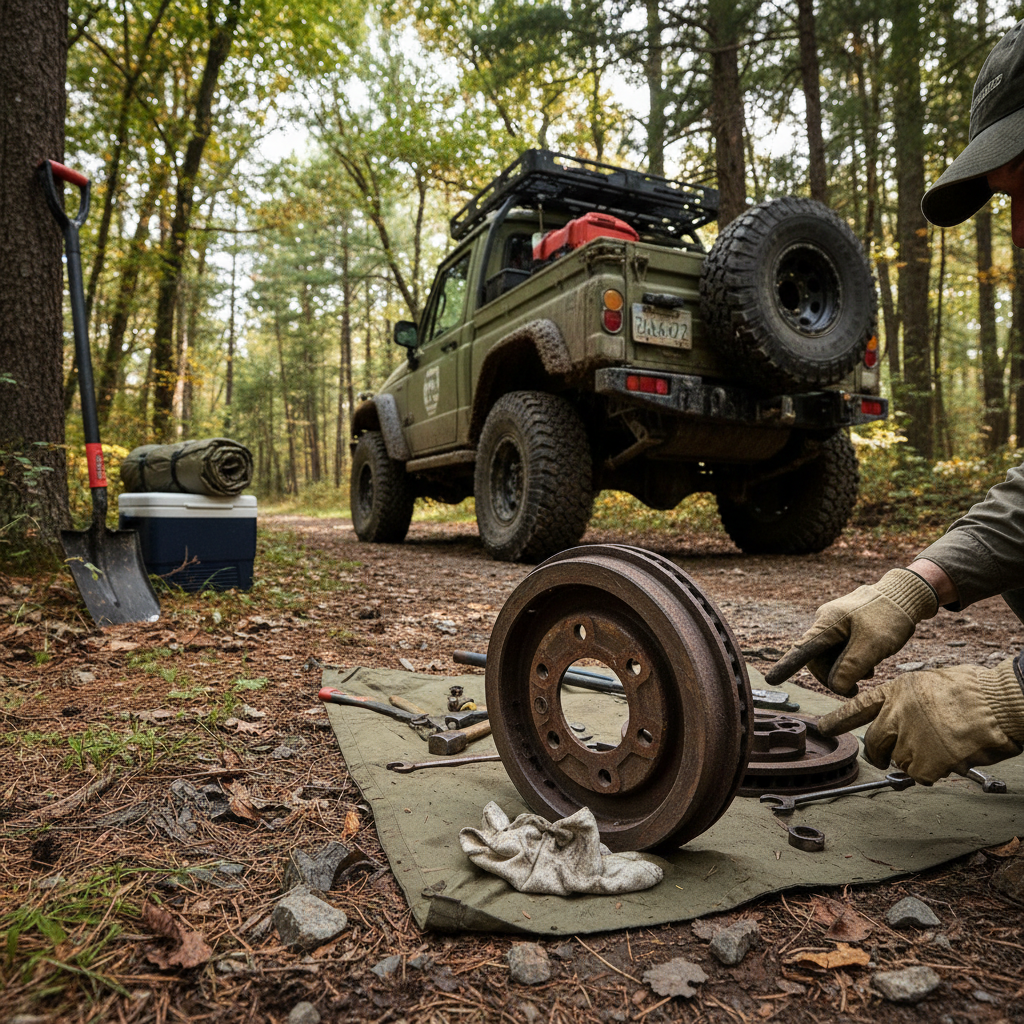
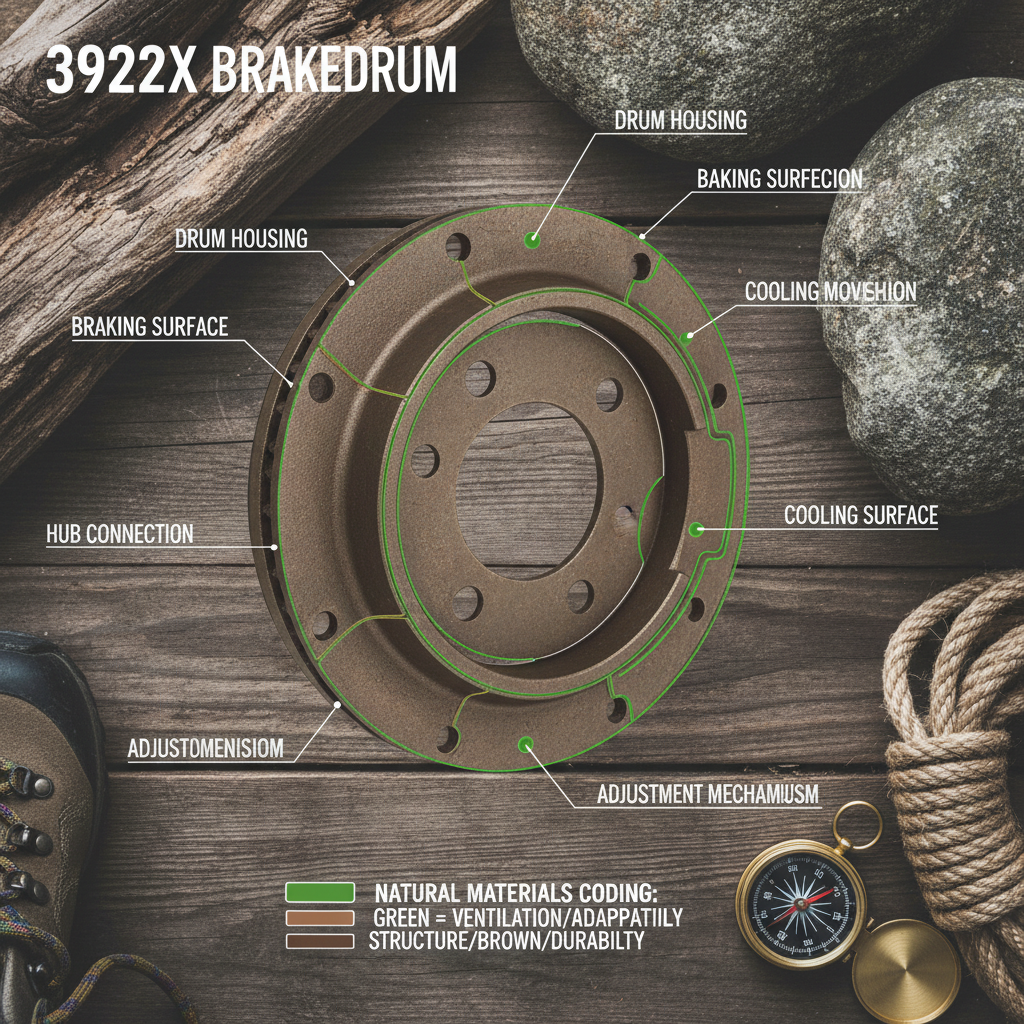
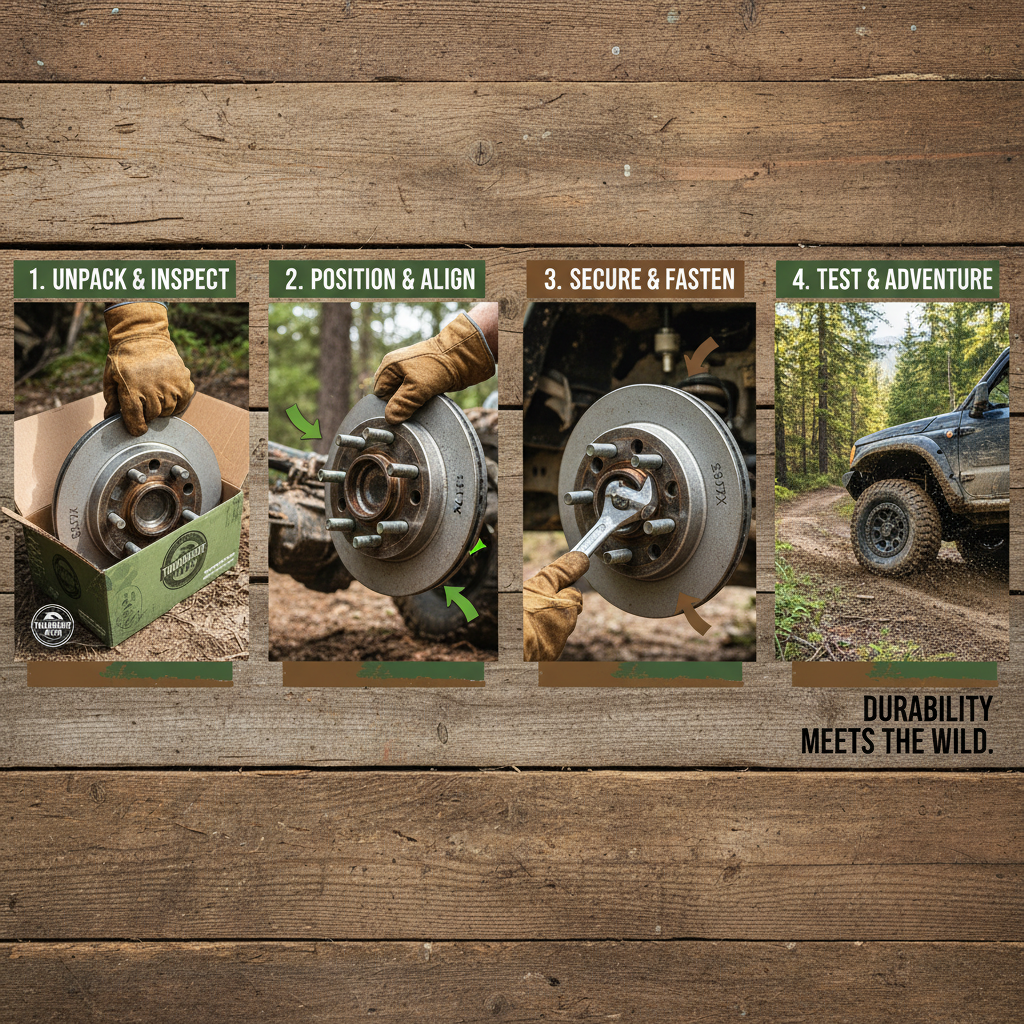
Drum brakes, a cornerstone of automotive and industrial braking systems, remain vitally important globally. Their enduring presence stems from a combination of reliability, cost-effectiveness, and simplicity. From passenger vehicles to heavy-duty trucks, and even in specialized industrial applications, drum brakes continue to provide essential stopping power. Understanding their principles, components, and evolution is crucial for engineers, mechanics, and anyone involved in vehicle maintenance and safety. Globally, the demand for reliable braking systems is constantly growing alongside increasing vehicle production and infrastructure development. This makes the knowledge surrounding drum brakes perpetually relevant.
The widespread use of drum brakes is also driven by their adaptability. They're found not only in modern vehicles but also in countless legacy systems that require continued support and maintenance. The ability to manufacture and repair these systems efficiently is essential, particularly in regions with limited access to advanced technologies. Furthermore, ongoing research focuses on improving drum brake performance through advancements in materials and design, extending their lifespan and enhancing their effectiveness.
Investing in expertise regarding drum brakes translates to safer roads, reduced maintenance costs, and increased efficiency across diverse sectors. The simplicity of their design doesn’t equate to a lack of sophistication; rather, it's a testament to enduring engineering principles that continue to deliver reliable performance in a vast range of applications.
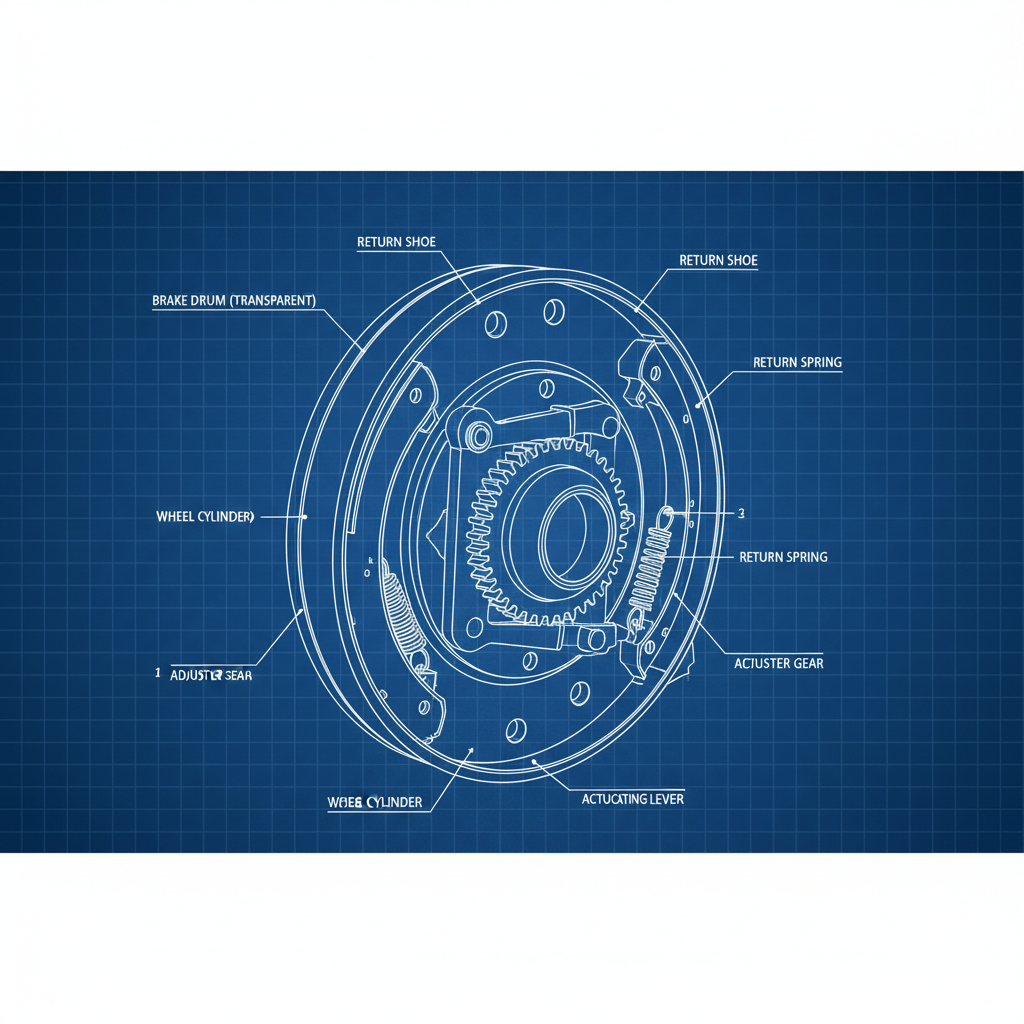
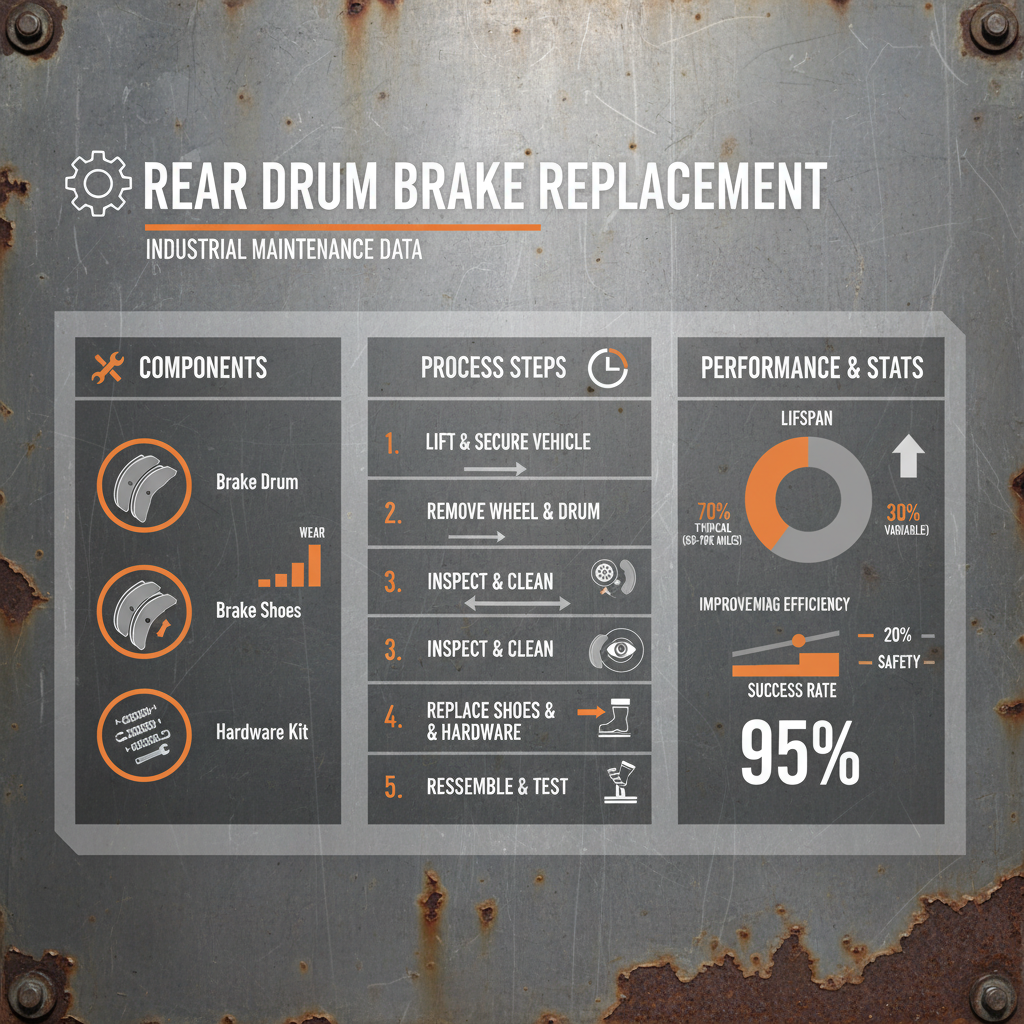
At its core, a drum brake utilizes friction to slow or stop a rotating wheel. This is achieved by pressing brake shoes against the inner surface of a rotating drum. The force applied to the brake pedal initiates a hydraulic or mechanical system that pushes these shoes outward.
The resulting friction converts kinetic energy into thermal energy, dissipating heat and ultimately reducing the vehicle's speed. Understanding this fundamental principle – converting motion into heat through friction – is key to understanding the design and operation of all drum brakes.
Drum brakes excel in situations demanding cost-effectiveness and self-energizing action. They’re also less prone to damage from road debris. This makes them suitable for rear axles of lighter vehicles, parking brakes, and applications where extreme braking performance isn’t the primary concern. Their simpler design translates to lower manufacturing and maintenance costs, making them a popular choice in various industries.
Drum brakes require regular inspection, ideally every 6,000-12,000 miles (9,600-19,300 km). Key areas to check include brake shoe wear, drum condition, and wheel cylinder leaks. Periodic adjustments are crucial to maintain optimal braking force. Neglecting maintenance can lead to reduced stopping power and potentially dangerous conditions, impacting overall safety.
Brake fade refers to the reduction in braking effectiveness due to overheating. Drum brakes are more susceptible to brake fade than disc brakes because their enclosed design hinders heat dissipation. When the drum and shoes overheat, the friction coefficient decreases, leading to a longer stopping distance and reduced control.
Generally, drum brakes aren't the ideal choice for high-performance vehicles. Their limited heat dissipation capacity and susceptibility to fade make them less effective under intense braking conditions. Disc brakes offer superior heat management and stopping power, making them the preferred option for vehicles prioritizing performance. However, some classic or specialized vehicles may still utilize drum brakes.
Common signs of worn-out drum brakes include squealing or grinding noises when braking, a spongy brake pedal, longer stopping distances, pulling to one side during braking, and a parking brake that doesn't hold effectively. These symptoms indicate a need for inspection and potential replacement of brake shoes or other components.
The self-energizing effect in drum brakes occurs because of the way the brake shoes are positioned relative to the drum's rotation. As the shoes contact the drum, a force is generated that tends to pull them more firmly against the drum surface. This amplified braking force improves stopping power. This feature is a key advantage of drum brake designs.
In conclusion, drum brakes remain a vital braking technology despite the prevalence of disc brakes. Their cost-effectiveness, simplicity, and self-energizing characteristics make them a valuable solution for a wide range of applications, from passenger vehicles to industrial machinery. Continuous improvements in materials and design are extending their lifespan and enhancing their performance, ensuring their continued relevance.
Looking ahead, further research into advanced friction materials, improved heat dissipation techniques, and electronic control systems will likely unlock new possibilities for drum brake technology. Investing in expertise surrounding drum brakes is essential for maintaining safe and efficient transportation systems globally. For more information and a comprehensive range of drum brakes solutions, visit our website today.

 Afrikaans
 Albanian
 Amharic
 Arabic
 Armenian
 Azerbaijani
 Basque
 Belarusian
 Bengali
 Bosnian
 Bulgarian
 Catalan
 Cebuano
 Corsican
 Croatian
 Czech
Czech
 Danish
 Dutch
Dutch
 Esperanto
 Estonian
 Finnish
 French
 Frisian
 Galician
 Georgian
 German
 Greek
Greek
 Gujarati
 Haitian Creole
 Hausa
Hausa
 Hawaiian
 Hebrew
 Hindi
Hindi
 Miao
Miao
 Hungarian
 Icelandic
 Igbo
Igbo
 Indonesian
 Irish
Irish
 Italian
 Japanese
 Javanese
 Kannada
 Kazakh
 Khmer
Khmer
 Rwandese
 Korean
 Kurdish
 Kyrgyz
 Lao
Lao
 Latin
Latin
 Latvian
 Lithuanian
 Luxembourgish
 Macedonian
 Malgashi
 Malay
Malay
 Malayalam
 Maltese
 Maori
Maori
 Marathi
 Mongolian
 Myanmar
 Nepali
 Norwegian
 Norwegian
 Occitan
 Pashto
 Persian
 Polish
 Portuguese
 Punjabi
 Romanian
 Russian
 Samoan
 Scottish Gaelic
 Serbian
 Sesotho
 Shona
Shona
 Sindhi
 Sinhala
 Slovak
 Slovenian
 Somali
 Spanish
 Sundanese
 Swahili
 Swedish
 Tagalog
 Tajik
Tajik
 Tamil
Tamil
 Tatar
Tatar
 Telugu
 Thai
Thai
 Turkish
 Turkmen
 Ukrainian
 Urdu
Urdu
 Uighur
 Uzbek
Uzbek
 Vietnamese
 Welsh
Welsh
 Bantu
Bantu
 Yiddish
 Yoruba
 Zulu
Zulu
 English