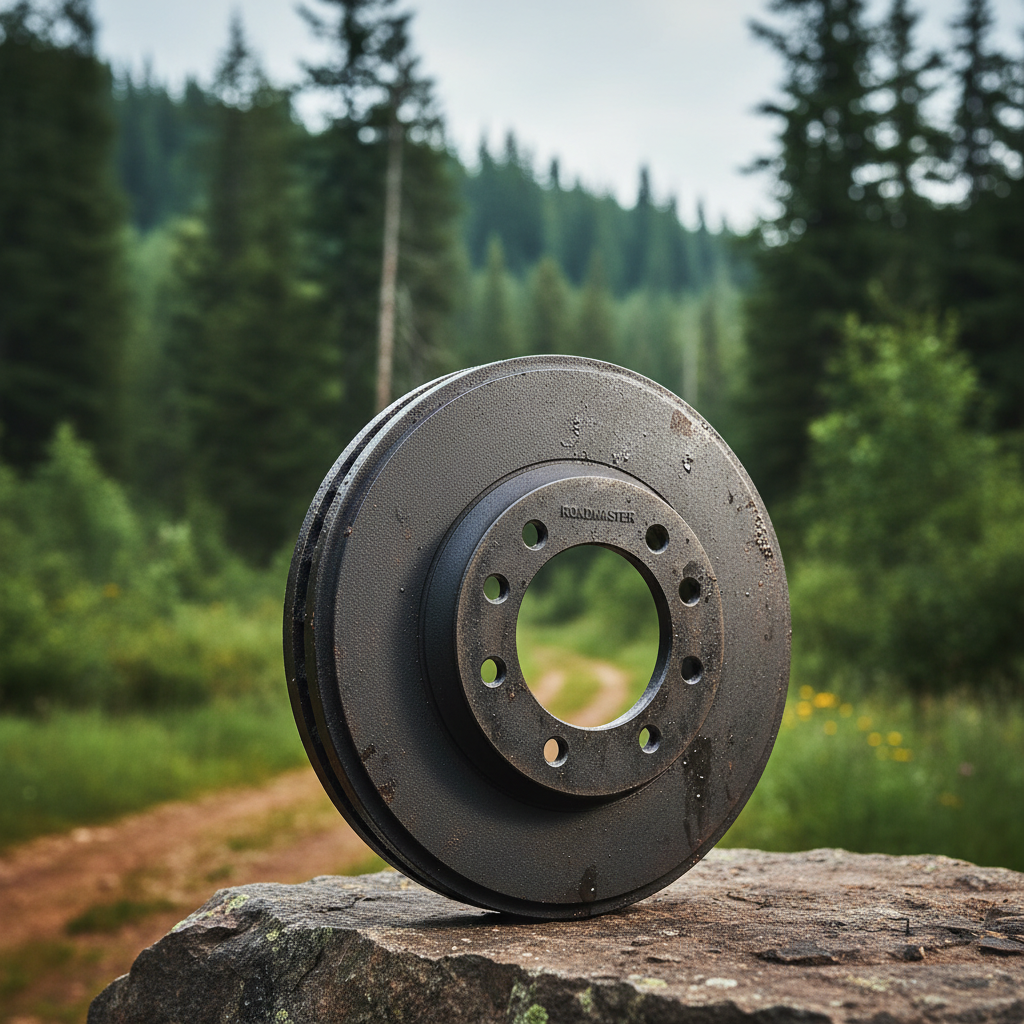
In the demanding world of heavy-duty machinery and industrial transport, the reliability of braking systems is non-negotiable. The 3573x brake drum stands as a critical component designed to withstand extreme thermal stress and mechanical wear, ensuring that heavy loads can be brought to a controlled stop safely. Understanding the nuances of this specific drum model is essential for fleet managers and maintenance engineers who prioritize operational uptime and safety.
Globally, the demand for precision-engineered braking components has surged as infrastructure projects expand across Asia and Africa. The 3573x brake drum addresses the critical challenge of "brake fade"—the loss of stopping power due to heat buildup—by utilizing advanced metallurgical compositions that optimize heat dissipation. This makes it a cornerstone for industries where failure is not an option.
By integrating high-grade casting techniques and rigorous quality control, the 3573x brake drum provides a balance of longevity and performance. Whether utilized in mining, construction, or long-haul logistics, this component reduces the total cost of ownership by extending service intervals and enhancing the overall safety profile of the vehicle or machinery.


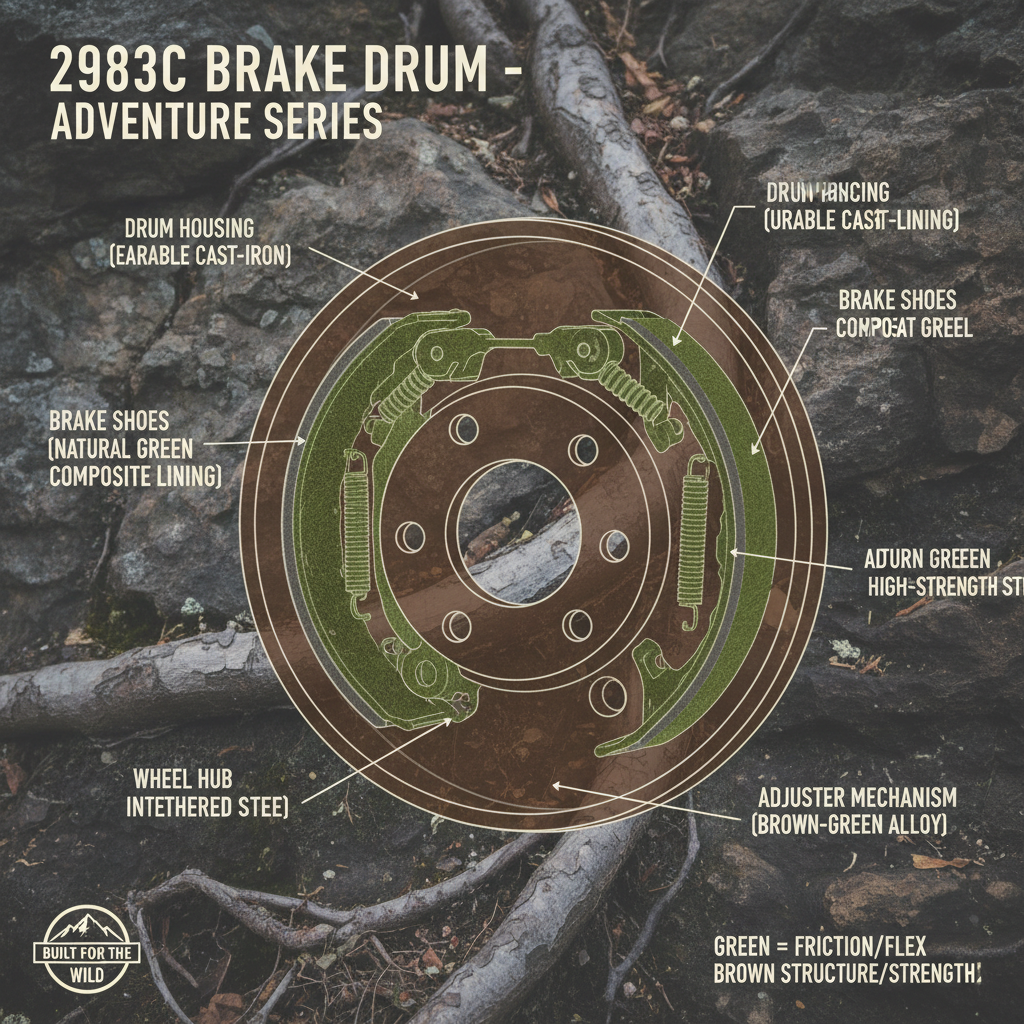
The design of the 3573x brake drum is a testament to modern metallurgical precision. Unlike standard drums, the 3573x variant is engineered with a specific internal geometry that maximizes the contact surface area between the brake shoes and the drum wall. This ensures a more uniform distribution of frictional force, which significantly reduces the risk of "hot spotting" and uneven wear.
Beyond the geometry, the structural integrity of the 3573x model is achieved through a controlled cooling process during casting. This prevents internal stresses and micro-cracks that often plague lower-quality components. By ensuring a consistent grain structure throughout the metal, the drum can withstand repeated cycles of intense heating and rapid cooling without compromising its dimensional stability.
The most common signs include audible grinding noises during braking, a pulsing sensation in the brake pedal (indicating ovalization), or visible heat cracks on the surface of the drum. If the inner diameter exceeds the maximum allowable wear limit specified in the Parts Brake Drum Catalogues, replacement of the 3573x brake drum is mandatory for safety.
The 3573x utilizes a high-carbon alloy and an optimized ribbing design that increases surface area for cooling. This allows it to dissipate thermal energy significantly faster than standard cast iron drums, reducing the risk of brake fade and preventing the metal from warping under heavy loads.
Yes, provided the wear is uniform and the remaining wall thickness stays above the minimum safety threshold. Professional machining can remove surface glazing and restore circularity, but it is crucial to ensure the drum is not "turned" too thin, as this would compromise its thermal mass and structural integrity.
While the 3573x is designed to meet global ISO standards, compatibility depends on the specific axle model and bolt pattern. We recommend consulting the Parts Brake Drum Catalogues or providing your vehicle's VIN to ensure a perfect fit and avoid installation delays.
In severe mining conditions, the lifespan varies based on load and braking frequency. However, due to its enhanced material composition, the 3573x typically lasts 30-50% longer than generic alternatives, provided that the braking system is properly lubricated and maintained.
Prevent premature wear by ensuring that brake shoes are adjusted correctly to avoid "dragging," which causes constant friction. Additionally, avoiding sudden, high-temperature shocks (like driving through deep water immediately after heavy braking) helps prevent thermal cracking of the 3573x surface.
The 3573x brake drum represents a critical intersection of material science and mechanical engineering, providing the reliability necessary for the world's most demanding industrial applications. From its superior thermal management and precise CNC tolerances to its alignment with global safety standards, the 3573x ensures that heavy-duty machinery can operate efficiently while prioritizing operator safety and reducing long-term maintenance costs.
As the industry moves toward smarter, more sustainable components, investing in high-quality parts like the 3573x brake drum is not just a matter of maintenance, but a strategic decision for operational excellence. We encourage fleet managers and engineers to prioritize certified components to ensure maximum uptime and safety. Visit our website for more technical specifications: www.jkxyihang.com

 Afrikaans
 Albanian
 Amharic
 Arabic
 Armenian
 Azerbaijani
 Basque
 Belarusian
 Bengali
 Bosnian
 Bulgarian
 Catalan
 Cebuano
 Corsican
 Croatian
 Czech
Czech
 Danish
 Dutch
Dutch
 Esperanto
 Estonian
 Finnish
 French
 Frisian
 Galician
 Georgian
 German
 Greek
Greek
 Gujarati
 Haitian Creole
 Hausa
Hausa
 Hawaiian
 Hebrew
 Hindi
Hindi
 Miao
Miao
 Hungarian
 Icelandic
 Igbo
Igbo
 Indonesian
 Irish
Irish
 Italian
 Japanese
 Javanese
 Kannada
 Kazakh
 Khmer
Khmer
 Rwandese
 Korean
 Kurdish
 Kyrgyz
 Lao
Lao
 Latin
Latin
 Latvian
 Lithuanian
 Luxembourgish
 Macedonian
 Malgashi
 Malay
Malay
 Malayalam
 Maltese
 Maori
Maori
 Marathi
 Mongolian
 Myanmar
 Nepali
 Norwegian
 Norwegian
 Occitan
 Pashto
 Persian
 Polish
 Portuguese
 Punjabi
 Romanian
 Russian
 Samoan
 Scottish Gaelic
 Serbian
 Sesotho
 Shona
Shona
 Sindhi
 Sinhala
 Slovak
 Slovenian
 Somali
 Spanish
 Sundanese
 Swahili
 Swedish
 Tagalog
 Tajik
Tajik
 Tamil
Tamil
 Tatar
Tatar
 Telugu
 Thai
Thai
 Turkish
 Turkmen
 Ukrainian
 Urdu
Urdu
 Uighur
 Uzbek
Uzbek
 Vietnamese
 Welsh
Welsh
 Bantu
Bantu
 Yiddish
 Yoruba
 Zulu
Zulu
 English