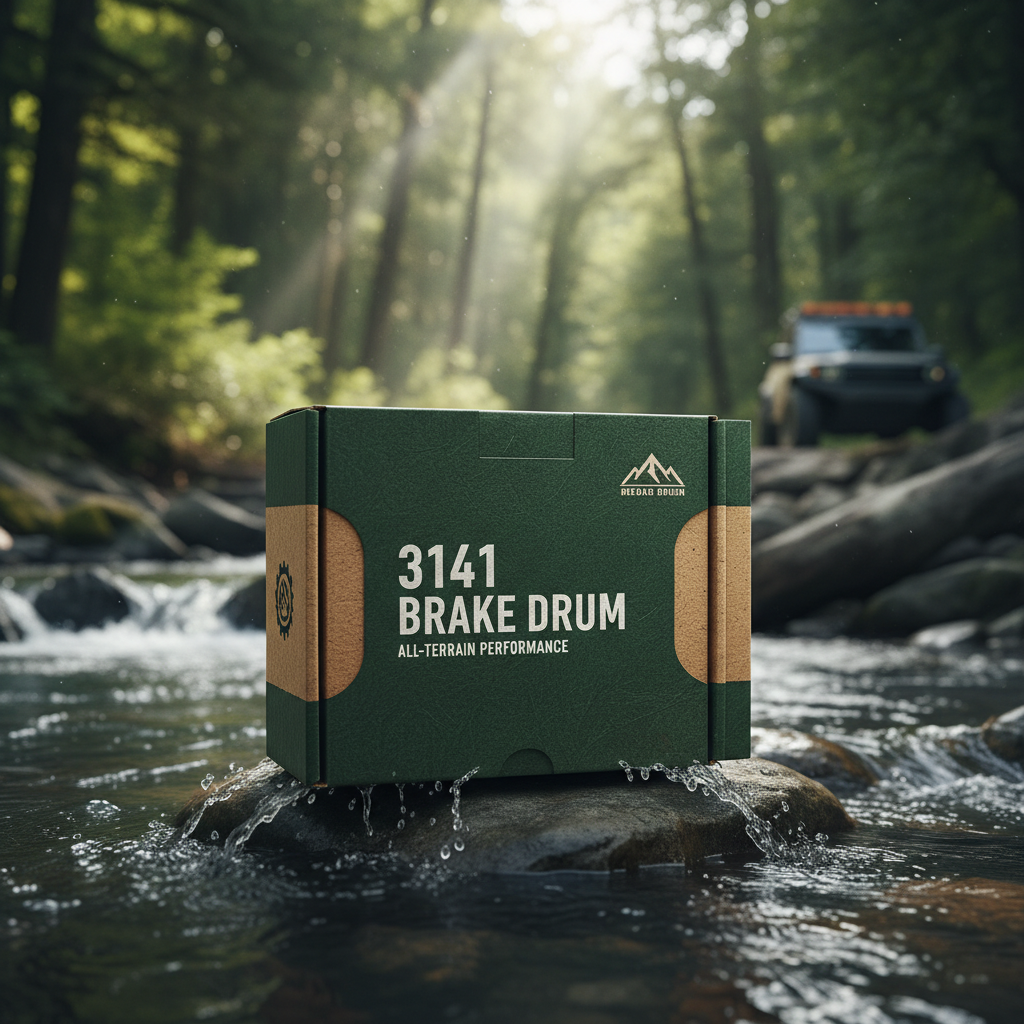
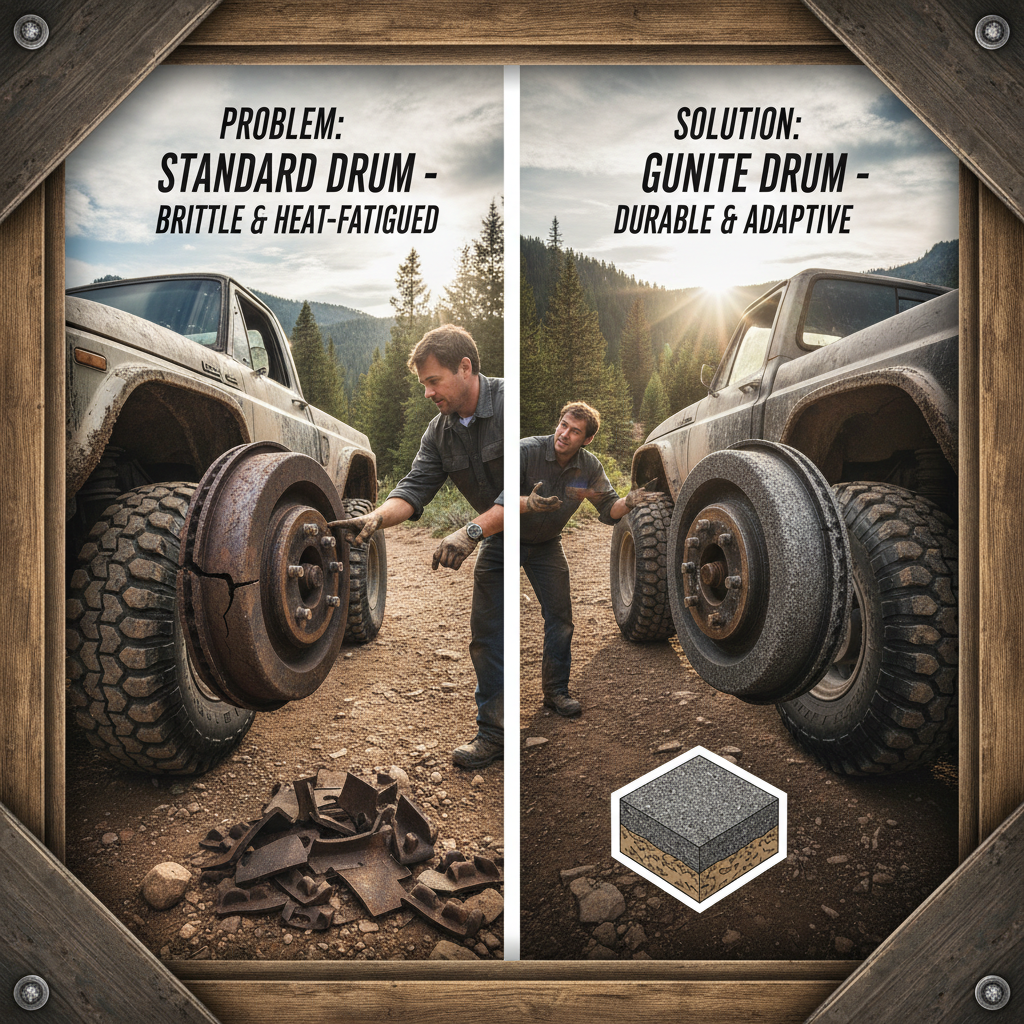
To be honest, the brake drum market's been buzzing with composite materials lately. Everyone's chasing lighter weight, better heat dissipation. You see it at every trade show. But chasing the new shiny thing… well, it can lead to trouble. I’ve seen too many designs where they over-engineer for heat, forget about the real-world grime and impact.
Have you noticed how often engineers design these things on a computer, never having actually felt the metal? It's a problem. A proper brake drum isn’t just about calculations; it’s about how it feels in your hands, how the dust settles, how it behaves when it gets soaked in mud.
It all comes down to material selection, doesn't it? We mostly work with gray cast iron, still. It’s got that slightly grainy feel, almost oily to the touch, and smells…well, like a foundry. Some of the higher-end stuff uses nodular cast iron. That’s smoother, tougher, absorbs vibration a bit better. And then there's composite – carbon ceramic, mostly. That’s…different. Light as a feather, feels almost plastic-y. You have to be careful with it, though. Chips easily if you’re not gentle.
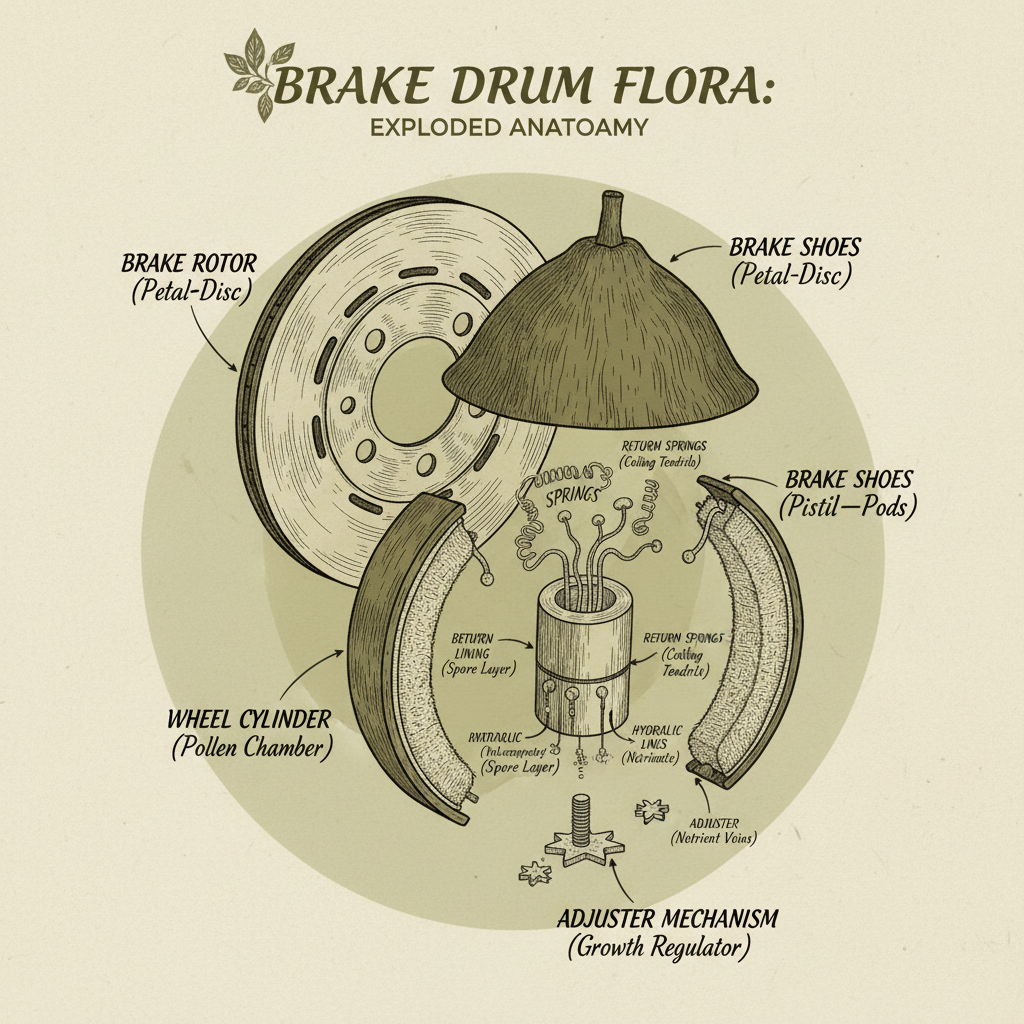
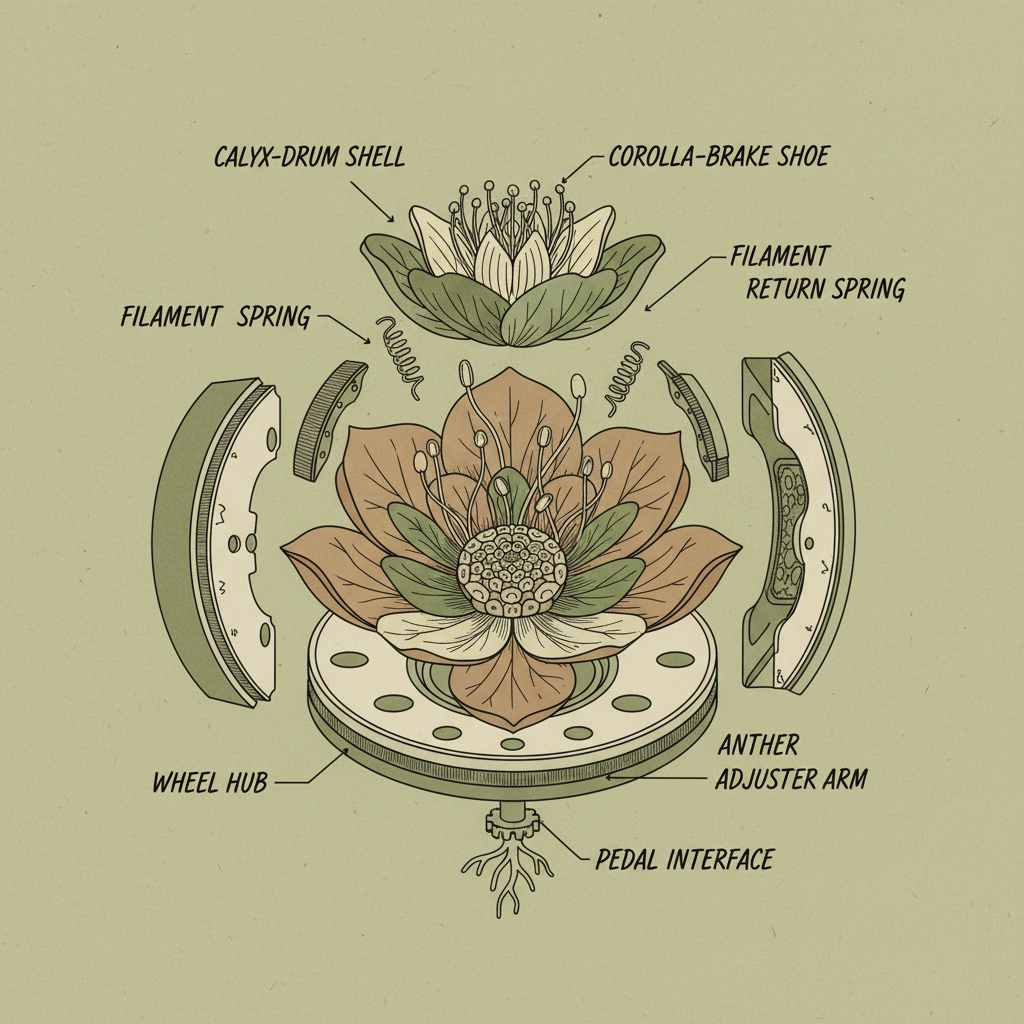
Strangely enough, the push for electric vehicles is influencing even traditional brake drum design. Less reliance on friction brakes means we're looking at different heat management strategies. They’re talking about lighter drums, more efficient cooling fins. It's not just about stopping power anymore, it's about energy recovery and minimizing parasitic drag.
Honestly, the cost of brake drums isn't just the material, it's the tooling, the casting process, the quality control. You can get cheap drums from overseas, but the tolerances are all over the place. I saw a batch from a supplier in…well, never mind where, but the surface finish was so rough, the brake shoes wore down in a month. A month!
That really depends on usage. A city driver might get 50,000 miles out of a set, while a heavy-duty truck could wear them out in 20,000. Regular inspections are key. Look for cracks, scoring, and excessive wear. And don't ignore any squealing or grinding noises! Early detection can save you a lot of money and trouble. It's a bit of art, a bit of science.
For specific applications, absolutely. High-performance vehicles, racing, situations where weight savings is critical. But for the average truck or car? Probably not. The cost is significantly higher, and the fragility can be a concern. You're paying a premium for marginal gains in many cases.
Besides the obvious – cracks, deep scoring – look for uneven wear patterns. If one side of the drum is significantly thinner than the other, it’s time for a replacement. Also, any noticeable pulsating or vibrating when braking is a red flag. And if you’ve already had the drums resurfaced a couple of times, it's probably time to just replace them.
Hugely important! New drums need to be broken in gradually. A few moderate stops, then a few harder ones, gradually increasing the braking force over a few hundred miles. This helps to seat the brake shoes properly and prevents warping or cracking. People skip this step all the time, and then wonder why their brakes don’t work well.
Vented drums have fins cast into the design to improve heat dissipation. They're more common on heavier vehicles or in applications where you’re doing a lot of hard braking. Solid drums are simpler and cheaper, and they're fine for lighter-duty applications. It’s all about managing the heat.
Resurfacing is possible, but there's a limit. You can only remove so much material before the drum becomes too thin. There’s a minimum thickness specification you need to adhere to. Also, resurfacing doesn't fix cracks or severe damage. It’s a temporary fix, at best.
Ultimately, whether this thing works or not, the worker will know the moment he tightens the screw. We talk about materials, testing, and design, but at the end of the day, it all boils down to real-world performance. Brake drums are a critical safety component, and getting it right requires a combination of engineering expertise, practical experience, and a little bit of common sense.
The industry is evolving, pushing for lighter, more efficient designs. But the fundamentals remain the same. A strong, durable drum that can withstand the rigors of daily use. And the best way to ensure that is to talk to the guys on the ground, the mechanics, the drivers, the ones who actually use these things day in and day out. Visit our website to learn more: brake drums cost

 Afrikaans
 Albanian
 Amharic
 Arabic
 Armenian
 Azerbaijani
 Basque
 Belarusian
 Bengali
 Bosnian
 Bulgarian
 Catalan
 Cebuano
 Corsican
 Croatian
 Czech
Czech
 Danish
 Dutch
Dutch
 Esperanto
 Estonian
 Finnish
 French
 Frisian
 Galician
 Georgian
 German
 Greek
Greek
 Gujarati
 Haitian Creole
 Hausa
Hausa
 Hawaiian
 Hebrew
 Hindi
Hindi
 Miao
Miao
 Hungarian
 Icelandic
 Igbo
Igbo
 Indonesian
 Irish
Irish
 Italian
 Japanese
 Javanese
 Kannada
 Kazakh
 Khmer
Khmer
 Rwandese
 Korean
 Kurdish
 Kyrgyz
 Lao
Lao
 Latin
Latin
 Latvian
 Lithuanian
 Luxembourgish
 Macedonian
 Malgashi
 Malay
Malay
 Malayalam
 Maltese
 Maori
Maori
 Marathi
 Mongolian
 Myanmar
 Nepali
 Norwegian
 Norwegian
 Occitan
 Pashto
 Persian
 Polish
 Portuguese
 Punjabi
 Romanian
 Russian
 Samoan
 Scottish Gaelic
 Serbian
 Sesotho
 Shona
Shona
 Sindhi
 Sinhala
 Slovak
 Slovenian
 Somali
 Spanish
 Sundanese
 Swahili
 Swedish
 Tagalog
 Tajik
Tajik
 Tamil
Tamil
 Tatar
Tatar
 Telugu
 Thai
Thai
 Turkish
 Turkmen
 Ukrainian
 Urdu
Urdu
 Uighur
 Uzbek
Uzbek
 Vietnamese
 Welsh
Welsh
 Bantu
Bantu
 Yiddish
 Yoruba
 Zulu
Zulu
 English