You know, lately everyone’s talking about lightweighting, right? All these manufacturers pushing for thinner, stronger materials. It's a good direction, don’t get me wrong, but honestly, sometimes it feels like they’re chasing a number instead of practicality. I’ve been on sites where these new “super alloys” snap under stress tests that older, heavier stuff would laugh at. Go figure.
Have you noticed how everyone's obsessed with automation now? Robots welding, CNC machines cutting… it's great in theory, but you still need someone who understands the material. A robot can make a precise cut, but it won’t tell you if that batch of steel smells off, you know? And that smell, trust me, tells you a lot. It's like a baker knowing when the dough is right.
And don’t even get me started on tolerances. Designers love tight tolerances, everything perfectly aligned. But out on the construction site, things move. Foundations settle, metal expands and contracts with the heat. You design for zero play, and suddenly everything is warped and stressed. It's frustrating.
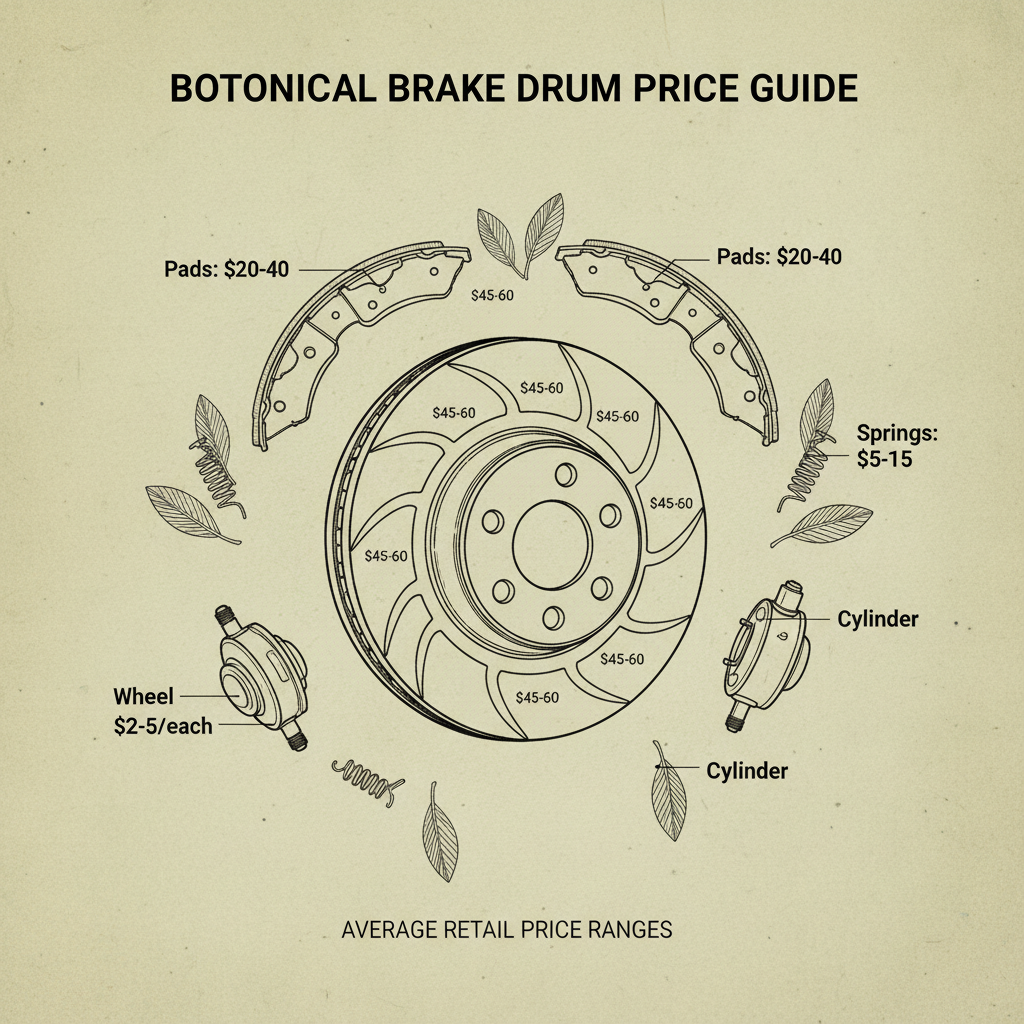
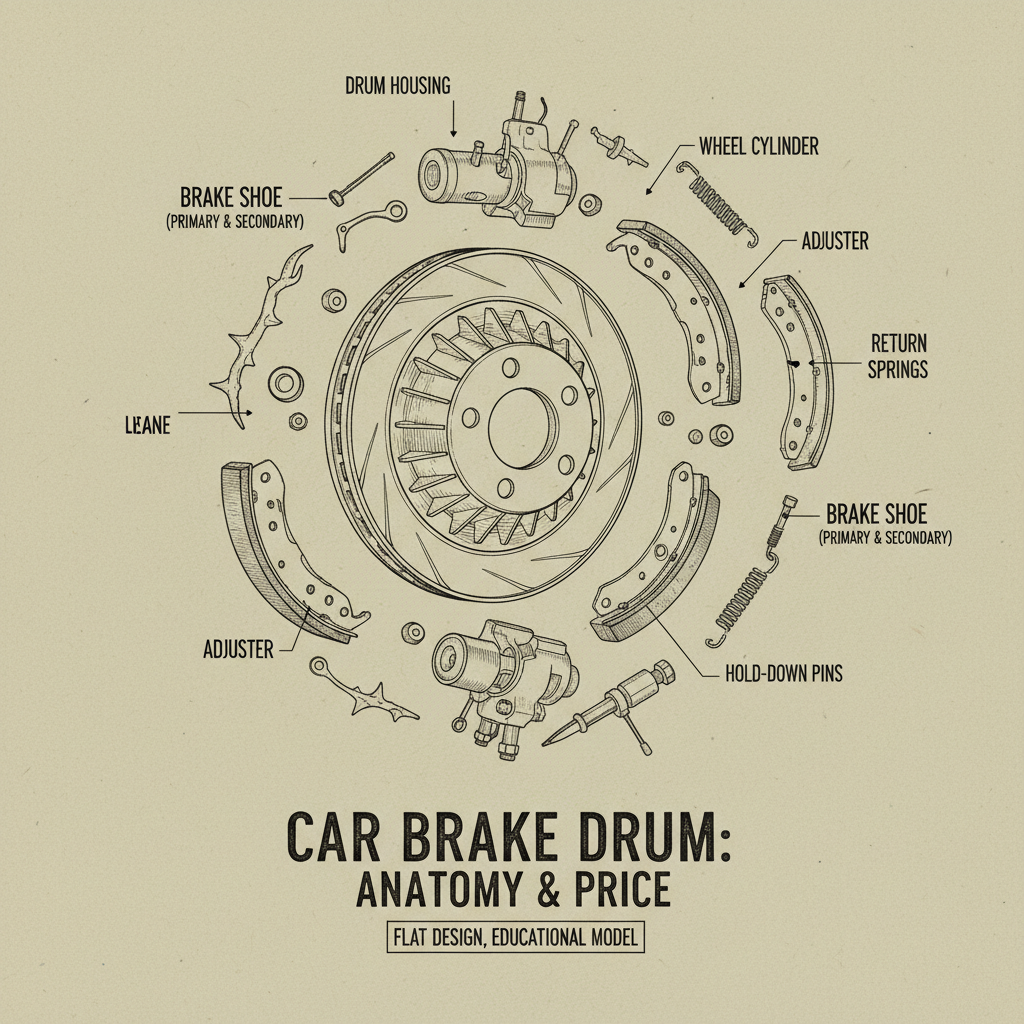
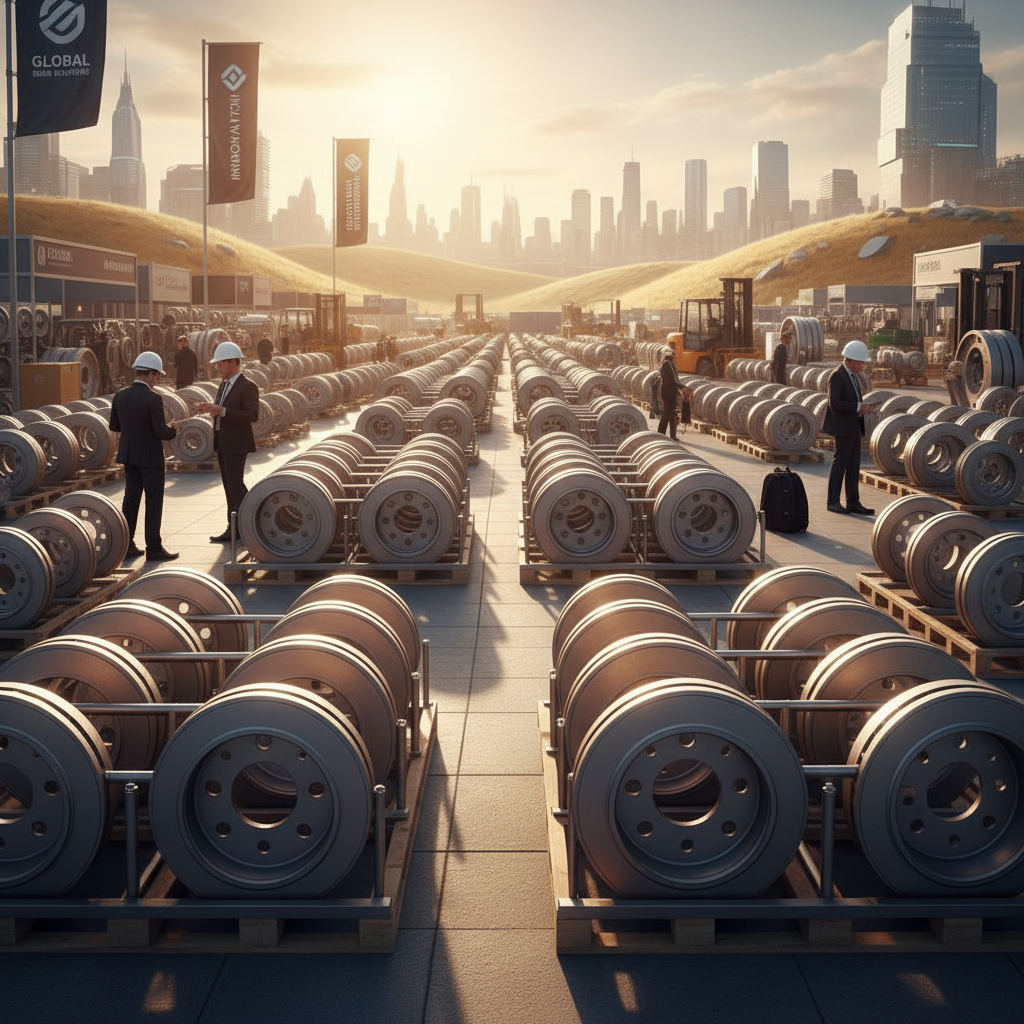
Honestly, the biggest thing I'm seeing is this push for electric vehicles and hybrid systems. That’s driving demand for lighter brake drums, obviously. But it's not just about weight; it’s about heat dissipation too. With regenerative braking, you still get heat, just… different. And that changes everything about material selection and drum design. I encountered this at a supplier's factory last time, they were showing off some fancy carbon-ceramic blends. Looked amazing, but the cost… forget about it. Strangely enough, a lot of smaller workshops are still sticking with cast iron, refined of course.
There's also this weird focus on reducing noise. People are sensitive to even the slightest squeak. It's pushing manufacturers to add all sorts of dampening materials and complex geometries. Seems a bit overengineered sometimes, but hey, I'm just the guy who installs it.
That depends heavily on driving habits and conditions. A city driver who brakes a lot will go through drums faster than someone who mostly drives on the highway. Generally, you’re looking at 50,000 to 100,000 miles, but it’s best to have them inspected regularly. You will know by the shuddering when braking, or an obvious lip on the drum face.
For high-performance applications, absolutely. The weight savings can be significant, which improves handling and fuel efficiency. But for everyday driving? Probably not. The cost-benefit doesn’t really add up unless you’re tracking your car or doing a lot of heavy braking. Honestly, you're probably better off spending the money on good tires.
Crucially important. If the drum surface is warped or uneven, your brakes won’t work properly. You need a skilled machinist with the right equipment to resurface the drum to the correct specifications. Don’t skimp on this. A bad machining job is a safety hazard.
Exposure to moisture and road salt. It’s just inevitable. That’s why coatings are so important. A good coating will protect the drum from corrosion and extend its lifespan. But even with a coating, you need to keep an eye out for rust forming on the inside of the drum.
Depends on the damage. Minor scoring and wear can be machined out. But if the drum is cracked, warped, or severely corroded, it needs to be replaced. Don’t risk it. Brakes are not something you want to gamble with.
Visually inspect for cracks, scoring, and uneven wear. Use a micrometer to measure the drum thickness and compare it to the manufacturer's specifications. Also, check for any signs of excessive heat, such as discoloration or blistering. Listen for any unusual noises when braking.
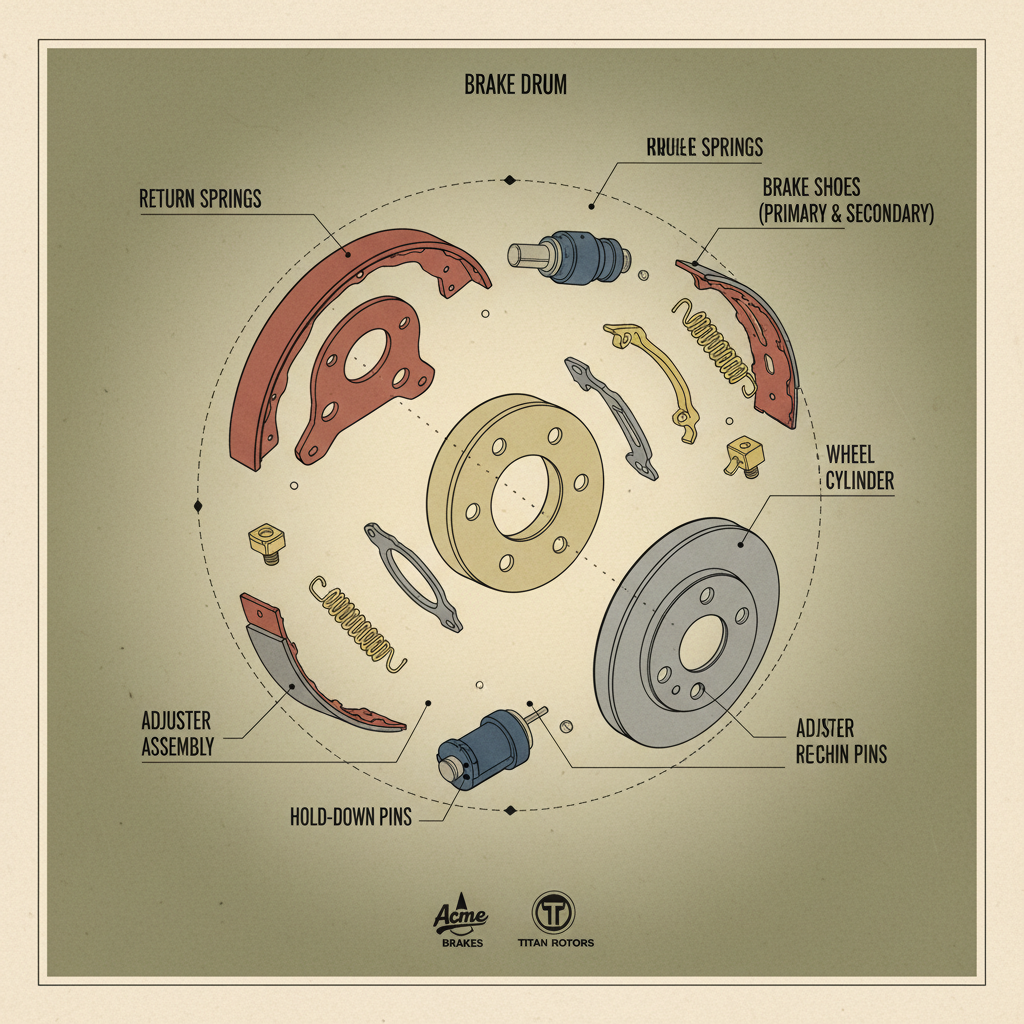
So, what have we learned? Brake drums are a deceptively simple component. There’s a lot more to them than just a metal cylinder. Material selection, design, manufacturing, and maintenance all play a crucial role in their performance and longevity.
Ultimately, whether this thing works or not, the worker will know the moment he tightens the screw. And if it doesn’t, well… that’s why we have warranties and a lot of coffee. Visit our website for more info: car brake drum price

 Afrikaans
 Albanian
 Amharic
 Arabic
 Armenian
 Azerbaijani
 Basque
 Belarusian
 Bengali
 Bosnian
 Bulgarian
 Catalan
 Cebuano
 Corsican
 Croatian
 Czech
Czech
 Danish
 Dutch
Dutch
 Esperanto
 Estonian
 Finnish
 French
 Frisian
 Galician
 Georgian
 German
 Greek
Greek
 Gujarati
 Haitian Creole
 Hausa
Hausa
 Hawaiian
 Hebrew
 Hindi
Hindi
 Miao
Miao
 Hungarian
 Icelandic
 Igbo
Igbo
 Indonesian
 Irish
Irish
 Italian
 Japanese
 Javanese
 Kannada
 Kazakh
 Khmer
Khmer
 Rwandese
 Korean
 Kurdish
 Kyrgyz
 Lao
Lao
 Latin
Latin
 Latvian
 Lithuanian
 Luxembourgish
 Macedonian
 Malgashi
 Malay
Malay
 Malayalam
 Maltese
 Maori
Maori
 Marathi
 Mongolian
 Myanmar
 Nepali
 Norwegian
 Norwegian
 Occitan
 Pashto
 Persian
 Polish
 Portuguese
 Punjabi
 Romanian
 Russian
 Samoan
 Scottish Gaelic
 Serbian
 Sesotho
 Shona
Shona
 Sindhi
 Sinhala
 Slovak
 Slovenian
 Somali
 Spanish
 Sundanese
 Swahili
 Swedish
 Tagalog
 Tajik
Tajik
 Tamil
Tamil
 Tatar
Tatar
 Telugu
 Thai
Thai
 Turkish
 Turkmen
 Ukrainian
 Urdu
Urdu
 Uighur
 Uzbek
Uzbek
 Vietnamese
 Welsh
Welsh
 Bantu
Bantu
 Yiddish
 Yoruba
 Zulu
Zulu
 English