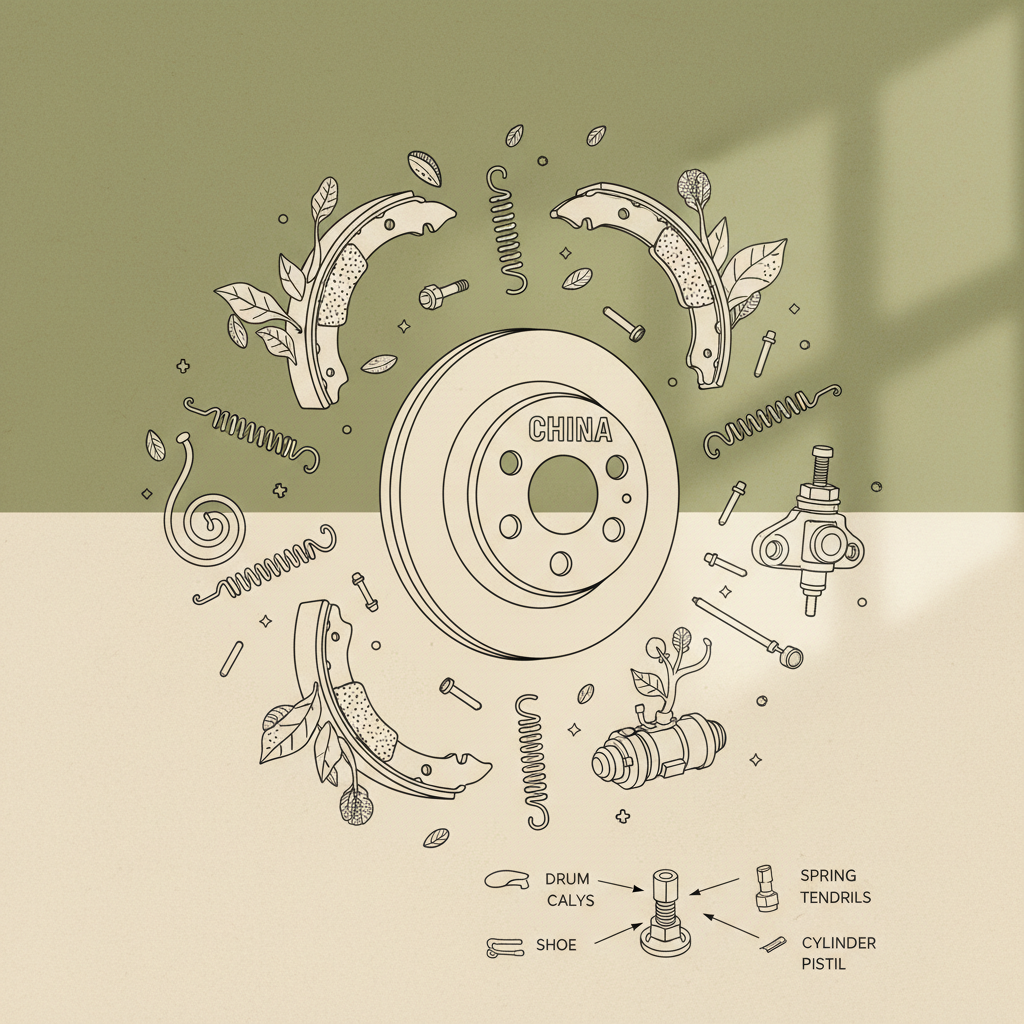
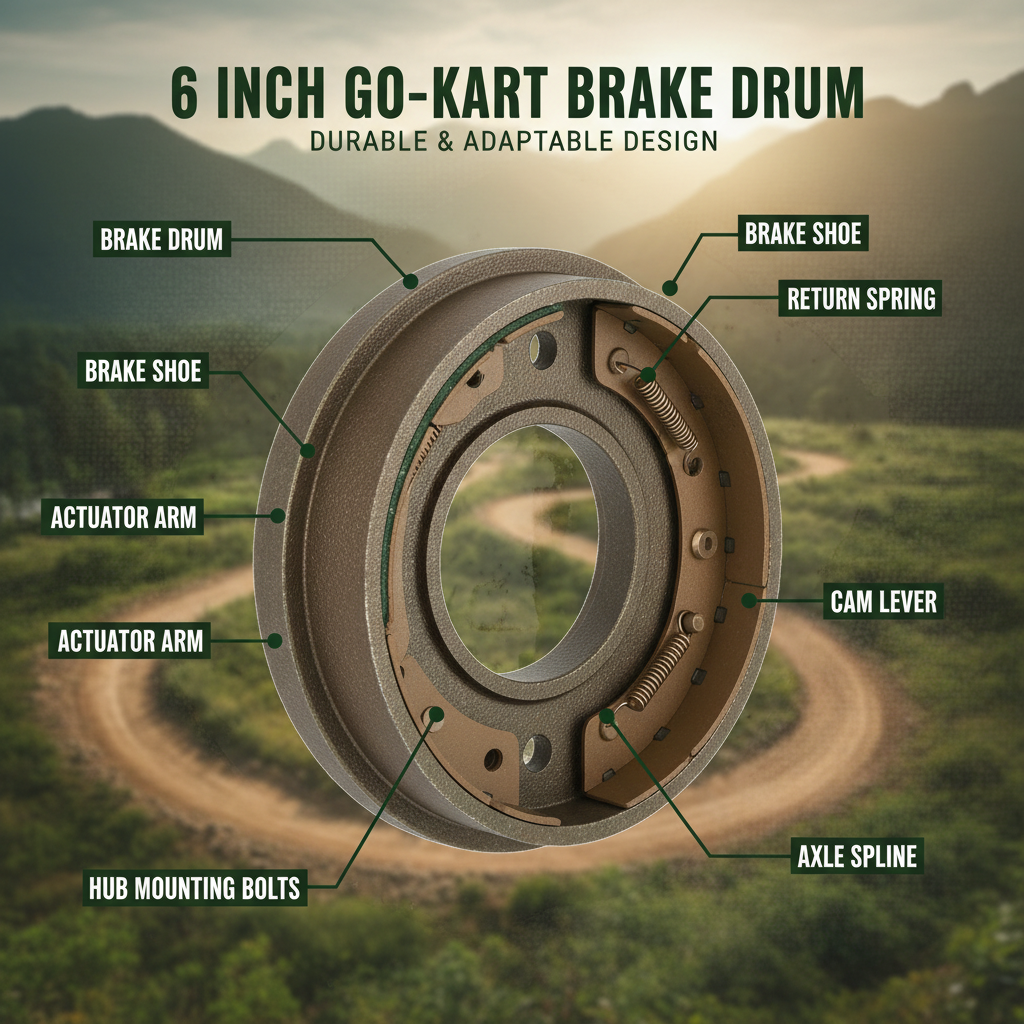
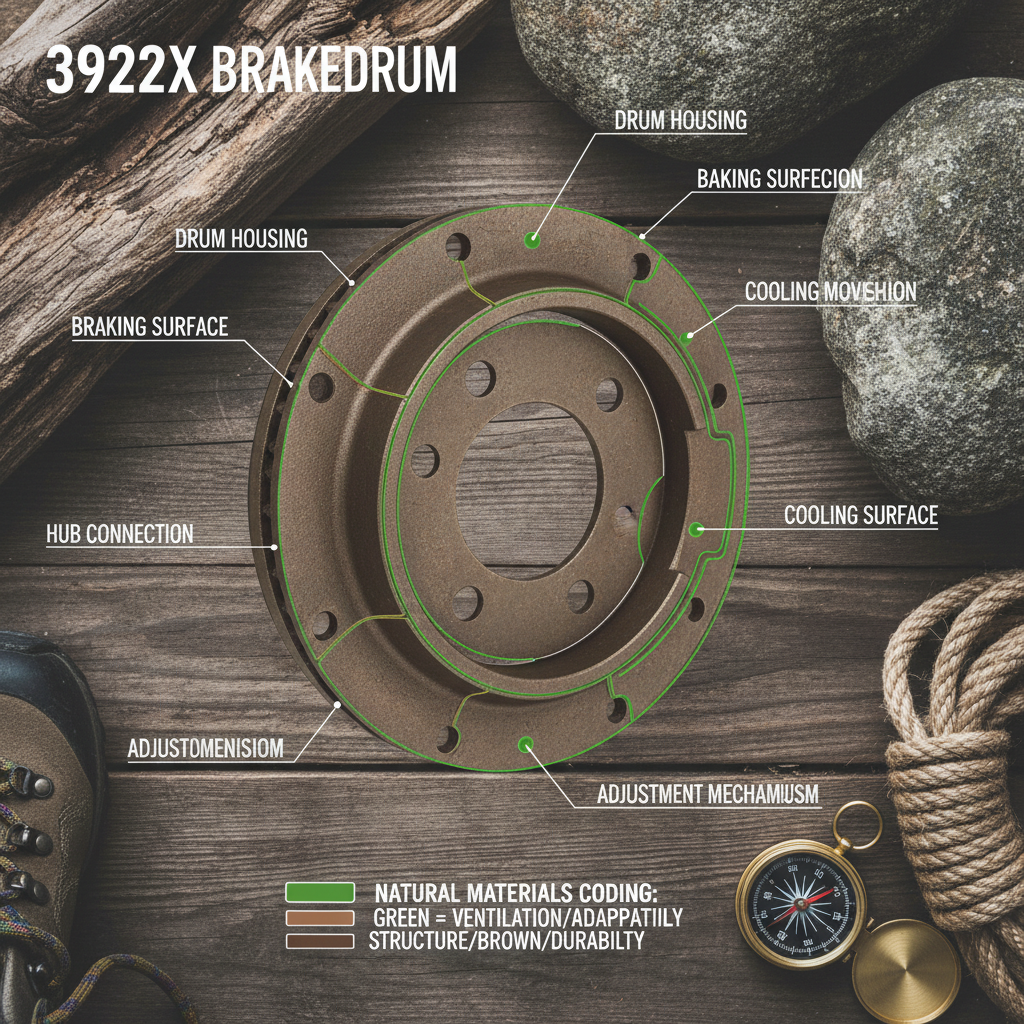
The 89996b brake drum is a crucial component in vehicle safety systems, ensuring reliable stopping power across a wide range of applications. Its design and manufacturing directly impact vehicle performance and, most importantly, passenger safety. Understanding the nuances of this component is vital for automotive engineers, mechanics, and anyone involved in vehicle maintenance and repair. Globally, the demand for high-quality brake drums is consistently high, driven by the ever-increasing number of vehicles on the road and stringent safety regulations.
The automotive industry is facing increasing pressure to improve fuel efficiency and reduce emissions. Brake drum technology plays a significant role in these efforts, with innovations focused on reducing weight and improving thermal management. The 89996b brake drum, specifically, represents a balance between performance, durability, and cost-effectiveness, making it a popular choice for various vehicle types. Effective brake drum functionality is essential for minimizing accidents and ensuring public safety on a large scale.
Beyond passenger vehicles, the 89996b brake drum finds application in commercial vehicles, industrial machinery, and even specialized equipment. This broad range of applications underscores its versatility and reliability. Continued advancements in materials science and manufacturing processes promise further improvements in brake drum performance, contributing to safer and more efficient transportation systems worldwide.

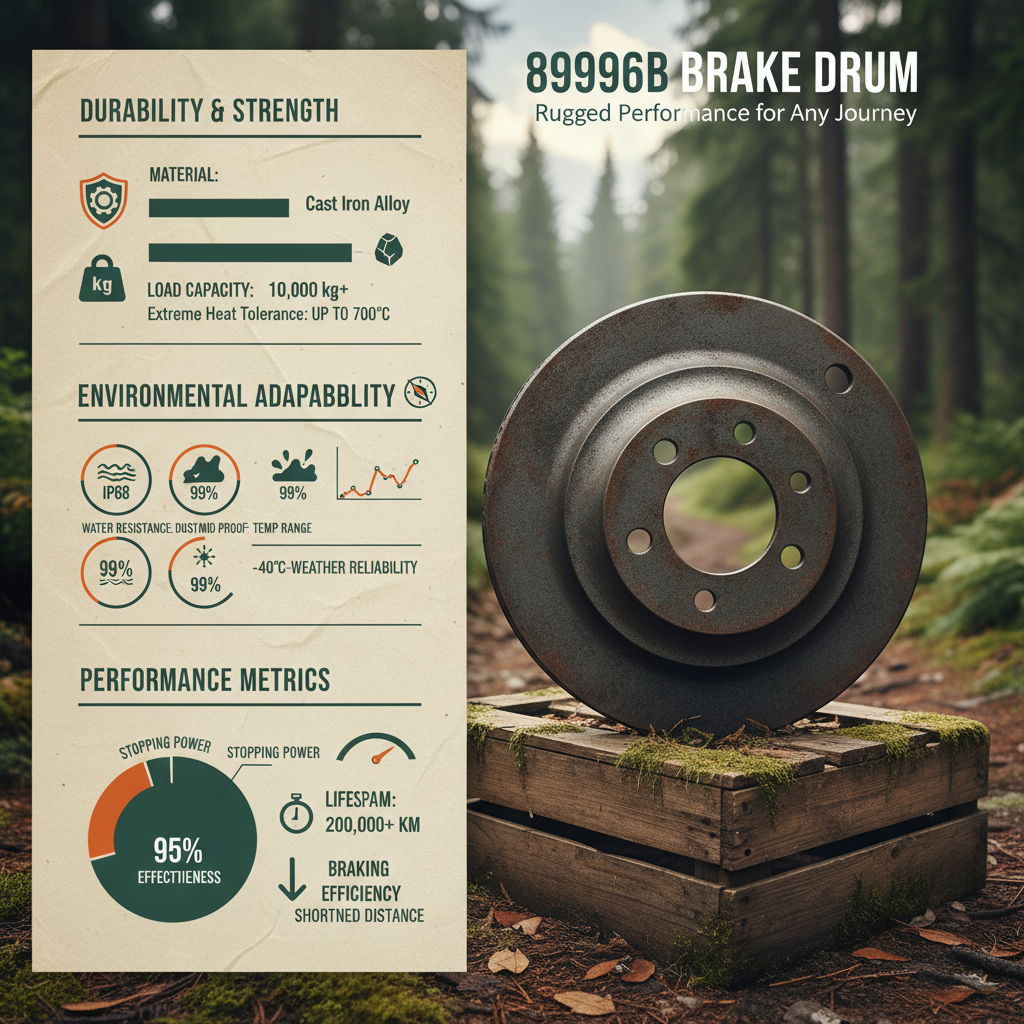
The 89996b brake drum is defined by its robust construction and precise engineering. Typically made from cast iron or composite materials, it's designed to withstand high temperatures and substantial frictional forces. The drum’s internal surface is precisely machined to provide a smooth and consistent contact point for the brake shoes, crucial for efficient braking.
One of the key characteristics of the 89996b brake drum is its heat dissipation capability. Efficiently removing heat generated during braking is essential to prevent brake fade and maintain consistent stopping power. Factors like drum material, fin design, and overall size contribute to its thermal performance.
The lifespan of an 89996b brake drum varies greatly depending on driving conditions, vehicle type, and maintenance practices. Generally, a well-maintained drum can last between 50,000 and 100,000 miles. However, factors like frequent hard braking, exposure to harsh weather, and aggressive driving can significantly reduce this lifespan. Regular inspections are crucial for identifying signs of wear and tear, such as cracks, scoring, or excessive rust.
Several indicators suggest that your 89996b brake drum may need replacement. These include a grinding or squealing noise when braking, a pulsating brake pedal, reduced braking performance, visible cracks or scoring on the drum surface, and excessive rust. If you experience any of these symptoms, it's best to have a qualified mechanic inspect your brake system immediately.
89996b brake drums are commonly manufactured from cast iron due to its excellent heat dissipation and wear resistance. However, composite materials, such as steel or aluminum alloys, are increasingly used to reduce weight and improve performance. Some high-performance drums also incorporate ceramic matrix composites for superior thermal stability and durability.
Resurfacing an 89996b brake drum, also known as turning, involves machining the drum surface to remove wear and imperfections. While this can be a cost-effective solution, it's only feasible if the drum meets minimum thickness specifications after resurfacing. Excessive resurfacing can weaken the drum and compromise its structural integrity. Always consult a professional mechanic to determine if resurfacing is a viable option.
Regular maintenance is essential for ensuring the longevity and optimal performance of your 89996b brake drums. This includes periodic inspections for cracks, scoring, and rust, as well as cleaning to remove debris and contaminants. Additionally, it's important to ensure proper brake shoe or pad alignment and to replace worn components promptly. Following the manufacturer's recommended maintenance schedule is crucial.
Environmental factors, such as exposure to salt, moisture, and extreme temperatures, can significantly impact the lifespan of an 89996b brake drum. Salt accelerates corrosion, while moisture can cause rust. Extreme temperatures can lead to thermal stress and cracking. Vehicles operating in harsh environments require more frequent inspections and maintenance to mitigate these effects. Protective coatings can also help to prevent corrosion and extend the drum’s life.
In conclusion, the 89996b brake drum remains a vital component of modern vehicle safety systems. Its robust design, reliable performance, and adaptability to diverse applications ensure its continued relevance in the automotive industry. Understanding its core characteristics, maintenance requirements, and future trends is crucial for anyone involved in vehicle operation and maintenance.
Looking ahead, continued innovation in materials science, manufacturing processes, and sensor technology will further enhance the performance and longevity of the 89996b brake drum. By embracing these advancements, we can contribute to safer, more efficient, and more sustainable transportation systems. For more information and to explore our range of brake drum solutions, visit our website: www.jkxyihang.com.

 Afrikaans
 Albanian
 Amharic
 Arabic
 Armenian
 Azerbaijani
 Basque
 Belarusian
 Bengali
 Bosnian
 Bulgarian
 Catalan
 Cebuano
 Corsican
 Croatian
 Czech
Czech
 Danish
 Dutch
Dutch
 Esperanto
 Estonian
 Finnish
 French
 Frisian
 Galician
 Georgian
 German
 Greek
Greek
 Gujarati
 Haitian Creole
 Hausa
Hausa
 Hawaiian
 Hebrew
 Hindi
Hindi
 Miao
Miao
 Hungarian
 Icelandic
 Igbo
Igbo
 Indonesian
 Irish
Irish
 Italian
 Japanese
 Javanese
 Kannada
 Kazakh
 Khmer
Khmer
 Rwandese
 Korean
 Kurdish
 Kyrgyz
 Lao
Lao
 Latin
Latin
 Latvian
 Lithuanian
 Luxembourgish
 Macedonian
 Malgashi
 Malay
Malay
 Malayalam
 Maltese
 Maori
Maori
 Marathi
 Mongolian
 Myanmar
 Nepali
 Norwegian
 Norwegian
 Occitan
 Pashto
 Persian
 Polish
 Portuguese
 Punjabi
 Romanian
 Russian
 Samoan
 Scottish Gaelic
 Serbian
 Sesotho
 Shona
Shona
 Sindhi
 Sinhala
 Slovak
 Slovenian
 Somali
 Spanish
 Sundanese
 Swahili
 Swedish
 Tagalog
 Tajik
Tajik
 Tamil
Tamil
 Tatar
Tatar
 Telugu
 Thai
Thai
 Turkish
 Turkmen
 Ukrainian
 Urdu
Urdu
 Uighur
 Uzbek
Uzbek
 Vietnamese
 Welsh
Welsh
 Bantu
Bantu
 Yiddish
 Yoruba
 Zulu
Zulu
 English