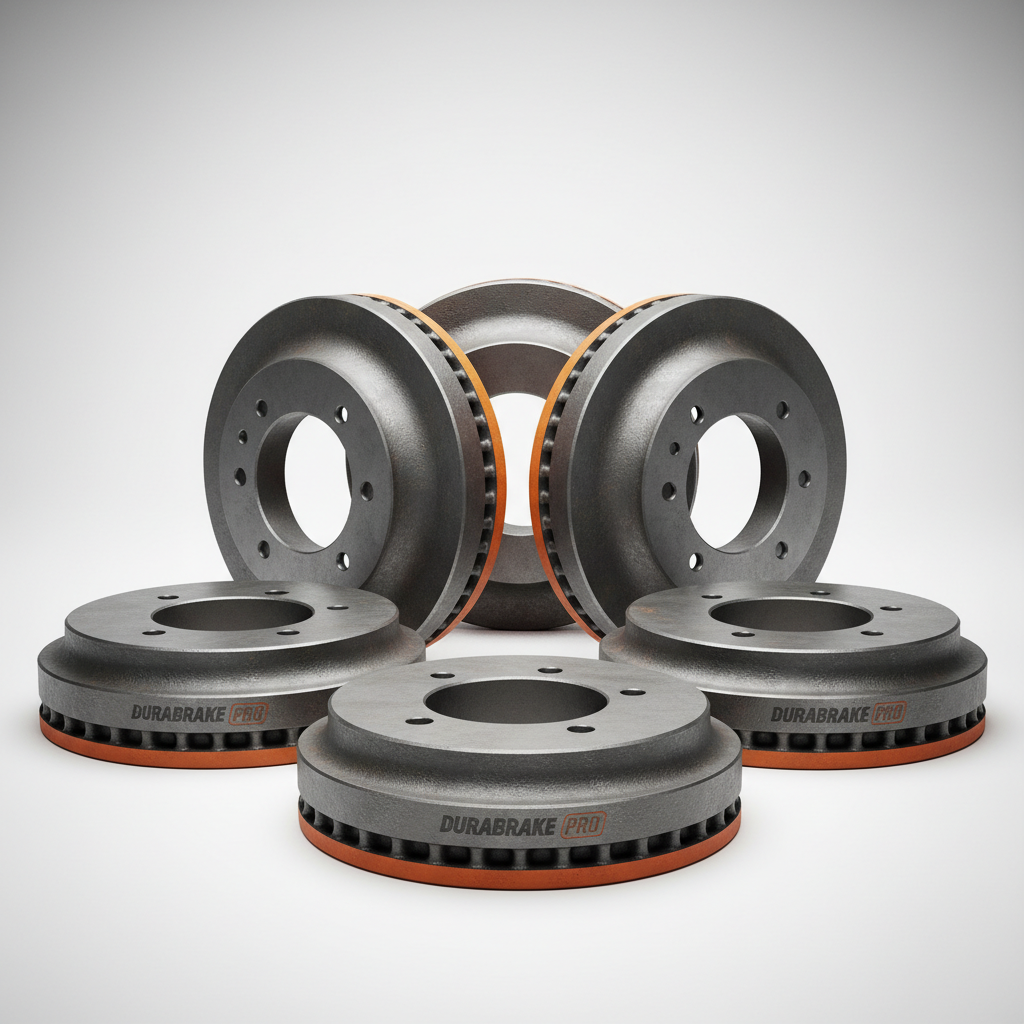
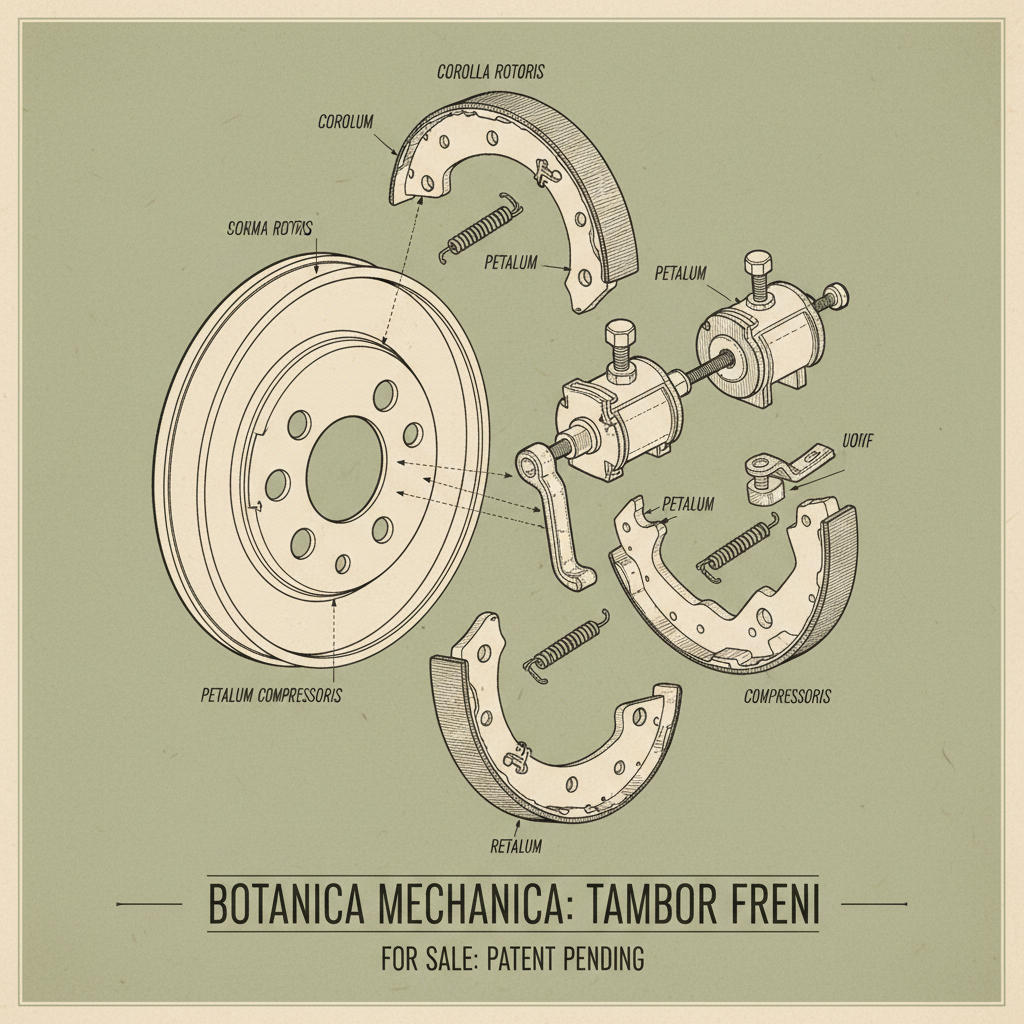
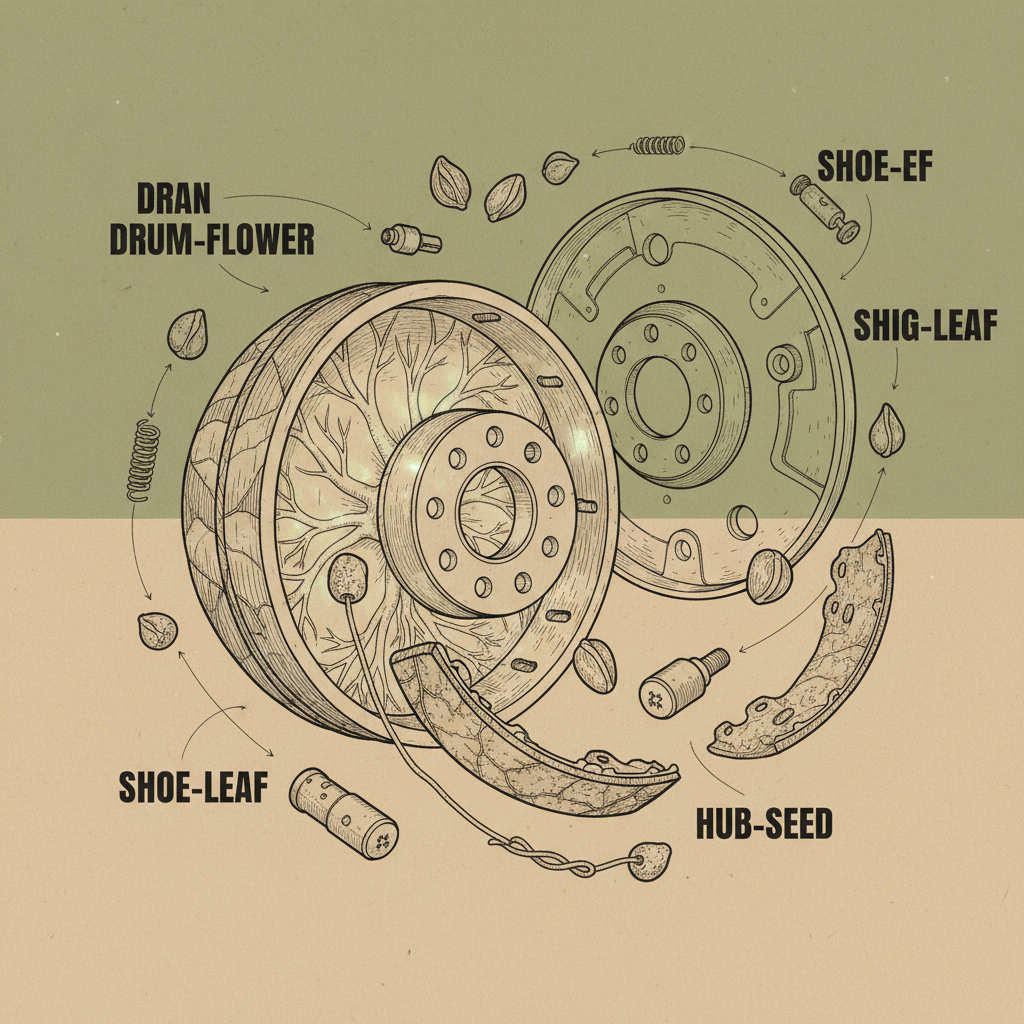
Honestly, brake drum china… it’s been a year. A year of dust, heat, and a lot of very strong coffee. You wouldn’t believe the things I’ve seen on these construction sites. Everyone's chasing lightweight, high-performance stuff, you know? Trying to shave every gram off. It's all about efficiency these days.
And the designs… man, the designs. They look great on paper, all sleek and aerodynamic. But have you noticed how often those fancy vent patterns end up clogged with mud within a week? That’s a real problem. Really is. We’ve been seeing a push for more complex geometries, trying to maximize surface area for cooling. It’s good in theory, but then you get onto the shop floor and it's a nightmare to manufacture consistently.
Anyway, I think the biggest trend right now is towards composite materials. Not just any composite, though. We're talking carbon-ceramic blends, mostly. They're lighter than cast iron, obviously, and they handle heat like nothing else. Smells a bit funny when you machine them, kinda like burnt toast, but you get used to it. Feels… gritty. Not like metal, doesn't ring when you tap it. A proper ceramic feel, if you know what I mean. You gotta wear a good respirator, though. That dust gets everywhere.
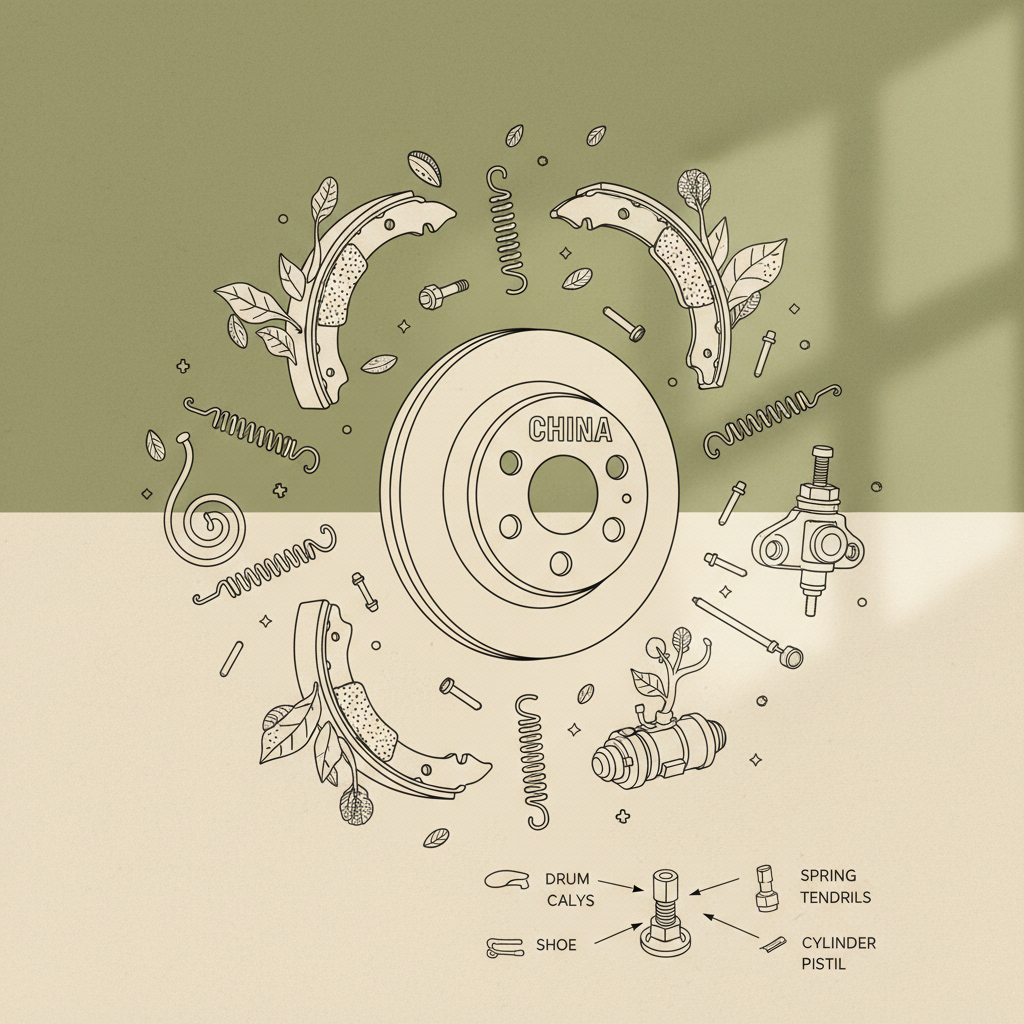
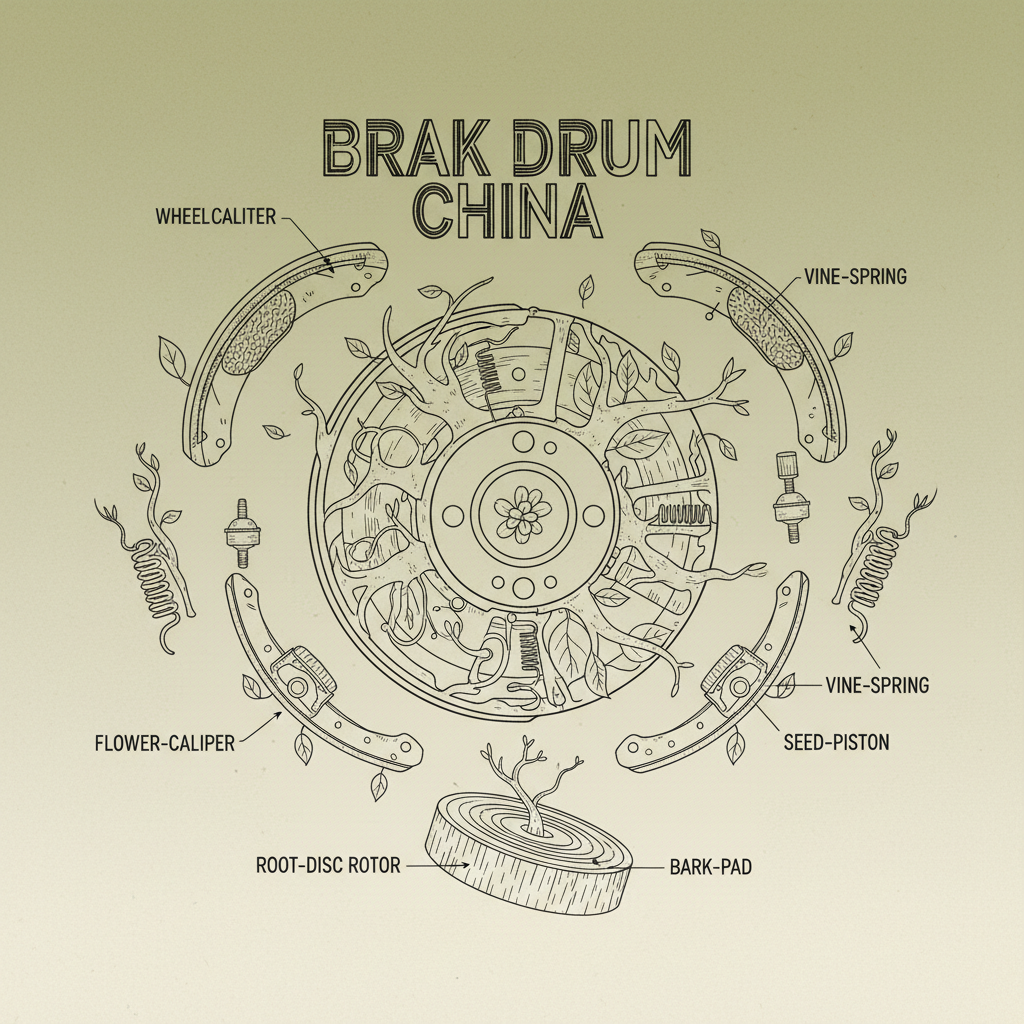
Strangely enough, a lot of the demand is coming from the e-bike sector. Those things are getting heavier and faster, and they need serious stopping power. And it’s not just bikes, it’s scooters, small delivery vehicles...the whole micro-mobility market. It's a quick turnaround, high-volume business. They don't want to mess around with long lead times, you understand? They need things now.
We’re also seeing a lot of interest from the agricultural side. Bigger tractors, heavier implements... they’re pushing the limits of traditional braking systems. They need something reliable, something that can handle the mud and the dust and the constant abuse. These guys aren’t exactly gentle on their equipment, let me tell you.
Honestly? They prioritize cost over everything else. A cheap drum is a false economy. It'll fail sooner, potentially causing damage or even an accident. You need to consider the application, the load, the environment, and choose a drum that's appropriate for the job. It's about long-term value, not just saving a few bucks upfront.
Critically important. A rough surface finish can lead to uneven wear, noise, and reduced braking performance. It also increases the risk of corrosion. You want a smooth, consistent finish, free of defects. We use a specialized polishing process to ensure a high-quality surface.
Look for scoring or cracks on the braking surface. Also, check for excessive wear or distortion. If you notice any unusual noises, like squealing or grinding, that's a red flag. And if you're experiencing reduced braking performance, it's time to get it checked out. Better safe than sorry.
Sometimes. Minor scoring can be machined out, but if the drum is severely damaged, replacement is the only option. Trying to repair a badly damaged drum is a risk. It might fail unexpectedly, which could have serious consequences. We generally recommend replacement for any significant damage.
That depends entirely on the application and how well it's maintained. A drum used in a light-duty application could last for years. But one used in a heavy-duty application might only last a few months. Regular inspections and proper maintenance are key to maximizing its lifespan.
Absolutely. We’re seeing a lot of research into new materials and coatings. Also, there's a push towards lighter-weight designs using advanced manufacturing techniques. And the integration of sensors for real-time monitoring is becoming more common. It's an evolving field, for sure.
So, brake drum china… it’s not glamorous. It’s dirty, it’s demanding, and it requires a lot of attention to detail. But it’s also a critical component of any braking system. Getting it right can make the difference between a safe stop and a catastrophic failure. It's a little world of metallurgy, friction, and hard-earned experience.
Ultimately, whether this thing works or not, the worker will know the moment he tightens the screw. You can build the fanciest models, run the most sophisticated simulations, but it all comes down to real-world performance. And that’s what keeps me coming back. Now, if you'll excuse me, I've got a factory visit scheduled. And I'm pretty sure they're using the wrong grade of bolts.

 Afrikaans
 Albanian
 Amharic
 Arabic
 Armenian
 Azerbaijani
 Basque
 Belarusian
 Bengali
 Bosnian
 Bulgarian
 Catalan
 Cebuano
 Corsican
 Croatian
 Czech
Czech
 Danish
 Dutch
Dutch
 Esperanto
 Estonian
 Finnish
 French
 Frisian
 Galician
 Georgian
 German
 Greek
Greek
 Gujarati
 Haitian Creole
 Hausa
Hausa
 Hawaiian
 Hebrew
 Hindi
Hindi
 Miao
Miao
 Hungarian
 Icelandic
 Igbo
Igbo
 Indonesian
 Irish
Irish
 Italian
 Japanese
 Javanese
 Kannada
 Kazakh
 Khmer
Khmer
 Rwandese
 Korean
 Kurdish
 Kyrgyz
 Lao
Lao
 Latin
Latin
 Latvian
 Lithuanian
 Luxembourgish
 Macedonian
 Malgashi
 Malay
Malay
 Malayalam
 Maltese
 Maori
Maori
 Marathi
 Mongolian
 Myanmar
 Nepali
 Norwegian
 Norwegian
 Occitan
 Pashto
 Persian
 Polish
 Portuguese
 Punjabi
 Romanian
 Russian
 Samoan
 Scottish Gaelic
 Serbian
 Sesotho
 Shona
Shona
 Sindhi
 Sinhala
 Slovak
 Slovenian
 Somali
 Spanish
 Sundanese
 Swahili
 Swedish
 Tagalog
 Tajik
Tajik
 Tamil
Tamil
 Tatar
Tatar
 Telugu
 Thai
Thai
 Turkish
 Turkmen
 Ukrainian
 Urdu
Urdu
 Uighur
 Uzbek
Uzbek
 Vietnamese
 Welsh
Welsh
 Bantu
Bantu
 Yiddish
 Yoruba
 Zulu
Zulu
 English