Look, after running around construction sites all year, you start to see things. You see what actually works, and what looks good on paper but falls apart the second someone tries to use it. Lately, everyone's talking about lightweight, high-strength materials, right? Composites, new alloys… it’s a race to build things lighter and stronger. But to be honest, a lot of it feels like chasing shadows. There's always a trade-off, always something they don’t tell you in the brochure.
And the designs… oh, the designs. So many engineers spend too much time in front of a computer. They forget things need to be built, by people with dirty hands. You design something that looks beautiful in CAD, but if it requires a specialist tool, or a PhD to assemble, it’s useless. I encountered this at a factory in Tianjin last time – a perfectly designed valve housing, but the access for tightening the bolts was impossible without a contortionist. They spent weeks redesigning just that one little detail.
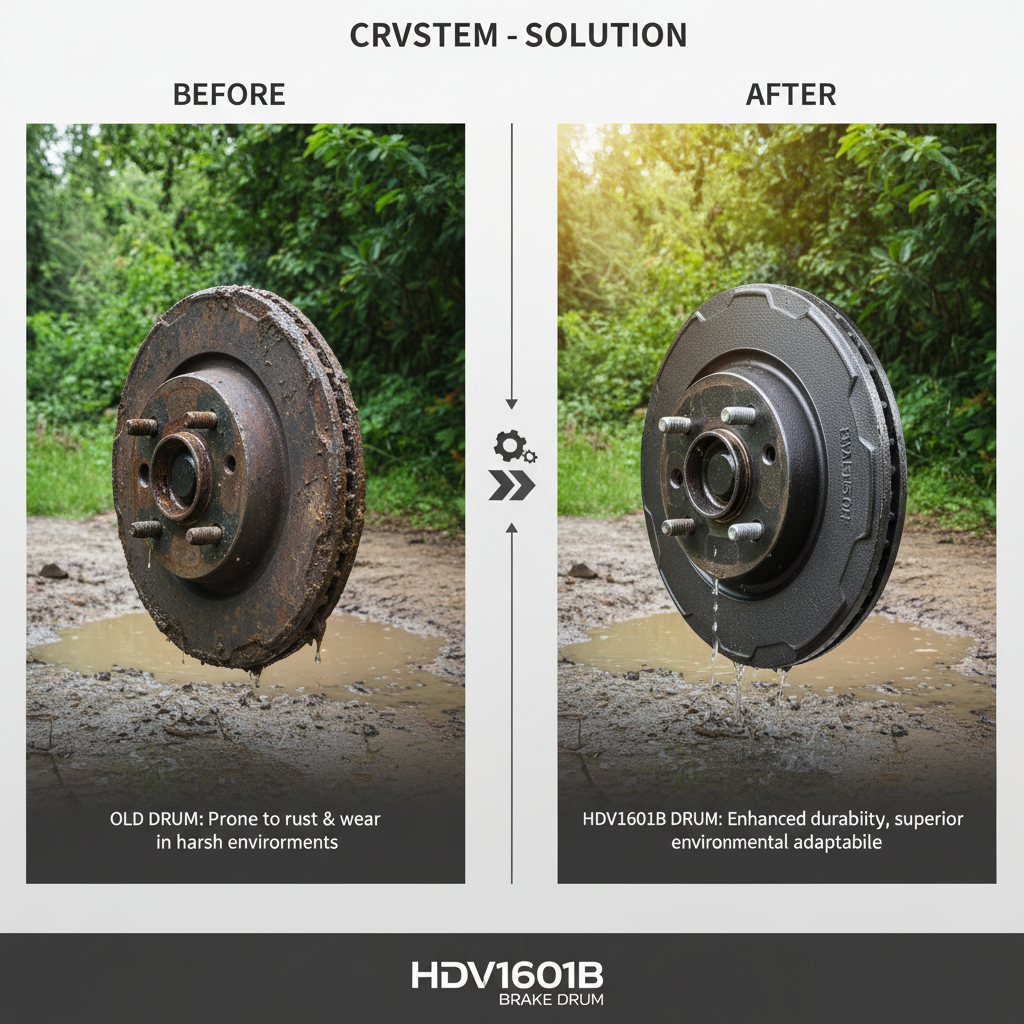
We're mostly dealing with brake drums, obviously. And it’s not just about the metal. The cast iron itself, you can tell a good batch just by the smell when it’s being poured. A good iron smells… earthy, almost sweet. Bad iron smells sharp, metallic. The surface finish matters too. You want a smooth, consistent surface for proper brake pad contact. And it's not just the iron, we've been experimenting with different alloys – a bit of chromium for hardness, molybdenum for strength. It's a constant balancing act, trying to get the right combination.
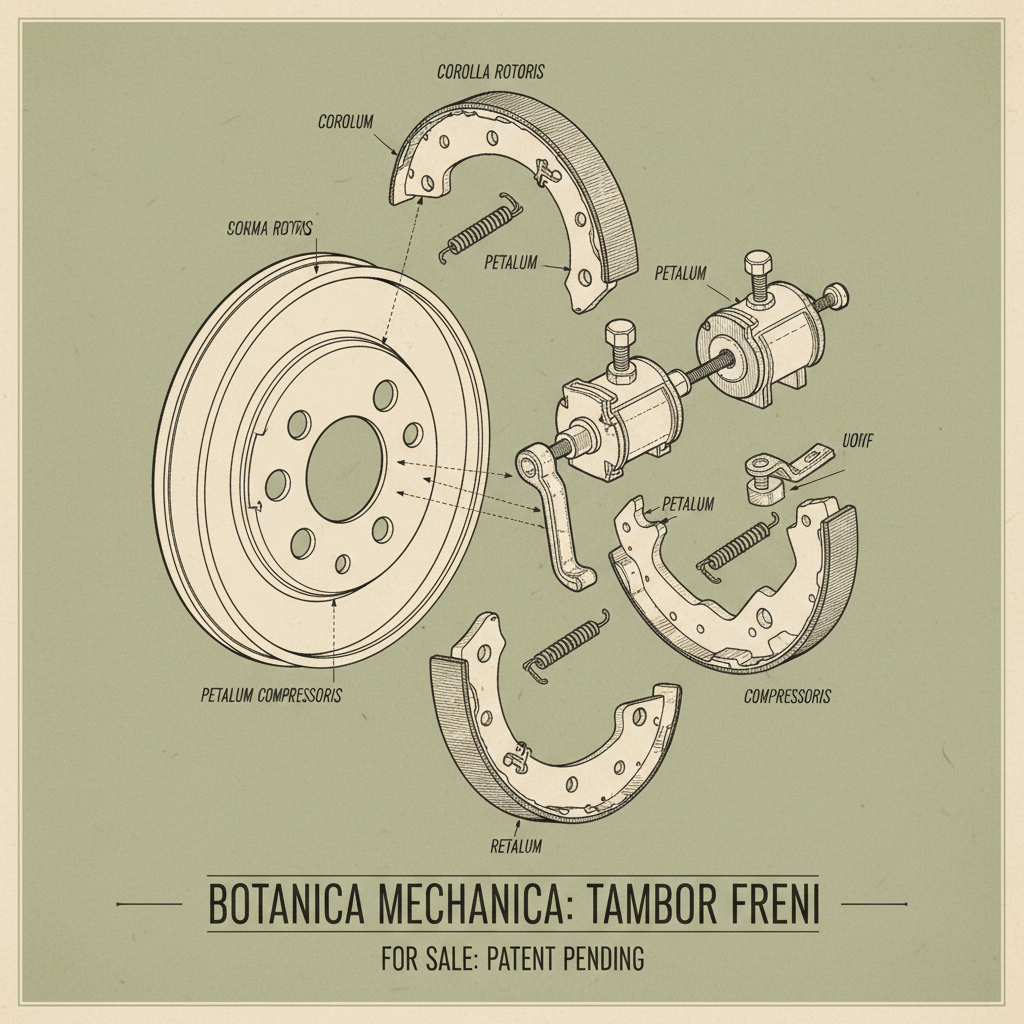
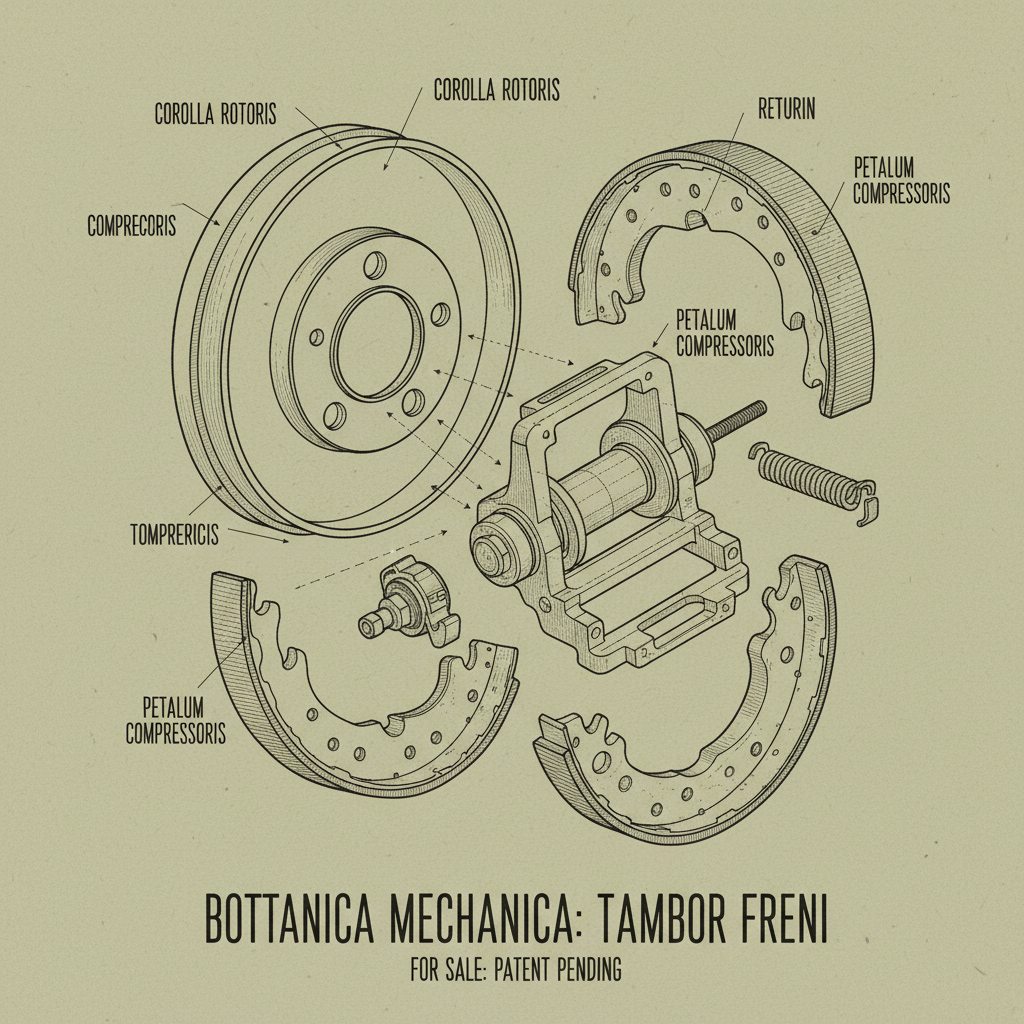
Have you noticed the push for lighter vehicles? It's all about fuel efficiency, emissions… the usual. This puts a huge strain on braking systems, and especially the drums. They need to handle more heat, more stress, and last longer. Strangely, a lot of manufacturers are going back to simpler designs, realizing that complexity often leads to failure. It's not always about the newest, fanciest material.
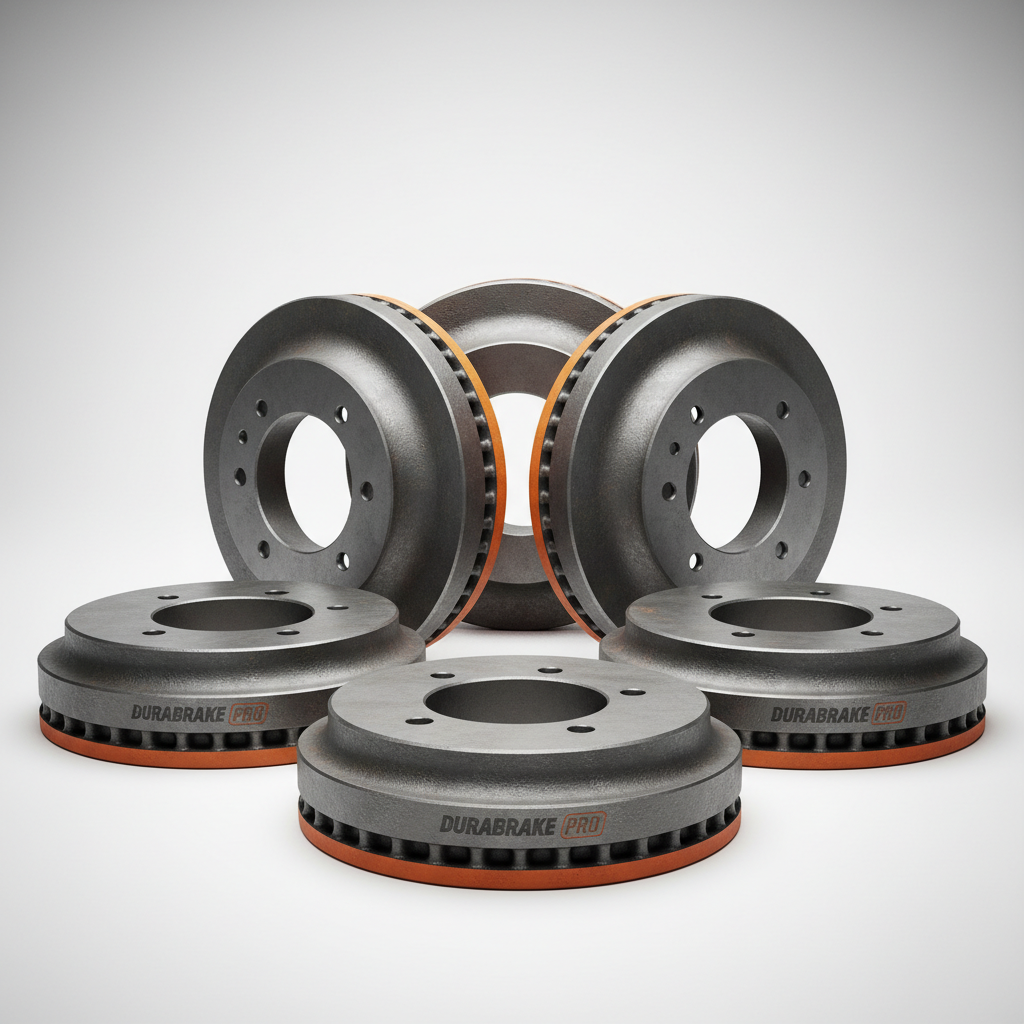
The demand for brake drum for sale is steadily increasing, driven by the automotive industry and the need for reliable and efficient braking systems. It's a pretty stable market, honestly. Not a lot of flashy growth, but consistently solid. The biggest challenge is meeting the increasingly stringent safety standards and reducing weight without sacrificing performance.
That really depends on driving conditions and maintenance. A well-maintained drum in a typical passenger vehicle could last 80,000-120,000 miles. However, heavy use, such as frequent towing or aggressive braking, will significantly reduce that lifespan. Regular inspections are key. You're looking for things like cracks, scoring, or excessive wear.
Several warning signs indicate replacement is needed. These include squealing or grinding noises when braking, pulsating pedal feel, visible cracks or scoring on the drum surface, or a noticeable decrease in braking performance. If you see any of these, get it checked out immediately. Safety first!
No, not at all. Brake drum and disc brake systems aren’t interchangeable without a complete system overhaul. And even within drum brake systems, the size and design vary significantly depending on the vehicle’s weight, engine power, and intended use. Always check your vehicle’s specifications to ensure you're using the correct brake drum.
Cast iron is the traditional material – cheap, durable, but heavy. Composite drums, typically made of carbon ceramic, are much lighter and offer superior heat dissipation. However, they are significantly more expensive and are typically reserved for high-performance applications. Think race cars, not your daily driver.
Sometimes, yes. If the drum is within the manufacturer's specifications for thickness, it can be resurfaced – machined to remove any scoring or warping. However, there’s a limit to how much material can be removed before the drum becomes too thin and unsafe. Check the minimum thickness specification before resurfacing.
A huge role. The brake drum, along with the brake shoes and other components, is responsible for slowing down and stopping your vehicle. A faulty brake drum can significantly reduce braking performance, increasing stopping distances and potentially leading to an accident. Don’t mess around with your brakes!
So, that’s the long and short of it. Brake drums aren’t glamorous, but they’re essential. There's a lot of innovation happening, a lot of talk about new materials and designs, but the core principles remain the same. You need something strong, durable, and capable of handling a lot of heat. And it needs to be affordable and reliable.
Ultimately, whether this thing works or not, the worker will know the moment he tightens the screw. If it feels right, fits right, and doesn't give him a bad feeling, then it’s probably good to go. That’s the real test, isn’t it? You can run all the simulations you want, but nothing beats real-world experience. Visit our website at www.jkxyihang.com for more information and to browse our selection of brake drums for sale.



 Afrikaans
 Albanian
 Amharic
 Arabic
 Armenian
 Azerbaijani
 Basque
 Belarusian
 Bengali
 Bosnian
 Bulgarian
 Catalan
 Cebuano
 Corsican
 Croatian
 Czech
Czech
 Danish
 Dutch
Dutch
 Esperanto
 Estonian
 Finnish
 French
 Frisian
 Galician
 Georgian
 German
 Greek
Greek
 Gujarati
 Haitian Creole
 Hausa
Hausa
 Hawaiian
 Hebrew
 Hindi
Hindi
 Miao
Miao
 Hungarian
 Icelandic
 Igbo
Igbo
 Indonesian
 Irish
Irish
 Italian
 Japanese
 Javanese
 Kannada
 Kazakh
 Khmer
Khmer
 Rwandese
 Korean
 Kurdish
 Kyrgyz
 Lao
Lao
 Latin
Latin
 Latvian
 Lithuanian
 Luxembourgish
 Macedonian
 Malgashi
 Malay
Malay
 Malayalam
 Maltese
 Maori
Maori
 Marathi
 Mongolian
 Myanmar
 Nepali
 Norwegian
 Norwegian
 Occitan
 Pashto
 Persian
 Polish
 Portuguese
 Punjabi
 Romanian
 Russian
 Samoan
 Scottish Gaelic
 Serbian
 Sesotho
 Shona
Shona
 Sindhi
 Sinhala
 Slovak
 Slovenian
 Somali
 Spanish
 Sundanese
 Swahili
 Swedish
 Tagalog
 Tajik
Tajik
 Tamil
Tamil
 Tatar
Tatar
 Telugu
 Thai
Thai
 Turkish
 Turkmen
 Ukrainian
 Urdu
Urdu
 Uighur
 Uzbek
Uzbek
 Vietnamese
 Welsh
Welsh
 Bantu
Bantu
 Yiddish
 Yoruba
 Zulu
Zulu
 English