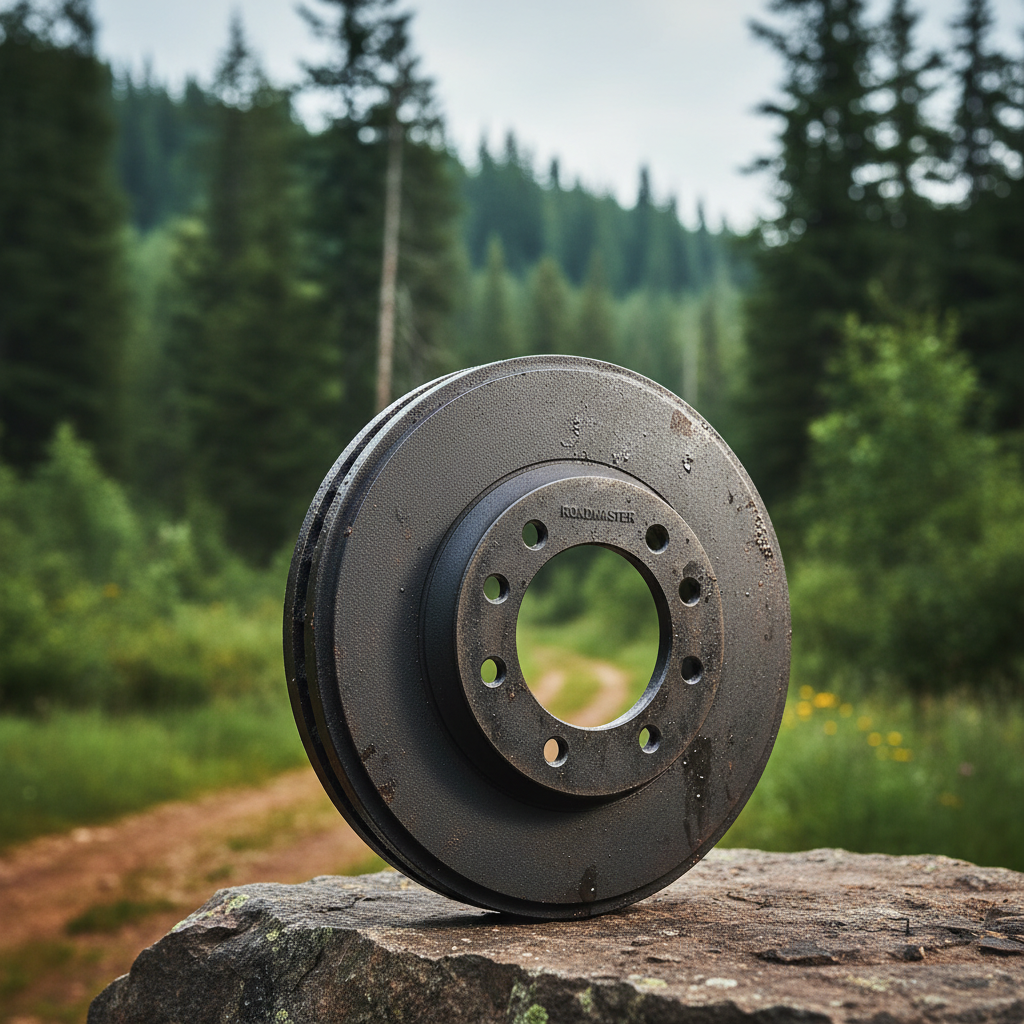
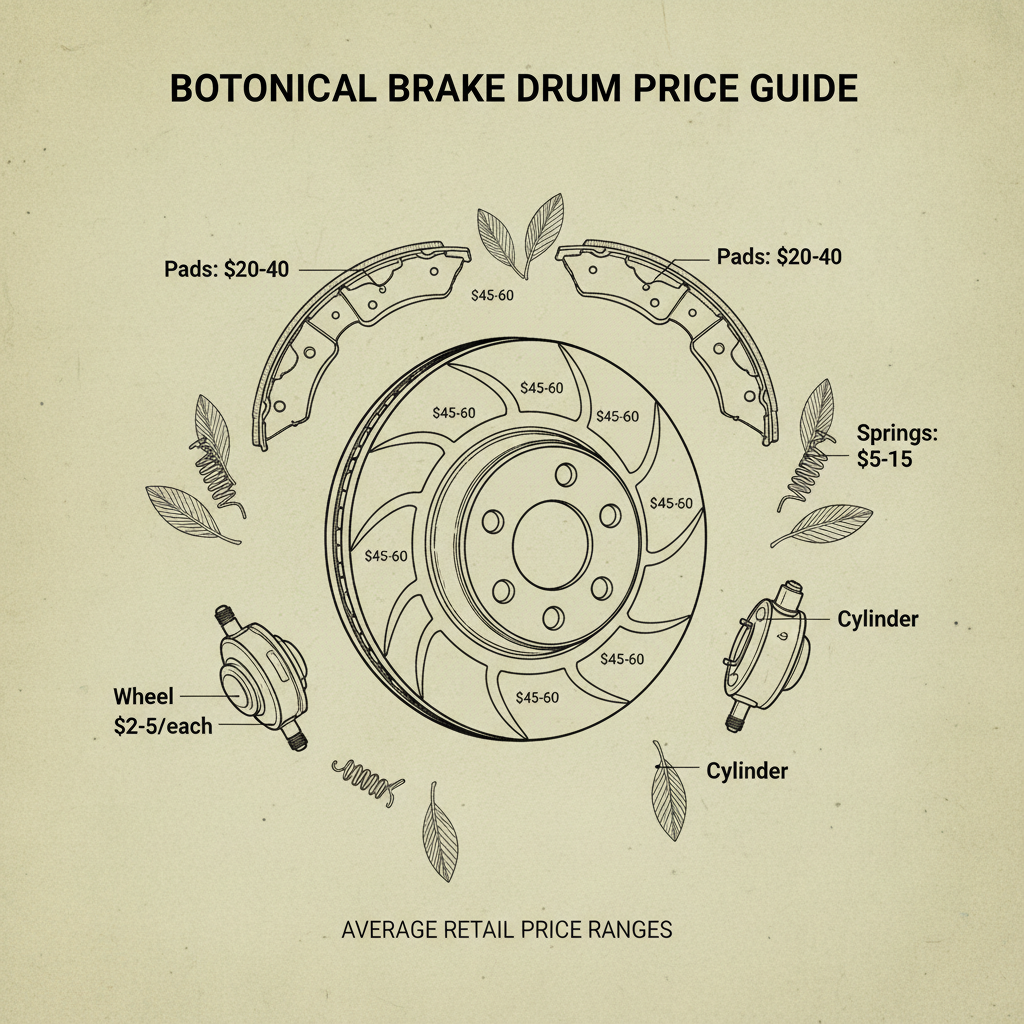
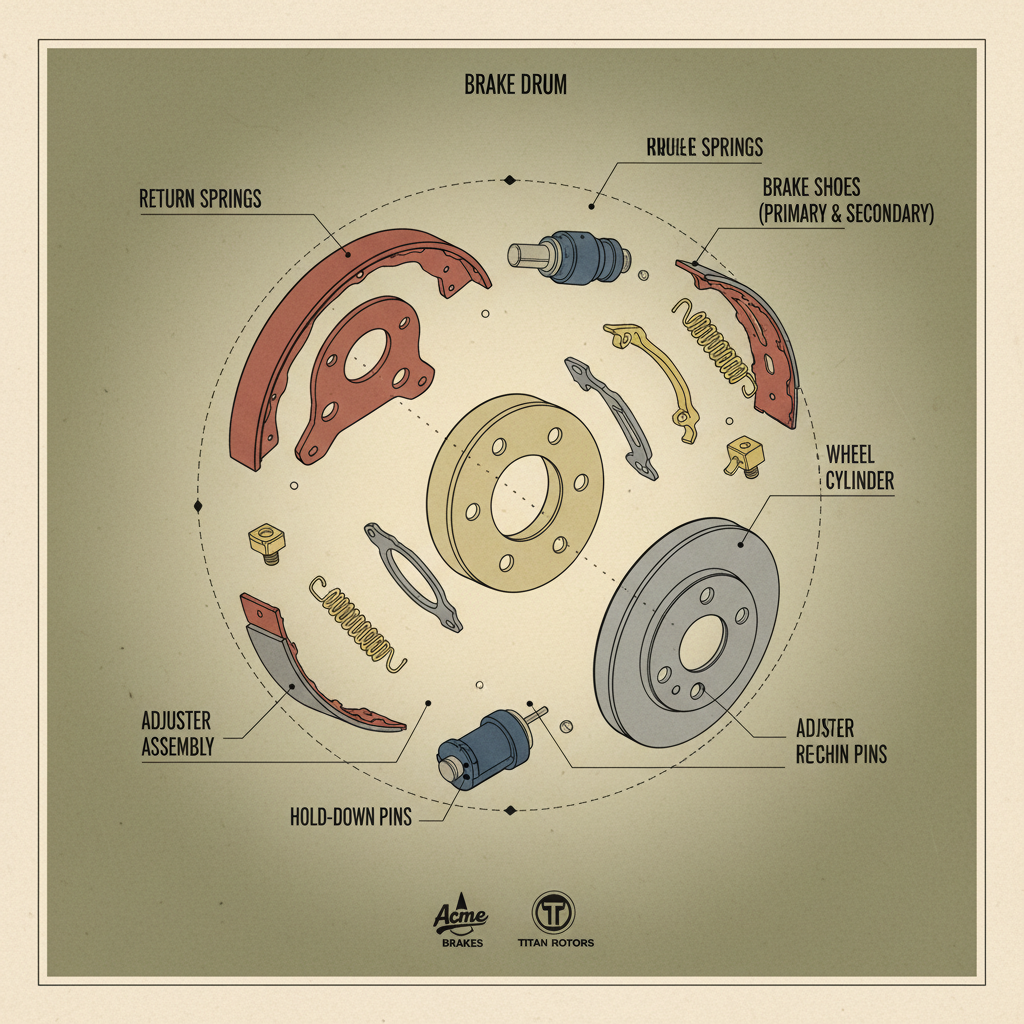
When it comes to the high-octane world of karting, the efficiency of your braking system is the primary determinant of both performance and safety. The 6 inch go kart brake drum serves as the critical interface where kinetic energy is converted into thermal energy, allowing drivers to shave milliseconds off their lap times through precise deceleration. Choosing the right drum size and material ensures that the braking force is consistent, preventing the dangerous "brake fade" often experienced during intense competition.
Across the global manufacturing landscape, the demand for specialized metal tools and precision-engineered parts has surged as DIY karting and professional racing leagues expand. A high-quality 6 inch go kart brake drum is not merely a piece of cast iron; it is a precision-machined component that must adhere to strict tolerances to ensure a perfect fit with the brake shoes. For engineers and enthusiasts alike, understanding the metallurgical properties and geometric accuracy of these drums is essential for maintaining vehicle stability at high speeds.
Ultimately, investing in a premium 6 inch go kart brake drum translates to a significant increase in driver confidence and mechanical reliability. By optimizing the surface area and heat dissipation capabilities, these components allow for more aggressive driving lines and safer emergency stops. Whether you are building a backyard racer or maintaining a professional fleet, the quality of your brake drum is the foundation upon which all other performance upgrades are built.
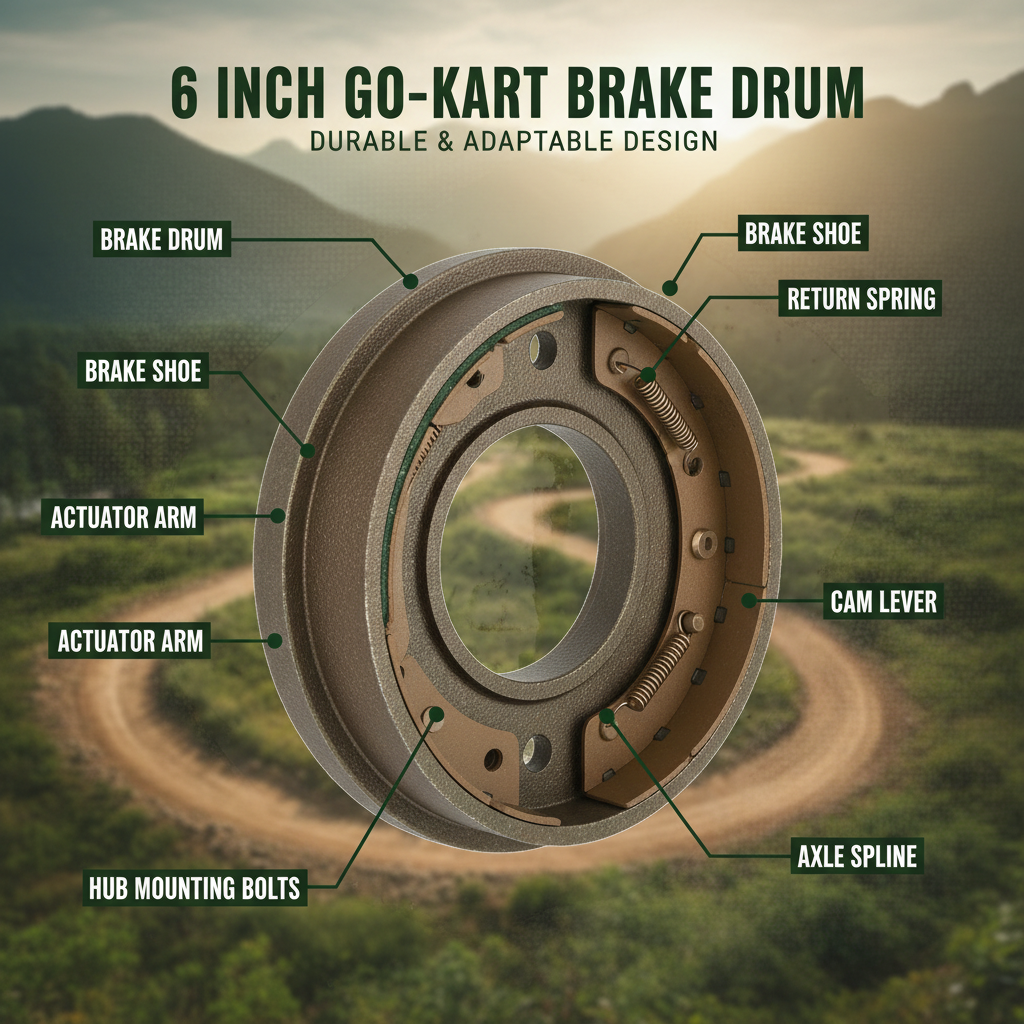
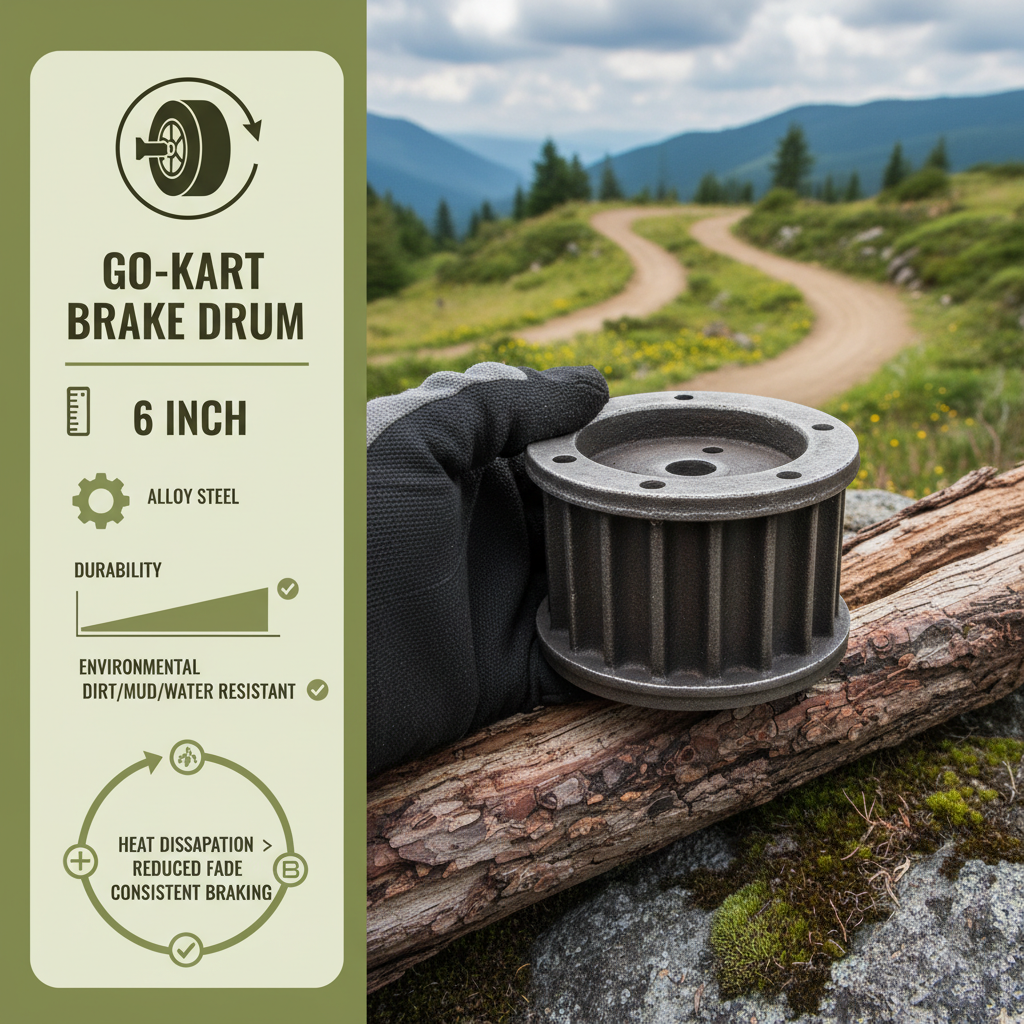
The global market for recreational and competitive karting has seen an unprecedented rise, driving the demand for standardized, high-performance components like the 6 inch go kart brake drum. According to industrial trends in the metal tools sector, the shift toward precision casting and CNC machining has allowed manufacturers to produce drums that offer superior concentricity, reducing vibration and wear on the axle.
As international safety standards evolve, there is a growing pressure to replace generic braking parts with certified, high-grade drums. The 6 inch specification has become a preferred standard for mid-sized karts, offering the optimal balance between rotational mass and heat absorption capacity, ensuring that vehicles can be stopped quickly and safely regardless of the track surface or ambient temperature.
You should inspect your drum for deep scoring, cracks, or an irregular inner diameter. If you experience "brake fade" (a loss of stopping power during heat) or feel a pulsating sensation in the brake pedal, it is likely that your drum has warped or worn beyond the safe limit. Regular measurement with a caliper can confirm if the internal diameter still matches the specifications of your brake shoes.
While the drum diameter is 6 inches, the bore size must match your axle exactly. Using a drum with a larger bore will cause instability and vibration. If the bore is too small, it won't fit. While adapters exist, it is highly recommended to purchase a drum specifically machined for your axle diameter to ensure safety and concentricity.
Cast iron is generally preferred for brake drums because it has superior heat absorption and damping properties compared to steel. It is less likely to warp under high temperatures and provides a more consistent friction surface for the brake shoes, making it the industry standard for high-performance karting applications.
For competitive racing, we recommend inspecting the drum and shoes every 5-10 hours of track time. For recreational use, a monthly check is usually sufficient. Ensure the drum is free of debris and that the brake shoes are adjusted to maintain a tight, responsive gap against the inner wall of the drum.
Yes, indirectly. A higher-quality drum allows for "late braking," meaning you can maintain a higher speed for longer before initiating a stop. By reducing brake fade and providing a more predictable response, you can enter corners with more confidence and precision, which typically leads to faster lap times.
Generally, as long as the internal diameter is standard, most brake shoes will fit. However, different materials (e.g., organic vs. semi-metallic) react differently to the drum surface. For the best performance, it is advisable to pair your drum with shoes that are rated for the same temperature range and material composition.
The 6 inch go kart brake drum is far more than a simple metal cylinder; it is the primary safety mechanism and a key performance driver in the world of karting. From the critical importance of thermal stability and geometric precision to the long-term economic benefits of using high-grade alloys, every aspect of the drum's design impacts the driver's safety and success on the track. By prioritizing quality materials and precision engineering, operators can ensure maximum reliability and performance.
Looking forward, the integration of additive manufacturing and smart materials will continue to push the boundaries of what is possible in braking technology. As we move toward a more sustainable and technologically advanced industry, the evolution of the brake drum will mirror the broader trends of digitalization and green energy. We encourage all karting enthusiasts and industrial operators to invest in certified, high-precision braking components to guarantee safety and peak efficiency. Visit our website for more information: www.jkxyihang.com

 Afrikaans
 Albanian
 Amharic
 Arabic
 Armenian
 Azerbaijani
 Basque
 Belarusian
 Bengali
 Bosnian
 Bulgarian
 Catalan
 Cebuano
 Corsican
 Croatian
 Czech
Czech
 Danish
 Dutch
Dutch
 Esperanto
 Estonian
 Finnish
 French
 Frisian
 Galician
 Georgian
 German
 Greek
Greek
 Gujarati
 Haitian Creole
 Hausa
Hausa
 Hawaiian
 Hebrew
 Hindi
Hindi
 Miao
Miao
 Hungarian
 Icelandic
 Igbo
Igbo
 Indonesian
 Irish
Irish
 Italian
 Japanese
 Javanese
 Kannada
 Kazakh
 Khmer
Khmer
 Rwandese
 Korean
 Kurdish
 Kyrgyz
 Lao
Lao
 Latin
Latin
 Latvian
 Lithuanian
 Luxembourgish
 Macedonian
 Malgashi
 Malay
Malay
 Malayalam
 Maltese
 Maori
Maori
 Marathi
 Mongolian
 Myanmar
 Nepali
 Norwegian
 Norwegian
 Occitan
 Pashto
 Persian
 Polish
 Portuguese
 Punjabi
 Romanian
 Russian
 Samoan
 Scottish Gaelic
 Serbian
 Sesotho
 Shona
Shona
 Sindhi
 Sinhala
 Slovak
 Slovenian
 Somali
 Spanish
 Sundanese
 Swahili
 Swedish
 Tagalog
 Tajik
Tajik
 Tamil
Tamil
 Tatar
Tatar
 Telugu
 Thai
Thai
 Turkish
 Turkmen
 Ukrainian
 Urdu
Urdu
 Uighur
 Uzbek
Uzbek
 Vietnamese
 Welsh
Welsh
 Bantu
Bantu
 Yiddish
 Yoruba
 Zulu
Zulu
 English