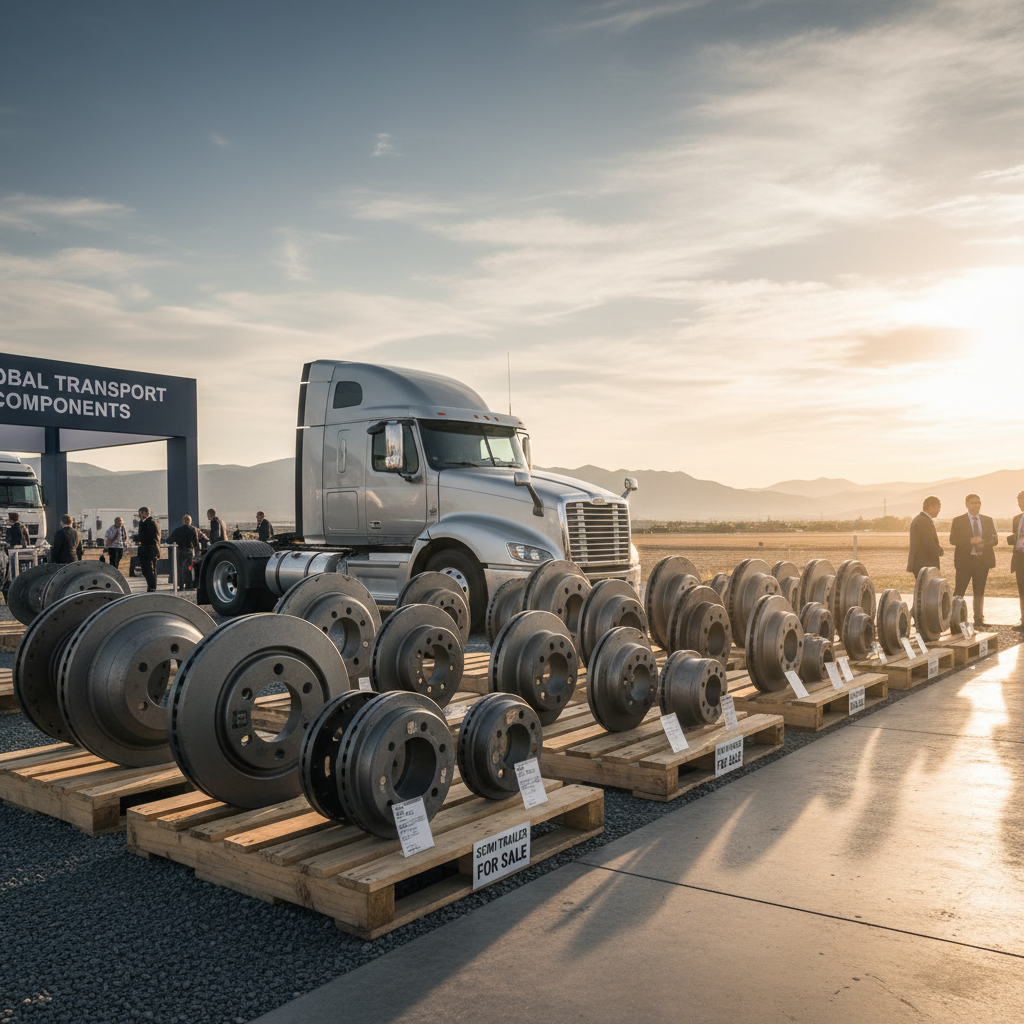
Electric trailer brake drums are critical components in ensuring the safe and efficient operation of trailers across a wide range of industries. These drums, paired with electric brakes, provide reliable stopping power, particularly vital for heavier loads where standard hydraulic brakes may be insufficient. The increasing demand for safer and more controlled towing solutions globally is driving innovation and refinement in electric trailer brake drums technology.
The significance of electric trailer brake drums extends beyond basic safety. They contribute to reduced maintenance costs, improved driver control, and enhanced overall logistics. As transportation volumes continue to grow, especially in e-commerce and freight, the role of these systems in minimizing accidents and streamlining deliveries becomes ever more pronounced. Understanding their functionality and advancements is paramount for fleet managers, trailer manufacturers, and anyone involved in the transportation sector.
Ultimately, the efficiency and reliability of electric trailer brake drums directly impact supply chains and public safety. Investing in high-quality drums and proper maintenance translates to fewer incidents, lower operational expenses, and a more sustainable transportation ecosystem. This technology represents a crucial element in modern transportation infrastructure, offering a practical solution to a growing need for robust braking systems.
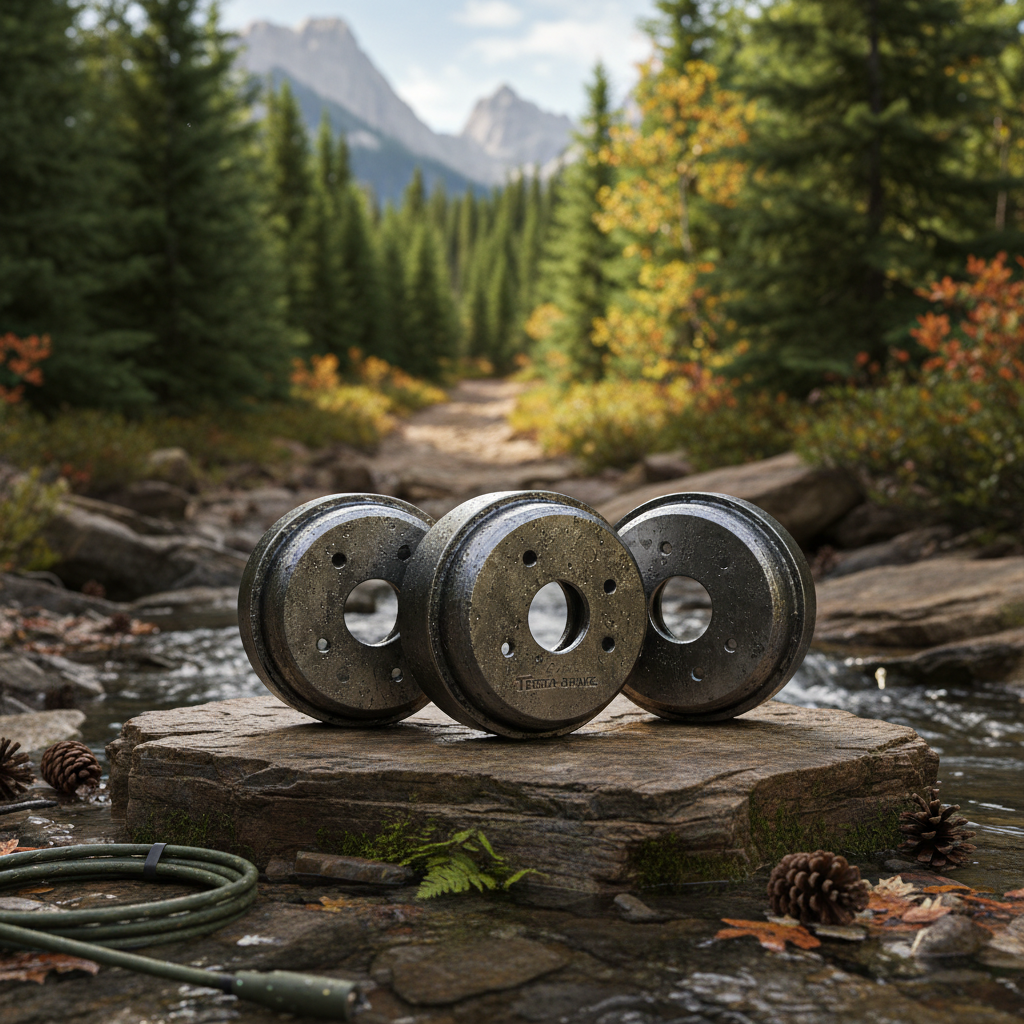
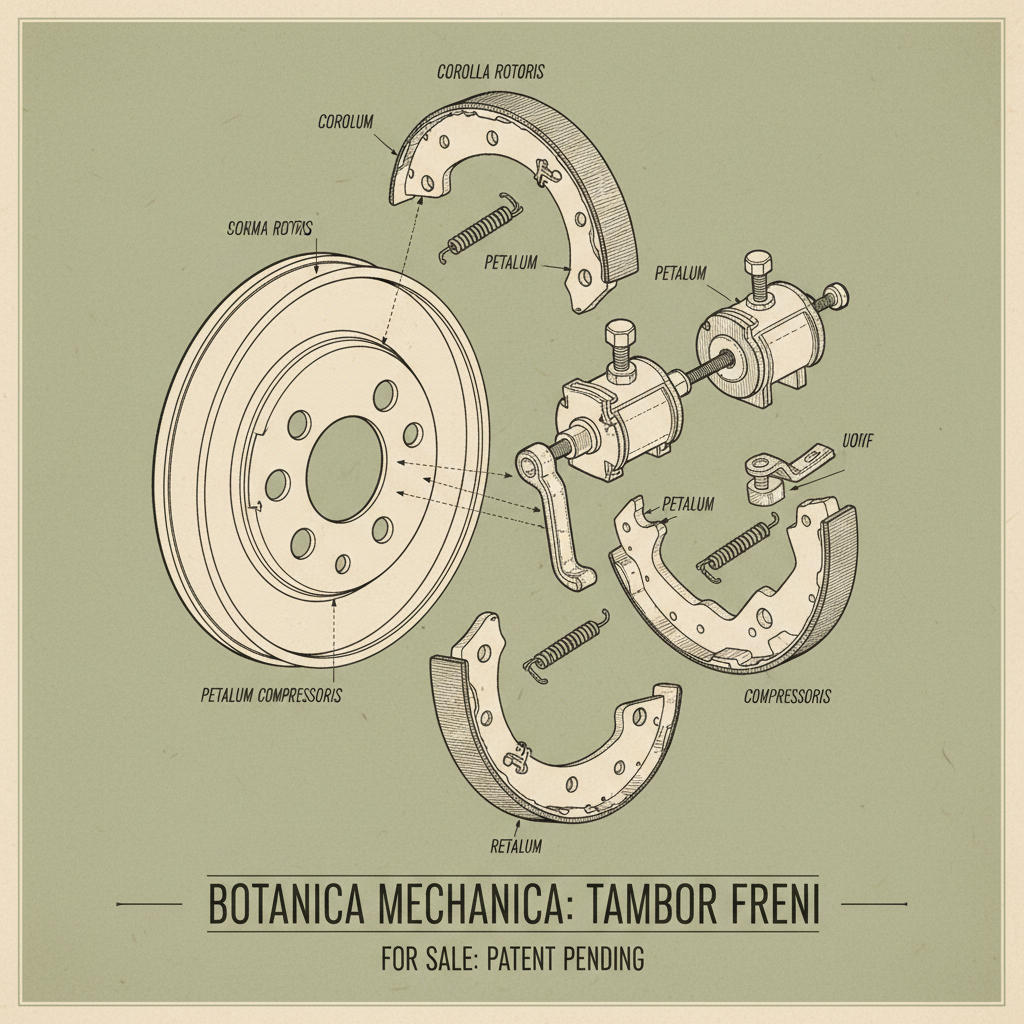
Electric trailer brake drums operate on a principle of electromagnetism to create braking force. Unlike hydraulic systems relying on fluid pressure, electric brakes use an electric current to activate a magnet, which engages with the brake shoes inside the drum. This design offers several advantages, including simpler installation and easier maintenance. The quality of the drum material – typically cast iron or composite materials – significantly impacts performance and longevity.
Understanding the interplay between the electric actuator, the brake shoes, and the drum itself is crucial for diagnosing and resolving any braking issues. The consistent engagement and disengagement of these components ensure smooth and reliable stopping power, which is paramount for safe towing. A properly maintained electric trailer brake drums system contributes to overall vehicle safety and operational efficiency.
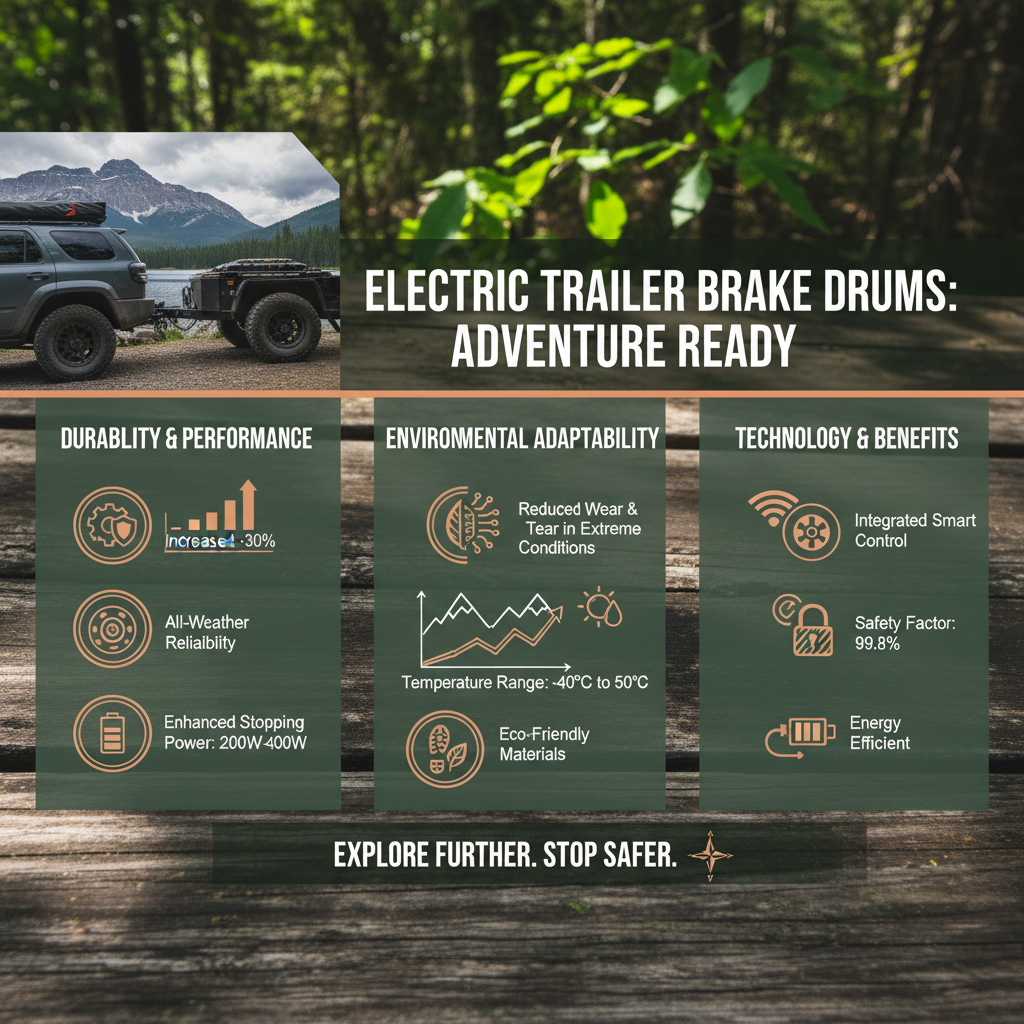
Electric trailer brakes offer several advantages, including easier installation as they don't require hydraulic lines running the length of the trailer. They are generally more responsive, especially in emergency situations, and require less maintenance due to the absence of fluid leaks. Furthermore, electric brakes offer more precise control, making them ideal for heavier loads and challenging driving conditions. Their simplicity and ease of adjustment also contribute to lower long-term costs.
Electric trailer brake drums should be inspected at least once a year, or more frequently if the trailer is used heavily or in demanding conditions. During inspection, check for signs of wear, cracks, or damage. Also, inspect the brake shoes for wear and ensure they are properly adjusted. Regular inspections and maintenance will extend the life of the drums and ensure optimal braking performance. Following the manufacturer’s recommendations is crucial.
It is generally not recommended to mix and match electric brake drums from different manufacturers. Variations in manufacturing tolerances and materials can lead to uneven braking performance and premature wear. It’s best to use matching sets of drums from the same manufacturer to ensure consistent and reliable braking. Using non-compatible drums can compromise the safety of the braking system.
Overheating can occur due to several factors, including prolonged braking, improper adjustment, or a malfunctioning brake controller. When the brakes are applied continuously, the friction generates heat. If the heat cannot dissipate quickly enough, the drums can overheat, leading to brake fade and reduced stopping power. Proper adjustment, ensuring adequate ventilation, and a functioning brake controller are crucial for preventing overheating.
Yes, the most common material used in electric trailer brake drums is cast iron, known for its heat dissipation properties and durability. However, composite materials are also becoming increasingly popular due to their lighter weight and corrosion resistance. The choice of material depends on the application and the desired performance characteristics. Composite drums are often used in marine environments to prevent rust and corrosion.
Replace your electric trailer brake drums if you notice signs of significant wear, such as deep grooves, cracks, or warping. If the drums are severely damaged or if they have reached their minimum thickness specification (as indicated by the manufacturer), replacement is necessary. Ignoring these signs can compromise braking performance and create a safety hazard. Routine inspections will help identify when replacement is needed.
In conclusion, electric trailer brake drums are an essential component of safe and efficient transportation, providing reliable stopping power for a wide array of trailers and applications. From their fundamental operation to the emerging trends in materials and technology, understanding their principles and maintenance is crucial for anyone involved in the towing industry. Their advantages in terms of safety, cost-effectiveness, and ease of maintenance make them a preferred choice for many users.
Looking ahead, continued innovation in electric trailer brake drum technology promises to further enhance safety, performance, and sustainability. By embracing advancements in materials science, sensor integration, and automation, we can create braking systems that are more responsive, reliable, and environmentally friendly. Visit our website at www.jkxyihang.com to explore our range of high-quality electric trailer brake drums and learn more about how we can meet your specific needs.

 Afrikaans
 Albanian
 Amharic
 Arabic
 Armenian
 Azerbaijani
 Basque
 Belarusian
 Bengali
 Bosnian
 Bulgarian
 Catalan
 Cebuano
 Corsican
 Croatian
 Czech
Czech
 Danish
 Dutch
Dutch
 Esperanto
 Estonian
 Finnish
 French
 Frisian
 Galician
 Georgian
 German
 Greek
Greek
 Gujarati
 Haitian Creole
 Hausa
Hausa
 Hawaiian
 Hebrew
 Hindi
Hindi
 Miao
Miao
 Hungarian
 Icelandic
 Igbo
Igbo
 Indonesian
 Irish
Irish
 Italian
 Japanese
 Javanese
 Kannada
 Kazakh
 Khmer
Khmer
 Rwandese
 Korean
 Kurdish
 Kyrgyz
 Lao
Lao
 Latin
Latin
 Latvian
 Lithuanian
 Luxembourgish
 Macedonian
 Malgashi
 Malay
Malay
 Malayalam
 Maltese
 Maori
Maori
 Marathi
 Mongolian
 Myanmar
 Nepali
 Norwegian
 Norwegian
 Occitan
 Pashto
 Persian
 Polish
 Portuguese
 Punjabi
 Romanian
 Russian
 Samoan
 Scottish Gaelic
 Serbian
 Sesotho
 Shona
Shona
 Sindhi
 Sinhala
 Slovak
 Slovenian
 Somali
 Spanish
 Sundanese
 Swahili
 Swedish
 Tagalog
 Tajik
Tajik
 Tamil
Tamil
 Tatar
Tatar
 Telugu
 Thai
Thai
 Turkish
 Turkmen
 Ukrainian
 Urdu
Urdu
 Uighur
 Uzbek
Uzbek
 Vietnamese
 Welsh
Welsh
 Bantu
Bantu
 Yiddish
 Yoruba
 Zulu
Zulu
 English