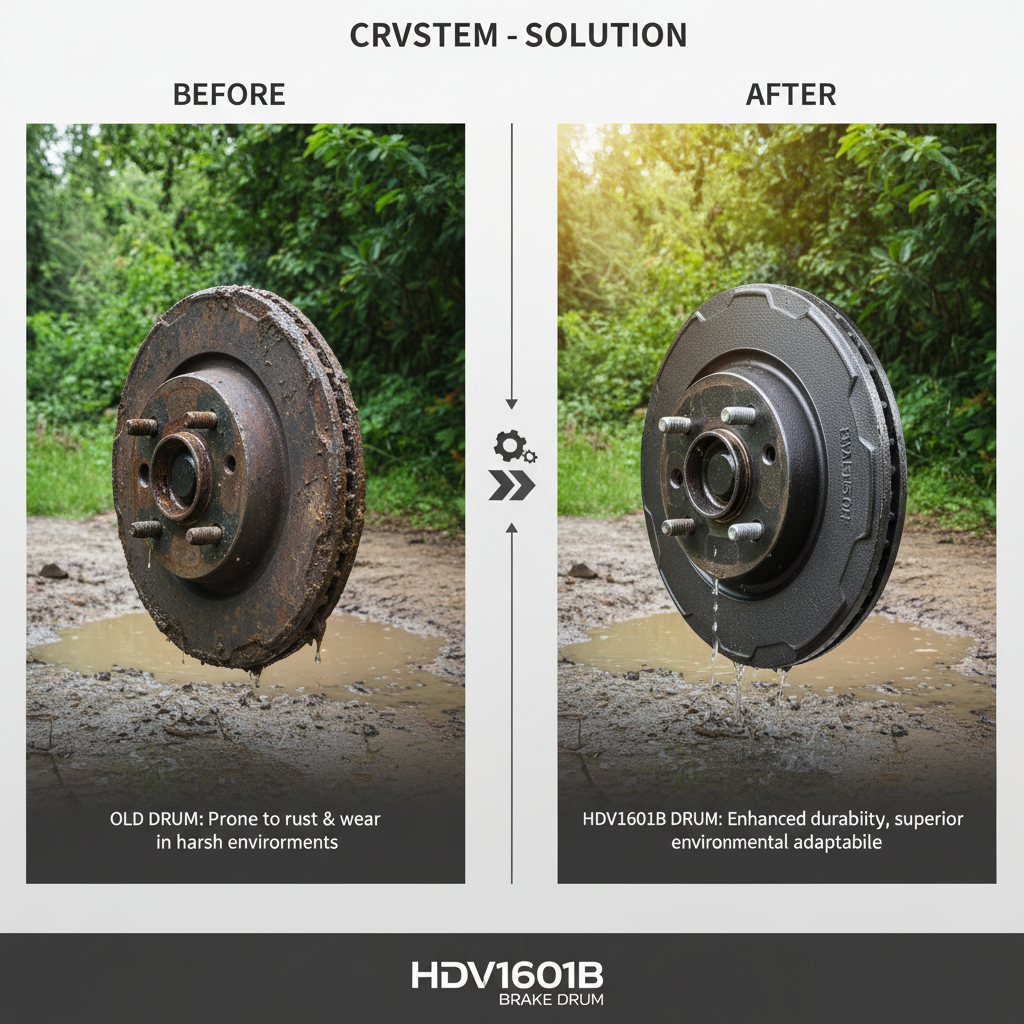
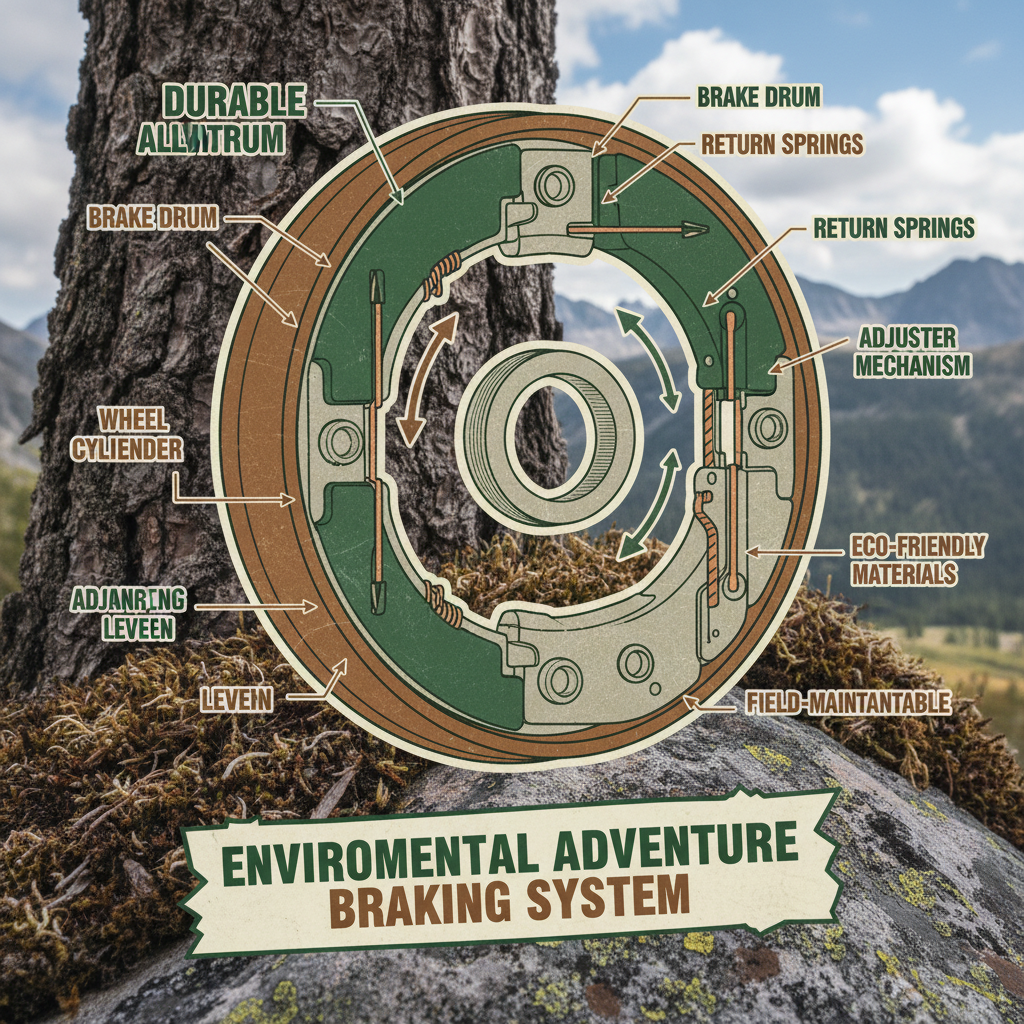
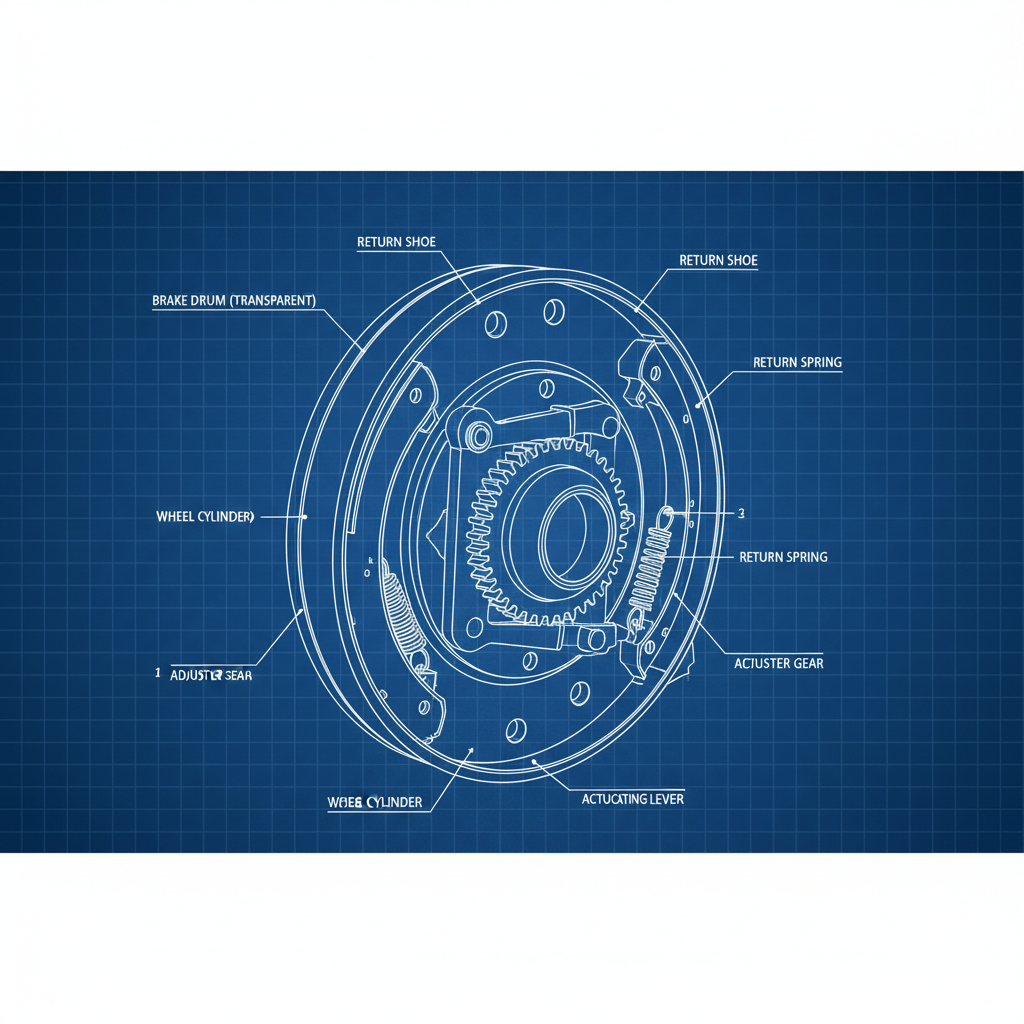
The brake drum for truck is a critical component in the braking systems of heavy-duty vehicles, responsible for converting kinetic energy into thermal energy through friction, ultimately bringing the vehicle to a halt. Its reliability and performance directly impact road safety and operational efficiency within the trucking industry. Understanding the nuances of brake drum design, material science, and maintenance is paramount for fleet managers, mechanics, and vehicle manufacturers alike.
Globally, the demand for robust and dependable brake drum for truck solutions is driven by increasing commercial vehicle activity, stringent safety regulations, and the growing need for cost-effective transportation. The trucking industry supports a vast network of supply chains, and any disruption in brake system functionality can have significant economic consequences. Innovations in brake drum technology are continually evolving to address these challenges.
Specifically, brake drum for truck technology is vital for managing the immense weight and operational demands of commercial vehicles, playing a crucial role in preventing accidents and minimizing downtime. As logistics continue to expand, the need for durable and effective braking systems, with the brake drum at its heart, becomes ever more critical.

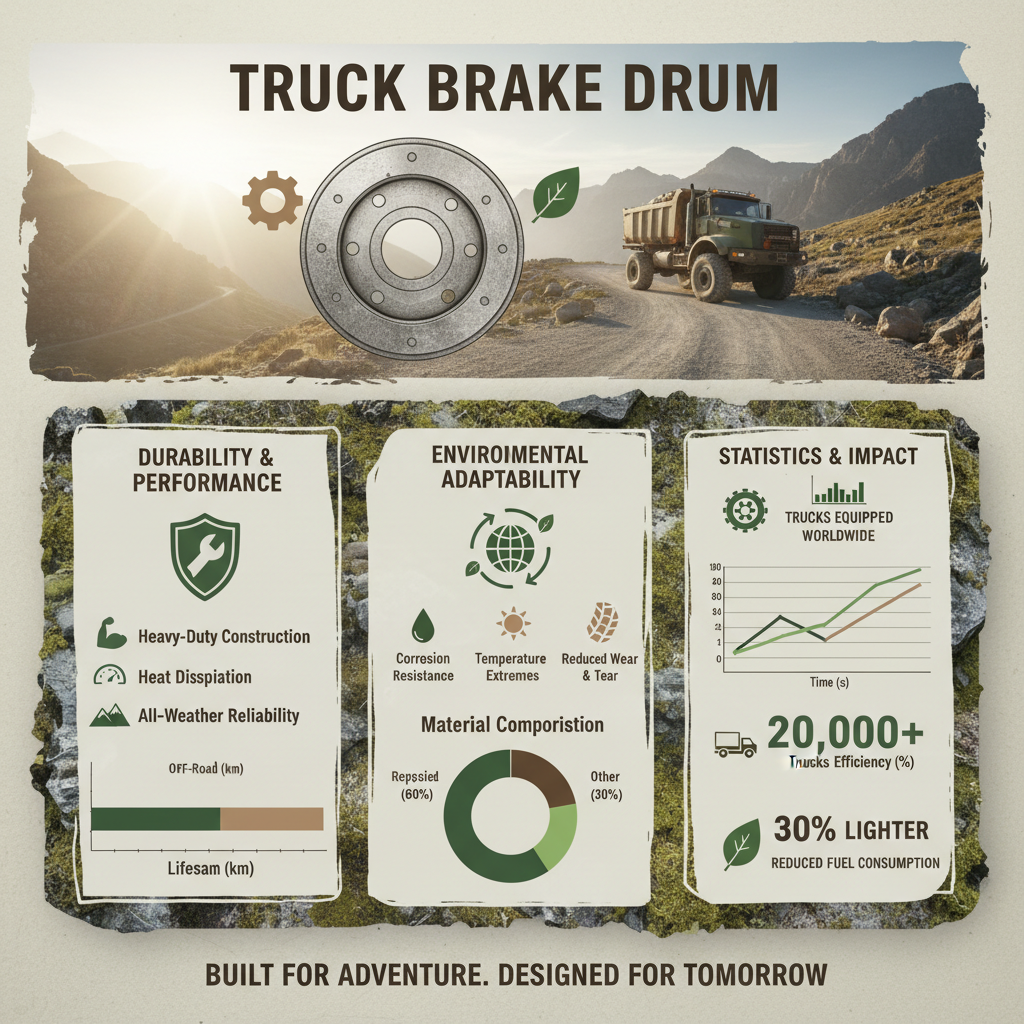
The brake drum for truck is arguably the most fundamental element in a commercial vehicle's braking system. Its primary function is to provide a surface against which brake shoes or pads can create friction, slowing and ultimately stopping the vehicle. A failing brake drum compromises the entire braking system.
Ensuring the integrity of the brake drum directly impacts driver safety, cargo security, and overall operational costs. Regular inspection and timely replacement are crucial for preventing catastrophic failures and maintaining compliance with safety regulations. Understanding its importance is the first step in ensuring safe and reliable transport.
The lifespan of a brake drum for truck varies considerably depending on driving conditions, load weight, and maintenance practices. Generally, a well-maintained brake drum can last between 50,000 to 200,000 miles. However, heavily loaded trucks operating in mountainous terrain may require replacement sooner. Regular inspections are key to determining when replacement is necessary, looking for signs of wear, cracking, or warping.
Several indicators suggest it’s time to replace your brake drums. These include excessive wear exceeding the manufacturer's specifications, visible cracks or damage, noticeable warping, and a pulsating brake pedal. Deep scoring or grooves on the drum surface also indicate the need for replacement. Routine inspections by a qualified mechanic are crucial for identifying these issues.
Yes, there are several types of brake drums, including cast iron, ductile iron, and composite drums. Cast iron drums are the most common and cost-effective, while ductile iron drums offer greater strength and durability. Composite drums, utilizing materials like steel and cast iron, aim to provide a balance of weight reduction and performance. The best choice depends on the specific vehicle and application.
Brake drum material significantly impacts performance. Cast iron provides excellent heat capacity and wear resistance, while ductile iron offers improved strength. Composite materials can reduce weight, enhancing fuel efficiency. The material’s ability to dissipate heat is critical, as overheating leads to brake fade. Selecting the appropriate material ensures optimal braking performance and safety.
Regular brake drum maintenance includes visual inspections for wear and damage, cleaning to remove debris, and ensuring proper brake adjustment. It’s crucial to check for cracks, scoring, and warping. Resurfacing drums can extend their lifespan in some cases, but replacement is necessary when damage is severe. Routine maintenance ensures optimal braking performance and safety.
Yes, worn brake drums can negatively affect other braking components. Uneven wear can cause premature wear of brake shoes or pads, and warping can lead to vibrations and reduced braking efficiency. Ignoring worn brake drums can result in costly repairs to the entire braking system and compromise safety. Regular inspections and timely replacements are crucial.
In conclusion, the brake drum for truck remains a vital component in ensuring safe and efficient commercial vehicle operation. Understanding its function, material properties, and maintenance requirements is paramount for fleet managers, mechanics, and vehicle operators alike. Investing in high-quality brake drums, like those available at brake drum for truck, contributes to reduced downtime, lower lifecycle costs, and, most importantly, enhanced safety.
Looking ahead, advancements in materials science, digital monitoring, and predictive maintenance will continue to shape the future of brake drum technology. Embracing these innovations will be crucial for meeting the evolving demands of the transportation industry and ensuring a safer, more sustainable future. Prioritizing preventative maintenance and utilizing superior components will remain fundamental principles for maintaining optimal braking performance.

 Afrikaans
 Albanian
 Amharic
 Arabic
 Armenian
 Azerbaijani
 Basque
 Belarusian
 Bengali
 Bosnian
 Bulgarian
 Catalan
 Cebuano
 Corsican
 Croatian
 Czech
Czech
 Danish
 Dutch
Dutch
 Esperanto
 Estonian
 Finnish
 French
 Frisian
 Galician
 Georgian
 German
 Greek
Greek
 Gujarati
 Haitian Creole
 Hausa
Hausa
 Hawaiian
 Hebrew
 Hindi
Hindi
 Miao
Miao
 Hungarian
 Icelandic
 Igbo
Igbo
 Indonesian
 Irish
Irish
 Italian
 Japanese
 Javanese
 Kannada
 Kazakh
 Khmer
Khmer
 Rwandese
 Korean
 Kurdish
 Kyrgyz
 Lao
Lao
 Latin
Latin
 Latvian
 Lithuanian
 Luxembourgish
 Macedonian
 Malgashi
 Malay
Malay
 Malayalam
 Maltese
 Maori
Maori
 Marathi
 Mongolian
 Myanmar
 Nepali
 Norwegian
 Norwegian
 Occitan
 Pashto
 Persian
 Polish
 Portuguese
 Punjabi
 Romanian
 Russian
 Samoan
 Scottish Gaelic
 Serbian
 Sesotho
 Shona
Shona
 Sindhi
 Sinhala
 Slovak
 Slovenian
 Somali
 Spanish
 Sundanese
 Swahili
 Swedish
 Tagalog
 Tajik
Tajik
 Tamil
Tamil
 Tatar
Tatar
 Telugu
 Thai
Thai
 Turkish
 Turkmen
 Ukrainian
 Urdu
Urdu
 Uighur
 Uzbek
Uzbek
 Vietnamese
 Welsh
Welsh
 Bantu
Bantu
 Yiddish
 Yoruba
 Zulu
Zulu
 English