The 66893f brake drum plays a critical role in ensuring vehicle safety and operational efficiency. As a fundamental component of braking systems across a wide range of vehicles – from passenger cars to heavy-duty trucks – understanding its design, materials, and performance characteristics is paramount. Its significance extends beyond mere functionality; advancements in 66893f brake drum technology directly contribute to reduced stopping distances, improved vehicle control, and enhanced overall road safety globally.
The global automotive industry is experiencing a period of rapid transformation, driven by factors such as electrification, autonomous driving, and increasing demand for fuel efficiency. Within this context, the 66893f brake drum is undergoing continuous innovation to meet evolving performance requirements. Regulatory standards focusing on brake performance and emissions are also key drivers, compelling manufacturers to explore advanced materials and designs for optimal braking solutions.
Furthermore, the reliable supply chain of components like the 66893f brake drum is crucial for maintaining automotive production schedules. Disruptions in this supply chain, as witnessed during recent global events, highlight the importance of resilient manufacturing processes and diversified sourcing strategies. Understanding the intricacies of this component is therefore essential for automotive engineers, manufacturers, and anyone involved in the vehicle maintenance and safety industries.
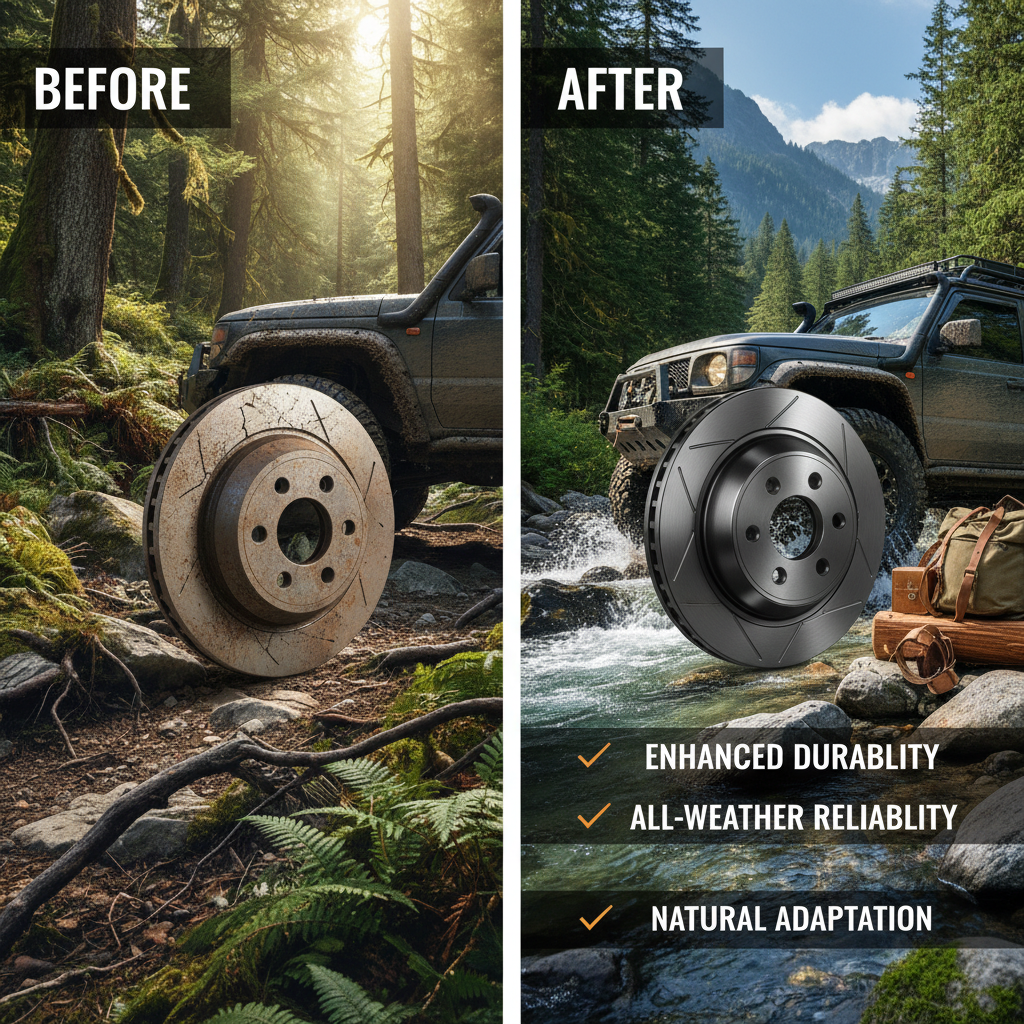
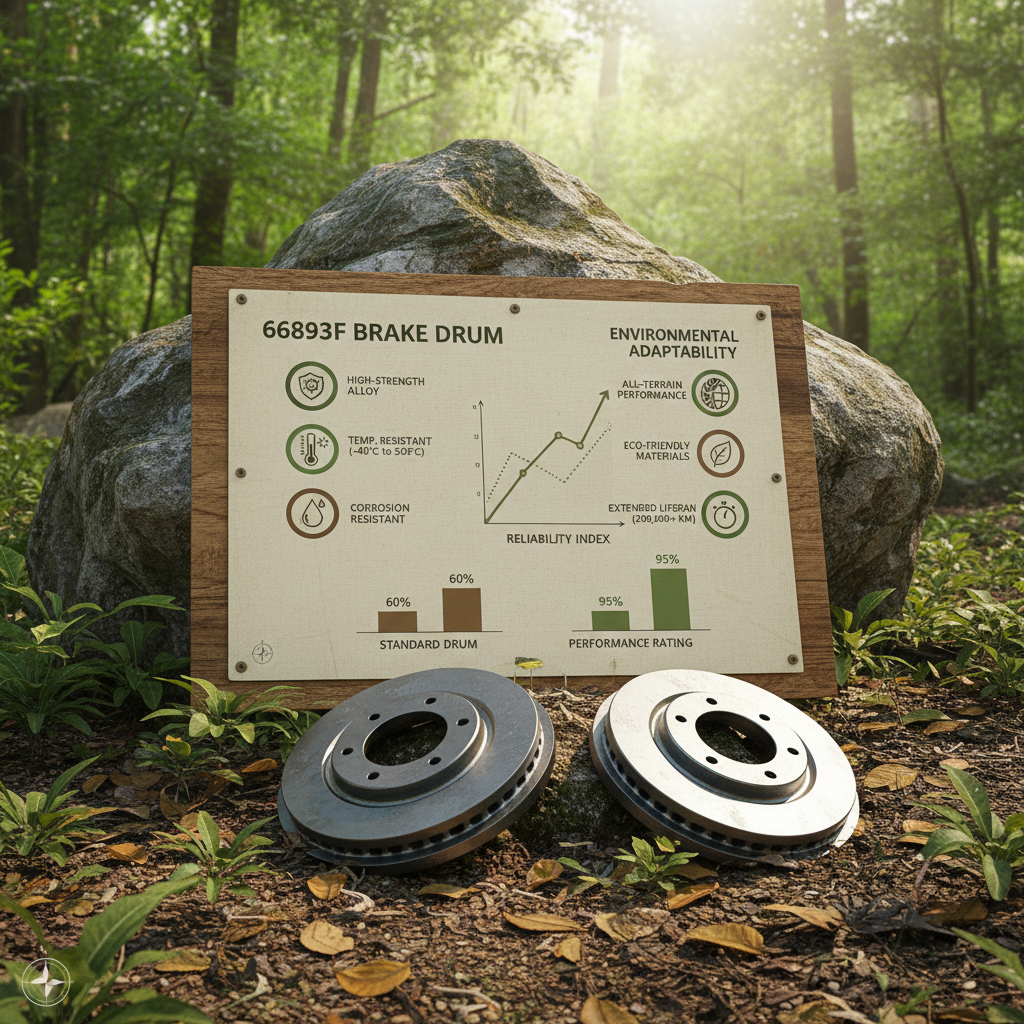
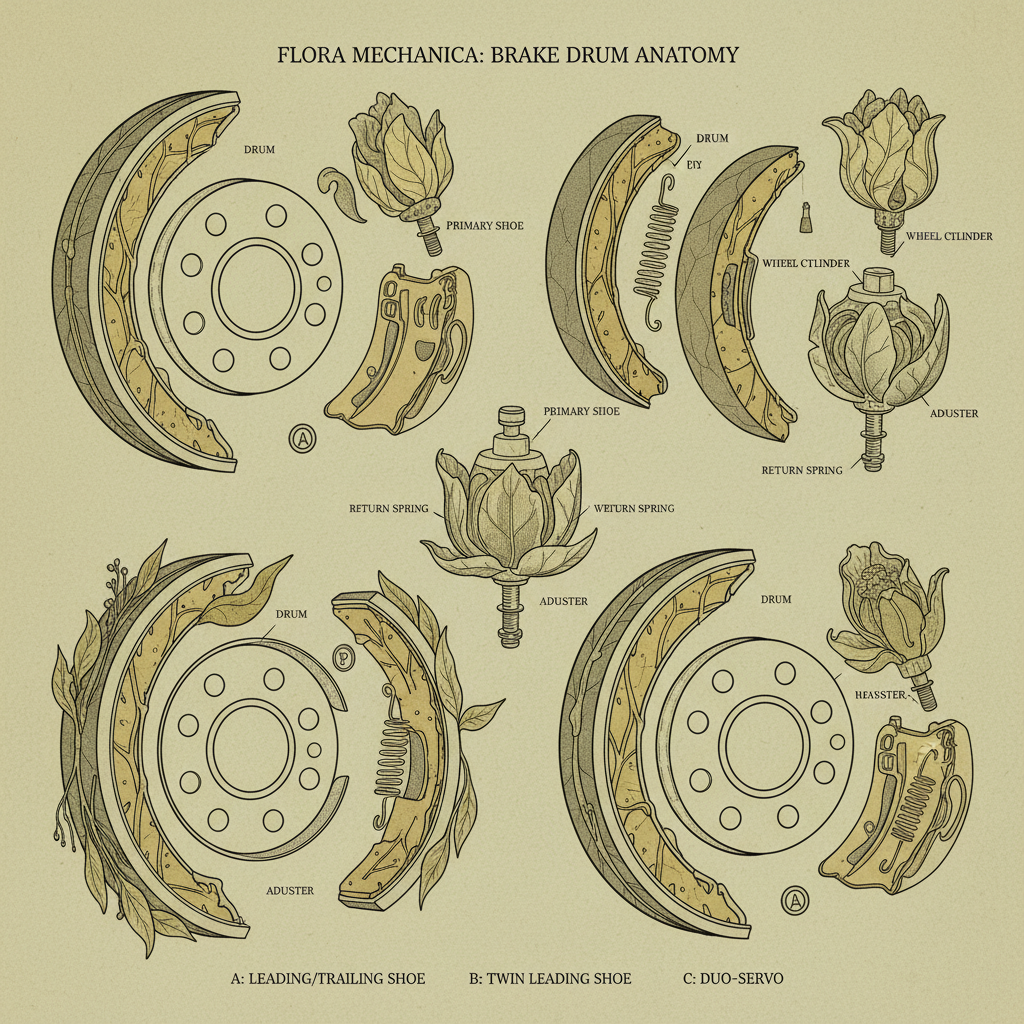
The 66893f brake drum is a crucial component within the braking system of many vehicles. Its primary function is to provide a surface against which brake shoes or pads are applied by the wheel cylinder or caliper, creating friction and slowing or stopping the vehicle’s rotation. The performance and reliability of the 66893f brake drum are directly linked to the overall safety and efficiency of the vehicle.
Modern 66893f brake drum designs focus on achieving optimal heat dissipation, minimizing weight, and maximizing durability. Materials such as cast iron, composite materials, and advanced alloys are frequently used to achieve these objectives. The precise engineering and manufacturing processes involved in producing a high-quality 66893f brake drum contribute significantly to its longevity and performance under various driving conditions.
The lifespan of a 66893f brake drum can vary considerably depending on driving conditions, vehicle load, and maintenance practices. Generally, a well-maintained 66893f brake drum can last between 60,000 and 150,000 kilometers. However, factors like frequent hard braking, heavy loads, and corrosive environments can significantly reduce its lifespan. Regular inspections are crucial to identify wear and tear early on and prevent premature failure.
Several indicators suggest a 66893f brake drum may need replacing. These include noticeable grooves or scoring on the braking surface, excessive rust, cracking, or warping. Furthermore, if you experience a grinding noise during braking, pulsating brake pedal feel, or reduced braking performance, it’s a strong indication that the brake drum is worn and requires attention. A qualified mechanic should inspect the brake drums regularly.
Traditionally, 66893f brake drums are made from cast iron due to its cost-effectiveness and good heat absorption properties. However, newer designs increasingly incorporate alloyed cast iron for improved strength and durability. High-performance applications may utilize composite materials or even carbon ceramic, offering significant weight savings and enhanced thermal management. The specific material used depends on the vehicle's application and performance requirements.
Resurfacing a 66893f brake drum is possible, but it’s subject to limitations. The minimum acceptable thickness of the brake drum must not be compromised during resurfacing, as this can weaken the structure and compromise safety. A qualified mechanic should measure the drum's thickness before and after resurfacing to ensure it meets manufacturer specifications. Repeated resurfacing reduces the drum’s lifespan and is not always recommended.
No, 66893f brake drums are typically not interchangeable between different vehicle models. Each vehicle is designed with specific brake drum dimensions, materials, and mounting configurations. Using an incorrect brake drum can lead to poor braking performance, safety hazards, and potential damage to the braking system. Always refer to the vehicle's service manual or a reliable parts catalog to ensure compatibility.
Regular maintenance of 66893f brake drums includes periodic inspections for wear, rust, and damage. It's important to keep the drums clean and free of debris. Brake fluid should be checked and replaced according to the vehicle’s maintenance schedule. Proper wheel alignment and balanced tires can also minimize uneven brake wear. Addressing any issues promptly ensures optimal performance and extends the brake drum’s lifespan.
In conclusion, the 66893f brake drum remains a critical component in ensuring vehicle safety and performance. Understanding its design, materials, and maintenance requirements is essential for vehicle owners, mechanics, and manufacturers alike. The ongoing evolution of brake drum technology, driven by innovations in materials science and engineering, promises even greater efficiency, durability, and reliability in the future.
As the automotive industry continues to evolve, prioritizing the quality and performance of components like the 66893f brake drum is paramount. By investing in advanced braking systems and embracing proactive maintenance practices, we can enhance road safety, reduce vehicle operating costs, and contribute to a more sustainable transportation future. Visit our website at www.jkxyihang.com to learn more about our range of high-quality brake drum solutions.
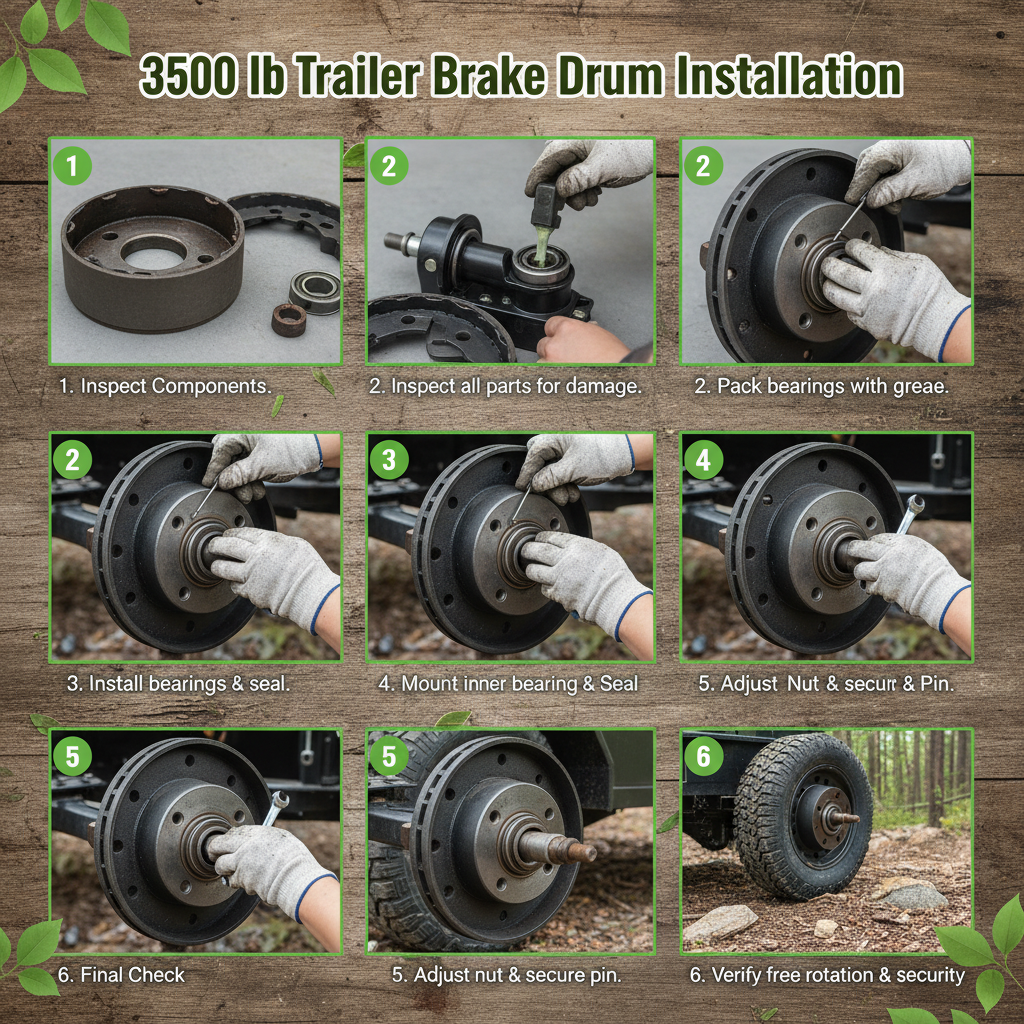
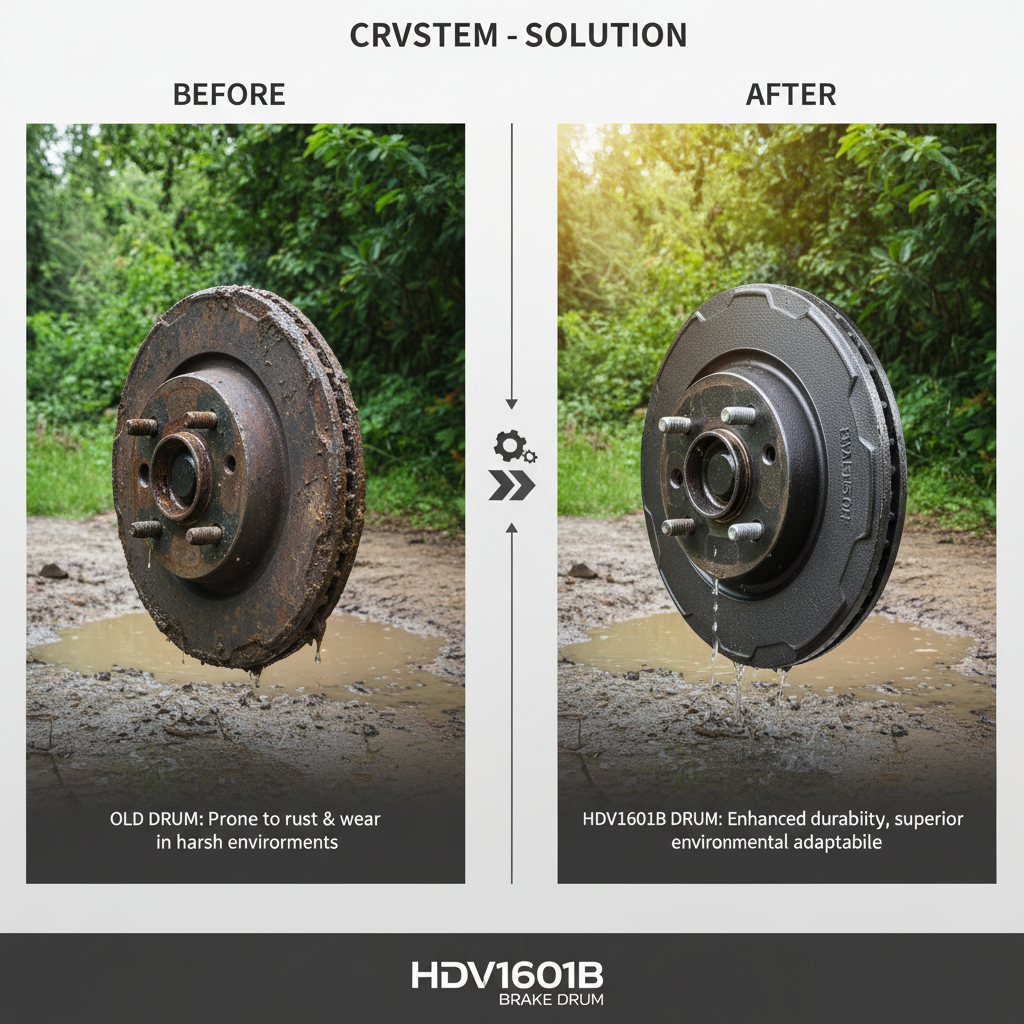


 Afrikaans
 Albanian
 Amharic
 Arabic
 Armenian
 Azerbaijani
 Basque
 Belarusian
 Bengali
 Bosnian
 Bulgarian
 Catalan
 Cebuano
 Corsican
 Croatian
 Czech
Czech
 Danish
 Dutch
Dutch
 Esperanto
 Estonian
 Finnish
 French
 Frisian
 Galician
 Georgian
 German
 Greek
Greek
 Gujarati
 Haitian Creole
 Hausa
Hausa
 Hawaiian
 Hebrew
 Hindi
Hindi
 Miao
Miao
 Hungarian
 Icelandic
 Igbo
Igbo
 Indonesian
 Irish
Irish
 Italian
 Japanese
 Javanese
 Kannada
 Kazakh
 Khmer
Khmer
 Rwandese
 Korean
 Kurdish
 Kyrgyz
 Lao
Lao
 Latin
Latin
 Latvian
 Lithuanian
 Luxembourgish
 Macedonian
 Malgashi
 Malay
Malay
 Malayalam
 Maltese
 Maori
Maori
 Marathi
 Mongolian
 Myanmar
 Nepali
 Norwegian
 Norwegian
 Occitan
 Pashto
 Persian
 Polish
 Portuguese
 Punjabi
 Romanian
 Russian
 Samoan
 Scottish Gaelic
 Serbian
 Sesotho
 Shona
Shona
 Sindhi
 Sinhala
 Slovak
 Slovenian
 Somali
 Spanish
 Sundanese
 Swahili
 Swedish
 Tagalog
 Tajik
Tajik
 Tamil
Tamil
 Tatar
Tatar
 Telugu
 Thai
Thai
 Turkish
 Turkmen
 Ukrainian
 Urdu
Urdu
 Uighur
 Uzbek
Uzbek
 Vietnamese
 Welsh
Welsh
 Bantu
Bantu
 Yiddish
 Yoruba
 Zulu
Zulu
 English