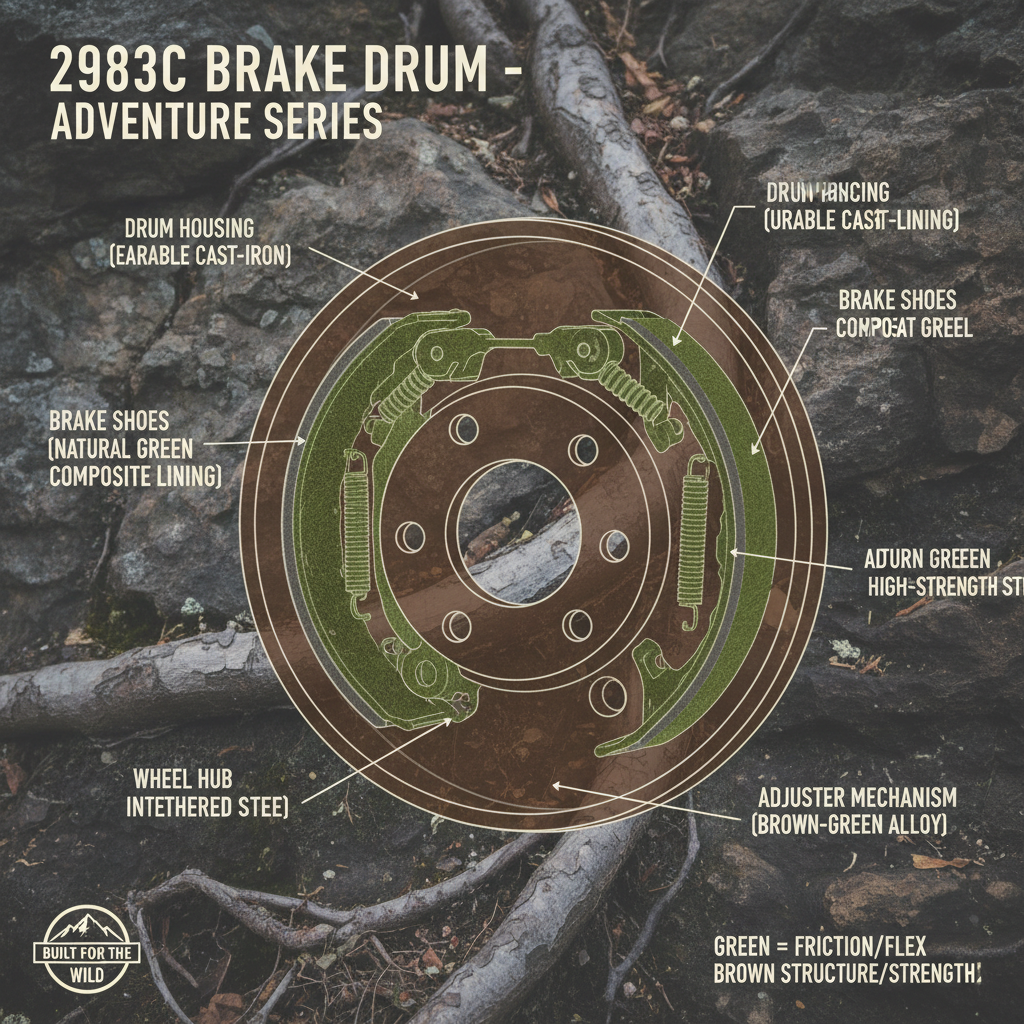
The 12 brake drum, a critical component in vehicle safety systems, is experiencing increasing demand globally due to expanding automotive production and a heightened focus on brake performance. Understanding its design, materials, and maintenance is paramount for automotive engineers, technicians, and manufacturers. Effective brake systems are directly linked to road safety, making the 12 brake drum a cornerstone of modern transportation.
The automotive industry is undergoing rapid transformation, driven by electric vehicles and autonomous driving technologies. This evolution presents both challenges and opportunities for brake drum manufacturers. The 12 brake drum, while seemingly traditional, is undergoing innovation in materials and designs to meet these new demands – optimizing performance and reducing weight.
Furthermore, the increasing stringency of safety regulations worldwide necessitates advanced braking solutions, with the 12 brake drum playing a crucial role in achieving compliance. This drives continuous research and development in brake drum technology, ensuring both reliability and efficiency in various driving conditions.

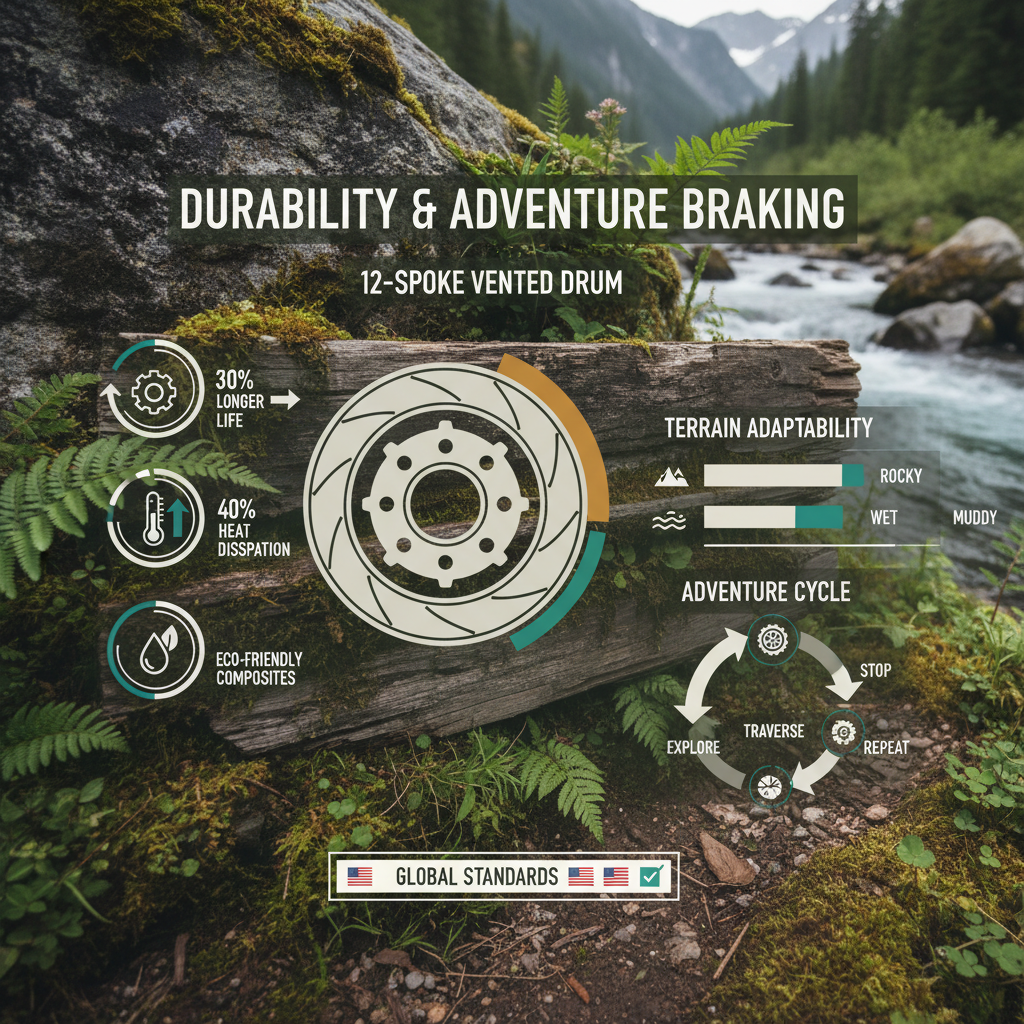
The 12 brake drum is a foundational component of braking systems in numerous vehicles, ranging from passenger cars to heavy-duty trucks. Its primary function is to provide a surface for brake shoes to press against, creating friction and slowing the vehicle down. Understanding the intricacies of the 12 brake drum is vital for ensuring optimal braking performance and vehicle safety.
The design and manufacturing of a 12 brake drum require precision engineering and careful material selection. Factors like heat dissipation, wear resistance, and structural integrity are all critical considerations. Continued advancements in these areas contribute to safer and more reliable braking systems, enhancing overall vehicle dependability.
The lifespan of a 12 brake drum varies significantly depending on driving conditions, vehicle load, and maintenance practices. However, a well-maintained 12 brake drum typically lasts between 50,000 and 100,000 miles. Regular inspections and timely replacements of brake shoes are crucial for maximizing drum longevity. Severe driving conditions, such as frequent hard braking or heavy towing, can significantly reduce its lifespan.
Several indicators suggest a 12 brake drum might need replacement. These include visible cracks, deep scoring or grooves on the inner surface, excessive rust, or pulsations felt during braking. If you experience any of these symptoms, it's crucial to have your braking system inspected by a qualified mechanic. Ignoring these signs can compromise braking performance and safety.
No, 12 brake drums are not universally compatible. Vehicle manufacturers design braking systems specifically for each model. Using an incorrect size or type of brake drum can lead to poor braking performance and potential safety hazards. Always refer to your vehicle’s service manual or consult a qualified mechanic to ensure you are using the correct brake drum for your vehicle.
Regular maintenance is crucial for ensuring the optimal performance and longevity of a 12 brake drum. This includes periodic inspections for wear and damage, cleaning to remove brake dust and debris, and ensuring proper lubrication of rotating components. Additionally, regular brake shoe replacements are essential for preventing damage to the drum surface.
Yes, a 12 brake drum can often be resurfaced, also known as turned. This process involves machining the inner surface of the drum to remove minor imperfections and restore its smooth, cylindrical shape. However, resurfacing can only be performed if the drum meets minimum thickness specifications. Excessive resurfacing can weaken the drum and compromise its safety.
Composite 12 brake drums offer several advantages over traditional cast iron drums. They are significantly lighter, reducing unsprung weight and improving vehicle handling. They also exhibit superior heat dissipation capabilities, minimizing brake fade and enhancing braking performance. While more expensive, composite drums offer improved performance and durability in demanding applications.
In conclusion, the 12 brake drum remains a vital component in braking systems worldwide, particularly in specific vehicle types and emerging markets. Its cost-effectiveness, reliability, and evolving technologies continue to ensure its relevance in the automotive industry. Understanding its function, maintenance, and ongoing innovations is crucial for both professionals and vehicle owners.
As vehicle technology advances, the 12 brake drum will likely continue to adapt and integrate with new systems, such as regenerative braking. Continued research into materials and manufacturing processes will further enhance its performance and contribute to safer and more sustainable transportation solutions. Visit our website at www.jkxyihang.com for more information on brake drum technology.

 Afrikaans
 Albanian
 Amharic
 Arabic
 Armenian
 Azerbaijani
 Basque
 Belarusian
 Bengali
 Bosnian
 Bulgarian
 Catalan
 Cebuano
 Corsican
 Croatian
 Czech
Czech
 Danish
 Dutch
Dutch
 Esperanto
 Estonian
 Finnish
 French
 Frisian
 Galician
 Georgian
 German
 Greek
Greek
 Gujarati
 Haitian Creole
 Hausa
Hausa
 Hawaiian
 Hebrew
 Hindi
Hindi
 Miao
Miao
 Hungarian
 Icelandic
 Igbo
Igbo
 Indonesian
 Irish
Irish
 Italian
 Japanese
 Javanese
 Kannada
 Kazakh
 Khmer
Khmer
 Rwandese
 Korean
 Kurdish
 Kyrgyz
 Lao
Lao
 Latin
Latin
 Latvian
 Lithuanian
 Luxembourgish
 Macedonian
 Malgashi
 Malay
Malay
 Malayalam
 Maltese
 Maori
Maori
 Marathi
 Mongolian
 Myanmar
 Nepali
 Norwegian
 Norwegian
 Occitan
 Pashto
 Persian
 Polish
 Portuguese
 Punjabi
 Romanian
 Russian
 Samoan
 Scottish Gaelic
 Serbian
 Sesotho
 Shona
Shona
 Sindhi
 Sinhala
 Slovak
 Slovenian
 Somali
 Spanish
 Sundanese
 Swahili
 Swedish
 Tagalog
 Tajik
Tajik
 Tamil
Tamil
 Tatar
Tatar
 Telugu
 Thai
Thai
 Turkish
 Turkmen
 Ukrainian
 Urdu
Urdu
 Uighur
 Uzbek
Uzbek
 Vietnamese
 Welsh
Welsh
 Bantu
Bantu
 Yiddish
 Yoruba
 Zulu
Zulu
 English