
Sep . 01, 2025 03:00 Back to list
Experience DAEWOO: Performance & Durability in Every Product
Introduction to DAEWOO Solutions for Industrial Excellence
In the demanding landscape of modern industrial operations, the selection of robust, efficient, and reliable equipment is paramount to achieving operational excellence and sustained profitability. Our focus today is on DAEWOO, a name synonymous with high-performance industrial components and systems. From intricate mechanical parts to comprehensive engineered solutions, DAEWOO products are designed to meet the rigorous requirements of diverse sectors, ensuring longevity, precision, and cost-effectiveness. This article delves into the core aspects that establish DAEWOO as a leader in industrial technology, exploring its manufacturing prowess, technical advantages, and broad application spectrum.
Industry Trends and Market Landscape in Industrial Components
The industrial components market is currently undergoing significant transformation, driven by a confluence of factors including digitalization, automation, and a heightened focus on sustainability. Key trends include the integration of IoT for predictive maintenance, the demand for more energy-efficient systems, and the increasing adoption of advanced materials for enhanced durability and performance. Industries such as petrochemicals, power generation, mining, and water treatment are continually seeking solutions that offer superior resistance to extreme conditions, reduced operational expenditure, and compliance with stringent environmental regulations. Against this backdrop, brands like DAEWOO are positioned to provide the foundational technologies that empower these advancements, offering components engineered for precision and endurance in critical applications. The global industrial machinery market is projected to grow from USD 512.42 billion in 2023 to USD 799.03 billion by 2030, at a CAGR of 6.5%, underscoring the escalating demand for high-quality industrial parts.
This growth is primarily fueled by rising industrialization in emerging economies and the continuous need for upgrading infrastructure in developed nations. Companies that can consistently deliver innovation in material science, manufacturing processes, and integrated smart functionalities will undoubtedly lead this evolving market.
DAEWOO Product Overview and Technical Specifications
DAEWOO products are engineered for unparalleled performance, offering a robust portfolio designed for heavy-duty industrial applications. These components are characterized by their precision manufacturing, material integrity, and advanced design principles. Key product lines often include specialized engine components, hydraulic systems, and power transmission units, all fabricated to meet stringent operational demands.
Core Product Specifications:
| Parameter | Typical Specification (Example) | Benefits |
|---|---|---|
| Material Composition | High-strength alloy steel (e.g., AISI 4140, EN24), nodular cast iron (FCD450) | Superior tensile strength, fatigue resistance, enhanced durability in extreme conditions. |
| Operating Temperature Range | -40°C to +200°C (-40°F to +392°F) | Reliable performance in cryogenic or high-heat environments. |
| Pressure Rating | Up to 400 bar (5800 psi) for hydraulic components | Suitable for high-pressure industrial fluid power systems. |
| Surface Hardness | HRC 58-62 (after heat treatment for wear parts) | Exceptional wear resistance, extending service life significantly. |
| Corrosion Resistance | Nitriding, phosphating, or specialized coatings (e.g., PTFE-coated) | Protection against aggressive chemical media and atmospheric corrosion. |
| Dimensional Tolerance | ISO 2768-mK or tighter, typically ±0.01mm for critical interfaces | Ensures precise fitment, optimal operational clearances, and reduced friction. |
Manufacturing Process Flow for DAEWOO Components:
The manufacturing of these components adheres to a meticulously structured process flow, integrating advanced engineering techniques with rigorous quality control at every stage. This ensures that each product not only meets but often exceeds industry benchmarks.
-
Material Selection and Preparation:
This initial stage involves selecting high-grade raw materials such as specialized alloy steels (e.g., chromium-molybdenum steel for high wear resistance), ductile iron, or non-ferrous alloys. Materials are sourced from certified suppliers and undergo initial spectroscopic analysis to confirm chemical composition, adhering to standards like ASTM A29/A29M or EN 10083.
-
Casting or Forging:
Depending on the component's geometry and required mechanical properties, either casting (e.g., sand casting for intricate shapes, investment casting for high precision) or forging (e.g., open-die, closed-die for enhanced grain structure and strength) is employed. Casting Advantage: Ideal for complex geometries, cost-effective for large volumes.
Forging Advantage: Superior strength, impact resistance due to refined grain structure.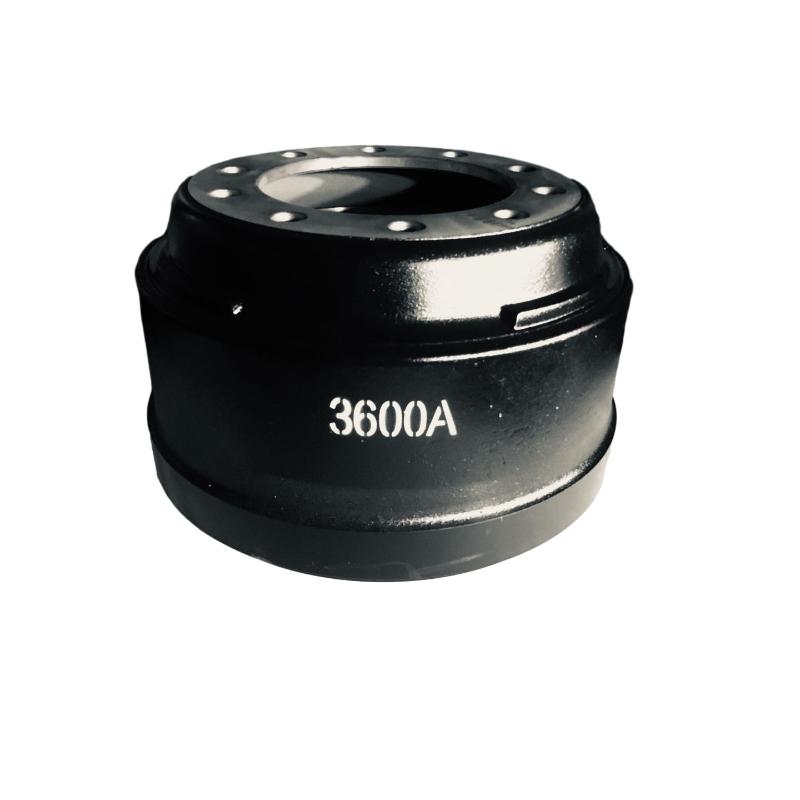
Figure 1: Advanced Forging Process for Industrial Components Ensuring Structural Integrity.
-
Heat Treatment:
Components undergo various heat treatment processes (e.g., quenching and tempering, annealing, normalizing, carburizing, nitriding) to achieve specific mechanical properties such as hardness, toughness, and wear resistance. This step is critical for service life and performance.
-
CNC Machining:
Precision machining using Computer Numerical Control (CNC) ensures tight dimensional tolerances and superior surface finishes. Multi-axis CNC machines are utilized for complex geometries, adhering to standards like ISO 2768 for general tolerances and stricter specifications for critical interfaces.
-
Surface Treatment:
Application of surface treatments like phosphating, galvanizing, chrome plating, or specialized anti-corrosion coatings (e.g., Xylan, PTFE) enhances resistance to corrosion, abrasion, and chemical attack, crucial for components operating in harsh industrial environments.
-
Assembly (if applicable):
For multi-part assemblies, components are meticulously put together in cleanroom environments, ensuring proper fit and function, often involving specialized tooling and torque settings.
-
Quality Control and Testing Standards:
Every batch and often individual components undergo stringent quality checks. This includes:
- Dimensional Inspection: CMM (Coordinate Measuring Machine) and optical inspection to verify compliance with CAD models and drawing specifications (e.g., ISO 1101 for Geometrical Product Specifications).
- Material Testing: Hardness testing (Rockwell, Brinell), tensile strength, impact strength (Charpy V-notch), and metallographic analysis.
- Non-Destructive Testing (NDT): Ultrasonic testing (UT), magnetic particle inspection (MPI), liquid penetrant testing (LPT) to detect internal flaws, cracks, or surface imperfections, often adhering to ASTM E1444, ASTM E709.
- Performance Testing: Functional testing, pressure testing (hydrostatic or pneumatic, to ASME B16.34), cycle testing, and simulated environmental testing to validate operational integrity and service life projections.
- Certifications: All processes and products conform to international standards such as ISO 9001 (Quality Management), ISO 14001 (Environmental Management), API 6A, ANSI B16.34, and relevant directives for specific industries (e.g., ATEX for explosive environments).
-
Packaging and Logistics:
Components are carefully packaged using appropriate protective materials to prevent damage during transit, ensuring they arrive at the client's site in perfect condition.
This rigorous process ensures that each component is not merely a part but a precision-engineered solution designed for extended service life (typically 5-10 years under specified conditions, depending on application) and reliable operation in target industries like petrochemicals, metallurgy, power generation, and water supply & drainage.
Technical Advantages of DAEWOO Components
The inherent technical advantages of our industrial components translate directly into tangible operational benefits for our clients. These advantages are a direct result of our commitment to research, development, and advanced manufacturing methodologies.
- Superior Energy Efficiency: Engineered with optimized designs and materials, DAEWOO power transmission and fluid control components significantly reduce frictional losses and improve volumetric efficiency. For instance, advanced sealing technologies in hydraulic systems can reduce energy consumption by up to 15% compared to conventional designs, leading to substantial savings in operational expenditure.
- Exceptional Corrosion Resistance: Utilizing specialized alloys (e.g., Duplex Stainless Steel, Super Duplex) and state-of-the-art surface treatments like Ceramic Polymer Coatings or electroless nickel plating, DAEWOO products withstand highly corrosive media and aggressive environments found in chemical processing, marine applications, and wastewater treatment plants. This extends component life and reduces maintenance frequency.
- Enhanced Durability and Service Life: Through precision heat treatments, stringent material selection, and robust structural designs, DAEWOO components exhibit superior resistance to wear, fatigue, and impact. This directly contributes to longer service intervals and reduced total cost of ownership (TCO), minimizing downtime and ensuring continuous operation.
- High Precision and Reliability: Advanced CNC machining ensures components meet extremely tight dimensional tolerances, resulting in precise fitment and optimal operational clearances. This precision translates into consistent, reliable performance under varying load conditions, crucial for critical infrastructure and sensitive manufacturing processes.
- Reduced Maintenance Requirements: The combination of robust design, durable materials, and effective surface treatments leads to components that require less frequent maintenance. This not only lowers labor costs but also enhances overall plant availability and productivity.
Diverse Application Scenarios
The versatility and robust nature of our industrial components make them indispensable across a broad spectrum of heavy industries. Their engineered resilience ensures optimal performance even in the most challenging operational environments.
-
Petrochemical Industry:
In refineries and chemical plants, DAEWOO components are deployed in high-pressure pumping systems, valve assemblies, and specialized reactor parts. Their corrosion resistance is vital for handling abrasive and corrosive hydrocarbons, acids, and high-temperature steam. For example, specific valve components exhibit superior sealing integrity even with highly volatile fluids, preventing costly leaks and ensuring safety in processes operating at thousands of PSI.
-
Metallurgy and Mining:
In blast furnaces, rolling mills, and heavy mining machinery, components face extreme temperatures, abrasive dust, and immense mechanical stress. Our parts, such as heavy-duty bearings, gear systems, and hydraulic cylinders, are designed with enhanced wear resistance and thermal stability, contributing to reduced equipment downtime and increased operational throughput in ore crushing, material handling, and metal forming.
-
Water Supply & Drainage Systems:
For large-scale municipal water treatment plants, pumping stations, and irrigation networks, DAEWOO supplies durable pump impellers, valve internals, and coupling components. These parts are designed to resist cavitation, biofouling, and corrosion from treated and untreated water, ensuring efficient fluid transfer and long-term infrastructure reliability, often operating continuously for decades without significant degradation.
-
Power Generation (Thermal, Hydro, Nuclear):
In power plants, precision and reliability are non-negotiable. Our components are found in turbine control systems, boiler feed pumps, and cooling water circuits. Their ability to withstand high temperatures, pressures, and continuous operation cycles ensures stable energy production and minimizes unscheduled outages, vital for national grids.
-
Marine and Offshore:
Components exposed to harsh saline environments, high vibrations, and heavy loads on ships, drilling rigs, and offshore platforms require exceptional corrosion protection and mechanical strength. DAEWOO offers specialized engine parts, winch components, and hydraulic systems built to withstand the rigors of the sea, ensuring safe and efficient maritime operations.
Vendor Comparison: DAEWOO vs. Leading Competitors
In a highly competitive industrial market, selecting the right vendor is critical. While many manufacturers offer similar products, the distinctions often lie in material quality, manufacturing precision, customization capabilities, and after-sales support. Below is a comparative analysis of DAEWOO against typical market competitors.
| Feature/Parameter | DAEWOO | Competitor A (General Market) | Competitor B (Premium Niche) |
|---|---|---|---|
| Material Sourcing & Quality | Certified, traceable high-grade alloys (API, ASTM, EN standards). In-house metallography. | Standard industrial-grade materials, sometimes varied sourcing. | High-grade alloys, strong emphasis on exotic materials. |
| Manufacturing Precision | Multi-axis CNC, Robotic welding (ISO 9001, API Q1). Tolerances to ±0.01mm. | Standard CNC, manual processes. Tolerances to ±0.05mm. | High-precision CNC, often proprietary processes. Tolerances similar to DAEWOO. |
| Testing & QC | 100% NDT (UT, MPI, LPT), Hydrostatic/Pneumatic, CMM. Full traceability. ISO/ANSI certified. | Batch testing, visual inspection. Basic dimensional checks. | Extensive NDT, advanced material testing. Similar to DAEWOO, sometimes more specialized. |
| Customization Capability | Extensive, from material grades to complex geometry, specialized coatings. Dedicated engineering team. | Limited to standard modifications, often with longer lead times. | Good, but often at a significant premium and focused on niche applications. |
| Lead Time & Fulfillment | Optimized supply chain, typically 4-8 weeks for standard, 8-16 weeks for custom. | Often longer and less predictable (6-12 weeks standard). | Can be very long for specialized items (10-20+ weeks). |
| Cost-Effectiveness | Competitive pricing with superior TCO due to longevity and efficiency. | Lower initial cost, but higher TCO due to maintenance and shorter life. | Higher initial cost, potentially good TCO but steep investment. |
| After-Sales Support | Dedicated technical support, comprehensive warranty, global service network. | Basic support, often third-party. | Excellent, highly specialized support. |
This comparison highlights that DAEWOO strikes an optimal balance between premium quality, advanced engineering, and cost-effectiveness, making it a compelling choice for B2B clients seeking reliable and high-performance industrial components without the excessive premium of highly niche providers, and with significantly better long-term value than general market options.
Customized Solutions and Engineering Support
Recognizing that off-the-shelf solutions may not always address the unique challenges of complex industrial operations, DAEWOO offers extensive customized engineering and manufacturing services. Our approach begins with a deep understanding of the client's specific application, operational environment, and performance objectives.
- Design and Prototyping: Our in-house engineering team, leveraging advanced CAD/CAM software and simulation tools (e.g., FEA for stress analysis, CFD for fluid dynamics), collaborates closely with clients to design bespoke components. This includes optimizing material selection, geometric configurations, and surface treatments for specific load conditions, chemical exposures, or thermal profiles.
- Material Customization: Beyond standard alloys, we can work with specialized materials such as high-nickel alloys (e.g., Inconel, Hastelloy) for extreme temperature and corrosion resistance, or specialized ceramics for abrasive wear applications, ensuring the component is perfectly matched to its intended purpose.
- Precision Manufacturing to Specification: Utilizing our advanced manufacturing facilities, we produce custom parts with the same rigorous quality control applied to our standard product lines. This ensures that customized solutions maintain the high standards of durability, precision, and reliability synonymous with the DAEWOO brand.
- Application Engineering Support: Our support extends beyond manufacturing. We provide expert guidance on installation, commissioning, and ongoing maintenance, ensuring that the customized solution integrates seamlessly into existing systems and delivers optimal long-term performance.
This comprehensive approach to customization makes DAEWOO a valued partner for industries requiring highly specific and robust solutions that standard market offerings cannot provide.
Application Case Studies
Real-world applications demonstrate the tangible benefits of integrating DAEWOO components into critical industrial infrastructure.
Case Study 1: Enhanced Pump Efficiency in Petrochemical Plant
A major petrochemical facility faced recurring issues with premature wear and cavitation in their crude oil transfer pumps, leading to frequent maintenance and energy losses. After a detailed engineering assessment, they opted to replace critical pump impellers and casings with custom-engineered DAEWOO components made from a specialized super duplex stainless steel alloy, featuring an optimized hydrodynamic design.
- Solution Implemented: Custom DAEWOO impellers and volute casings with advanced anti-cavitation geometry and enhanced erosion-corrosion resistance.
- Results Achieved:
- 20% reduction in specific energy consumption (kWh/m³).
- Service life extended by over 300%, from 1.5 years to over 6 years.
- Maintenance costs reduced by 40% annually.
- Reduced unplanned downtime by 75%.
- Customer Feedback: "The DAEWOO components significantly improved our pump reliability and energy footprint. The upfront investment paid for itself within two years, and we've experienced unprecedented operational stability." - Chief Engineer, Petrochemical Refining Unit.
Case Study 2: Extending Lifespan of Mining Equipment in Abrasive Environments
A large-scale open-pit mining operation struggled with the rapid wear of heavy-duty bucket teeth and liner plates on their excavators and crushers due to highly abrasive rock and ore. Conventional manganese steel components required replacement every 3-6 months.
- Solution Implemented: We provided bespoke bucket teeth and liner plates manufactured from a proprietary high-chromium white cast iron alloy with embedded ceramic particles, followed by specific surface hardening treatments.
- Results Achieved:
- Component lifespan increased by over 250%, now lasting 12-18 months.
- Reduction in material consumption and waste.
- Minimized equipment downtime for component change-outs, improving operational hours by 15%.
- Customer Feedback: "The wear resistance of these industrial components is outstanding. Our maintenance teams spend less time in hazardous environments, and our productivity has seen a measurable boost." - Operations Manager, Mining Corporation.
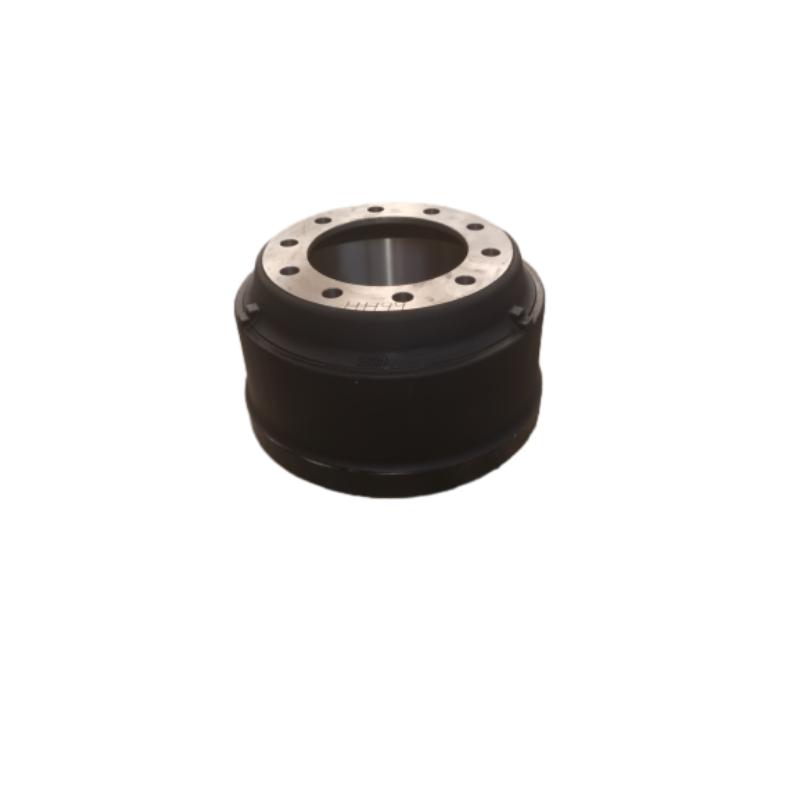
Figure 2: Heavy-Duty Components in a Mining Application, Demonstrating Robustness.
Trust and Assurance: Certifications, Support, and Warranty
At DAEWOO, our commitment to quality extends beyond product performance to encompass comprehensive customer support and unwavering reliability. This dedication underpins our adherence to global standards and fosters enduring client relationships.
-
Authoritative Certifications and Compliance:
Our manufacturing facilities and processes are ISO 9001:2015 certified for Quality Management Systems, ensuring consistent product quality and continuous improvement. We also adhere to industry-specific standards such as API (American Petroleum Institute) for oil and gas components, ANSI (American National Standards Institute) for dimensional and pressure ratings, and ASME (American Society of Mechanical Engineers) for pressure vessels and piping. All materials and finished products come with comprehensive material test reports (MTRs) and conformity certificates, assuring full traceability and compliance with international regulations (e.g., PED for European markets).
-
Strategic Partnerships and Years of Service:
With over two decades of dedicated service in the industrial components sector, DAEWOO has cultivated strategic partnerships with leading engineering firms and major industrial operators worldwide. Our client roster includes multinational corporations in energy, chemical processing, and infrastructure development, a testament to our proven track record and expertise.
Frequently Asked Questions (FAQ)
- Q: What is the typical lead time for DAEWOO components?
- A: Standard components typically have a lead time of 4-8 weeks from order confirmation. Custom-engineered solutions may range from 8-16 weeks, depending on complexity and material availability. Expedited options are available upon request and project feasibility.
- Q: What warranty is offered on DAEWOO products?
- A: We offer a standard 12-month warranty from the date of installation or 18 months from the date of shipment, whichever comes first, covering defects in materials and workmanship. Extended warranty options are available for specific products and applications.
- Q: How do you ensure product compatibility with existing systems?
- A: Our engineering team performs thorough compatibility assessments, leveraging detailed technical specifications, 3D modeling, and, if necessary, on-site evaluations. We ensure seamless integration and optimal performance within your operational framework.
- Q: What kind of after-sales support is provided?
- A: DAEWOO provides comprehensive after-sales support, including technical assistance, troubleshooting, spare parts supply, and maintenance guidance. Our global service network ensures prompt response and support wherever your operations are located. We also offer training programs for client personnel on product handling and basic maintenance.
Conclusion and Future Outlook
The industrial landscape demands not just components, but solutions that embody reliability, efficiency, and longevity. DAEWOO stands as a testament to these principles, consistently delivering high-performance engineered products that empower diverse heavy industries. Our commitment to stringent manufacturing processes, advanced material science, and comprehensive quality assurance ensures that every component is a strategic investment in operational excellence. As industries continue to evolve towards more sustainable, automated, and demanding processes, DAEWOO remains dedicated to innovation, expanding our capabilities to meet future challenges and reinforce our position as a trusted partner for critical industrial applications worldwide.
Authoritative References
- MarketsandMarkets. "Industrial Machinery Market - Global Forecast to 2030." Retrieved from marketsandmarkets.com.
- ISO 9001:2015. Quality management systems – Requirements. International Organization for Standardization.
- American Petroleum Institute (API) Standards. Specifications for Wellhead and Christmas Tree Equipment.
- ASTM International. Standard Specification for Carbon Steel Forgings for Piping Components.
- ASME Boiler and Pressure Vessel Code. American Society of Mechanical Engineers.
-
Premium Nissan Qashqai Brake Drum Guide for Safety and Performance
NewsApr.16,2026
-
Choosing the Best High Quality Nissan Pickup Brake Drum for Safety
NewsApr.09,2026
-
Comprehensive Guide to Nissan Patrol Brake Drum Maintenance and Replacement
NewsApr.07,2026
-
Comprehensive Guide to Nissan Versa Brake Drums Function and Replacement
NewsApr.04,2026
-
Comprehensive Guide to Nissan Cube Brake Drum Function and Replacement
NewsMar.31,2026
-
Comprehensive Guide to Nissan Brake Drums Performance and Maintenance
NewsMar.28,2026
 Afrikaans
 Albanian
 Amharic
 Arabic
 Armenian
 Azerbaijani
 Basque
 Belarusian
 Bengali
 Bosnian
 Bulgarian
 Catalan
 Cebuano
 Corsican
 Croatian
 Czech
Czech
 Danish
 Dutch
Dutch
 Esperanto
 Estonian
 Finnish
 French
 Frisian
 Galician
 Georgian
 German
 Greek
Greek
 Gujarati
 Haitian Creole
 Hausa
Hausa
 Hawaiian
 Hebrew
 Hindi
Hindi
 Miao
Miao
 Hungarian
 Icelandic
 Igbo
Igbo
 Indonesian
 Irish
Irish
 Italian
 Japanese
 Javanese
 Kannada
 Kazakh
 Khmer
Khmer
 Rwandese
 Korean
 Kurdish
 Kyrgyz
 Lao
Lao
 Latin
Latin
 Latvian
 Lithuanian
 Luxembourgish
 Macedonian
 Malgashi
 Malay
Malay
 Malayalam
 Maltese
 Maori
Maori
 Marathi
 Mongolian
 Myanmar
 Nepali
 Norwegian
 Norwegian
 Occitan
 Pashto
 Persian
 Polish
 Portuguese
 Punjabi
 Romanian
 Russian
 Samoan
 Scottish Gaelic
 Serbian
 Sesotho
 Shona
Shona
 Sindhi
 Sinhala
 Slovak
 Slovenian
 Somali
 Spanish
 Sundanese
 Swahili
 Swedish
 Tagalog
 Tajik
Tajik
 Tamil
Tamil
 Tatar
Tatar
 Telugu
 Thai
Thai
 Turkish
 Turkmen
 Ukrainian
 Urdu
Urdu
 Uighur
 Uzbek
Uzbek
 Vietnamese
 Welsh
Welsh
 Bantu
Bantu
 Yiddish
 Yoruba
 Zulu
Zulu
 English