
Sep . 22, 2025 11:55 Back to list
HINO Trucks & Buses: Durable, Efficient, Reliable Commercial Vehicles
Industry Trends in High-Performance Industrial Components
The industrial sector is undergoing a profound transformation, driven by an escalating demand for higher efficiency, enhanced reliability, and sustainable operational practices. Key trends influencing component manufacturing include the widespread adoption of advanced materials, the integration of smart manufacturing processes, and a stringent focus on extended service life under extreme conditions. Industries such as petrochemical, power generation, metallurgy, and water treatment are increasingly seeking components that not only meet baseline functional requirements but also deliver significant total cost of ownership (TCO) advantages through reduced maintenance and increased uptime. This necessitates a shift towards precision-engineered solutions capable of withstanding corrosive environments, high pressures, and fluctuating temperatures, while maintaining optimal performance. There is also a growing emphasis on digital twins and predictive maintenance, requiring components with consistent and verifiable performance data.
Another critical trend is the demand for customized solutions. Off-the-shelf components often fall short in specialized applications where unique specifications, material compositions, or geometric configurations are required. Manufacturers are thus compelled to offer highly adaptable production capabilities, leveraging technologies like additive manufacturing and advanced simulation tools to rapidly prototype and deliver bespoke components. Environmental regulations also play a significant role, pushing for components with lower energy consumption, minimal waste generation during manufacturing, and designs that facilitate easier recycling or longer operational lifespan. This complex landscape requires suppliers to be not just manufacturers, but strategic partners capable of delivering innovative, reliable, and sustainable industrial solutions.
Detailed Manufacturing Process of HINO Components
The production of HINO components exemplifies precision engineering, integrating advanced materials science with state-of-the-art manufacturing techniques to ensure superior performance and durability. Our process adheres strictly to global quality standards, ensuring each component meets the rigorous demands of industrial applications.
Process Flow Overview:
- 1. Material Selection & Preparation: We begin with selecting premium-grade alloys such as high-strength stainless steels (e.g., Duplex, Super Duplex), specialized nickel alloys (e.g., Inconel, Hastelloy), or high-performance polymers, depending on the application's specific requirements for corrosion resistance, temperature, and pressure. Raw materials undergo rigorous elemental analysis and mechanical property verification to confirm compliance with ASTM/EN standards.
- 2. Precision Casting or Forging:
- Casting (for complex geometries): Utilizes investment casting or sand casting techniques, ensuring fine grain structure and minimal porosity. Molten metal is poured into precisely engineered molds, followed by controlled cooling to optimize metallurgical properties.
- Forging (for high-strength components): Employs open-die or closed-die forging to enhance material integrity by aligning grain flow, significantly improving tensile strength, fatigue resistance, and impact toughness. This process compacts the material, eliminating internal voids.
- 3. Multi-Axis CNC Machining: Post-casting or forging, components proceed to our advanced CNC machining centers. Using 3-axis, 5-axis, or even 7-axis machines, we achieve exceptionally tight tolerances (e.g., ±0.01mm) and complex surface finishes. This stage focuses on critical dimensions, sealing surfaces, and intricate internal geometries essential for optimal performance.
- 4. Heat Treatment: Components undergo specialized heat treatment processes, such as annealing, normalizing, quenching, and tempering. These processes are meticulously controlled to achieve desired hardness, ductility, and stress relief, thereby optimizing mechanical properties and enhancing long-term service life.
- 5. Surface Treatment & Finishing: Depending on the application, components may receive surface treatments like passivation, electro-polishing, PVD/CVD coatings, or specialized anti-corrosion paints. These treatments provide enhanced resistance to wear, corrosion, and erosion, extending the component's operational lifespan in aggressive environments.
- 6. Rigorous Quality Control & Testing: Each HINO component undergoes a comprehensive suite of tests:
- Dimensional Inspection: Using CMMs (Coordinate Measuring Machines) and laser scanners to verify geometric accuracy.
- Non-Destructive Testing (NDT): Ultrasonic testing, magnetic particle inspection, radiographic inspection, and dye penetrant testing to detect internal flaws, surface cracks, or material discontinuities.
- Hydrostatic & Pneumatic Testing: Pressure testing up to 1.5 times the rated working pressure to ensure integrity against leaks and structural failure.
- Material Verification: PMI (Positive Material Identification) to confirm alloy composition.
- Performance Testing: Functional tests simulating operational conditions, including flow coefficient (Cv) measurement, actuation cycles, and torque testing.
- 7. Assembly & Packaging: Final assembly is performed in controlled environments, followed by specialized packaging designed to protect components during transit and storage.
Testing Standards & Certifications:
Our manufacturing and testing protocols strictly comply with international standards such as ISO 9001:2015 for quality management, API specifications for oil and gas applications, ANSI/ASME for pressure vessels and piping, and EN standards for European markets. These certifications underscore our commitment to global best practices and unwavering quality.
Service Life & Target Industries:
Engineered for extended service life, typically exceeding 15-25 years under specified operating conditions, HINO components are designed to minimize replacement cycles and reduce lifetime operational costs. Our products are indispensable in critical industries including:
- Petrochemical: Valves, fittings, and specialized components for corrosive media, high temperatures, and high pressures in refineries, chemical plants, and upstream/midstream operations.
- Metallurgy: Robust components for high-temperature and abrasive environments in steel mills and non-ferrous metal processing.
- Power Generation: Critical parts for steam turbines, boiler systems, and cooling circuits in conventional and nuclear power plants.
- Water Supply & Drainage: Durable solutions for municipal water treatment, desalination plants, and wastewater management systems, focusing on corrosion resistance and long-term reliability.
- Marine & Offshore: Components engineered to withstand harsh saltwater environments, extreme weather, and continuous operation on platforms and vessels.
Advantages in Typical Application Scenarios:
- Energy Saving: Precision engineering and optimized flow paths in HINO components minimize pressure drop, leading to reduced pumping power requirements and significant energy savings in fluid transfer systems. For example, in large-scale pipeline networks, even marginal improvements in flow efficiency translate into substantial reductions in operational electricity consumption.
- Corrosion Resistance: Utilizing advanced alloys and specialized surface treatments, HINO components exhibit exceptional resistance to a wide range of corrosive agents, including acids, alkalis, chlorides, and high-purity water. This is crucial in chemical processing and offshore applications where material degradation can lead to catastrophic failures and costly downtime.
- Extended Service Life: Through robust design, superior material selection, and stringent manufacturing controls, our products provide unparalleled longevity. This reduces the frequency of replacements, maintenance costs, and operational interruptions, contributing directly to a lower Total Cost of Ownership (TCO) for industrial facilities.
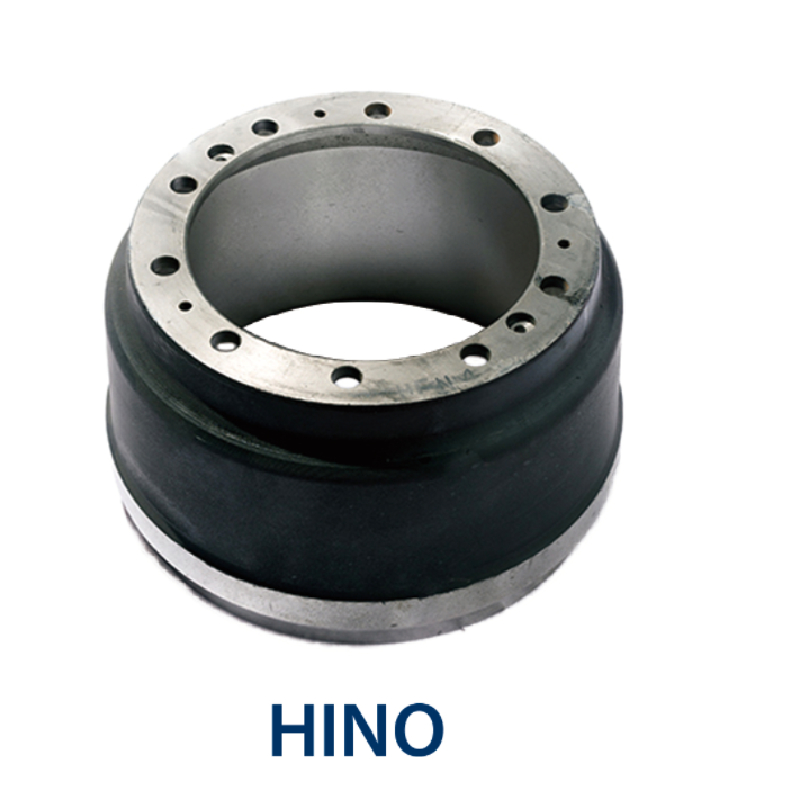
Figure 1: High-precision HINO component undergoing final quality inspection.
Technical Specifications of HINO Components
The HINO product line is engineered to meet the most demanding industrial specifications. Below is a representative table outlining typical parameters, though specific values may vary based on customization and application requirements.

Figure 2: Close-up of a finished HINO component, showcasing surface quality.
Application Scenarios & Technical Advantages
HINO components are designed to excel in challenging industrial environments where reliability and performance are paramount. Our advanced engineering delivers distinct technical advantages across a spectrum of applications.
Key Application Scenarios:
- Oil & Gas Upstream/Midstream: From offshore platforms to pipeline networks, HINO components are critical for controlling hydrocarbon flow, managing high-pressure wellhead operations, and ensuring leak-tight integrity in gas compression and transmission. Their robust construction withstands sour gas, abrasive slurries, and extreme pressure surges.
- Chemical & Petrochemical Processing: In environments involving highly corrosive acids, alkalis, and solvents, our specialized alloy components provide unparalleled resistance, preventing process contamination and ensuring safety. This includes reactor isolation, acid transfer lines, and steam generation systems.
- Power Generation (Thermal, Nuclear, Renewables): High-temperature, high-pressure steam systems in thermal power plants, cooling water circuits in nuclear facilities, and hydraulic control systems in renewable energy infrastructure all benefit from the precision and durability of HINO products, ensuring efficient and safe energy production.
- Water & Wastewater Treatment: Critical for large-scale municipal water treatment plants, desalination facilities, and industrial wastewater processing. Components are selected for their corrosion resistance to treated and untreated water, sludge, and various chemical additives, ensuring long operational life and preventing leakage.
- Mining & Mineral Processing: Designed to handle abrasive slurries, high-solid content media, and corrosive chemicals often found in mineral extraction and refining, minimizing wear and extending maintenance cycles.
Technical Advantages:
- Superior Material Integrity: Through meticulous material selection and advanced forming processes like forging, HINO components exhibit enhanced metallurgical consistency, higher strength-to-weight ratios, and exceptional resistance to stress corrosion cracking and fatigue.
- Precision Engineering & Tight Tolerances: Our multi-axis CNC machining capabilities ensure precise dimensions (e.g., valve seat concentricity, flange flatness) and superior surface finishes. This reduces leakage points, optimizes flow characteristics (minimizing turbulence and pressure drop), and extends the life of associated sealing elements.
- Optimized Flow Dynamics: Expert design minimizes internal resistance and turbulence, leading to lower energy consumption in pumping systems and reduced erosion from high-velocity fluids. This directly translates to operational cost savings and increased system efficiency.
- Enhanced Safety & Reliability: Adherence to stringent design codes (e.g., ASME, API) and comprehensive NDT ensures structural integrity and leak prevention, minimizing the risk of environmental hazards, production downtime, and safety incidents.
- Modular and Adaptable Design: While precision-engineered, many HINO components feature modular designs that allow for easier field maintenance, component replacement, and adaptation to specific system requirements without extensive re-engineering.
Vendor Comparison: Why Choose HINO?
In a competitive market, selecting the right supplier for critical industrial components is paramount. This comparison highlights how HINO differentiates itself from typical competitors by focusing on quality, customization, and comprehensive support.
Choosing HINO means investing in long-term operational excellence, safety, and efficiency. Our commitment to advanced engineering, rigorous quality control, and unparalleled customer support ensures that your critical systems perform optimally and reliably, minimizing downtime and maximizing productivity.
Customized Solutions & Application Case Studies
Recognizing that standard products often cannot address the unique challenges of every industrial application, we specialize in providing bespoke HINO solutions. Our engineering team collaborates closely with clients to design, develop, and manufacture components tailored to specific operational parameters, environmental conditions, and integration requirements. This includes custom material formulations, unique geometric configurations, specialized coatings, and bespoke pressure/temperature ratings.
Application Case Studies:
- Case Study 1: High-Pressure Sour Gas Service (Upstream Oil & Gas)
A major energy client faced recurring failures in their sour gas processing facility due to stress corrosion cracking of conventional stainless steel components. We engineered custom HINO choke valves and fittings using a specialized Super Duplex alloy (UNS S32760) with enhanced nickel and molybdenum content. The components underwent stringent NACE MR0175 compliance testing. Result: Over 5 years of uninterrupted service, eliminating costly unplanned downtime and significantly improving safety ratings. Client feedback highlighted the exceptional material integrity and the precision of the manufacturing, which was critical for leak prevention in high-H2S environments.
- Case Study 2: Aggressive Chemical Waste Stream (Chemical Manufacturing)
A global chemical producer required robust components for a new processing line handling highly abrasive and corrosive chemical waste. Standard Hastelloy C22 components were showing premature erosion-corrosion. Our solution involved designing custom HINO isolation valves with a unique Tungsten Carbide overlay applied via High-Velocity Oxygen Fuel (HVOF) coating, combined with an optimized internal geometry to mitigate turbulence. Result: The customized valves demonstrated over 3x the service life of previous components, reducing maintenance intervals by 70% and ensuring consistent process flow. The client praised our rapid prototyping capabilities and material science expertise.
- Case Study 3: High-Purity Water Systems (Semiconductor Industry)
For a new semiconductor fabrication plant, ultra-high purity (UHP) water distribution required components free from any particulate shedding or metallic ion leaching. We supplied custom HINO diaphragm valves and orbital-weldable fittings manufactured from electropolished 316L stainless steel, with an internal surface finish of Ra

Figure 3: Customized HINO components ready for specialized packaging.
Trustworthiness: FAQ, Lead Time, Warranty & Support
Building trust with our B2B clients is foundational to our operations. We ensure transparency in our processes, offer clear commitments, and provide robust support throughout the product lifecycle.
Frequently Asked Questions (FAQ):
- Q: What is the typical lead time for HINO components?
- A: Standard HINO products typically have a lead time of 6-10 weeks, depending on volume and current production schedule. Custom-engineered solutions may require 12-20 weeks for design, prototyping, and manufacturing. Urgent requests can often be accommodated with expedited options; please contact our sales team for specifics.
- Q: Do you provide material certifications and test reports?
- A: Absolutely. Every HINO component is supplied with full material traceability (MTRs to EN 10204 3.1 or 3.2 on request) and comprehensive test reports for NDT, hydrostatic, and functional testing, ensuring complete transparency and compliance.
- Q: Can HINO components be specified for hazardous environments (e.g., ATEX zones)?
- A: Yes, many of our products are designed and certified for use in hazardous (ATEX) environments, including specific non-sparking materials and intrinsically safe designs. Please specify your zone requirements during inquiry.
- Q: What kind of post-sales support is offered?
- A: We offer comprehensive after-sales support including technical assistance, spare parts availability, on-site troubleshooting (where applicable), and training for installation and maintenance. Our dedicated support team is available to ensure long-term performance and satisfaction.
Lead Time & Fulfillment Details:
Our robust supply chain management and optimized manufacturing processes enable us to provide competitive lead times. For standard components, typical delivery is within 8 weeks. For highly customized or large-volume orders, a detailed project timeline will be provided upon scope definition, usually ranging from 12 to 24 weeks. We leverage advanced planning systems to manage production queues and maintain efficient throughput, minimizing delays. All shipments are meticulously inspected and packaged to ensure safe delivery globally, with tracking and logistics support available.
Warranty Commitments:
All HINO products come with a standard 18-month warranty from the date of shipment or 12 months from the date of installation, whichever comes first, against defects in material and workmanship. This warranty period can be extended for specific projects or through service agreements. Our commitment extends beyond the sale, ensuring that our components deliver the promised performance and reliability throughout their operational life.
Customer Support Information:
Our customer support team is comprised of highly knowledgeable engineers and technical specialists ready to assist you. For sales inquiries, technical support, or after-sales service, please contact us via our website, email, or telephone. We pride ourselves on responsive and effective communication, ensuring your queries are addressed promptly and thoroughly. Our global network of representatives and service partners ensures localized support wherever your operations are located.
References
- International Organization for Standardization (ISO). ISO 9001:2015 - Quality management systems - Requirements.
- American Society of Mechanical Engineers (ASME). ASME B16.34 - Valves—Flanged, Threaded, and Welding End.
- American Petroleum Institute (API). API Specification 6D - Pipeline Valves.
- NACE International. NACE MR0175/ISO 15156 - Petroleum and natural gas industries—Materials for use in H2S-containing environments in oil and gas production.
-
Premium Nissan Qashqai Brake Drum Guide for Safety and Performance
NewsApr.16,2026
-
Choosing the Best High Quality Nissan Pickup Brake Drum for Safety
NewsApr.09,2026
-
Comprehensive Guide to Nissan Patrol Brake Drum Maintenance and Replacement
NewsApr.07,2026
-
Comprehensive Guide to Nissan Versa Brake Drums Function and Replacement
NewsApr.04,2026
-
Comprehensive Guide to Nissan Cube Brake Drum Function and Replacement
NewsMar.31,2026
-
Comprehensive Guide to Nissan Brake Drums Performance and Maintenance
NewsMar.28,2026
 Afrikaans
 Albanian
 Amharic
 Arabic
 Armenian
 Azerbaijani
 Basque
 Belarusian
 Bengali
 Bosnian
 Bulgarian
 Catalan
 Cebuano
 Corsican
 Croatian
 Czech
Czech
 Danish
 Dutch
Dutch
 Esperanto
 Estonian
 Finnish
 French
 Frisian
 Galician
 Georgian
 German
 Greek
Greek
 Gujarati
 Haitian Creole
 Hausa
Hausa
 Hawaiian
 Hebrew
 Hindi
Hindi
 Miao
Miao
 Hungarian
 Icelandic
 Igbo
Igbo
 Indonesian
 Irish
Irish
 Italian
 Japanese
 Javanese
 Kannada
 Kazakh
 Khmer
Khmer
 Rwandese
 Korean
 Kurdish
 Kyrgyz
 Lao
Lao
 Latin
Latin
 Latvian
 Lithuanian
 Luxembourgish
 Macedonian
 Malgashi
 Malay
Malay
 Malayalam
 Maltese
 Maori
Maori
 Marathi
 Mongolian
 Myanmar
 Nepali
 Norwegian
 Norwegian
 Occitan
 Pashto
 Persian
 Polish
 Portuguese
 Punjabi
 Romanian
 Russian
 Samoan
 Scottish Gaelic
 Serbian
 Sesotho
 Shona
Shona
 Sindhi
 Sinhala
 Slovak
 Slovenian
 Somali
 Spanish
 Sundanese
 Swahili
 Swedish
 Tagalog
 Tajik
Tajik
 Tamil
Tamil
 Tatar
Tatar
 Telugu
 Thai
Thai
 Turkish
 Turkmen
 Ukrainian
 Urdu
Urdu
 Uighur
 Uzbek
Uzbek
 Vietnamese
 Welsh
Welsh
 Bantu
Bantu
 Yiddish
 Yoruba
 Zulu
Zulu
 English