
Jan . 27, 2026 21:25 Back to list
How to Remove a Seized Brake Drum A Comprehensive Guide for Mechanics
How to Remove a Seized Brake Drum
Dealing with a seized brake drum can be a frustrating experience for any mechanic, whether a professional or a DIY enthusiast. Rust, corrosion, and simply age can cause the drum to become firmly attached to the wheel hub. However, with the right tools and techniques, you can successfully remove it without causing damage. This guide will walk you through the process, covering preparation, various removal methods, and essential safety precautions. Understanding the causes of seizing and applying appropriate methods are key to success. Visit JK Yihang for high-quality auto parts and tools to assist with your brake repairs.
Understanding Why Brake Drums Seize
Before diving into removal techniques, it’s important to understand why brake drums seize in the first place. The primary causes include rust formation between the drum and hub, corrosion due to road salt and moisture, and the natural expansion and contraction of metals with temperature changes. Over time, this can create a powerful bond that makes removal difficult. Recognizing these factors will help you choose the most appropriate removal strategy. Prolonged exposure to the elements exacerbates the problem, making preventative maintenance crucial. Regular brake inspections and cleaning can help prevent seizing.
Key Causes of Seizing: Rust formation, Corrosion, Thermal Expansion/Contraction, Lack of Lubrication.
Essential Tools for Brake Drum Removal
Having the right tools makes the job significantly easier and safer. Here's a list of essential items: a penetrating oil (like PB Blaster), a rubber mallet, a brake drum puller, a socket set, a torque wrench, safety glasses, and work gloves. A heat source, like a propane torch (used with extreme caution!), can also be beneficial. Ensure your tools are in good working condition before starting. You can find a comprehensive range of automotive tools at JK Yihang's online store.
Step-by-Step: Removing a Seized Brake Drum
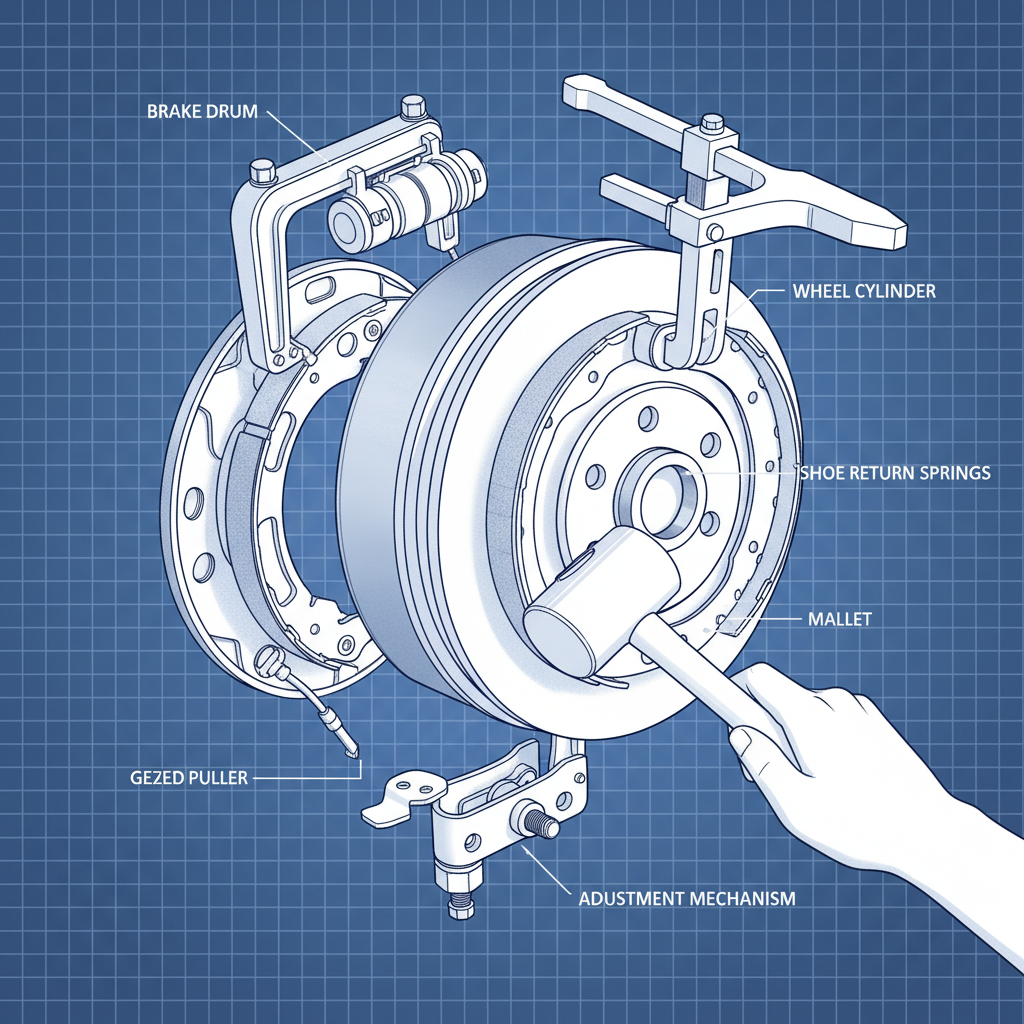
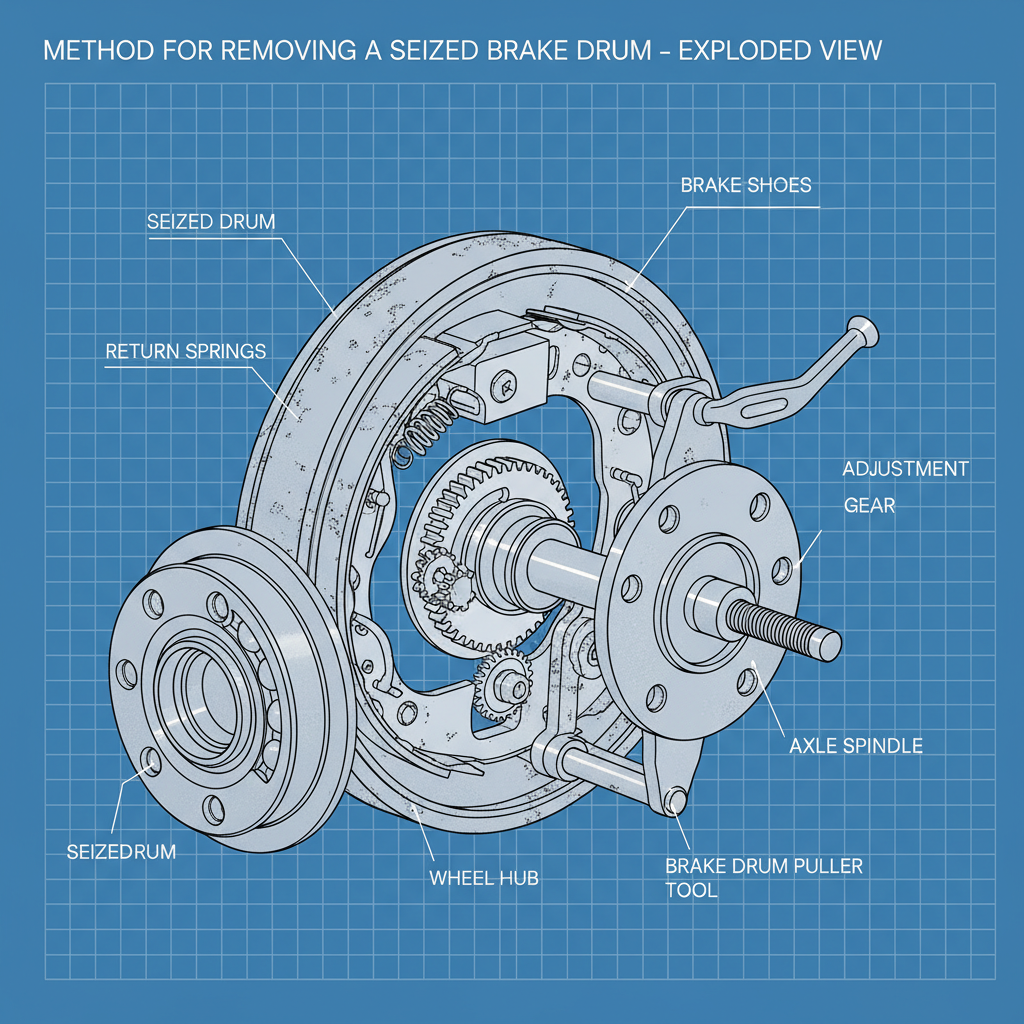
Now, let's get into the removal process. First, soak the area where the drum meets the hub with penetrating oil. Allow it to sit for at least 30 minutes, or even overnight for severely seized drums. Next, use a rubber mallet to gently tap around the perimeter of the drum. Avoid hitting the braking surface directly. If the drum still won’t budge, attach a brake drum puller and gradually tighten it, applying even pressure. Be patient and avoid excessive force, as this can damage the hub or drum. If all else fails, carefully apply heat to the drum using a propane torch, but exercise extreme caution and avoid overheating.
Removal Steps:
• Soak with penetrating oil
• Gently tap with a rubber mallet
• Use a brake drum puller
• Apply heat (with caution)
Comparing Removal Methods: Which is Best?
Different methods are suited to different levels of seizing. Here’s a comparison: Penetrating oil and mallet tapping are ideal for mildly seized drums. A brake drum puller is effective for moderate seizing. Heat should be reserved for severely seized drums and used cautiously. Attempting to pry the drum off with a screwdriver is strongly discouraged, as it can damage the drum and hub. Choosing the right method based on the severity of the seizing will save you time and prevent damage.
Safety Precautions When Removing Seized Brake Drums
Safety should always be your top priority. Wear safety glasses and work gloves to protect your eyes and hands. When using a torch, ensure the area is well-ventilated and keep flammable materials away. Never apply excessive force, as this could lead to tool breakage or injury. If you're unsure about any step of the process, consult a professional mechanic. Remember, a damaged hub or drum can be costly to replace.
Conclusion: Conquering the Seized Brake Drum
Removing a seized brake drum requires patience, the right tools, and a methodical approach. By understanding the causes of seizing and following the steps outlined in this guide, you can successfully complete the task. For high-quality tools and parts to support your brake repairs, visit JK Yihang. Remember safety first, and don’t hesitate to seek professional help if needed.
Frequently Asked Questions (FAQs)
What is the best penetrating oil for seized brake drums?
While many penetrating oils are effective, PB Blaster is widely regarded as one of the best for severely seized components. Its low viscosity allows it to creep into tight spaces, and its unique formula helps break down rust and corrosion. Kroil is another excellent option, known for its capillary action. Apply liberally and allow ample soaking time (ideally overnight) for optimal results. Avoid using WD-40 as a primary penetrating oil, as it's more of a water displacer and lubricant rather than a rust penetrant. You can find a selection of high-quality penetrating oils at JK Yihang.
Can I damage the wheel studs when using a brake drum puller?
Yes, it’s possible to damage the wheel studs if the puller isn't properly aligned or if excessive force is applied. Ensure the puller is centered on the drum and that the bolts are threaded evenly. Tighten the puller gradually, checking for any signs of stress on the studs. If you notice any bending or distortion, stop immediately and reassess the situation. Using a puller with adjustable arms can help distribute the force more evenly. Always use the correct size and thread of the puller bolts to avoid stripping the studs.
What should I do if the brake drum breaks while trying to remove it?
If the brake drum breaks during removal, stop immediately and carefully assess the situation. Broken drum pieces can be sharp and dangerous. Wear appropriate safety gear (gloves and safety glasses) and carefully remove any remaining fragments. Inspect the hub for any damage, and if necessary, have it professionally repaired or replaced. A broken drum often indicates severe corrosion or internal stress, so a thorough inspection is crucial before proceeding. Contact a qualified mechanic to ensure the brake system is safe and functional.
Is it necessary to replace the brake drum after it's been seized?
Whether or not you need to replace the drum depends on its condition. If the drum is significantly corroded, warped, or damaged during removal, replacement is recommended. Even if it appears undamaged, it's wise to have it inspected by a professional to ensure it meets safety standards. Replacing the drum along with the brake shoes is often the best course of action to ensure optimal braking performance and prevent future issues. You can find a wide selection of brake drums and related components at JK Yihang.
-
Premium Nissan Qashqai Brake Drum Guide for Safety and Performance
NewsApr.16,2026
-
Choosing the Best High Quality Nissan Pickup Brake Drum for Safety
NewsApr.09,2026
-
Comprehensive Guide to Nissan Patrol Brake Drum Maintenance and Replacement
NewsApr.07,2026
-
Comprehensive Guide to Nissan Versa Brake Drums Function and Replacement
NewsApr.04,2026
-
Comprehensive Guide to Nissan Cube Brake Drum Function and Replacement
NewsMar.31,2026
-
Comprehensive Guide to Nissan Brake Drums Performance and Maintenance
NewsMar.28,2026
 Afrikaans
 Albanian
 Amharic
 Arabic
 Armenian
 Azerbaijani
 Basque
 Belarusian
 Bengali
 Bosnian
 Bulgarian
 Catalan
 Cebuano
 Corsican
 Croatian
 Czech
Czech
 Danish
 Dutch
Dutch
 Esperanto
 Estonian
 Finnish
 French
 Frisian
 Galician
 Georgian
 German
 Greek
Greek
 Gujarati
 Haitian Creole
 Hausa
Hausa
 Hawaiian
 Hebrew
 Hindi
Hindi
 Miao
Miao
 Hungarian
 Icelandic
 Igbo
Igbo
 Indonesian
 Irish
Irish
 Italian
 Japanese
 Javanese
 Kannada
 Kazakh
 Khmer
Khmer
 Rwandese
 Korean
 Kurdish
 Kyrgyz
 Lao
Lao
 Latin
Latin
 Latvian
 Lithuanian
 Luxembourgish
 Macedonian
 Malgashi
 Malay
Malay
 Malayalam
 Maltese
 Maori
Maori
 Marathi
 Mongolian
 Myanmar
 Nepali
 Norwegian
 Norwegian
 Occitan
 Pashto
 Persian
 Polish
 Portuguese
 Punjabi
 Romanian
 Russian
 Samoan
 Scottish Gaelic
 Serbian
 Sesotho
 Shona
Shona
 Sindhi
 Sinhala
 Slovak
 Slovenian
 Somali
 Spanish
 Sundanese
 Swahili
 Swedish
 Tagalog
 Tajik
Tajik
 Tamil
Tamil
 Tatar
Tatar
 Telugu
 Thai
Thai
 Turkish
 Turkmen
 Ukrainian
 Urdu
Urdu
 Uighur
 Uzbek
Uzbek
 Vietnamese
 Welsh
Welsh
 Bantu
Bantu
 Yiddish
 Yoruba
 Zulu
Zulu
 English