
Mar . 26, 2026 02:05 Back to list
Saf Axle Hub Nut Torque and Drum Brakes A Comprehensive Guide to Maintenance
Understanding SAF Axle Hub Nut Torque and Drum Brakes
Maintaining the integrity of your commercial vehicle's braking system is paramount for safety and operational efficiency. A crucial aspect of this is correctly applying SAF axle hub nut torque and ensuring the optimal performance of your drum brakes. Improper torque can lead to wheel detachment, while neglecting drum brake maintenance compromises stopping power. This article will delve into the specifics of SAF axle hub nut torque, drum brake systems, and best practices for maintenance, ensuring a safe and reliable transport operation. We’ll cover the importance of correct procedures and highlight how JK Yihang provides comprehensive solutions for your trailer parts needs.
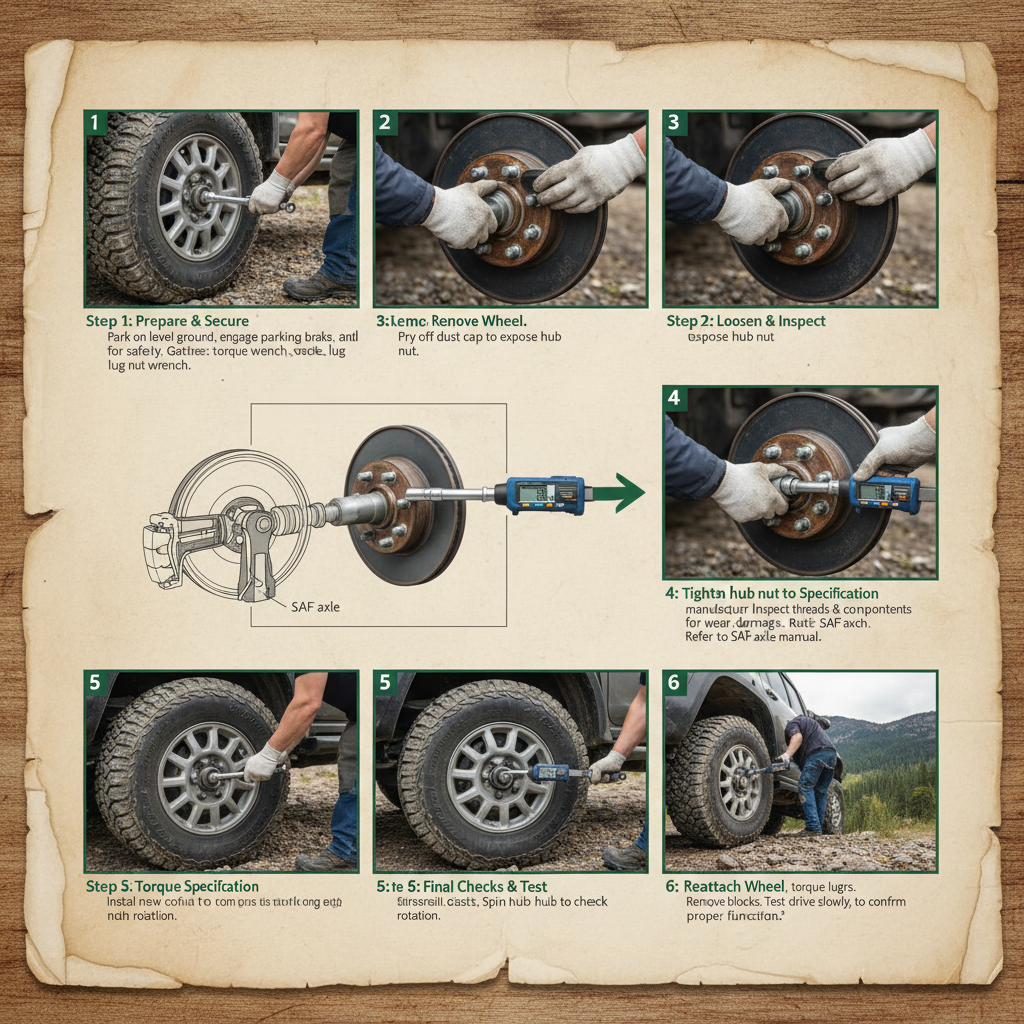
The Critical Importance of Correct SAF Axle Hub Nut Torque
The SAF axle hub nut torque is the force applied to the nut securing the wheel hub to the axle. This torque must be within a very specific range, dictated by the axle manufacturer. Under-torquing can lead to the nut loosening over time, resulting in wheel wobble, bearing failure, and potentially catastrophic wheel detachment. Over-torquing can stretch or damage the axle studs, leading to fatigue and eventual failure. Utilizing a calibrated torque wrench is non-negotiable. Regular checks, especially after the first few miles after hub assembly, are also essential. At JK Yihang, we emphasize the importance of using the correct tools and procedures for safe operation.
Key Takeaway: Incorrect hub nut torque is a leading cause of wheel-off accidents. Consistent torque checks and proper procedures are vital for safety.
Understanding Drum Brake Systems: Components and Function
Drum brakes, while increasingly replaced by disc brakes in many applications, remain prevalent on trailers and some commercial vehicles. These systems function by using brake shoes pressing outwards against the inner surface of a rotating drum, creating friction and slowing the vehicle. Key components include the brake drum itself, brake shoes, wheel cylinders, return springs, and an adjuster mechanism. Regular inspection and maintenance are crucial. This includes checking the brake shoe lining thickness, inspecting the wheel cylinders for leaks, and ensuring the adjuster mechanism is functioning correctly to maintain proper brake clearance. Properly maintained drum brakes are essential for effective stopping power.
Drum Brake Maintenance Checklist:
• Inspect brake shoe lining thickness
• Check wheel cylinders for leaks
• Verify adjuster mechanism function
• Inspect brake drums for cracks or damage
SAF Axle Hub Nut Torque Specifications: A Comprehensive Guide
Correct SAF axle hub nut torque varies depending on the axle model and load capacity. Using the incorrect torque value can have severe consequences. Here's a general guideline; always refer to the specific axle manufacturer's documentation for precise specifications:
Drum Brake vs. Disc Brake: A Performance Comparison
While drum brakes remain functional, disc brakes offer superior performance in several key areas. Disc brakes provide better heat dissipation, reducing brake fade during heavy use. They are also less susceptible to water contamination, maintaining consistent braking power in wet conditions. While disc brakes generally have a higher initial cost, their improved performance and reduced maintenance needs can result in long-term savings. JK Yihang offers a full range of both drum brake components and disc brake systems.

JK Yihang: Your Partner for Reliable Braking Solutions
At JK Yihang, we understand the critical importance of a fully functional and safe braking system. We provide a comprehensive range of high-quality SAF axle hub nuts, drum brake components, and complete brake systems, ensuring you have the parts you need to keep your fleet operating safely and efficiently. Our experienced team is available to assist you with selecting the correct parts and providing technical support.
Conclusion: Prioritize Safety with Proper Braking Maintenance
Investing in quality brake components from a trusted supplier like JK Yihang is essential for maintaining a safe and reliable fleet. Consistent maintenance, adherence to proper torque specifications, and regular inspections are critical. Don't compromise on safety – choose quality and reliability.
Frequently Asked Questions (FAQs)
What tools are required to accurately torque SAF axle hub nuts?
A high-quality, calibrated torque wrench is absolutely essential. Using an inaccurate or uncalibrated wrench can lead to incorrect torque values, posing a significant safety risk. Additionally, a properly sized socket that fits the hub nut securely is crucial to prevent rounding of the nut. It's recommended to have the torque wrench calibrated annually to ensure accuracy. At JK Yihang, we can provide guidance on selecting the right tools for the job. Always consult the axle manufacturer's specifications for the correct torque value and tool requirements.
How often should drum brakes be inspected?
Drum brakes should be inspected at least every 6 months, or more frequently if the vehicle is operated in severe conditions (e.g., heavy loads, frequent braking, harsh environments). During inspection, check brake shoe lining thickness, wheel cylinder condition, drum integrity, and the functionality of the adjuster mechanism. Any signs of wear, damage, or leaks should be addressed immediately. Proactive inspection and maintenance can prevent costly repairs and ensure optimal braking performance.
What are the signs of a failing drum brake system?
Several indicators suggest a failing drum brake system. These include squealing or grinding noises when braking, reduced braking power, pulling to one side during braking, a spongy brake pedal feel, and excessive brake pedal travel. If you experience any of these symptoms, it's crucial to have the brake system inspected and repaired by a qualified mechanic as soon as possible. Ignoring these signs can compromise your safety and lead to more extensive and costly repairs.
Does JK Yihang offer technical support for brake system maintenance?
Yes, JK Yihang provides comprehensive technical support to assist you with brake system maintenance. Our knowledgeable team can answer your questions, offer guidance on part selection, and provide assistance with troubleshooting. We are committed to ensuring our customers have the resources they need to maintain safe and reliable braking systems. Contact us today to learn more about our technical support services.
-
Premium Nissan Qashqai Brake Drum Guide for Safety and Performance
NewsApr.16,2026
-
Choosing the Best High Quality Nissan Pickup Brake Drum for Safety
NewsApr.09,2026
-
Comprehensive Guide to Nissan Patrol Brake Drum Maintenance and Replacement
NewsApr.07,2026
-
Comprehensive Guide to Nissan Versa Brake Drums Function and Replacement
NewsApr.04,2026
-
Comprehensive Guide to Nissan Cube Brake Drum Function and Replacement
NewsMar.31,2026
-
Comprehensive Guide to Nissan Brake Drums Performance and Maintenance
NewsMar.28,2026
 Afrikaans
 Albanian
 Amharic
 Arabic
 Armenian
 Azerbaijani
 Basque
 Belarusian
 Bengali
 Bosnian
 Bulgarian
 Catalan
 Cebuano
 Corsican
 Croatian
 Czech
Czech
 Danish
 Dutch
Dutch
 Esperanto
 Estonian
 Finnish
 French
 Frisian
 Galician
 Georgian
 German
 Greek
Greek
 Gujarati
 Haitian Creole
 Hausa
Hausa
 Hawaiian
 Hebrew
 Hindi
Hindi
 Miao
Miao
 Hungarian
 Icelandic
 Igbo
Igbo
 Indonesian
 Irish
Irish
 Italian
 Japanese
 Javanese
 Kannada
 Kazakh
 Khmer
Khmer
 Rwandese
 Korean
 Kurdish
 Kyrgyz
 Lao
Lao
 Latin
Latin
 Latvian
 Lithuanian
 Luxembourgish
 Macedonian
 Malgashi
 Malay
Malay
 Malayalam
 Maltese
 Maori
Maori
 Marathi
 Mongolian
 Myanmar
 Nepali
 Norwegian
 Norwegian
 Occitan
 Pashto
 Persian
 Polish
 Portuguese
 Punjabi
 Romanian
 Russian
 Samoan
 Scottish Gaelic
 Serbian
 Sesotho
 Shona
Shona
 Sindhi
 Sinhala
 Slovak
 Slovenian
 Somali
 Spanish
 Sundanese
 Swahili
 Swedish
 Tagalog
 Tajik
Tajik
 Tamil
Tamil
 Tatar
Tatar
 Telugu
 Thai
Thai
 Turkish
 Turkmen
 Ukrainian
 Urdu
Urdu
 Uighur
 Uzbek
Uzbek
 Vietnamese
 Welsh
Welsh
 Bantu
Bantu
 Yiddish
 Yoruba
 Zulu
Zulu
 English