
Apr . 04, 2026 02:05 Back to list
Comprehensive Guide to Nissan Versa Brake Drums Function and Replacement
Understanding Nissan Versa Brake Drums: A Comprehensive Guide
When maintaining your Nissan Versa, the brake system is paramount for safety. A critical component of this system is the brake drum. This article dives deep into the function, signs of wear, replacement options, and everything you need to know about Nissan Versa brake drums. Understanding these components can help you maintain optimal braking performance and ensure your vehicle’s safety. Proper maintenance and timely replacement are key to avoiding costly repairs and potential accidents.
The Role of Brake Drums in Your Nissan Versa
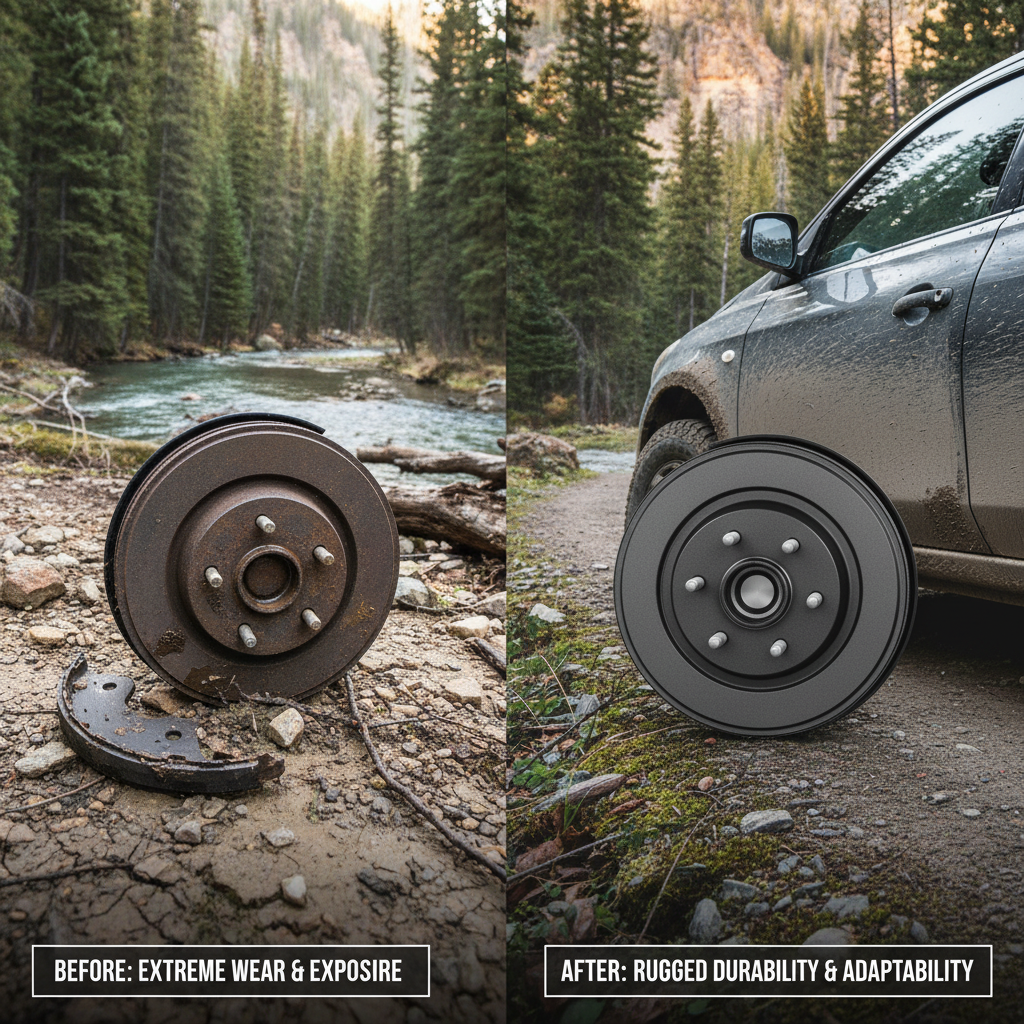
Brake drums are a foundational part of your Nissan Versa’s braking system, especially in models that utilize drum brakes on the rear wheels. They work in conjunction with brake shoes, wheel cylinders, and springs to create the friction needed to slow down or stop your vehicle. When you apply the brakes, the wheel cylinder pushes the brake shoes outwards against the inner surface of the brake drum, generating the necessary stopping force. The drum itself provides the surface against which this friction occurs. Maintaining the integrity of the brake drum is essential for consistent and reliable braking.
Key Function: Brake drums provide the surface for brake shoes to create friction, slowing or stopping the vehicle.
Identifying Signs of Worn Nissan Versa Brake Drums
Recognizing the signs of worn brake drums is crucial for preventative maintenance. Common indicators include squealing or grinding noises when braking, a pulsating sensation in the brake pedal, reduced braking efficiency, and visible scoring or damage on the drum surface. If you notice any of these symptoms, it's important to have your brake system inspected by a qualified mechanic. Ignoring these signs can lead to more significant and costly repairs down the road. Early detection can save you money and ensure your safety.
Warning Signs:
• Squealing or grinding noises
• Pulsating brake pedal
• Reduced braking performance
• Visible damage to the drum surface
Nissan Versa Brake Drum Materials: A Comparative Overview
Nissan Versa brake drums are typically constructed from cast iron, known for its durability and heat dissipation properties. However, some aftermarket options may utilize different materials or alloys. Understanding these differences can help you choose the right replacement drum for your vehicle. Here’s a comparison:
Replacing Your Nissan Versa Brake Drums: Considerations
Replacing your Nissan Versa’s brake drums is a task best left to qualified mechanics, especially if you're unfamiliar with brake system components. It involves disassembling the brake assembly, removing the old drums, cleaning the surrounding parts, and installing the new drums with all the correct hardware. Ensuring proper installation is crucial for optimal braking performance and safety. Always use high-quality replacement parts, and consider replacing the brake shoes at the same time for a more comprehensive brake job. JK Yihang provides quality brake drums for a variety of vehicles.
Choosing the Right Brake Drum for Your Nissan Versa
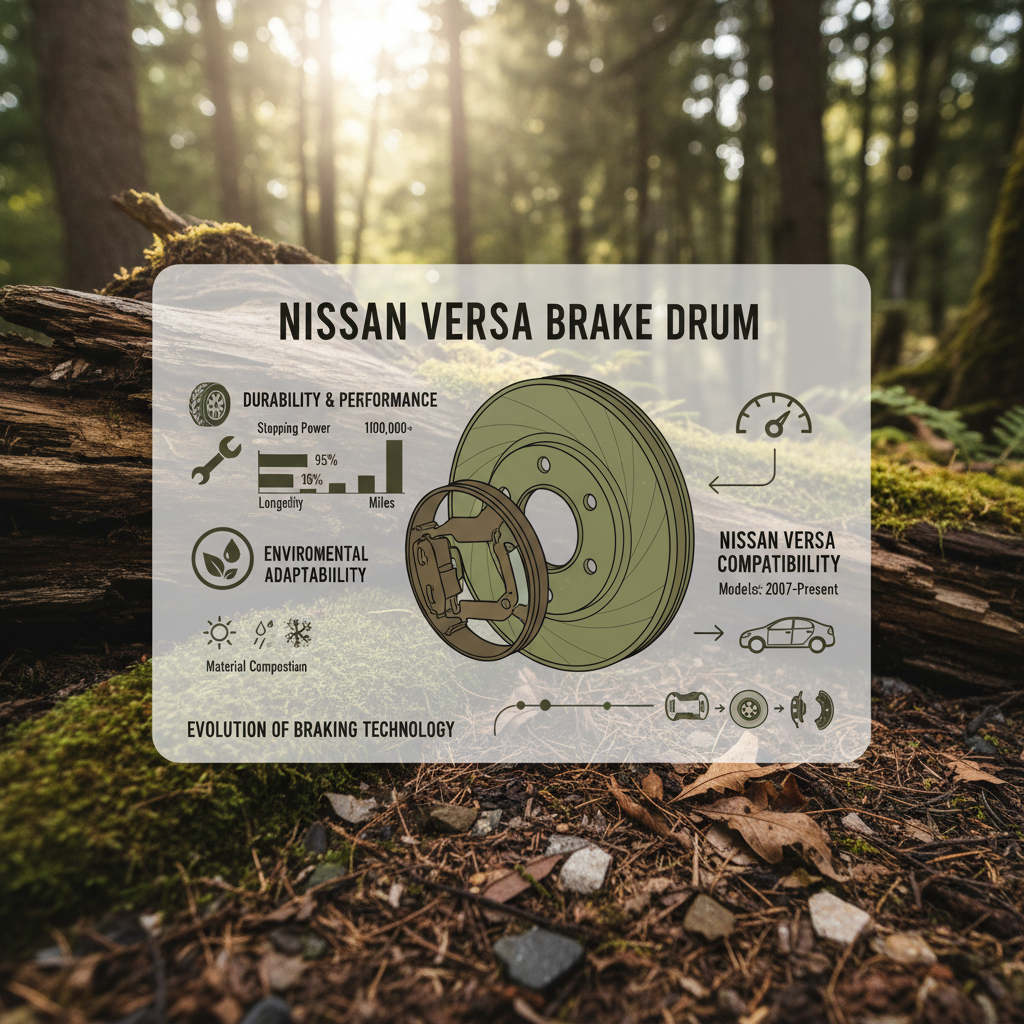
When selecting a replacement brake drum, it’s important to verify compatibility with your specific Nissan Versa model and year. Refer to your vehicle’s owner’s manual or consult with a parts specialist at JK Yihang to ensure you’re getting the correct part. Consider the quality of the drum and choose a reputable brand known for its durability and performance. Investing in a high-quality brake drum can save you money in the long run by reducing the need for frequent replacements.
Conclusion: Maintaining Safe Braking with Quality Brake Drums
Regularly inspecting and maintaining your Nissan Versa's brake drums is crucial for ensuring safe and reliable braking. By understanding the signs of wear, choosing the right replacement parts, and seeking professional installation when needed, you can keep your vehicle running smoothly and safely. Don't compromise on safety – prioritize your brake system maintenance!
Frequently Asked Questions (FAQs)
How often should I replace my Nissan Versa brake drums?
The lifespan of brake drums varies depending on driving habits and conditions. Generally, they should be inspected during every brake pad replacement, which is typically every 25,000 to 50,000 miles. If the drums are significantly worn, scored, or damaged, they should be replaced. Heavy braking, frequent towing, or driving in harsh conditions can accelerate wear. It's better to err on the side of caution and replace them if there's any doubt about their integrity.
Can I replace brake drums myself?
While it's technically possible to replace brake drums yourself, it's generally not recommended unless you have significant experience working on brake systems. Incorrect installation can lead to brake failure, which is a serious safety hazard. The process involves removing and reinstalling several components, and it's crucial to follow the correct procedures and torque specifications. If you're unsure about any aspect of the repair, it's best to leave it to a professional.
What’s the difference between brake drums and brake rotors?
Brake drums and brake rotors are both components of the braking system, but they function differently. Brake drums are used in older or less sophisticated systems, where brake shoes press against the inner surface of the drum to create friction. Brake rotors, on the other hand, are used in disc brake systems, where brake pads clamp onto the rotor to slow down the vehicle. Many Nissan Versa models use a combination of drum brakes in the rear and disc brakes in the front.
-
Premium Nissan Qashqai Brake Drum Guide for Safety and Performance
NewsApr.16,2026
-
Choosing the Best High Quality Nissan Pickup Brake Drum for Safety
NewsApr.09,2026
-
Comprehensive Guide to Nissan Patrol Brake Drum Maintenance and Replacement
NewsApr.07,2026
-
Comprehensive Guide to Nissan Versa Brake Drums Function and Replacement
NewsApr.04,2026
-
Comprehensive Guide to Nissan Cube Brake Drum Function and Replacement
NewsMar.31,2026
-
Comprehensive Guide to Nissan Brake Drums Performance and Maintenance
NewsMar.28,2026
 Afrikaans
 Albanian
 Amharic
 Arabic
 Armenian
 Azerbaijani
 Basque
 Belarusian
 Bengali
 Bosnian
 Bulgarian
 Catalan
 Cebuano
 Corsican
 Croatian
 Czech
Czech
 Danish
 Dutch
Dutch
 Esperanto
 Estonian
 Finnish
 French
 Frisian
 Galician
 Georgian
 German
 Greek
Greek
 Gujarati
 Haitian Creole
 Hausa
Hausa
 Hawaiian
 Hebrew
 Hindi
Hindi
 Miao
Miao
 Hungarian
 Icelandic
 Igbo
Igbo
 Indonesian
 Irish
Irish
 Italian
 Japanese
 Javanese
 Kannada
 Kazakh
 Khmer
Khmer
 Rwandese
 Korean
 Kurdish
 Kyrgyz
 Lao
Lao
 Latin
Latin
 Latvian
 Lithuanian
 Luxembourgish
 Macedonian
 Malgashi
 Malay
Malay
 Malayalam
 Maltese
 Maori
Maori
 Marathi
 Mongolian
 Myanmar
 Nepali
 Norwegian
 Norwegian
 Occitan
 Pashto
 Persian
 Polish
 Portuguese
 Punjabi
 Romanian
 Russian
 Samoan
 Scottish Gaelic
 Serbian
 Sesotho
 Shona
Shona
 Sindhi
 Sinhala
 Slovak
 Slovenian
 Somali
 Spanish
 Sundanese
 Swahili
 Swedish
 Tagalog
 Tajik
Tajik
 Tamil
Tamil
 Tatar
Tatar
 Telugu
 Thai
Thai
 Turkish
 Turkmen
 Ukrainian
 Urdu
Urdu
 Uighur
 Uzbek
Uzbek
 Vietnamese
 Welsh
Welsh
 Bantu
Bantu
 Yiddish
 Yoruba
 Zulu
Zulu
 English