
Mar . 08, 2026 02:05 Back to list
Comprehensive Webb Brake Drum Identification Guide for Safe Braking Systems
Webb Brake Drum Identification: A Comprehensive Guide
Identifying the correct Webb brake drum is crucial for ensuring the safety and efficiency of your braking system. A mismatched or incorrect drum can lead to reduced braking performance, increased wear and tear, and potentially dangerous situations. This guide provides a detailed overview of Webb brake drum identification, covering key features, common types, and best practices for accurate selection. Understanding these aspects will help you maintain a reliable and effective braking system for your vehicle or equipment.
Understanding Webb Brake Drum Basics
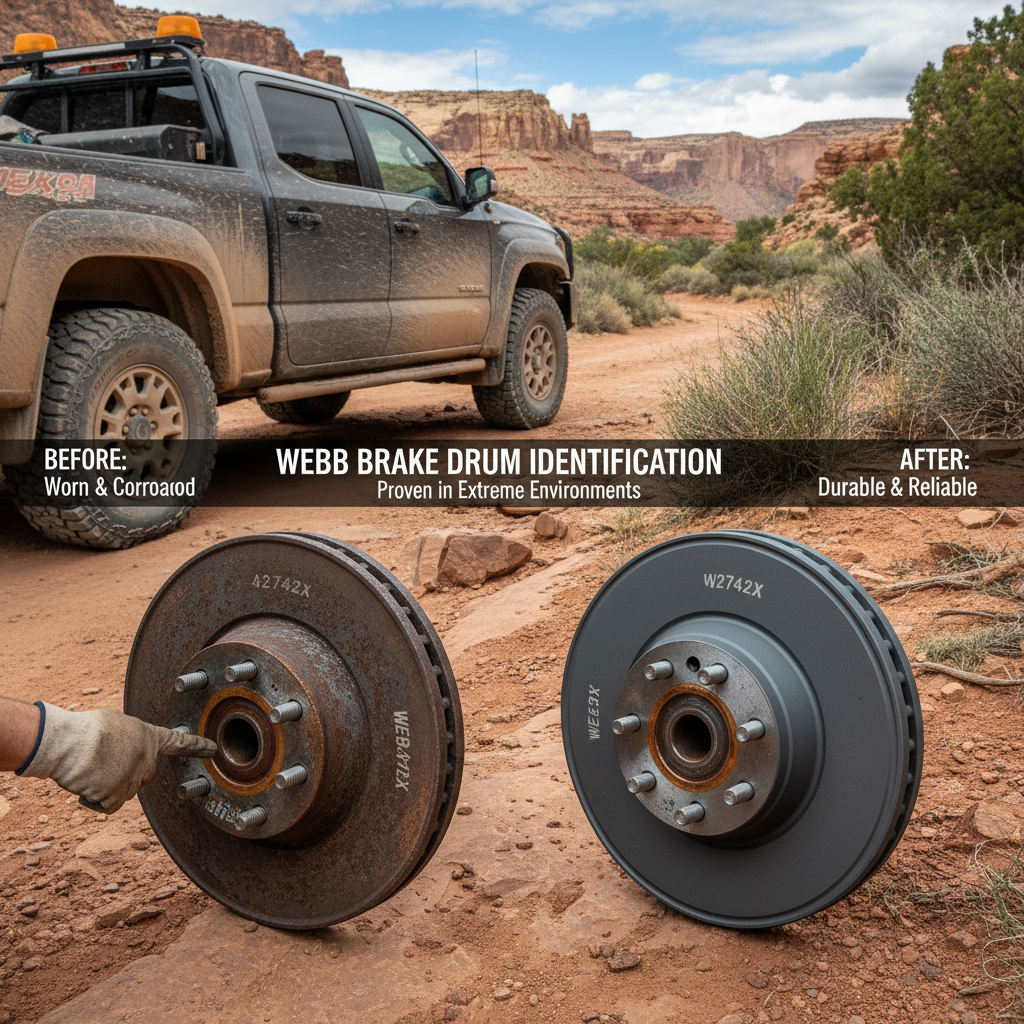
Webb brake drums are a vital component in mechanical braking systems, particularly in older vehicles, trailers, and industrial equipment. They work in conjunction with brake shoes to create friction and slow or stop the rotation of a wheel or shaft. Key aspects of identification include the drum's diameter, width, bolt pattern, and material composition. These specifications determine compatibility with your specific braking system. Proper identification is often key, as even slight variations in dimensions can render a drum unusable or unsafe. The JK Yihang provides a wide range of brake drum options to meet diverse needs.
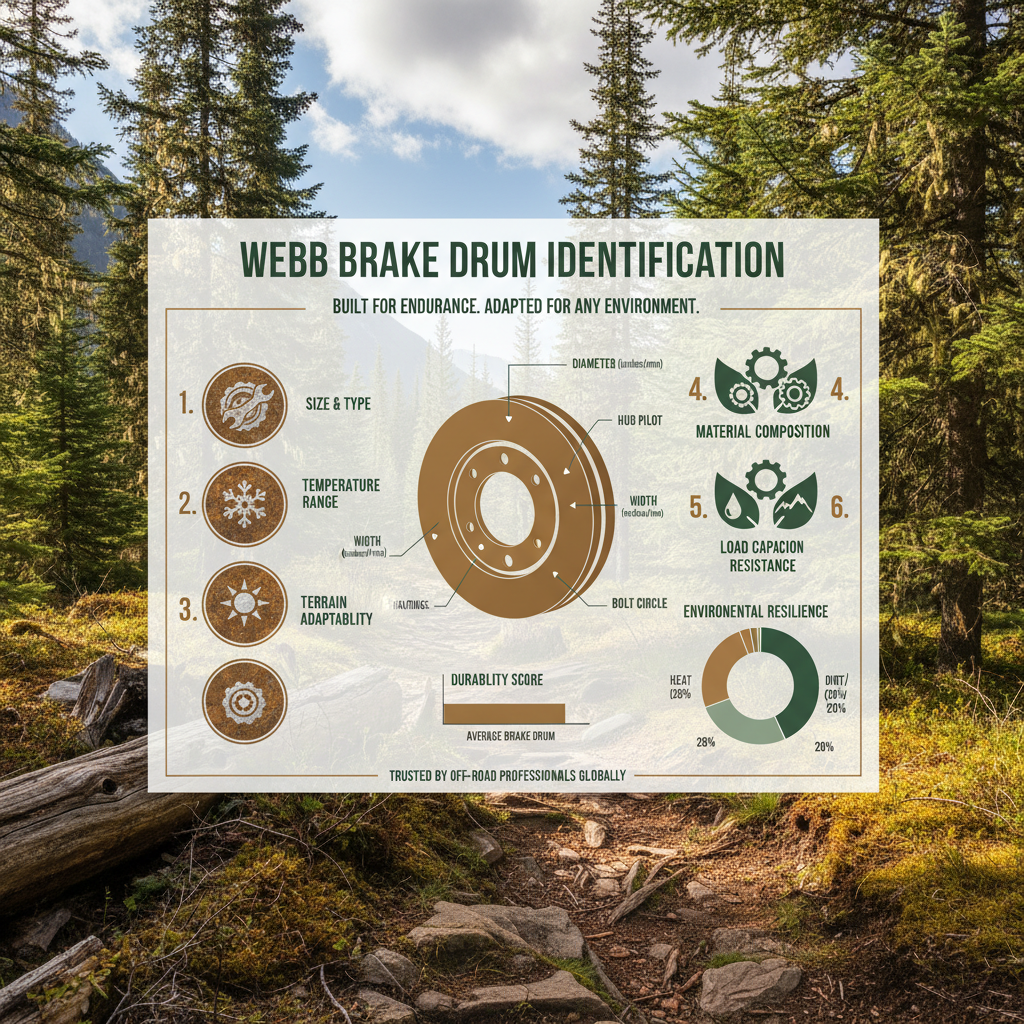
Key Identification Factors: Diameter, Width, Bolt Pattern, Material (Cast Iron, Composite).
Key Features for Webb Brake Drum Identification
Accurately identifying a Webb brake drum requires careful attention to several key features. First, the diameter is a critical measurement, usually expressed in inches. Second, the width of the drum (also in inches) dictates its compatibility with the brake shoes. The bolt pattern – the number and arrangement of the mounting holes – must precisely match the backing plate. Finally, the material (typically cast iron or composite) can offer clues about the drum’s application and performance characteristics. These specifications are often stamped or cast directly onto the drum’s surface.
Identification Checklist:
• Measure the diameter accurately.
• Determine the width of the braking surface.
• Count and map the bolt pattern.
• Identify the material if possible.
Webb Brake Drum Identification: Comparing Common Types
Webb brake drums come in several common types, each suited for specific applications. Cast iron drums are the most traditional and cost-effective option, offering good heat dissipation. Composite drums, often made from materials like steel and cast iron, are lighter and can offer improved performance in demanding conditions. The choice between these types depends on factors like vehicle weight, operating environment, and braking frequency. Proper identification of the drum type is important when selecting a replacement.
Utilizing Part Numbers for Accurate Webb Brake Drum Identification
Often, the most reliable method for Webb brake drum identification is using the manufacturer's part number. This number is typically stamped or labeled on the drum itself and is unique to a specific model and specification. You can use this part number to cross-reference with manufacturer catalogs or online databases, like the one provided by JK Yihang, to ensure you are purchasing the correct replacement. If the original part number is unreadable, carefully measuring and documenting all the key features (diameter, width, bolt pattern) is essential.
Avoiding Common Mistakes in Brake Drum Identification
Mistakes in brake drum identification can lead to serious safety issues. Avoid assuming compatibility based solely on visual appearance. Always verify the diameter, width, and bolt pattern before purchasing a replacement. Never attempt to modify a brake drum to fit, as this can compromise its structural integrity. If you are unsure about the correct identification, consult a qualified mechanic or contact JK Yihang's customer support for assistance.
Conclusion: Ensuring Safe and Reliable Braking
Accurate Webb brake drum identification is paramount for maintaining a safe and efficient braking system. By understanding the key features, common types, and potential pitfalls, you can ensure you select the correct replacement parts and avoid costly and dangerous mistakes. Trusting a reputable supplier like JK Yihang further guarantees the quality and compatibility of your brake components.
Frequently Asked Questions (FAQs)
What should I do if I can't find the part number on the brake drum?
If the part number is illegible, meticulously measure the drum's diameter and width using a caliper. Then, carefully count and record the number of bolt holes and their arrangement (pitch circle diameter). With this data, you can consult the JK Yihang website or contact their technical support. Providing these measurements will allow them to identify the correct replacement drum. Taking clear pictures of the drum, including the bolt pattern, can also be helpful.
How often should I replace my brake drums?
The replacement frequency depends on usage and driving conditions. Generally, brake drums should be inspected during each brake service. If you notice significant wear, scoring, or cracks, they should be replaced immediately. A good rule of thumb is to replace them when the thickness reaches the manufacturer's minimum specification. Consult a mechanic for a professional assessment, and consider replacing drums in pairs to ensure even braking performance.
Are composite brake drums compatible with all vehicles?
No, composite brake drums aren't universally compatible. They require a braking system designed to accommodate their unique properties. While offering performance benefits, they may not be suitable for all vehicles or applications. Always check your vehicle’s specifications or consult with a mechanic to determine if composite drums are appropriate. The JK Yihang team can provide guidance on compatibility.
What tools are needed for accurate brake drum measurement?
A digital caliper is essential for precise diameter and width measurements. A ruler or tape measure can be used for approximate measurements, but a caliper provides significantly greater accuracy. A bolt pattern gauge or a piece of cardboard and a pencil can help accurately map the bolt hole arrangement. A good flashlight and a wire brush to clean off any dirt or debris are also helpful tools.
-
Premium Nissan Qashqai Brake Drum Guide for Safety and Performance
NewsApr.16,2026
-
Choosing the Best High Quality Nissan Pickup Brake Drum for Safety
NewsApr.09,2026
-
Comprehensive Guide to Nissan Patrol Brake Drum Maintenance and Replacement
NewsApr.07,2026
-
Comprehensive Guide to Nissan Versa Brake Drums Function and Replacement
NewsApr.04,2026
-
Comprehensive Guide to Nissan Cube Brake Drum Function and Replacement
NewsMar.31,2026
-
Comprehensive Guide to Nissan Brake Drums Performance and Maintenance
NewsMar.28,2026
 Afrikaans
 Albanian
 Amharic
 Arabic
 Armenian
 Azerbaijani
 Basque
 Belarusian
 Bengali
 Bosnian
 Bulgarian
 Catalan
 Cebuano
 Corsican
 Croatian
 Czech
Czech
 Danish
 Dutch
Dutch
 Esperanto
 Estonian
 Finnish
 French
 Frisian
 Galician
 Georgian
 German
 Greek
Greek
 Gujarati
 Haitian Creole
 Hausa
Hausa
 Hawaiian
 Hebrew
 Hindi
Hindi
 Miao
Miao
 Hungarian
 Icelandic
 Igbo
Igbo
 Indonesian
 Irish
Irish
 Italian
 Japanese
 Javanese
 Kannada
 Kazakh
 Khmer
Khmer
 Rwandese
 Korean
 Kurdish
 Kyrgyz
 Lao
Lao
 Latin
Latin
 Latvian
 Lithuanian
 Luxembourgish
 Macedonian
 Malgashi
 Malay
Malay
 Malayalam
 Maltese
 Maori
Maori
 Marathi
 Mongolian
 Myanmar
 Nepali
 Norwegian
 Norwegian
 Occitan
 Pashto
 Persian
 Polish
 Portuguese
 Punjabi
 Romanian
 Russian
 Samoan
 Scottish Gaelic
 Serbian
 Sesotho
 Shona
Shona
 Sindhi
 Sinhala
 Slovak
 Slovenian
 Somali
 Spanish
 Sundanese
 Swahili
 Swedish
 Tagalog
 Tajik
Tajik
 Tamil
Tamil
 Tatar
Tatar
 Telugu
 Thai
Thai
 Turkish
 Turkmen
 Ukrainian
 Urdu
Urdu
 Uighur
 Uzbek
Uzbek
 Vietnamese
 Welsh
Welsh
 Bantu
Bantu
 Yiddish
 Yoruba
 Zulu
Zulu
 English