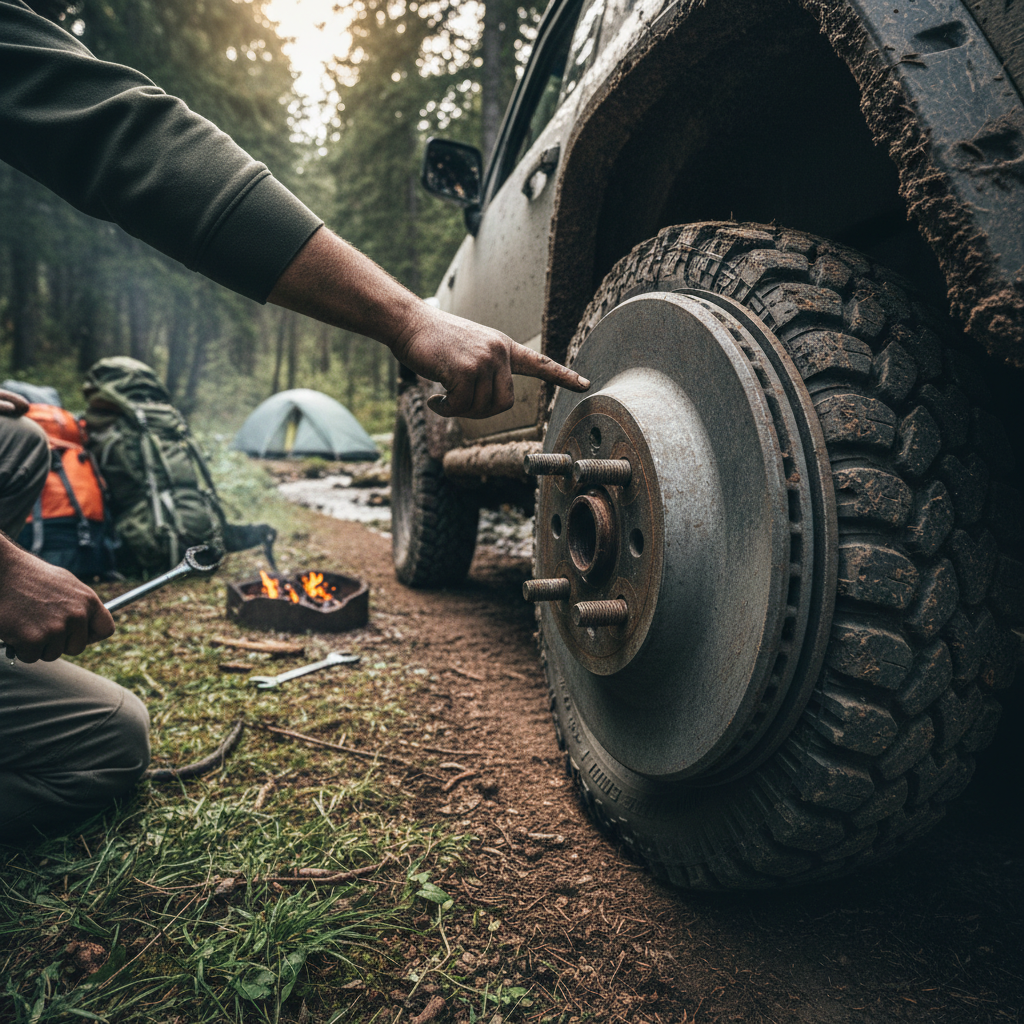
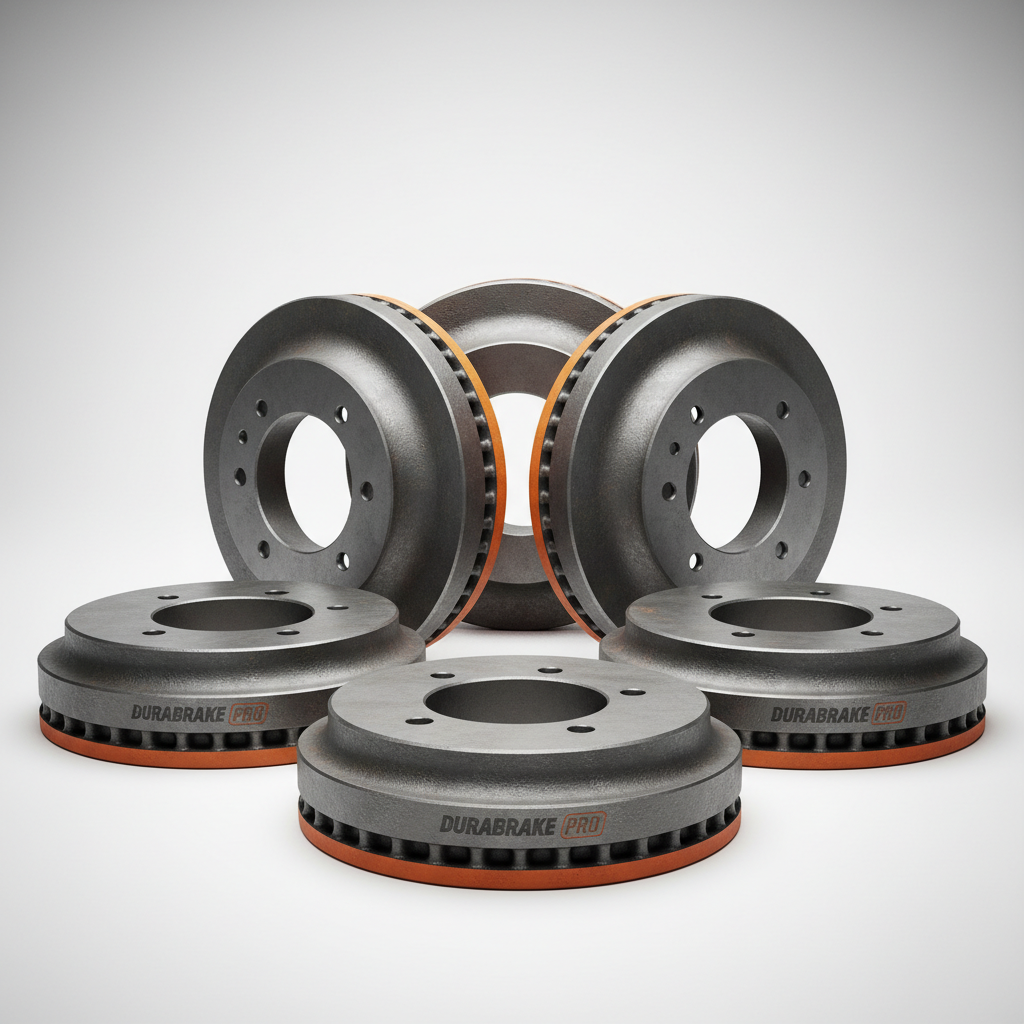
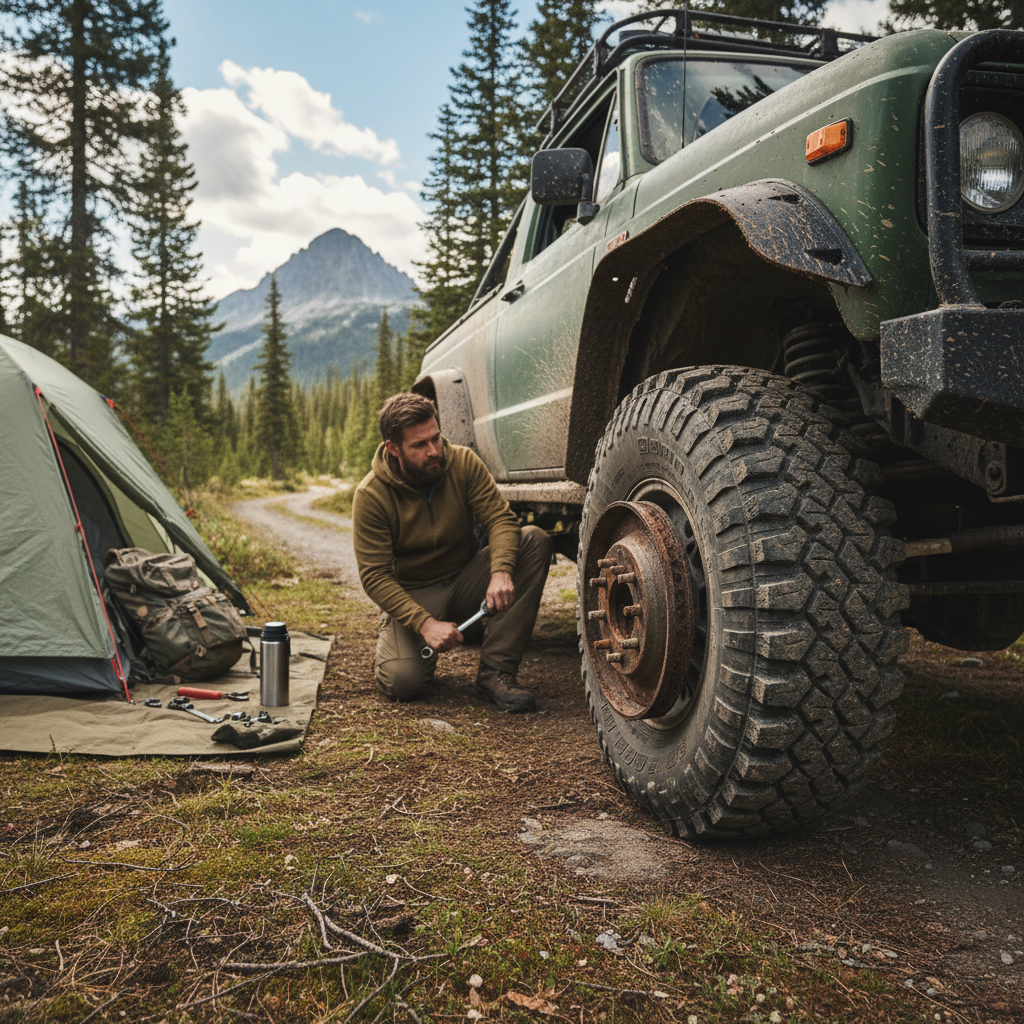
You know, things are moving fast these days. Everyone’s talking about lightweighting, right? Less weight, better fuel efficiency, the usual spiel. But honestly, a lot of these “innovations” just shift the problem somewhere else. Like, you save 10 kilos on the chassis, but then you need some exotic, expensive alloy to do it. And then good luck getting a welder to work with that stuff! It's always a trade-off. And then there's the whole push for automation... yeah, good in theory.
I spend all day on construction sites, and believe me, “theory” and “reality” are two very different things. I’ve seen robots try to assemble things that a guy with a wrench can do in five minutes. It’s… frustrating. The whole industry’s chasing these trends, and sometimes, they forget what actually matters: something that works reliably, day in and day out.
And don’t even get me started on tolerances. People design these parts with millimeter precision, but then you get it on-site and the foundation’s a bit wonky, or the ground isn’t level. Suddenly, those perfect tolerances don't mean a thing. To be honest, a little bit of wiggle room is a good thing. A little bit of forgiveness.
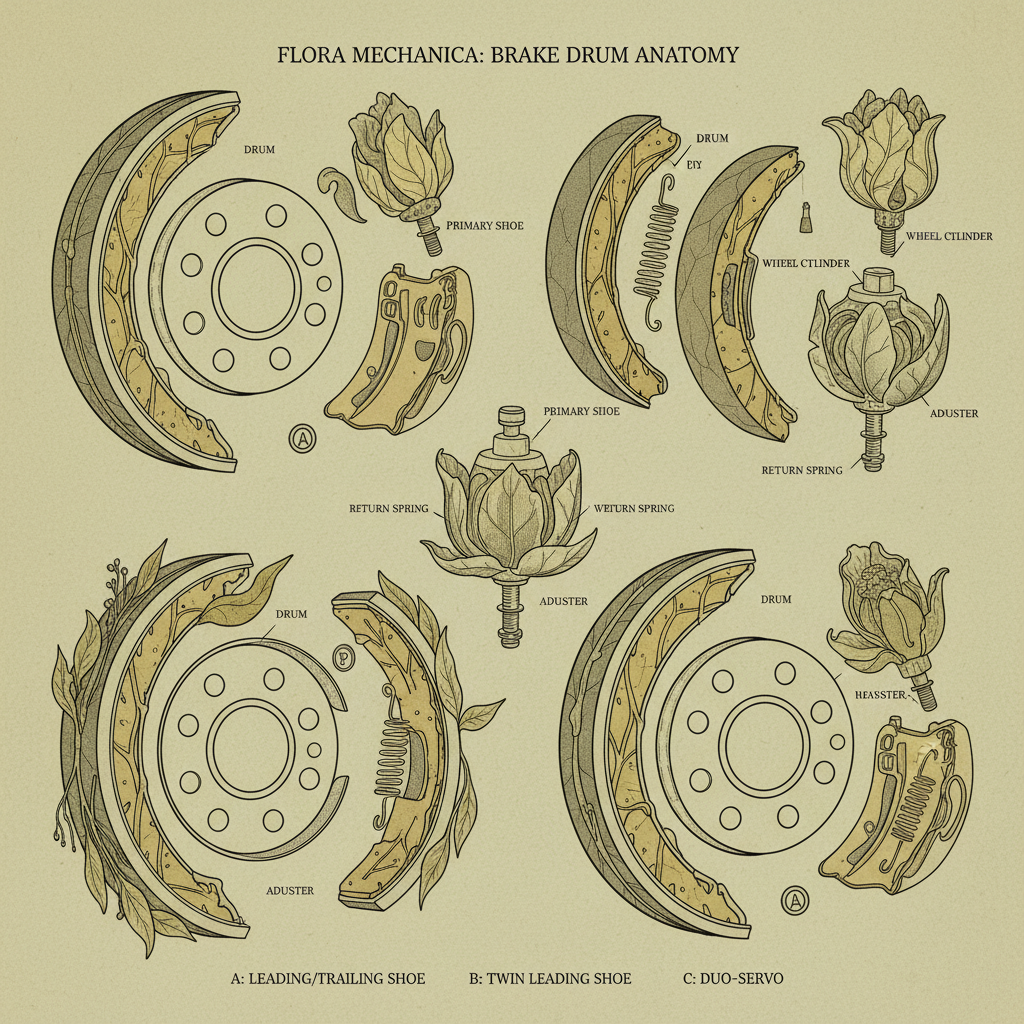
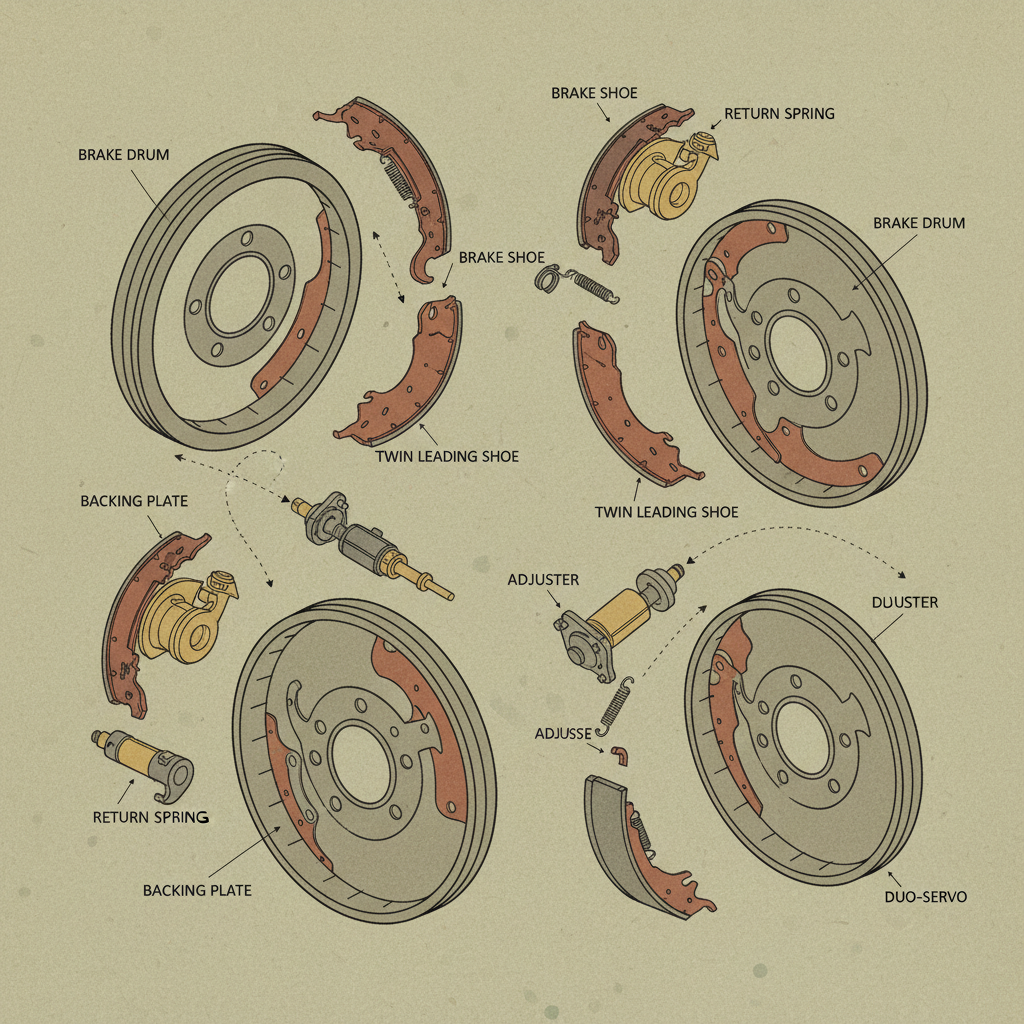
Right now, you're seeing a huge push for composite materials, and honestly, it's a mixed bag. They can shave weight, sure, but they're brittle. I encountered this at a factory in Ningbo last time – they were trying to use a carbon fiber reinforced polymer, and it just shattered during a stress test. Strangely, the old cast iron drum held up just fine. It's about finding the balance, you know? We’re also seeing more demand for drums that can handle higher temperatures – electric vehicles put a lot more thermal stress on the braking system.
And there’s a lot of talk about regenerative braking, which is great, but it doesn’t eliminate the need for mechanical brakes entirely. You still need something to stop the vehicle completely, and that’s where the drum comes in. Anyway, I think the future will likely see a hybrid approach - combining the benefits of different materials and technologies.
People often think newer is always better, but that's not true. A well-designed cast iron drum can outperform a poorly designed composite drum any day. It's about application and engineering, not just the material itself. The 'feel' of the material is also important – I've seen engineers get caught up in specs and forget what it's like to actually work with the stuff on a cold, muddy construction site.
It’s hugely important. A rough surface can cause uneven wear on the brake shoes, leading to squealing and reduced braking performance. A smooth surface ensures good contact and efficient heat dissipation. We specify a very tight tolerance on surface finish, and we reject any drums that don't meet our standards. Honestly, it’s one of the first things I check when a new batch arrives.
I think we'll see more integration of sensors and smart materials. Drums that can monitor their own temperature and wear levels, and adjust their performance accordingly. Also, more focus on lightweighting without sacrificing durability. Maybe a hybrid approach, combining the best properties of different materials. And hopefully, a little less hype and a little more practicality.
Thermal cracking is a common issue, especially in high-performance applications. The key is to use materials that can withstand high temperatures and to design the drum with adequate cooling. We also recommend regular inspections and maintenance to identify and address any cracks before they become a problem. It’s a constant battle, honestly.
Maintainability. Everyone focuses on performance and weight, but nobody thinks about how easy it is to replace the brake shoes or inspect the drum for wear. A drum that's a nightmare to service will end up costing more in the long run, even if it's cheaper to buy initially. Simple access points, standardized parts – those are the things that really matter.
Depends. For a high-performance racing car, maybe. For a delivery van, probably not. They can offer weight savings, but they're also more expensive and more prone to failure. You need to carefully consider the application and weigh the benefits against the risks. I've seen too many cases where people just chose composites because they were trendy, without understanding the trade-offs.
So, ultimately, there's no silver bullet when it comes to brake drums. It’s a complex system with a lot of variables. It's about finding the right balance between performance, durability, cost, and maintainability. We've come a long way, with new materials and technologies constantly emerging, but the fundamentals remain the same: you need a reliable braking system that can stop the vehicle safely and efficiently.
And that's really what it all comes down to. Ultimately, whether this thing works or not, the worker will know the moment he tightens the screw. If it feels right, if it looks right, if it performs as expected… then you’ve got a good drum. And if it doesn’t? Well, you go back to the drawing board.

 Afrikaans
 Albanian
 Amharic
 Arabic
 Armenian
 Azerbaijani
 Basque
 Belarusian
 Bengali
 Bosnian
 Bulgarian
 Catalan
 Cebuano
 Corsican
 Croatian
 Czech
Czech
 Danish
 Dutch
Dutch
 Esperanto
 Estonian
 Finnish
 French
 Frisian
 Galician
 Georgian
 German
 Greek
Greek
 Gujarati
 Haitian Creole
 Hausa
Hausa
 Hawaiian
 Hebrew
 Hindi
Hindi
 Miao
Miao
 Hungarian
 Icelandic
 Igbo
Igbo
 Indonesian
 Irish
Irish
 Italian
 Japanese
 Javanese
 Kannada
 Kazakh
 Khmer
Khmer
 Rwandese
 Korean
 Kurdish
 Kyrgyz
 Lao
Lao
 Latin
Latin
 Latvian
 Lithuanian
 Luxembourgish
 Macedonian
 Malgashi
 Malay
Malay
 Malayalam
 Maltese
 Maori
Maori
 Marathi
 Mongolian
 Myanmar
 Nepali
 Norwegian
 Norwegian
 Occitan
 Pashto
 Persian
 Polish
 Portuguese
 Punjabi
 Romanian
 Russian
 Samoan
 Scottish Gaelic
 Serbian
 Sesotho
 Shona
Shona
 Sindhi
 Sinhala
 Slovak
 Slovenian
 Somali
 Spanish
 Sundanese
 Swahili
 Swedish
 Tagalog
 Tajik
Tajik
 Tamil
Tamil
 Tatar
Tatar
 Telugu
 Thai
Thai
 Turkish
 Turkmen
 Ukrainian
 Urdu
Urdu
 Uighur
 Uzbek
Uzbek
 Vietnamese
 Welsh
Welsh
 Bantu
Bantu
 Yiddish
 Yoruba
 Zulu
Zulu
 English