
Sep . 11, 2025 09:00 Back to list
Premium Isuzu Brake Drums: Durable & High-Performance Replacements
Introduction to High-Performance Isuzu Brake Drums
In the demanding world of commercial transportation, the reliability and safety of braking systems are paramount. Components like brake drums are critical, bearing the immense responsibility of halting heavy vehicles under various operating conditions. This article delves into the specialized engineering and robust performance of isuzu brake drums, a cornerstone of safety and efficiency for Isuzu commercial vehicles.
Focusing on applications ranging from the versatile Isuzu NPR to the sturdy Isuzu Rodeo, we explore the intricate details of Isuzu drum brakes, covering aspects from design and manufacturing to real-world deployment. Understanding the technical specifications and operational advantages of these components is crucial for fleet managers and maintenance professionals seeking optimal performance and minimized downtime. This comprehensive overview will address key considerations for selecting, maintaining, and understanding the lifecycle of essential braking components, including specific insights into Isuzu NPR rear brake drum removal procedures and general maintenance for Isuzu drum systems.
Industry Trends in Commercial Vehicle Braking Systems
The commercial vehicle sector is continuously evolving, driven by stricter safety regulations, environmental concerns, and the relentless pursuit of operational efficiency. For braking systems, this translates into a demand for components that offer enhanced durability, superior heat dissipation, and reduced maintenance. While disc brakes have gained traction in certain applications, isuzu drum brakes continue to be the preferred choice for many heavy-duty trucks and buses due to their inherent robustness, larger contact area, and cost-effectiveness for high-load, low-speed applications.
Current trends emphasize the development of advanced materials for brake drums, focusing on high-carbon cast iron alloys that improve thermal fatigue resistance and extend service life. Furthermore, precision manufacturing techniques, including advanced CNC machining and dynamic balancing, are becoming standard to ensure optimal performance, minimize vibration, and reduce noise. The industry is also seeing a push towards lighter-weight components without compromising strength, contributing to better fuel efficiency and increased payload capacity. These innovations directly impact the performance and longevity of the isuzu brake drums used across the Isuzu fleet.
The Precision Manufacturing Process of Isuzu Brake Drums
The production of high-quality isuzu brake drums is a meticulous process, demanding stringent quality control and advanced metallurgical techniques. The longevity and consistent performance of an isuzu drum are directly linked to its manufacturing precision.
Material Selection and Preparation:
Typically, isuzu brake drums are cast from high-grade grey cast iron, specifically engineered for its excellent thermal conductivity, wear resistance, and damping characteristics. Specialized alloys may include additions of chromium, molybdenum, or copper to enhance strength and heat stability. Raw materials are rigorously inspected for purity and composition before melting.
Casting Process:
- Molding: Sand molds, designed with extreme precision, are created to form the outer and inner contours of the brake drum.
- Melting & Pouring: High-purity iron is melted in induction furnaces, with temperature and chemical composition meticulously controlled. The molten metal is then poured into the prepared molds, ensuring complete filling and minimal porosity.
- Cooling: Controlled cooling rates are critical to achieve the desired microstructure, influencing hardness, strength, and machinability.
Heat Treatment and Machining:
- Fettling & Blasting: Once cooled, excess material (runners, risers) is removed, and the casting is shot-blasted to clean the surface.
- Stress Relieving: Cast drums undergo a controlled heat treatment process to relieve internal stresses induced during cooling, preventing warping or cracking in service.
- CNC Machining: Advanced Computer Numerical Control (CNC) lathes and machining centers precisely machine the drum's braking surface, hub bore, and bolt holes to tight tolerances. This ensures perfect concentricity, balance, and mating with the wheel hub.
- Dynamic Balancing: Each drum is dynamically balanced to eliminate rotational imbalances, which can cause vibration, uneven tire wear, and premature component failure.
- Surface Finishing: The braking surface is typically ground or fine-turned to achieve the optimal roughness for friction material adhesion and brake performance.
Quality Assurance and Testing:
Quality control is integrated throughout the process. Materials are tested to ASTM standards, and finished products undergo rigorous checks including:
- Dimensional Inspection: Using CMM (Coordinate Measuring Machine) and precision gauges to verify all critical dimensions.
- Hardness Testing: Brinell hardness tests to ensure appropriate wear characteristics.
- Metallurgical Analysis: Microstructure analysis to confirm grain size and absence of defects.
- Non-Destructive Testing (NDT): Ultrasonic or magnetic particle inspection to detect internal flaws.
- Performance Testing: Dynamometer testing to simulate real-world braking conditions, assessing friction, heat dissipation, and fade resistance.
These processes adhere to international standards such as ISO 9001 for quality management and TS 16949 (now IATF 16949) for automotive quality, ensuring that every isuzu brake drum meets stringent performance and safety requirements. The expected service life, when properly maintained, can exceed 150,000 to 250,000 miles in typical applications, depending on driving conditions and load.
Target industries benefiting from these robust components include logistics and freight, public transport, construction, and municipal services, where reliability and consistent braking performance are non-negotiable.
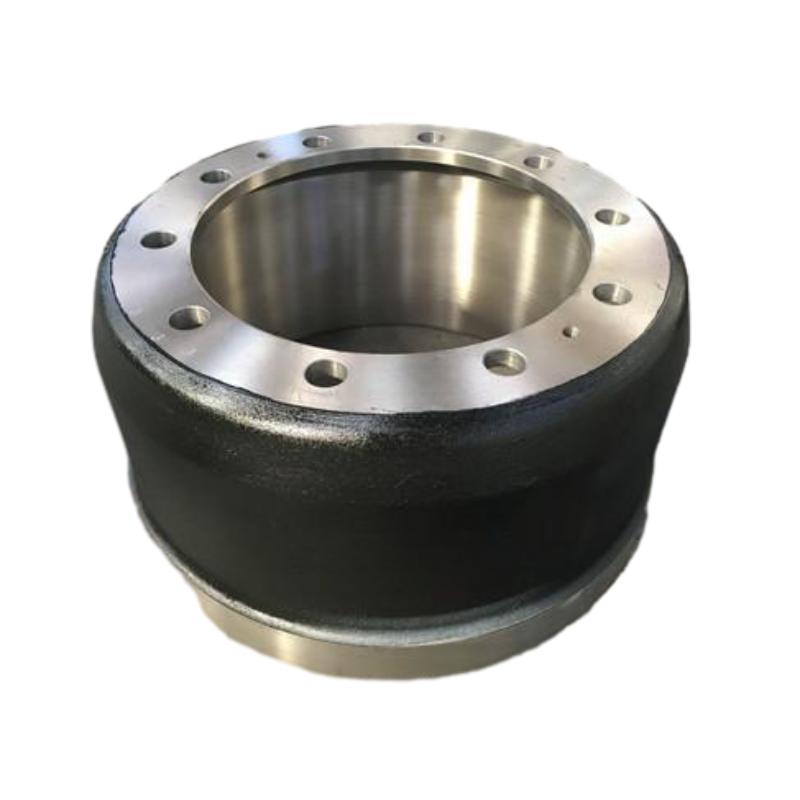
Image: Precision-engineered isuzu brake drums ready for assembly.
Technical Specifications and Performance Parameters
Understanding the technical parameters of isuzu brake drums is essential for optimizing fleet performance and ensuring safety. These specifications dictate compatibility, heat management, and overall braking efficiency. Key parameters include the nominal drum diameter, brake shoe width, overall height, and bore dimensions. Material composition, particularly the grade of cast iron, significantly impacts thermal stability and wear characteristics.
Typical Product Specification Table for Isuzu Brake Drums:
| Parameter | Isuzu NPR (Light-Duty) | Isuzu F-Series (Medium-Duty) | Isuzu Rodeo (Rear Drum) |
|---|---|---|---|
| Nominal Drum Diameter (ID) | 250 mm (9.84 in) | 350 mm (13.78 in) | 295 mm (11.61 in) |
| Brake Surface Width | 70-90 mm | 120-150 mm | 60-80 mm |
| Overall Height | 120-140 mm | 180-220 mm | 110-130 mm |
| Weight (approx.) | 8-12 kg | 25-40 kg | 10-15 kg |
| Material | Grey Cast Iron (HT250) | High Carbon Cast Iron (HT300) | Grey Cast Iron (HT250) |
| Hardness (HB) | 187-241 | 200-260 | 187-241 |
| Maximum Runout | < 0.05 mm | < 0.08 mm | < 0.05 mm |
Note: Specifications are typical and may vary based on specific model year and application for isuzu drum variants.
Performance Considerations:
- Heat Dissipation: The ability of the drum to shed heat is crucial to prevent brake fade and extend the life of brake linings. High-quality cast iron, with its graphitic microstructure, aids in effective heat transfer.
- Wear Resistance: A proper balance of hardness and microstructure ensures resistance to abrasive wear from the brake shoes, extending drum service life.
- Thermal Crack Resistance: Repeated heating and cooling cycles can lead to thermal cracking. Optimized material composition and design mitigate this risk.
- Noise and Vibration Control: Precision machining and dynamic balancing minimize common braking issues like judder and squeal, improving driver comfort and reducing component stress.
Application Scenarios and Technical Advantages
The robust design and inherent characteristics of isuzu brake drums make them exceptionally well-suited for a variety of demanding commercial and industrial applications. Their technical advantages translate directly into operational benefits across diverse sectors.
Typical Application Scenarios:
- Logistics & Freight Transport: From urban delivery trucks (e.g., Isuzu NPR) to heavy-duty haulers, where consistent stopping power for varying loads is crucial, isuzu drum brakes provide reliable performance.
- Construction & Municipal Services: Vehicles operating in demanding environments, such as dump trucks, refuse vehicles, and utility trucks, benefit from the enclosed design of drum brakes that offers better protection against dirt, debris, and water.
- Passenger Transport: Buses and shuttles often employ drum brakes for their durability and ability to handle frequent stops and heavy passenger loads, where the generous friction surface area of an isuzu drum is advantageous.
- Specialized Vehicles: Applications like tow trucks, recreational vehicles (e.g., Isuzu Rodeo rear drum brakes), and agricultural transport require robust braking solutions that can withstand high thermal loads and provide consistent stopping power.
Technical Advantages:
- High Stopping Power for Heavy Loads: The large surface area of brake shoes in contact with the drum, coupled with self-energization, allows for effective braking of heavy vehicles.
- Durability and Longevity: Constructed from high-strength cast iron, these drums are engineered for extended service life, reducing the frequency of replacements and associated maintenance costs.
- Cost-Effectiveness: Generally, the manufacturing and replacement costs for isuzu drum brakes are lower than equivalent heavy-duty disc brake systems, offering a favorable total cost of ownership (TCO).
- Protection from Elements: The enclosed design protects friction surfaces from road grime, water, and debris, which can compromise disc brake performance and accelerate wear. This makes them ideal for off-road or construction applications.
- Corrosion Resistance: High-quality cast iron, often with protective coatings, offers good resistance to corrosion, ensuring reliable operation even in harsh weather conditions or environments (e.g., coastal regions, road salt exposure).
- Parking Brake Integration: Drum brakes inherently allow for simpler integration of a mechanical parking brake mechanism, a practical advantage in many commercial vehicles.
- Energy Saving (Reduced Downtime): By ensuring reliable and consistent braking, these components contribute to vehicle uptime. Less frequent maintenance due to durable components and predictable wear patterns translates into reduced energy expenditure in terms of repair resources and lost operational hours.
Vendor Comparison and Customized Solutions
Selecting the right vendor for isuzu brake drums is a strategic decision that impacts fleet safety, operational costs, and vehicle longevity. While many suppliers offer replacement parts, not all provide the same level of engineering, quality assurance, or customization capabilities. A reputable vendor, such as JKXYihang (referencing our product at https://www.jkxyihang.com/isuzu.html), distinguishes itself through a commitment to precise manufacturing, material integrity, and comprehensive customer support.
Key Differentiators in Vendor Selection:
| Feature | Standard Supplier | Premium/Specialized Supplier (e.g., JKXYihang) |
|---|---|---|
| Material Quality | Basic grey cast iron, less stringent checks | High-grade specified alloys (e.g., HT250/HT300), chemical analysis, advanced metallurgy |
| Manufacturing Precision | Standard casting & machining, basic balancing | CNC machining to tight tolerances, dynamic balancing to OEM standards |
| Testing & Certifications | Basic QC, limited certifications | ISO 9001, IATF 16949, extensive NDT, performance dyno testing |
| Customization | Limited to standard dimensions | Ability to modify dimensions, materials, or coatings for specific needs |
| Technical Support | Basic product information | Engineering consultation, application-specific advice |
| Warranty & After-sales | Standard, often limited | Comprehensive warranty, dedicated support, rapid fulfillment |
Table: Comparison of vendor capabilities for isuzu brake drums.
Customized Solutions:
For fleets operating in unique or extremely challenging environments, off-the-shelf isuzu brake drums may not always provide optimal performance. Leading manufacturers offer customized solutions, tailoring specific parameters to meet client needs. This can include:
- Material Modifications: Developing specialized cast iron alloys with enhanced heat resistance, corrosion protection, or wear characteristics for extreme conditions (e.g., continuous heavy braking, saline environments).
- Dimensional Adjustments: Producing drums with slightly modified internal diameters or braking surface widths to accommodate non-standard brake shoe dimensions or specific vehicle configurations.
- Surface Treatments: Applying advanced coatings (e.g., phosphating for corrosion protection, specific machining patterns for improved friction break-in) to enhance performance or extend life in particular applications.
- Weight Optimization: Designing drums with optimized geometries to reduce unsprung mass without compromising strength, contributing to better handling and fuel economy.
These customized approaches leverage deep engineering expertise and advanced manufacturing capabilities, ensuring that every isuzu drum performs optimally for its intended use, reducing operational risks and extending asset life.
Real-World Application Case Studies
The practical benefits of high-quality isuzu brake drums are best illustrated through real-world applications. These case studies demonstrate how robust braking components contribute to enhanced safety, reduced operational costs, and improved efficiency for commercial fleets.
Case Study 1: Urban Logistics Fleet (Isuzu NPR)
A major urban logistics company operating a fleet of 150 Isuzu NPR trucks faced challenges with premature wear and occasional brake fade with aftermarket brake drums. Their vehicles underwent frequent stop-and-go cycles, leading to high thermal loads. Upon switching to OEM-grade isuzu brake drums from a certified supplier, they observed a significant improvement.
- Result: Brake drum life increased by an average of 35%, from 80,000 km to 108,000 km.
- Benefit: This extended lifespan reduced maintenance downtime by 15% and cut replacement part costs by 22% annually. Drivers reported more consistent braking performance and reduced pedal effort, enhancing safety.
Case Study 2: Mining Operations Support (Heavy-Duty Isuzu)
A fleet of heavy-duty Isuzu trucks used for support services in an open-pit mining operation experienced rapid corrosion and wear on brake drums due to abrasive dust and moisture. Standard isuzu drum components struggled to cope with the extreme conditions. A specialized vendor provided customized drums manufactured from an enhanced alloy with a proprietary corrosion-resistant coating.
- Result: The custom drums demonstrated superior resistance to both abrasive wear and chemical corrosion.
- Benefit: Service intervals for brake component inspection and replacement were extended by 50%, significantly improving vehicle availability and reducing operational expenditure in a critical environment. The enhanced durability also improved braking safety on steep, unpaved inclines.
Case Study 3: Passenger Bus Fleet (Isuzu F-Series)
A municipal bus company operating a fleet of Isuzu F-series buses needed to improve passenger safety and comfort while reducing maintenance overhead. They found that inconsistent quality in brake drum replacements led to uneven braking and frequent noise complaints. By implementing a strict procurement policy for certified isuzu brake drums from an IATF 16949 compliant manufacturer, they achieved marked improvements.
- Result: Reports of brake noise and judder decreased by 70%, and the need for unscheduled brake maintenance dropped by 30%.
- Benefit: Passenger comfort improved, and operational efficiency increased due to fewer unplanned service stops. This also led to positive feedback regarding the reliability and safety of the transport service.
These examples underscore the critical importance of investing in high-quality, technically sound isuzu brake drums for any commercial vehicle operation.
Frequently Asked Questions (FAQ) about Isuzu Brake Drums
Q1: How often should isuzu brake drums be inspected or replaced?
A: Inspection intervals typically align with routine vehicle maintenance schedules, often every 20,000 to 40,000 miles or annually. Replacement depends on wear beyond the manufacturer's specified maximum diameter (often stamped on the drum), presence of significant scoring, cracking, or severe heat spots. For optimal safety, follow Isuzu's maintenance guidelines and check local regulations.
Q2: What are the signs of a failing isuzu drum brake?
A: Common indicators include a grinding noise when braking, excessive pedal travel, vehicle pulling to one side during braking, vibration or pulsing through the pedal, or a burning smell after heavy braking. These symptoms suggest the need for immediate inspection, potentially involving isuzu npr rear brake drum removal and detailed inspection.
Q3: Can isuzu brake drums be resurfaced or turned?
A: Yes, resurfacing is often possible if the drum's wear is minor and it remains within the manufacturer's safe machining limits (typically indicated by a "max diameter" stamp). Resurfacing corrects minor imperfections and ensures a smooth surface for new brake shoes. However, excessive material removal can compromise strength and heat dissipation, necessitating full replacement.
Q4: What material is best for isuzu brake drums?
A: High-grade grey cast iron (e.g., HT250 or HT300), often with specific alloy additions, is the industry standard. This material offers an excellent balance of thermal conductivity, wear resistance, and damping characteristics crucial for effective and quiet braking. Always choose drums from reputable manufacturers that specify their material composition and adhere to industry standards.
Q5: How does a quality isuzu drum impact overall vehicle performance?
A: High-quality isuzu brake drums ensure consistent and reliable stopping power, critical for vehicle safety. They also contribute to longer brake pad/shoe life, reduced noise and vibration, and improved heat management, which prevents brake fade during heavy use. This translates to lower operating costs, increased driver confidence, and extended vehicle uptime.
Lead Time, Warranty, and After-Sales Support
At JKXYihang, we understand that for B2B clients, timely delivery and comprehensive post-purchase support are as crucial as product quality. Our commitment extends beyond the manufacturing of superior isuzu brake drums to ensuring a seamless experience for our partners.
Lead Time and Fulfillment:
We maintain efficient production schedules and robust supply chain logistics to ensure prompt order fulfillment.
- Standard Orders: Typically, lead times for standard isuzu drum components range from 15 to 30 business days, depending on order volume and current stock levels.
- Bulk/Custom Orders: For larger volume or customized isuzu brake drums, lead times are discussed and agreed upon during the quotation phase, factoring in specific material procurement and production processes. We offer expedited shipping options for urgent requirements.
Warranty Commitments:
Our isuzu brake drums are backed by a comprehensive warranty, reflecting our confidence in their quality and durability.
- Standard Warranty: A typical warranty period of 12 months or 50,000 miles (whichever comes first) covers manufacturing defects and material failures under normal operating conditions.
- Extended Warranty Options: For long-term partners or large fleets, extended warranty programs may be available, offering additional peace of mind and long-term cost protection.
- Claim Process: Our warranty claim process is streamlined and transparent, ensuring quick evaluation and resolution for any eligible issues.
Dedicated Customer Support:
We provide expert technical support and responsive customer service to assist with product selection, installation guidance, and troubleshooting.
- Technical Assistance: Our team of experienced engineers and product specialists is available to provide detailed technical specifications, application advice, and support for isuzu drum brakes.
- Account Management: Dedicated account managers ensure personalized service, understanding your specific fleet needs and proactively addressing any concerns.
- After-Sales Service: From replacement parts inquiries to performance feedback, our after-sales team is committed to ensuring ongoing satisfaction and maximizing the value of your investment in isuzu brake drums.
Conclusion
The performance and reliability of isuzu brake drums are critical for the safety and operational efficiency of commercial vehicles. From rigorous material selection and precision manufacturing to comprehensive quality control, every stage in the production of these components is geared towards delivering superior performance. By understanding the intricate details of their design, application scenarios, and the advantages they offer, fleet managers and technical decision-makers can make informed choices that contribute significantly to reduced downtime, enhanced safety, and lower total cost of ownership.
Investing in high-quality isuzu brake drums from a trusted and certified vendor is not merely a purchase; it's a strategic decision for the long-term success and safety of your fleet. As the commercial vehicle industry continues to advance, the demand for robust, reliable, and technically superior braking solutions will only intensify, making the selection of these critical components more important than ever.
Authoritative References
- Society of Automotive Engineers (SAE) International. "Brake Linings and Drums: Wear and Failure Analysis." SAE Technical Paper Series.
- International Organization for Standardization (ISO). "ISO 611: Road vehicles — Braking of automotive vehicles and their trailers — Vocabulary."
- American Society for Testing and Materials (ASTM) International. "ASTM A48/A48M - 03(2018) Standard Specification for Gray Iron Castings."
- Journal of Tribology. "Thermal Stress and Cracking in Automotive Brake Drums."
- Federal Motor Carrier Safety Administration (FMCSA). "Brake System Performance Standards."
-
Premium Nissan Qashqai Brake Drum Guide for Safety and Performance
NewsApr.16,2026
-
Choosing the Best High Quality Nissan Pickup Brake Drum for Safety
NewsApr.09,2026
-
Comprehensive Guide to Nissan Patrol Brake Drum Maintenance and Replacement
NewsApr.07,2026
-
Comprehensive Guide to Nissan Versa Brake Drums Function and Replacement
NewsApr.04,2026
-
Comprehensive Guide to Nissan Cube Brake Drum Function and Replacement
NewsMar.31,2026
-
Comprehensive Guide to Nissan Brake Drums Performance and Maintenance
NewsMar.28,2026
 Afrikaans
 Albanian
 Amharic
 Arabic
 Armenian
 Azerbaijani
 Basque
 Belarusian
 Bengali
 Bosnian
 Bulgarian
 Catalan
 Cebuano
 Corsican
 Croatian
 Czech
Czech
 Danish
 Dutch
Dutch
 Esperanto
 Estonian
 Finnish
 French
 Frisian
 Galician
 Georgian
 German
 Greek
Greek
 Gujarati
 Haitian Creole
 Hausa
Hausa
 Hawaiian
 Hebrew
 Hindi
Hindi
 Miao
Miao
 Hungarian
 Icelandic
 Igbo
Igbo
 Indonesian
 Irish
Irish
 Italian
 Japanese
 Javanese
 Kannada
 Kazakh
 Khmer
Khmer
 Rwandese
 Korean
 Kurdish
 Kyrgyz
 Lao
Lao
 Latin
Latin
 Latvian
 Lithuanian
 Luxembourgish
 Macedonian
 Malgashi
 Malay
Malay
 Malayalam
 Maltese
 Maori
Maori
 Marathi
 Mongolian
 Myanmar
 Nepali
 Norwegian
 Norwegian
 Occitan
 Pashto
 Persian
 Polish
 Portuguese
 Punjabi
 Romanian
 Russian
 Samoan
 Scottish Gaelic
 Serbian
 Sesotho
 Shona
Shona
 Sindhi
 Sinhala
 Slovak
 Slovenian
 Somali
 Spanish
 Sundanese
 Swahili
 Swedish
 Tagalog
 Tajik
Tajik
 Tamil
Tamil
 Tatar
Tatar
 Telugu
 Thai
Thai
 Turkish
 Turkmen
 Ukrainian
 Urdu
Urdu
 Uighur
 Uzbek
Uzbek
 Vietnamese
 Welsh
Welsh
 Bantu
Bantu
 Yiddish
 Yoruba
 Zulu
Zulu
 English