
Oct . 06, 2025 09:40 Back to list
SAF Axle Hub Nut Torque Drum Brakes: OEM Specs & Chart?
Real-World Notes on saf axle hub nut torque drum brakes
If you run heavy trailers, you already know that hub nut torque on drum-braked axles lives in that awkward space between “tight enough to hold preload” and “too tight and you cook bearings.” I’ve spent enough time in yards and on the phone with fleet techs to see how this plays out: torque windows, procedures, and—surprisingly—shop habits matter as much as the hardware.
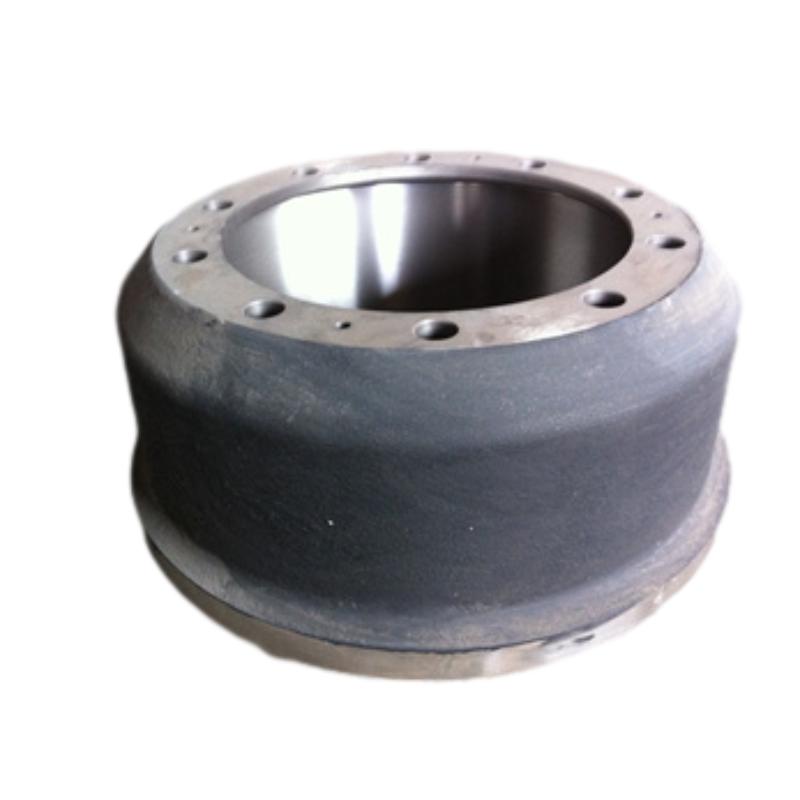
What’s moving in the market
Three trends keep coming up in interviews: torque control (calibrated tools and data-logged guns), corrosion-resistant finishes for spindle nuts, and integrated hub assemblies that aim to reduce adjustment steps. The second you mix high-mileage logistics with seasonal lane changes, you learn why. Torque loss after thermal cycles and corrosion are the silent killers of bearing life.
Technical snapshot and specs
Below is a practical, shop-friendly view for SAF-pattern drum-brake axles from China-origin suppliers (including the SAF-branded line here). Always follow the exact OEM procedure; ranges below are typical, not gospel.
| Item | Spec (≈ typical, real-world may vary) | Notes |
|---|---|---|
| Hub nut initial seating torque | ≈ 450–700 Nm | While rotating the hub to seat bearings; then back off per OEM. |
| Final adjustment/lock torque | ≈ 200–350 Nm | Achieve correct endplay/preload window (check with dial indicator). |
| Endplay target | ≈ 0.02–0.10 mm | TMC methodology; verify on-vehicle. |
| Nut material / grade | Alloy steel, ≈ class 10 nut (ISO 898-2) | Common: 40Cr / 42CrMo with heat treatment. |
| Corrosion protection | Zn flake or Zn-Ni, ≥ 240 h NSS (ISO 9227) | Salt-spray benchmark; field conditions differ. |
| Service life | ≈ 500,000–1,000,000 km | Depends on load, grease, lane profile, torque discipline. |
Process flow and quality
Materials: 40Cr or 42CrMo alloy steel for nuts; SCM440 for critical studs. Methods: CNC turning, thread rolling, quench-and-temper (aiming HRC 28–34), followed by surface coating. Testing: hardness per ISO 6508; dimensional checks to DIN ISO thread classes; torque-tension correlation on calibrated rigs; salt spray (ISO 9227); and spin rig heat-soak to validate torque retention after thermal cycles. Certifications I look for: ISO 9001, IATF 16949, and brake-system compliance against ECE R13 for the axle assemblies the hardware serves.
Applications
Logistics box trailers, bulk tankers, curtain-siders, construction low-beds, and reefers—anywhere drum brakes still rule for cost and robustness. Techs tell me saf axle hub nut torque drum brakes discipline is the difference between a quiet fleet and roadside bearing drama.
Vendor landscape (quick comparison)
| Vendor | Origin | Torque Guidance | Certs | Lead Time | Customization |
|---|---|---|---|---|---|
| SAF (China) | China | Detailed ranges + procedure notes | ISO 9001, IATF 16949 (factory) | ≈ 15–30 days | Thread/finish/kit bundling |
| BPW-compatible | EU/China | OEM manual driven | ISO 9001 | ≈ 20–40 days | Limited |
| Fuwa-compatible | China | Range-based | ISO 9001 | ≈ 10–25 days | Finish options |
| Meritor-compatible | US/EU | Procedure-centric | ISO 9001 | ≈ 25–45 days | OEM-level kits |
How it’s installed (abridged shop flow)
- Clean and inspect spindle threads; lightly oil threads and nut face (unless procedure says dry).
- Pack bearings with approved NLGI #2 grease; install hub and drum.
- Apply initial seating torque (see table), rotate hub, then back off per OEM.
- Set final torque to achieve ≈0.02–0.10 mm endplay; install lock washer/cage.
- Run-in check after first trip; re-verify endplay. It sounds fussy, but fleets swear by it.
Field feedback and a quick case
A coastal tanker fleet told me their corrosion-related retorque events dropped by about 30% after switching to Zn-flake coated nuts and actually logging torque gun calibration monthly. Another case: a mixed-brand fleet standardized on the saf axle hub nut torque drum brakes window above and saw bearing temps stabilize by 5–8°C on summer grades—small number, big payback over time.
Customization
For the China-built SAF line, you can usually spec thread pitch (fine/coarse), flange style, captive washer types, plus coating (Zn-Ni vs Zn-flake) and packaging as hub kits with cotters, seals, and calibrated data cards. Handy for large fleets that like uniformity.
Important: Always follow the exact SAF/OEM service manual for your axle build code. Ranges here are informational, not a substitute for the official procedure.
Authoritative citations
-
Premium Nissan Qashqai Brake Drum Guide for Safety and Performance
NewsApr.16,2026
-
Choosing the Best High Quality Nissan Pickup Brake Drum for Safety
NewsApr.09,2026
-
Comprehensive Guide to Nissan Patrol Brake Drum Maintenance and Replacement
NewsApr.07,2026
-
Comprehensive Guide to Nissan Versa Brake Drums Function and Replacement
NewsApr.04,2026
-
Comprehensive Guide to Nissan Cube Brake Drum Function and Replacement
NewsMar.31,2026
-
Comprehensive Guide to Nissan Brake Drums Performance and Maintenance
NewsMar.28,2026
 Afrikaans
 Albanian
 Amharic
 Arabic
 Armenian
 Azerbaijani
 Basque
 Belarusian
 Bengali
 Bosnian
 Bulgarian
 Catalan
 Cebuano
 Corsican
 Croatian
 Czech
Czech
 Danish
 Dutch
Dutch
 Esperanto
 Estonian
 Finnish
 French
 Frisian
 Galician
 Georgian
 German
 Greek
Greek
 Gujarati
 Haitian Creole
 Hausa
Hausa
 Hawaiian
 Hebrew
 Hindi
Hindi
 Miao
Miao
 Hungarian
 Icelandic
 Igbo
Igbo
 Indonesian
 Irish
Irish
 Italian
 Japanese
 Javanese
 Kannada
 Kazakh
 Khmer
Khmer
 Rwandese
 Korean
 Kurdish
 Kyrgyz
 Lao
Lao
 Latin
Latin
 Latvian
 Lithuanian
 Luxembourgish
 Macedonian
 Malgashi
 Malay
Malay
 Malayalam
 Maltese
 Maori
Maori
 Marathi
 Mongolian
 Myanmar
 Nepali
 Norwegian
 Norwegian
 Occitan
 Pashto
 Persian
 Polish
 Portuguese
 Punjabi
 Romanian
 Russian
 Samoan
 Scottish Gaelic
 Serbian
 Sesotho
 Shona
Shona
 Sindhi
 Sinhala
 Slovak
 Slovenian
 Somali
 Spanish
 Sundanese
 Swahili
 Swedish
 Tagalog
 Tajik
Tajik
 Tamil
Tamil
 Tatar
Tatar
 Telugu
 Thai
Thai
 Turkish
 Turkmen
 Ukrainian
 Urdu
Urdu
 Uighur
 Uzbek
Uzbek
 Vietnamese
 Welsh
Welsh
 Bantu
Bantu
 Yiddish
 Yoruba
 Zulu
Zulu
 English