
Feb . 24, 2026 10:55 Back to list
Comprehensive Guide to Webb Brake Drum Applications and Maintenance Procedures
Understanding the Webb Brake Drum: A Comprehensive Guide
The Webb brake drum is a critical component in various braking systems, particularly in heavy-duty applications like trucks, trailers, and industrial machinery. Ensuring the right brake drum is essential for safe and reliable operation. This article will delve into the features, applications, maintenance, and selection criteria for Webb brake drums, providing a comprehensive overview for professionals and vehicle owners. Proper understanding of brake drums contributes significantly to overall braking efficiency and safety.
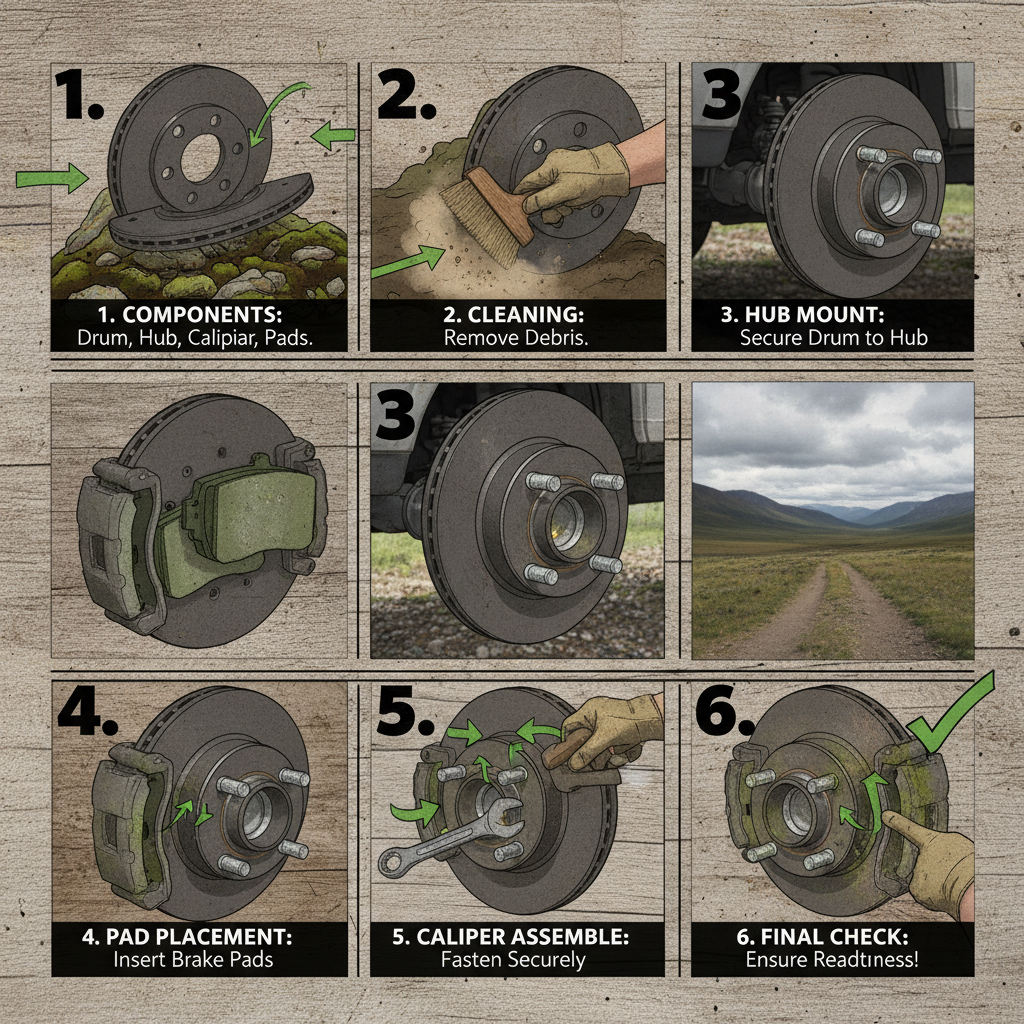
What is a Webb Brake Drum and Why is it Important?
A Webb brake drum is a hollow cylindrical component that works with brake shoes to create friction, slowing or stopping a rotating wheel or shaft. Its durability and heat dissipation capabilities are crucial for performance. The Webb brand is known for manufacturing high-quality brake drums designed for long life and consistent braking power. The internal surface of the drum provides the friction surface for the brake shoes, and its design influences braking efficiency, heat management, and overall system reliability. Selecting the correct Webb brake drum is essential to maintain optimal braking performance and prevent premature wear or failure.
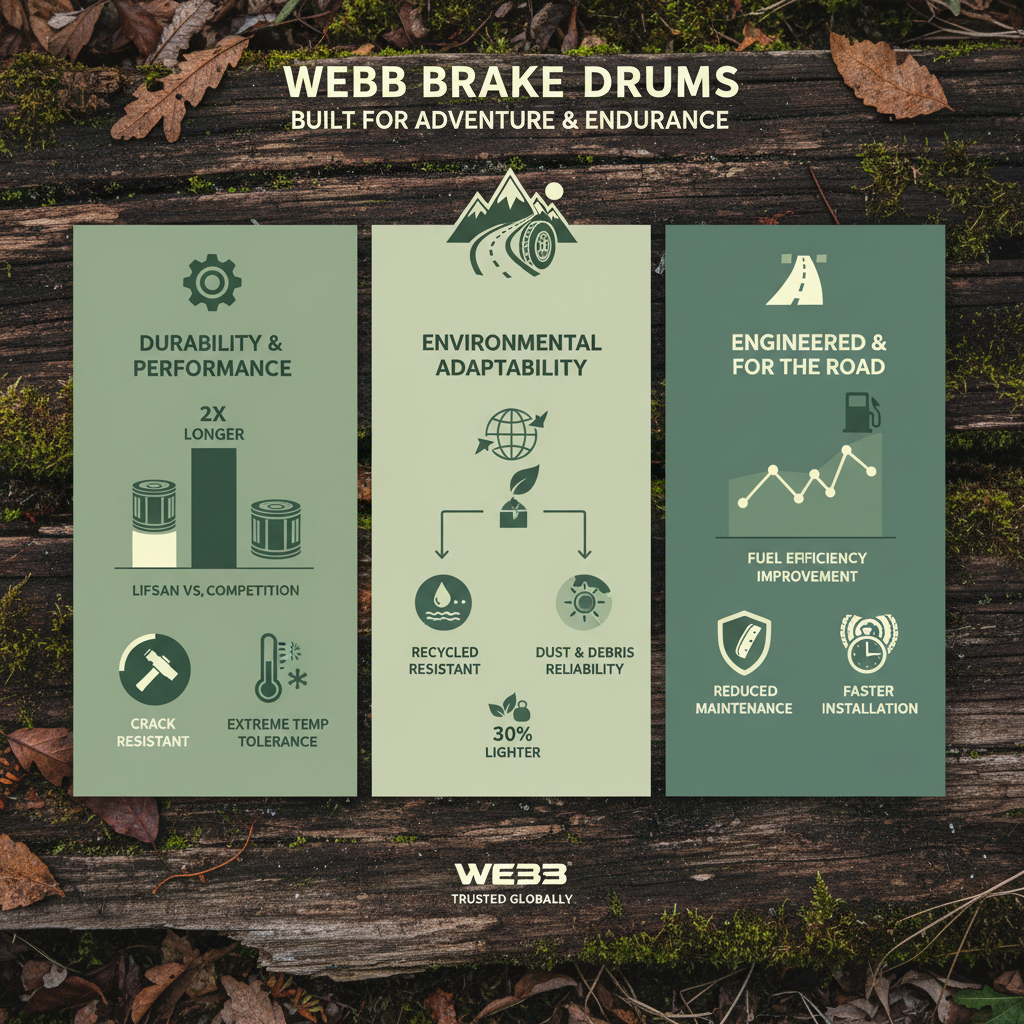
Key Benefit: Reliable braking performance and enhanced safety, particularly for heavy-duty vehicles and industrial applications. High-quality construction ensures long service life and reduces the frequency of replacements.
Webb Brake Drum Applications
Webb brake drums are widely used across various sectors. They are a common sight in commercial vehicles such as trucks, buses, and trailers, providing reliable stopping power for heavy loads. Industrial applications include construction equipment, agricultural machinery, and material handling systems. Furthermore, Webb brake drums find their place in specialized vehicles like emergency brake systems, winches and cranes. The diversity of applications underscores the versatility and reliability of these components.
Common Application Sectors:
• Commercial Trucking
• Trailer Manufacturing
• Construction Equipment
• Agricultural Machinery
Choosing the Right Webb Brake Drum: Key Considerations
Selecting the appropriate Webb brake drum requires careful consideration of several factors. The vehicle's make and model are paramount as drums are designed for specific applications. The drum's diameter, width, and bolt pattern must match the existing system. Furthermore, the drum’s material composition and manufacturing process influence its heat dissipation capabilities and durability. It's crucial to consult vehicle specifications and, if needed, an experienced brake specialist to ensure compatibility and optimal performance.
Maintaining Your Webb Brake Drums
Regular maintenance is vital for maximizing the life and performance of Webb brake drums. Routine inspections should include checking for cracks, scoring, or uneven wear on the braking surface. Ensure proper lubrication of all moving parts and regularly clean the drums to remove brake dust and debris. Address any issues promptly to prevent further damage and maintain optimal braking efficiency. Timely replacement of worn brake shoes is also crucial to prevent drum damage.
Frequently Asked Questions (FAQs)
What are the signs that a Webb brake drum needs replacing?
Several indicators suggest the need for brake drum replacement. These include noticeable cracks, deep scoring or grooves on the braking surface, excessive rust, or a warped drum. If you experience pulsations or vibrations during braking, it could also signal drum damage. Ignoring these symptoms can lead to reduced braking efficiency and potentially dangerous driving conditions. It’s always best to consult a qualified mechanic for a professional assessment.
How often should I inspect my Webb brake drums?
Regular inspections are crucial. It’s recommended to inspect your brake drums at least twice a year, or more frequently if you operate in harsh conditions or tow heavy loads. During each inspection, visually check for cracks, scoring, and excessive wear. Pay attention to any unusual noises or vibrations during braking, as these could indicate underlying issues. Addressing problems early can prevent more significant and costly repairs.
Can I resurface a Webb brake drum?
Resurfacing a brake drum is possible, but it has limitations. There's a minimum thickness specification for each drum model. If resurfacing would bring the drum below this limit, it must be replaced. Resurfacing removes material, reducing the drum’s heat capacity and potentially shortening its lifespan. It’s best to consult with a qualified mechanic to determine if resurfacing is a viable option based on the drum’s condition and remaining thickness.
Where can I find genuine Webb brake drums?
To ensure quality and compatibility, it’s always best to purchase genuine Webb brake drums from authorized distributors. JK Yihang is a trusted supplier of Webb brake drums and other high-quality braking components. Purchasing from a reputable source guarantees you receive authentic products that meet the required safety standards and performance specifications.
-
Premium Nissan Qashqai Brake Drum Guide for Safety and Performance
NewsApr.16,2026
-
Choosing the Best High Quality Nissan Pickup Brake Drum for Safety
NewsApr.09,2026
-
Comprehensive Guide to Nissan Patrol Brake Drum Maintenance and Replacement
NewsApr.07,2026
-
Comprehensive Guide to Nissan Versa Brake Drums Function and Replacement
NewsApr.04,2026
-
Comprehensive Guide to Nissan Cube Brake Drum Function and Replacement
NewsMar.31,2026
-
Comprehensive Guide to Nissan Brake Drums Performance and Maintenance
NewsMar.28,2026
 Afrikaans
 Albanian
 Amharic
 Arabic
 Armenian
 Azerbaijani
 Basque
 Belarusian
 Bengali
 Bosnian
 Bulgarian
 Catalan
 Cebuano
 Corsican
 Croatian
 Czech
Czech
 Danish
 Dutch
Dutch
 Esperanto
 Estonian
 Finnish
 French
 Frisian
 Galician
 Georgian
 German
 Greek
Greek
 Gujarati
 Haitian Creole
 Hausa
Hausa
 Hawaiian
 Hebrew
 Hindi
Hindi
 Miao
Miao
 Hungarian
 Icelandic
 Igbo
Igbo
 Indonesian
 Irish
Irish
 Italian
 Japanese
 Javanese
 Kannada
 Kazakh
 Khmer
Khmer
 Rwandese
 Korean
 Kurdish
 Kyrgyz
 Lao
Lao
 Latin
Latin
 Latvian
 Lithuanian
 Luxembourgish
 Macedonian
 Malgashi
 Malay
Malay
 Malayalam
 Maltese
 Maori
Maori
 Marathi
 Mongolian
 Myanmar
 Nepali
 Norwegian
 Norwegian
 Occitan
 Pashto
 Persian
 Polish
 Portuguese
 Punjabi
 Romanian
 Russian
 Samoan
 Scottish Gaelic
 Serbian
 Sesotho
 Shona
Shona
 Sindhi
 Sinhala
 Slovak
 Slovenian
 Somali
 Spanish
 Sundanese
 Swahili
 Swedish
 Tagalog
 Tajik
Tajik
 Tamil
Tamil
 Tatar
Tatar
 Telugu
 Thai
Thai
 Turkish
 Turkmen
 Ukrainian
 Urdu
Urdu
 Uighur
 Uzbek
Uzbek
 Vietnamese
 Welsh
Welsh
 Bantu
Bantu
 Yiddish
 Yoruba
 Zulu
Zulu
 English