
Jan . 27, 2026 18:55 Back to list
Successfully Removing a Frozen Brake Drum A Comprehensive Guide
How to Remove a Frozen Brake Drum
Dealing with a frozen brake drum can be incredibly frustrating for mechanics and DIY enthusiasts alike. Often caused by rust and corrosion building up over time, a stuck drum can make brake service impossible without the right techniques. This article will provide a comprehensive guide on how to remove a frozen brake drum, covering various methods, tools, and safety precautions. We'll break down the process step-by-step, ensuring you can tackle this repair with confidence. Understanding the causes of brake drum freeze-up and proper prevention techniques will also be discussed.
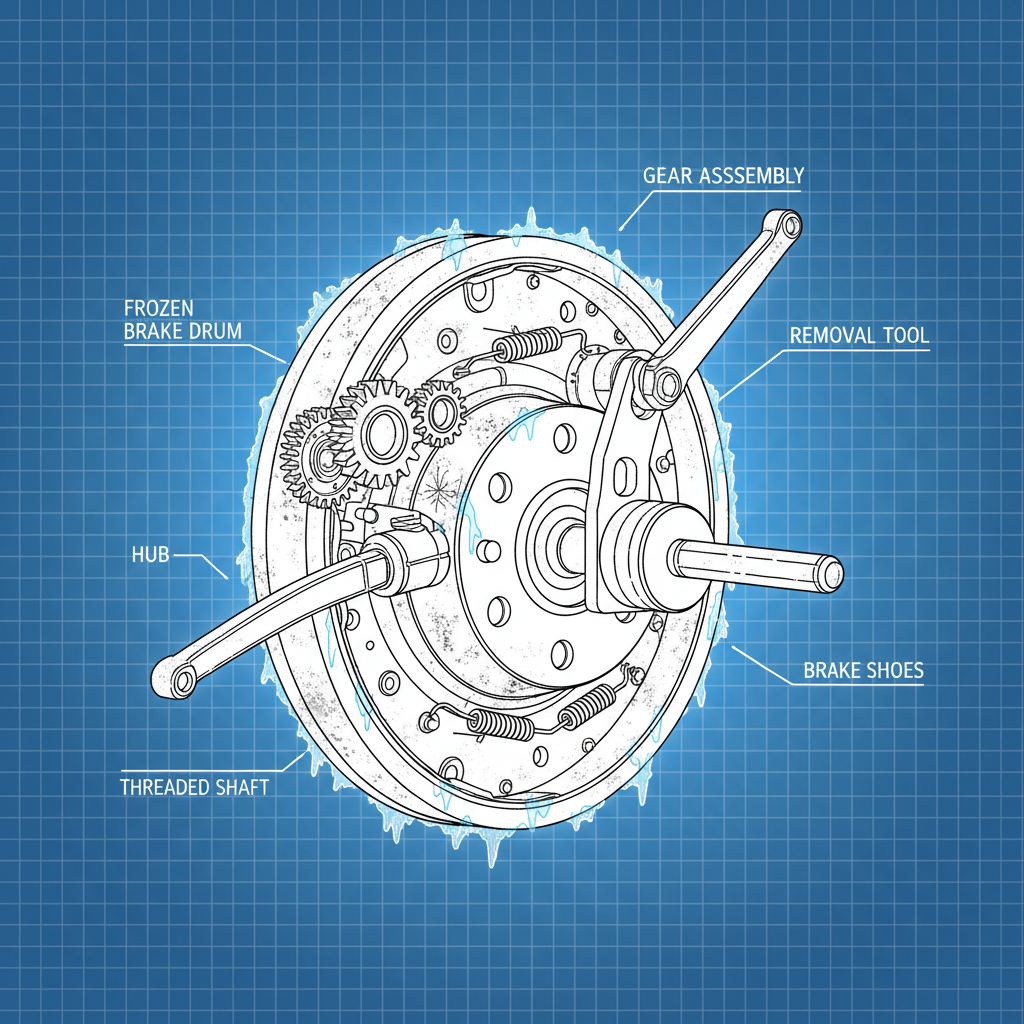
Understanding Why Brake Drums Freeze
Before diving into removal methods, it’s crucial to understand why brake drums become frozen. The primary culprit is rust. Moisture accumulates within the brake assembly, reacting with the iron drum and creating rust. This rust acts like a powerful adhesive, locking the drum onto the wheel studs. Extended periods of inactivity exacerbate the problem, as the rust has more time to develop. Additionally, repeated application of the parking brake in damp conditions can contribute to the issue, further binding the drum. Finally, a damaged wheel cylinder causing brake fluid leaks can accelerate corrosion.
Key Factors Contributing to Frozen Brake Drums:
- Rust and Corrosion
- Prolonged Vehicle Inactivity
- Frequent Parking Brake Use in Wet Conditions
- Wheel Cylinder Leaks
Method 1: Penetrating Oil and Gentle Persuasion
This is often the first and least invasive approach. Start by thoroughly soaking the area where the drum meets the hub with a high-quality penetrating oil – brands like PB Blaster or Liquid Wrench are highly recommended. Allow the oil to penetrate for at least 30 minutes, or even overnight for severely frozen drums. After soaking, use a rubber mallet to gently tap around the drum's perimeter. Rotate the drum slightly between taps. Avoid hitting the drum directly with a steel hammer, as this could damage it. The goal is to break the rust bond, not deform the drum.
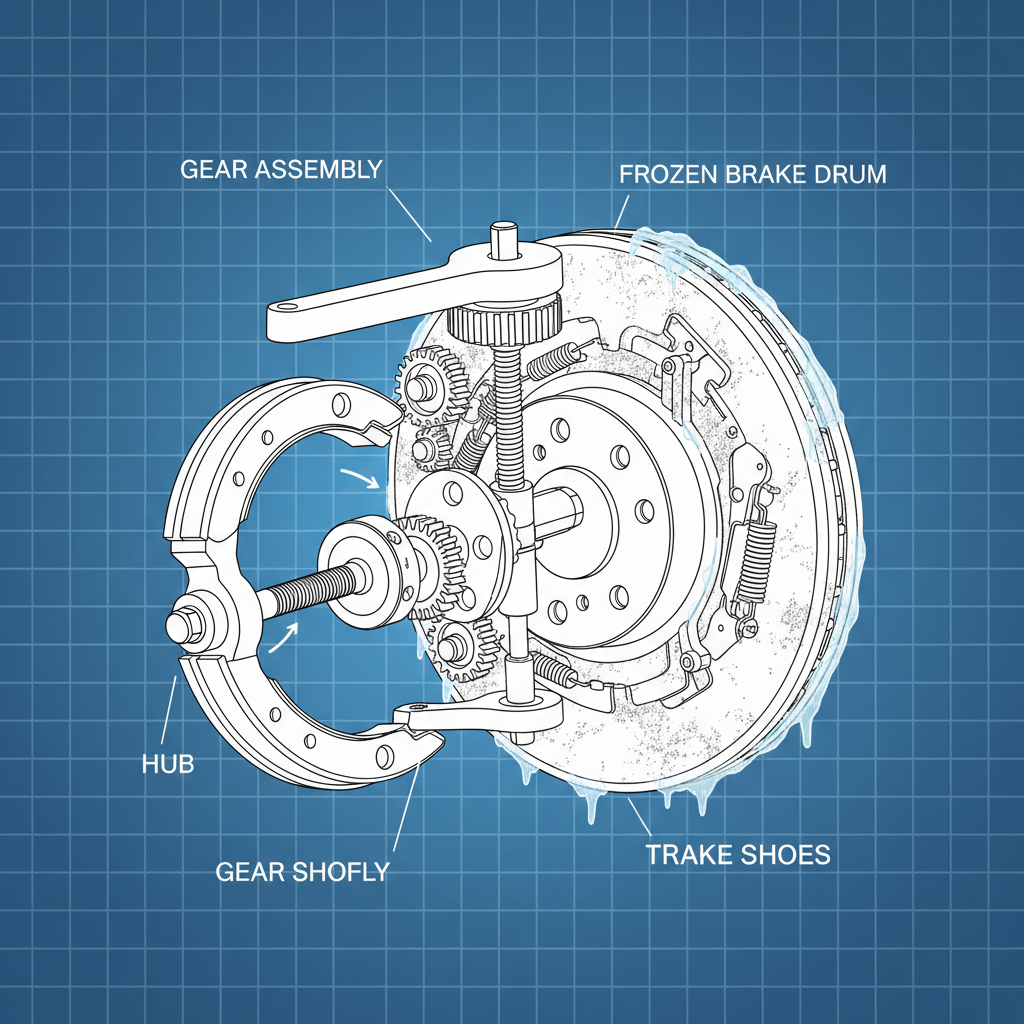
Method 2: Utilizing a Brake Drum Puller
If penetrating oil and gentle tapping fail, a brake drum puller is your next best option. This tool attaches to the wheel studs and applies even pressure to pull the drum off the hub. It’s important to select a puller that’s appropriately sized for your vehicle. Ensure the puller is securely attached and tightened gradually, applying consistent pressure. Avoid over-tightening, as this could damage the wheel studs. If the drum still resists, apply more penetrating oil and repeat the process. Using a puller is generally safer than more aggressive methods, minimizing the risk of damage.
Comparing Removal Methods: Efficiency and Risk
Different methods come with varying levels of effort and potential risk. Here's a quick comparison:
Preventing Future Freeze-Up
Preventing brake drums from freezing in the first place is always the best course of action. Regularly inspect your braking system for leaks. Apply a thin coat of brake lubricant to the drum hub mating surfaces during brake service. When storing a vehicle for extended periods, engage the parking brake as little as possible. Consider using wheel chocks instead. Finally, ensure proper drainage around the brake assembly to minimize moisture accumulation. Routine maintenance and preventative measures will save you significant time and effort in the long run. For high-quality brake components and tools, visit JK Yihang.
Conclusion: Conquering Frozen Brake Drums
Removing a frozen brake drum requires patience, the right tools, and a systematic approach. By following the methods outlined in this guide, you can successfully address this common brake repair challenge. Remember safety first, and don't hesitate to seek professional assistance if you're uncomfortable performing the task yourself.
Frequently Asked Questions (FAQs)
What type of penetrating oil works best for frozen brake drums?
While many penetrating oils can help, those containing molybdenum disulfide (MoS2) generally perform better on rusted components. PB Blaster, Liquid Wrench, and Kroil are popular choices known for their deep penetration and ability to break down rust. Apply generously and allow ample soaking time – overnight is often beneficial for severely frozen drums. Multiple applications may be needed for optimal results. Remember to clean any excess oil before beginning your work to avoid contamination and ensure proper brake function.
Can I use heat to remove a frozen brake drum?
Yes, heat can sometimes help break the rust bond, but exercise extreme caution. Use a propane or butane torch sparingly and direct the heat only to the drum itself, avoiding surrounding components like brake lines and seals. Overheating can damage the drum, warp it, or even ignite flammable materials. Always use appropriate safety gear, including gloves and eye protection. Applying penetrating oil after heating can further enhance the process. Consider a heat gun as a safer alternative to an open flame.
What should I do if I damage the wheel studs during removal?
Damaged wheel studs are a serious concern. If you notice any stripped threads or deformation, do not attempt to reuse them. The wheel studs must be replaced immediately to ensure safe wheel mounting. This usually requires removing the hub assembly and pressing out the old studs, then pressing in new ones. It's a task best left to a qualified mechanic with the proper tools and expertise. Ignoring damaged wheel studs can lead to wheel detachment and a dangerous driving situation.
How often should I inspect my brake drums for signs of corrosion?
Brake drum inspection should be part of your regular vehicle maintenance routine. Ideally, inspect them at least twice a year, or whenever you rotate your tires. Look for signs of surface rust, pitting, or excessive corrosion. Early detection allows you to address the problem before it leads to a frozen drum. Pay particular attention if you live in an area with harsh winters or frequent exposure to road salt, as these conditions accelerate corrosion.
-
Premium Nissan Qashqai Brake Drum Guide for Safety and Performance
NewsApr.16,2026
-
Choosing the Best High Quality Nissan Pickup Brake Drum for Safety
NewsApr.09,2026
-
Comprehensive Guide to Nissan Patrol Brake Drum Maintenance and Replacement
NewsApr.07,2026
-
Comprehensive Guide to Nissan Versa Brake Drums Function and Replacement
NewsApr.04,2026
-
Comprehensive Guide to Nissan Cube Brake Drum Function and Replacement
NewsMar.31,2026
-
Comprehensive Guide to Nissan Brake Drums Performance and Maintenance
NewsMar.28,2026
 Afrikaans
 Albanian
 Amharic
 Arabic
 Armenian
 Azerbaijani
 Basque
 Belarusian
 Bengali
 Bosnian
 Bulgarian
 Catalan
 Cebuano
 Corsican
 Croatian
 Czech
Czech
 Danish
 Dutch
Dutch
 Esperanto
 Estonian
 Finnish
 French
 Frisian
 Galician
 Georgian
 German
 Greek
Greek
 Gujarati
 Haitian Creole
 Hausa
Hausa
 Hawaiian
 Hebrew
 Hindi
Hindi
 Miao
Miao
 Hungarian
 Icelandic
 Igbo
Igbo
 Indonesian
 Irish
Irish
 Italian
 Japanese
 Javanese
 Kannada
 Kazakh
 Khmer
Khmer
 Rwandese
 Korean
 Kurdish
 Kyrgyz
 Lao
Lao
 Latin
Latin
 Latvian
 Lithuanian
 Luxembourgish
 Macedonian
 Malgashi
 Malay
Malay
 Malayalam
 Maltese
 Maori
Maori
 Marathi
 Mongolian
 Myanmar
 Nepali
 Norwegian
 Norwegian
 Occitan
 Pashto
 Persian
 Polish
 Portuguese
 Punjabi
 Romanian
 Russian
 Samoan
 Scottish Gaelic
 Serbian
 Sesotho
 Shona
Shona
 Sindhi
 Sinhala
 Slovak
 Slovenian
 Somali
 Spanish
 Sundanese
 Swahili
 Swedish
 Tagalog
 Tajik
Tajik
 Tamil
Tamil
 Tatar
Tatar
 Telugu
 Thai
Thai
 Turkish
 Turkmen
 Ukrainian
 Urdu
Urdu
 Uighur
 Uzbek
Uzbek
 Vietnamese
 Welsh
Welsh
 Bantu
Bantu
 Yiddish
 Yoruba
 Zulu
Zulu
 English