
Feb . 11, 2026 02:05 Back to list
Comprehensive Guide to Brake Drum Springs for Automotive Braking Systems
Understanding Brake Drum Springs: A Comprehensive Guide
Brake drum springs are critical components in automotive braking systems, ensuring reliable and safe stopping power. These seemingly small parts play a vital role in maintaining the proper function of brake shoes and drums. This article provides an in-depth look at brake drum springs, covering their types, function, common issues, and how to choose the right springs for your vehicle. Proper brake maintenance, including inspecting and replacing brake drum springs, is crucial for vehicle safety and performance. Understanding these components can empower you to make informed decisions about your vehicle’s maintenance and repair.
The Function of Brake Drum Springs
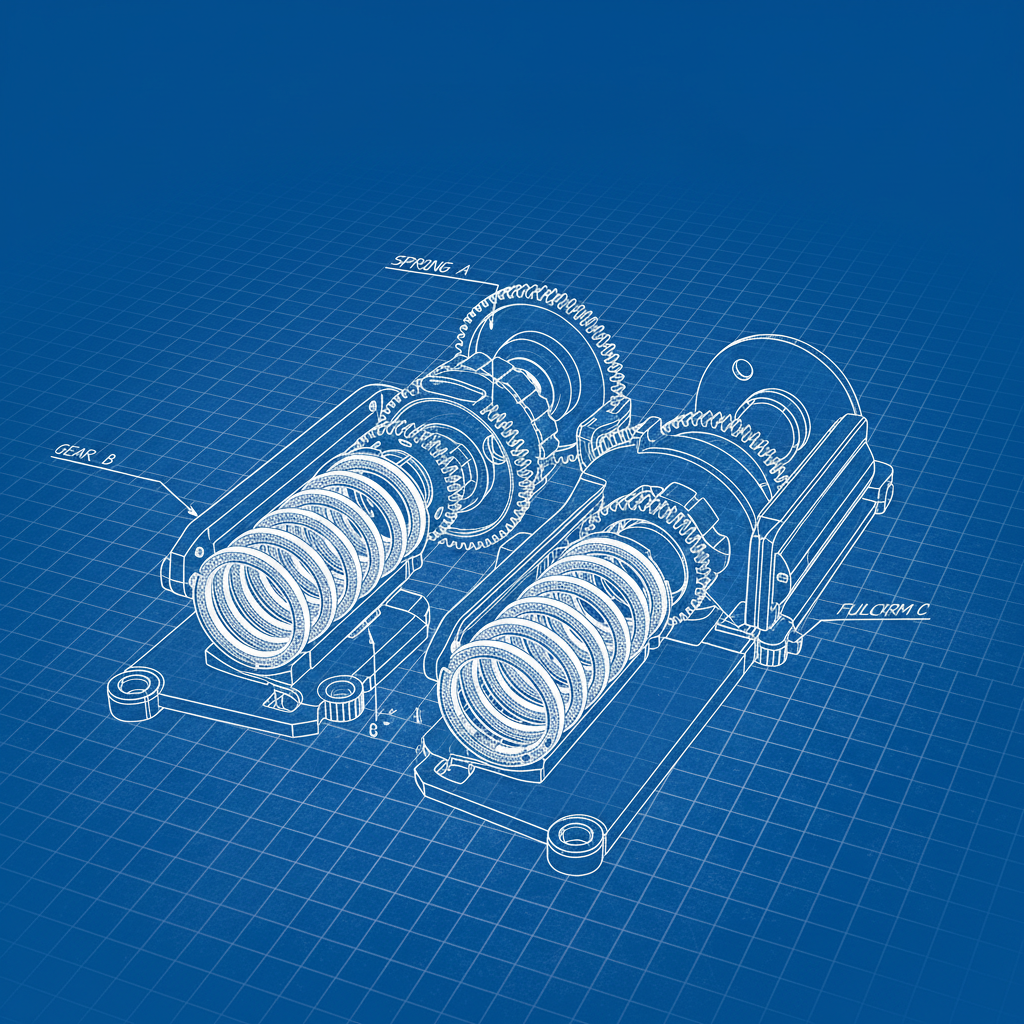
Brake drum springs primarily serve to return the brake shoes to their disengaged position after the brakes are released. When the brake pedal is pressed, the hydraulic pressure forces the brake shoes against the brake drum, creating friction and slowing the vehicle. Once the pedal is released, the brake drum springs pull the shoes back away from the drum, preventing constant dragging and overheating. They counteract the force of the wheel cylinder pistons, ensuring a swift and complete release of the brakes. Without properly functioning springs, the brakes can drag, leading to reduced fuel efficiency, uneven wear, and even potential brake failure. The efficiency of your braking system significantly relies on these springs.
Key Role: Brake drum springs return brake shoes to their disengaged position, preventing dragging and overheating, ensuring optimal braking performance.
Types of Brake Drum Springs
There are several types of brake drum springs, each designed for a specific function within the braking system. The most common include:
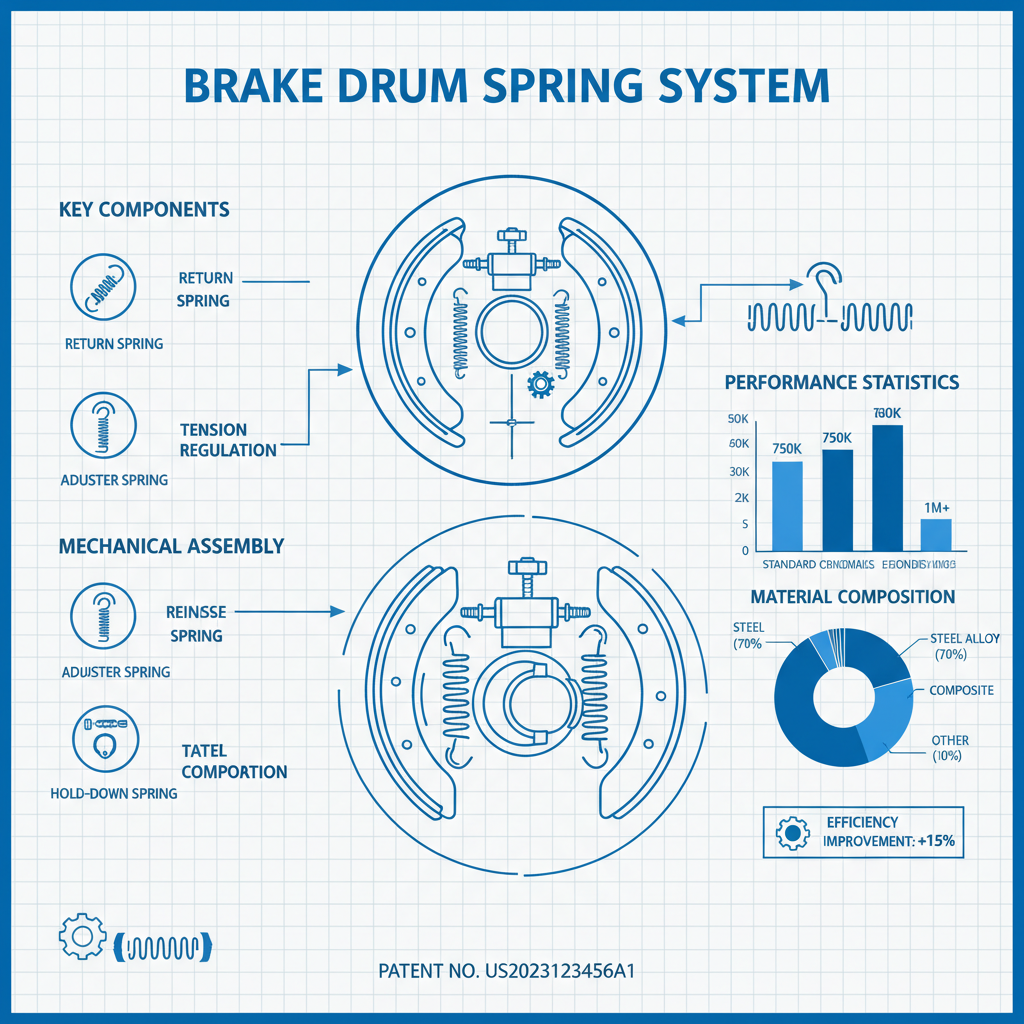
1. Hold-Down Springs: These springs secure the brake shoes to the backing plate, preventing them from moving laterally.
2. Return Springs: These springs pull the brake shoes back into their retracted position after braking.
3. Adjuster Springs: These springs are associated with the brake adjuster mechanism, helping to maintain proper brake shoe adjustment.
Understanding the different types of springs and their locations is essential for proper brake inspection and repair. Replacing the incorrect spring type can compromise the braking system's effectiveness and safety.
Spring Type Breakdown:
• Hold-Down Springs: Secures brake shoes to backing plate.
• Return Springs: Retracts shoes after braking.
• Adjuster Springs: Maintains brake shoe adjustment.
Brake Drum Springs Comparison: Materials and Durability
Brake drum springs are typically made from high-carbon steel, known for its strength and resilience. However, the quality of the steel and the manufacturing process can significantly impact the spring's durability and performance. Springs can also be coated with protective finishes like zinc or phosphate to resist corrosion. Higher-quality springs often exhibit greater resistance to fatigue and corrosion, resulting in a longer service life and enhanced safety. When choosing replacement springs, it's best to opt for reputable brands that adhere to strict quality control standards. JKXYIHANG provides high-quality brake drum springs designed for durability and safety.
Common Issues with Brake Drum Springs
Over time, brake drum springs can weaken, corrode, or even break due to constant stress and exposure to the elements. Common symptoms of failing brake drum springs include a spongy brake pedal, brake dragging, unusual noises during braking, or reduced braking efficiency. Corrosion is a significant issue, particularly in regions with harsh winters or coastal environments where salt is prevalent. Regular brake inspections, including checking the condition of the springs, are essential for identifying and addressing potential problems before they escalate. Ignoring these symptoms can lead to more serious brake damage and compromise vehicle safety.
Choosing the Right Brake Drum Springs
When replacing brake drum springs, it's crucial to choose the correct parts for your vehicle's make and model. Refer to your vehicle's repair manual or a reliable parts catalog to ensure compatibility. Using incorrect springs can lead to improper brake function and potentially dangerous situations. Always replace all springs associated with a particular brake assembly, even if only one appears damaged. This ensures balanced brake force and prevents premature wear on other components. Consider opting for high-quality springs from reputable manufacturers like JKXYIHANG, known for their durability and reliability.
Conclusion: Maintaining Optimal Brake Performance
Brake drum springs are often overlooked but play a crucial role in maintaining a safe and effective braking system. Understanding their function, types, and potential issues is vital for proper vehicle maintenance. By choosing high-quality brake drum springs and conducting regular inspections, you can ensure optimal braking performance and protect yourself and others on the road.
Frequently Asked Questions (FAQs)
How often should I replace brake drum springs?
While there isn't a fixed replacement schedule, it’s recommended to inspect brake drum springs during every brake service – typically every 20,000 to 30,000 miles. Springs should be replaced if they show signs of corrosion, weakening, or damage. It's always a good practice to replace all springs in a brake assembly at the same time, even if only one appears faulty. This ensures even brake force distribution. Consider environmental factors – if you live in a coastal area with salt exposure, more frequent inspections are advised.
Can I reuse brake drum springs?
It is generally not recommended to reuse brake drum springs. These springs are designed to provide a specific tension and can lose their strength over time, even if they don’t appear visibly damaged. Reusing old springs can lead to inconsistent braking performance and potential brake failure. New springs are relatively inexpensive and provide a crucial safety benefit, making replacement the best course of action during brake service.
What tools do I need to replace brake drum springs?
Replacing brake drum springs typically requires a few essential tools, including a brake spring tool (specifically designed for compressing and removing springs), a wrench set, pliers, and possibly a rubber mallet. A penetrating oil can also be helpful for loosening corroded parts. It's crucial to use the correct tools to avoid damaging the brake components or injuring yourself. If you're not comfortable performing this task, it’s best to consult a qualified mechanic.
What are the signs of a broken brake drum spring?
Several signs can indicate a broken brake drum spring. These include a spongy or soft brake pedal, a grinding or scraping noise coming from the brakes, the vehicle pulling to one side during braking, or a noticeable decrease in braking efficiency. In some cases, you may even visually identify a broken spring during a brake inspection. If you experience any of these symptoms, it’s essential to have your brakes inspected by a professional immediately.
-
Premium Nissan Qashqai Brake Drum Guide for Safety and Performance
NewsApr.16,2026
-
Choosing the Best High Quality Nissan Pickup Brake Drum for Safety
NewsApr.09,2026
-
Comprehensive Guide to Nissan Patrol Brake Drum Maintenance and Replacement
NewsApr.07,2026
-
Comprehensive Guide to Nissan Versa Brake Drums Function and Replacement
NewsApr.04,2026
-
Comprehensive Guide to Nissan Cube Brake Drum Function and Replacement
NewsMar.31,2026
-
Comprehensive Guide to Nissan Brake Drums Performance and Maintenance
NewsMar.28,2026
 Afrikaans
 Albanian
 Amharic
 Arabic
 Armenian
 Azerbaijani
 Basque
 Belarusian
 Bengali
 Bosnian
 Bulgarian
 Catalan
 Cebuano
 Corsican
 Croatian
 Czech
Czech
 Danish
 Dutch
Dutch
 Esperanto
 Estonian
 Finnish
 French
 Frisian
 Galician
 Georgian
 German
 Greek
Greek
 Gujarati
 Haitian Creole
 Hausa
Hausa
 Hawaiian
 Hebrew
 Hindi
Hindi
 Miao
Miao
 Hungarian
 Icelandic
 Igbo
Igbo
 Indonesian
 Irish
Irish
 Italian
 Japanese
 Javanese
 Kannada
 Kazakh
 Khmer
Khmer
 Rwandese
 Korean
 Kurdish
 Kyrgyz
 Lao
Lao
 Latin
Latin
 Latvian
 Lithuanian
 Luxembourgish
 Macedonian
 Malgashi
 Malay
Malay
 Malayalam
 Maltese
 Maori
Maori
 Marathi
 Mongolian
 Myanmar
 Nepali
 Norwegian
 Norwegian
 Occitan
 Pashto
 Persian
 Polish
 Portuguese
 Punjabi
 Romanian
 Russian
 Samoan
 Scottish Gaelic
 Serbian
 Sesotho
 Shona
Shona
 Sindhi
 Sinhala
 Slovak
 Slovenian
 Somali
 Spanish
 Sundanese
 Swahili
 Swedish
 Tagalog
 Tajik
Tajik
 Tamil
Tamil
 Tatar
Tatar
 Telugu
 Thai
Thai
 Turkish
 Turkmen
 Ukrainian
 Urdu
Urdu
 Uighur
 Uzbek
Uzbek
 Vietnamese
 Welsh
Welsh
 Bantu
Bantu
 Yiddish
 Yoruba
 Zulu
Zulu
 English