
Mar . 28, 2026 02:15 Back to list
Comprehensive Guide to Nissan Brake Drums Performance and Maintenance
Understanding Nissan Brake Drums: A Comprehensive Guide
Nissan brake drums are a critical component of your vehicle's braking system, ensuring safe and reliable stopping power. As a leading supplier of auto parts, JK Yihang Auto Parts specializes in high-quality Nissan brake drums designed for optimal performance and durability. This article provides an in-depth look at Nissan brake drums, covering their function, types, common issues, maintenance, and why choosing the right supplier is essential. Understanding these components is key to maintaining your Nissan’s safety and efficiency.
How Nissan Brake Drums Function
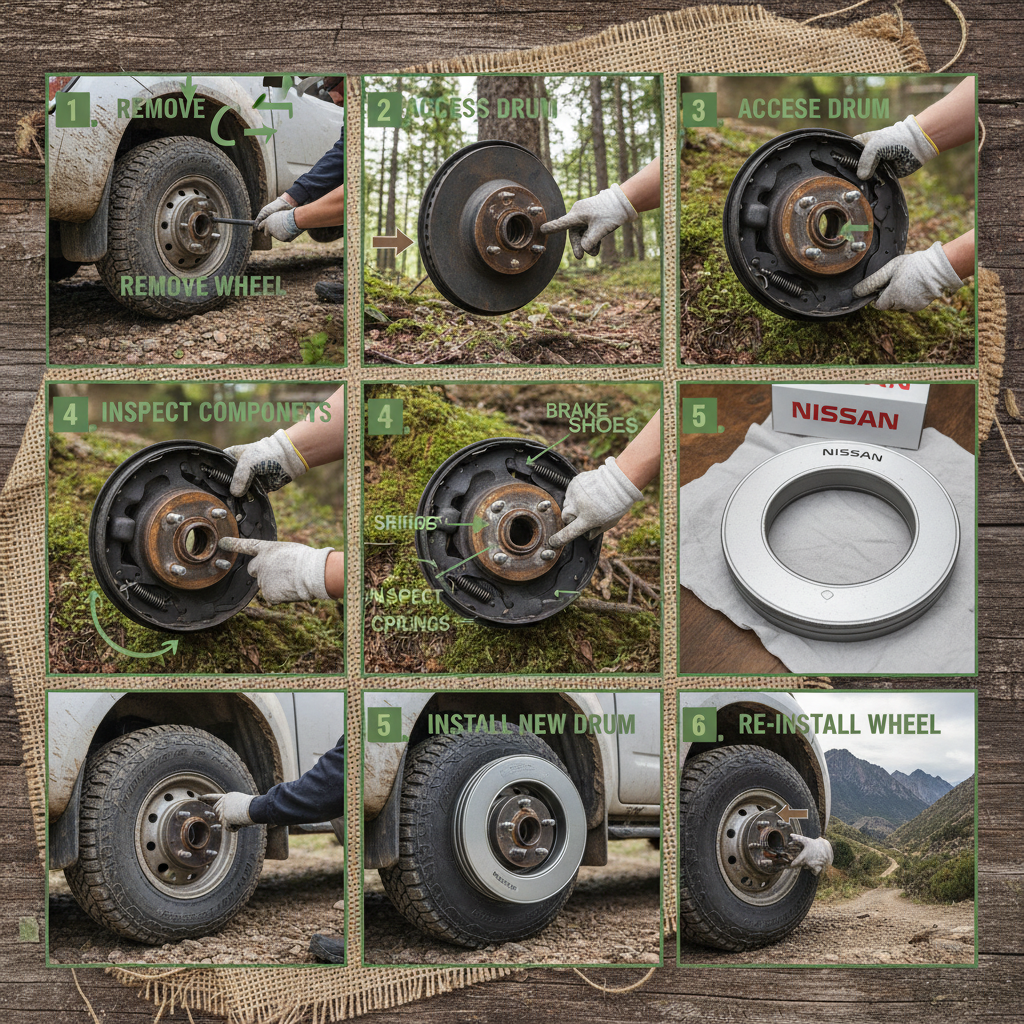
Brake drums work in conjunction with brake shoes to slow or stop your Nissan vehicle. When you apply the brakes, brake fluid pushes the wheel cylinders, which in turn force the brake shoes against the inner surface of the drum. This friction creates the stopping force. Nissan brake drums are precisely engineered to withstand high temperatures and repeated use, providing consistent braking performance. Proper function relies on a smooth, consistent drum surface, and correctly functioning wheel cylinders and brake shoes. Regular inspection is paramount to ensuring the entire system operates effectively.
Key Takeaway: Brake drums are a fundamental component of mechanical braking systems, relying on friction between the drum and brake shoes to create stopping power.
Types of Nissan Brake Drums
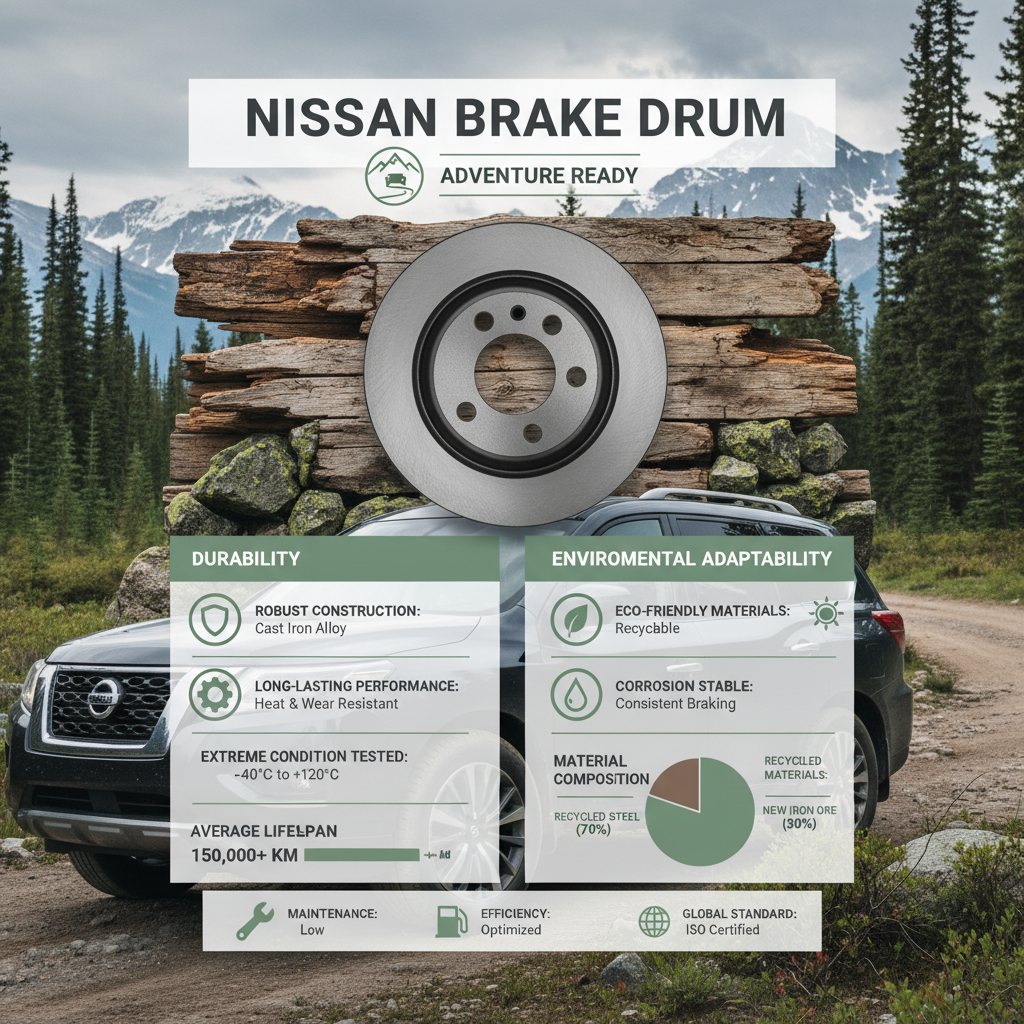
Nissan utilizes various types of brake drums depending on the vehicle model and year. These primarily fall into two categories: cast iron drums and composite drums. Cast iron drums are the traditional and most common type, known for their durability and heat dissipation. Composite drums, made from a blend of materials, offer weight reduction and improved heat management. Choosing the correct replacement drum for your specific Nissan model is crucial for optimal performance and safety. JK Yihang Auto Parts offers a comprehensive range of Nissan brake drums to meet your vehicle’s exact specifications.
Brake Drum Types:
• Cast Iron Drums: Durable, cost-effective, good heat dissipation.
• Composite Drums: Lighter weight, improved heat management, often more expensive.
• Vented Drums: Improved cooling through ventilation holes.
Common Issues with Nissan Brake Drums
Several issues can arise with Nissan brake drums over time, affecting braking performance. These include: warping, cracking, scoring (grooves on the surface), and excessive rust. Warped drums can cause pulsating brakes, while cracks compromise structural integrity. Scoring reduces friction and can lead to reduced stopping power. Rust buildup can also impede performance and cause uneven wear on the brake shoes. Regular inspections can help identify these issues early on, preventing more significant and costly repairs.
Nissan Brake Drum Maintenance Tips
Regular maintenance can significantly extend the life of your Nissan brake drums. This includes: periodic inspections for wear and damage, ensuring proper brake shoe adjustment, and cleaning the drums to remove brake dust and debris. Avoid harsh chemicals when cleaning. If you notice any signs of damage or wear, it's best to consult a qualified mechanic. Preventative maintenance saves you money and enhances safety.
Why Choose JK Yihang for Your Nissan Brake Drum Needs?
When it comes to replacing your Nissan brake drums, quality and reliability are paramount. JK Yihang Auto Parts is a trusted supplier, offering a wide selection of genuine and high-quality aftermarket Nissan brake drums. We pride ourselves on competitive pricing, fast shipping, and exceptional customer service. We ensure every drum meets strict quality control standards, providing you with peace of mind. Partner with us for all your Nissan auto parts needs!
Conclusion: Prioritize Safety with Quality Nissan Brake Drums
Investing in high-quality Nissan brake drums from a reputable supplier like JK Yihang Auto Parts is a crucial step in ensuring your vehicle's safety and performance. Don't compromise on braking reliability – choose quality and drive with confidence.
Frequently Asked Questions (FAQs)
How often should I replace my Nissan brake drums?
The replacement interval for Nissan brake drums depends on driving conditions and usage. Generally, drums should be inspected every 25,000-30,000 miles. Replacement is typically recommended when the drums reach the minimum thickness specified by Nissan (usually stamped on the drum itself) or if significant wear, scoring, or damage is present. Aggressive driving habits and frequent heavy braking will require more frequent inspections and potential replacement. It’s best to consult your Nissan’s service manual for specific recommendations.
Can I replace brake drums myself?
Replacing brake drums is a moderately complex repair that requires mechanical knowledge, specialized tools, and a thorough understanding of braking systems. While some experienced DIY mechanics may be able to handle the task, it's generally recommended to have a qualified mechanic perform the replacement. Incorrect installation can compromise braking performance and safety. Furthermore, brake work often requires bleeding the brake lines, which demands specific expertise.
What is the difference between cast iron and composite brake drums?
Cast iron drums are the traditional type, known for their durability and cost-effectiveness. They dissipate heat well but are heavier than composite drums. Composite drums, made from a combination of materials, are lighter, offering improved heat management and potentially better performance. However, they are often more expensive than cast iron drums. The best choice depends on your vehicle's needs and your budget.
How do I know if my Nissan brake drums need to be resurfaced?
Brake drums can sometimes be resurfaced (turned) to remove minor scoring and restore a smooth braking surface. However, there's a limit to how much material can be removed before the drum becomes too thin. A qualified mechanic can measure the drum's thickness and determine if resurfacing is possible and safe. If the drum is already at or near its minimum thickness specification, it should be replaced rather than resurfaced.
-
Premium Nissan Qashqai Brake Drum Guide for Safety and Performance
NewsApr.16,2026
-
Choosing the Best High Quality Nissan Pickup Brake Drum for Safety
NewsApr.09,2026
-
Comprehensive Guide to Nissan Patrol Brake Drum Maintenance and Replacement
NewsApr.07,2026
-
Comprehensive Guide to Nissan Versa Brake Drums Function and Replacement
NewsApr.04,2026
-
Comprehensive Guide to Nissan Cube Brake Drum Function and Replacement
NewsMar.31,2026
-
Comprehensive Guide to Nissan Brake Drums Performance and Maintenance
NewsMar.28,2026
 Afrikaans
 Albanian
 Amharic
 Arabic
 Armenian
 Azerbaijani
 Basque
 Belarusian
 Bengali
 Bosnian
 Bulgarian
 Catalan
 Cebuano
 Corsican
 Croatian
 Czech
Czech
 Danish
 Dutch
Dutch
 Esperanto
 Estonian
 Finnish
 French
 Frisian
 Galician
 Georgian
 German
 Greek
Greek
 Gujarati
 Haitian Creole
 Hausa
Hausa
 Hawaiian
 Hebrew
 Hindi
Hindi
 Miao
Miao
 Hungarian
 Icelandic
 Igbo
Igbo
 Indonesian
 Irish
Irish
 Italian
 Japanese
 Javanese
 Kannada
 Kazakh
 Khmer
Khmer
 Rwandese
 Korean
 Kurdish
 Kyrgyz
 Lao
Lao
 Latin
Latin
 Latvian
 Lithuanian
 Luxembourgish
 Macedonian
 Malgashi
 Malay
Malay
 Malayalam
 Maltese
 Maori
Maori
 Marathi
 Mongolian
 Myanmar
 Nepali
 Norwegian
 Norwegian
 Occitan
 Pashto
 Persian
 Polish
 Portuguese
 Punjabi
 Romanian
 Russian
 Samoan
 Scottish Gaelic
 Serbian
 Sesotho
 Shona
Shona
 Sindhi
 Sinhala
 Slovak
 Slovenian
 Somali
 Spanish
 Sundanese
 Swahili
 Swedish
 Tagalog
 Tajik
Tajik
 Tamil
Tamil
 Tatar
Tatar
 Telugu
 Thai
Thai
 Turkish
 Turkmen
 Ukrainian
 Urdu
Urdu
 Uighur
 Uzbek
Uzbek
 Vietnamese
 Welsh
Welsh
 Bantu
Bantu
 Yiddish
 Yoruba
 Zulu
Zulu
 English