
Mar . 11, 2026 02:05 Back to list
Comprehensive Guide to Volvo Semi Truck Brake Drums for Optimal Performance
Volvo Semi Truck Brake Drums: A Comprehensive Guide
Maintaining your Volvo semi-truck’s braking system is crucial for safety and efficiency. At the heart of this system are the brake drums, essential components that work tirelessly to bring your vehicle to a safe stop. This article dives deep into understanding Volvo semi truck brake drums, covering their function, common issues, maintenance tips, and how to choose the right replacements. Properly functioning brake drums contribute significantly to reduced downtime and enhanced safety on the road. Understanding their importance is paramount for any fleet manager or owner-operator.
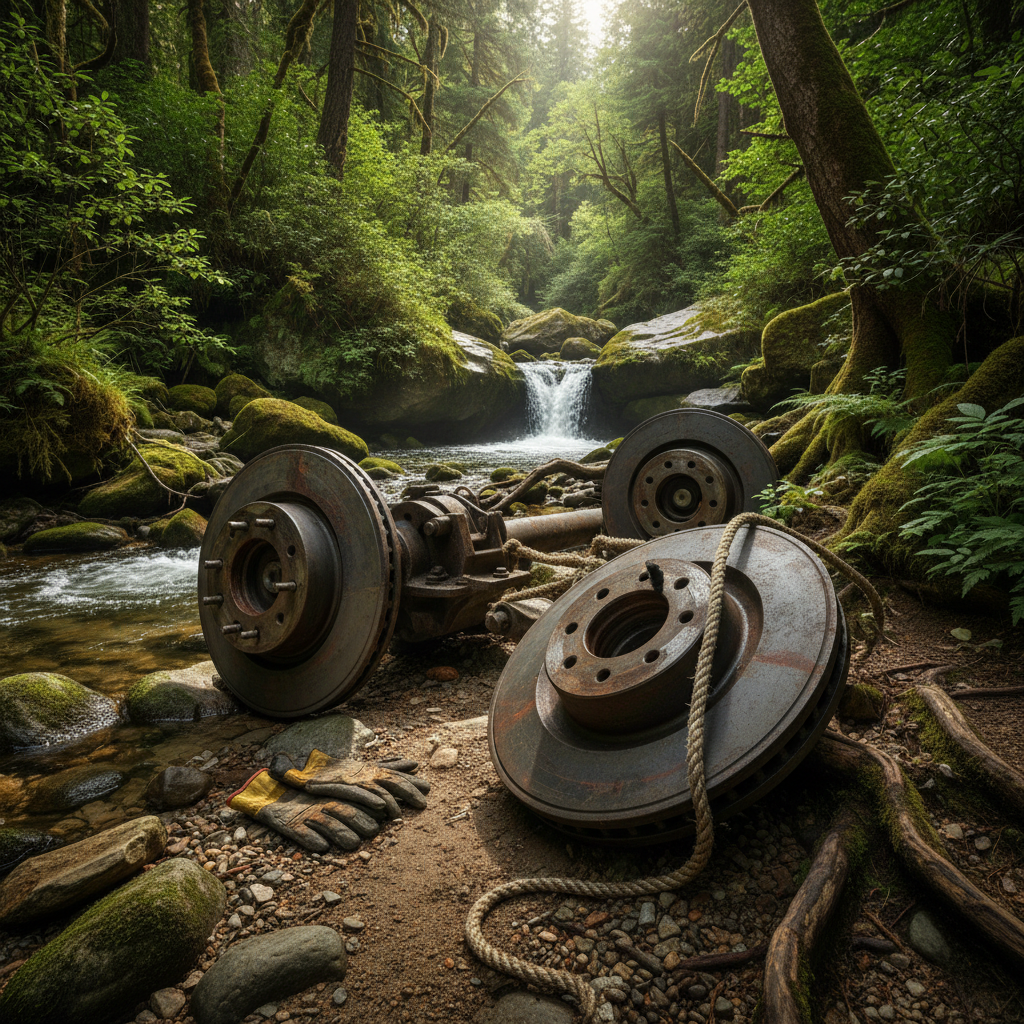
Understanding the Function of Volvo Semi Truck Brake Drums
Volvo semi truck brake drums are the rotating component against which brake shoes press to slow or stop the vehicle. They convert kinetic energy into thermal energy through friction. The drums are typically made of durable materials like cast iron or steel, designed to withstand high temperatures and repeated use. Different types of brake drums cater to different vehicle weights and operating conditions. The efficiency of the braking system directly correlates with the condition of these drums; worn or damaged drums significantly compromise braking performance, leading to increased stopping distances and potential accidents. Selecting high-quality brake drums is therefore a vital investment.
Key Takeaway: Brake drums are pivotal in converting kinetic energy into thermal energy, ensuring safe and effective stopping power for your Volvo semi-truck.
Common Issues with Volvo Semi Truck Brake Drums
Several issues can affect the performance of your Volvo brake drums. Common problems include cracking (due to thermal stress or impact), warping (resulting in uneven brake shoe contact), and excessive wear (caused by prolonged use or abrasive conditions). Scoring, or grooves on the drum surface, reduce friction and can cause brake squeal. Rust and corrosion, particularly in harsh climates, weaken the drum's structure and contribute to premature failure. Regularly inspecting your brake drums for these issues is crucial for preventing more serious (and costly) repairs. Addressing minor issues promptly can significantly extend the lifespan of your braking system.
Early Warning Signs:
• Squealing or grinding noises during braking
• Reduced braking efficiency
• Vibration or pulsation during braking
• Visible cracks or damage to the drum surface
Volvo Semi Truck Brake Drums: Types and Materials
Volvo semi-trucks utilize various types of brake drums depending on the model and application. Common types include S-cam drums, wedge brake drums, and air disc brakes (though the latter doesn't use traditional drums). Materials commonly used in their construction include cast iron (known for its heat dissipation and affordability) and steel alloys (offering increased strength and durability). Cast iron drums are most prevalent, while steel alloys are often found in heavy-duty applications where increased lifespan and resistance to deformation are essential. Choosing the correct material and type is vital for optimal braking performance and longevity.
Maintaining Your Volvo Brake Drums: Best Practices
Regular maintenance is key to extending the life of your Volvo semi truck brake drums. This includes routine inspections for cracks, wear, and damage, as well as cleaning to remove rust and debris. Proper lubrication of the brake shoe contact points ensures smooth operation. Periodically measure drum thickness to determine remaining life and avoid catastrophic failure. It’s also crucial to ensure proper brake adjustment to maintain optimal stopping power. A well-maintained braking system is not only safer but also reduces wear and tear on other components, saving you money in the long run.

Where to Source Replacement Volvo Brake Drums
When it’s time to replace your brake drums, choosing a reputable supplier is paramount. JK Yihang specializes in providing high-quality Volvo semi-truck parts, including a comprehensive selection of brake drums. We offer competitive pricing, fast shipping, and expert support to help you find the perfect fit for your vehicle. Choosing genuine or OEM-quality parts ensures compatibility and reliability, maximizing the performance and safety of your braking system. Don't compromise on quality when it comes to your safety.
Conclusion: Ensuring Your Volvo's Stopping Power
Investing in quality Volvo semi truck brake drums and maintaining your braking system are crucial for safety, efficiency, and minimizing downtime. Regular inspections, proper maintenance, and sourcing parts from a trusted supplier like JK Yihang will keep your vehicle operating reliably and safely for years to come.
Frequently Asked Questions (FAQs)
How often should I inspect my Volvo semi truck brake drums?
It’s recommended to inspect your brake drums during every routine service interval, ideally every 6 months or 25,000 miles, whichever comes first. More frequent inspections are advised for vehicles operating in harsh conditions or hauling heavy loads. Look for signs of cracking, wear, scoring, and rust. Visual inspection combined with measuring drum thickness provides the most accurate assessment. Ignoring this step can lead to costly repairs and potentially dangerous situations.
What is the minimum acceptable thickness for Volvo brake drums?
The minimum acceptable thickness varies depending on the specific drum model. However, a general guideline is to replace the drum when it reaches 75% of its original thickness. Always consult the Volvo manufacturer’s specifications for your particular vehicle. Operating drums below the minimum thickness compromises their ability to dissipate heat, increasing the risk of warping and failure. Regularly measuring drum thickness is crucial for ensuring safe braking performance.
Can I replace only one brake drum at a time?
While technically possible, it's strongly recommended to replace brake drums in pairs (both on the same axle). Replacing only one drum can create an imbalance in braking force, leading to uneven wear and potential steering issues. Brakes work best as a system, and maintaining symmetry is vital for optimal performance and safety. Replacing drums in pairs ensures consistent braking and prolongs the lifespan of the entire braking system.
How do I know when it's time to replace my brake drums?
Several factors indicate it’s time to replace your brake drums. These include reaching the minimum acceptable thickness, visible cracks or warping, excessive scoring, or persistent brake noise (squealing or grinding). If you experience reduced braking efficiency or vibration during braking, it’s crucial to have your brakes inspected immediately. Ignoring these warning signs can lead to dangerous situations. Proactive replacement is always safer and more cost-effective than waiting for a catastrophic failure.
-
Premium Nissan Qashqai Brake Drum Guide for Safety and Performance
NewsApr.16,2026
-
Choosing the Best High Quality Nissan Pickup Brake Drum for Safety
NewsApr.09,2026
-
Comprehensive Guide to Nissan Patrol Brake Drum Maintenance and Replacement
NewsApr.07,2026
-
Comprehensive Guide to Nissan Versa Brake Drums Function and Replacement
NewsApr.04,2026
-
Comprehensive Guide to Nissan Cube Brake Drum Function and Replacement
NewsMar.31,2026
-
Comprehensive Guide to Nissan Brake Drums Performance and Maintenance
NewsMar.28,2026
 Afrikaans
 Albanian
 Amharic
 Arabic
 Armenian
 Azerbaijani
 Basque
 Belarusian
 Bengali
 Bosnian
 Bulgarian
 Catalan
 Cebuano
 Corsican
 Croatian
 Czech
Czech
 Danish
 Dutch
Dutch
 Esperanto
 Estonian
 Finnish
 French
 Frisian
 Galician
 Georgian
 German
 Greek
Greek
 Gujarati
 Haitian Creole
 Hausa
Hausa
 Hawaiian
 Hebrew
 Hindi
Hindi
 Miao
Miao
 Hungarian
 Icelandic
 Igbo
Igbo
 Indonesian
 Irish
Irish
 Italian
 Japanese
 Javanese
 Kannada
 Kazakh
 Khmer
Khmer
 Rwandese
 Korean
 Kurdish
 Kyrgyz
 Lao
Lao
 Latin
Latin
 Latvian
 Lithuanian
 Luxembourgish
 Macedonian
 Malgashi
 Malay
Malay
 Malayalam
 Maltese
 Maori
Maori
 Marathi
 Mongolian
 Myanmar
 Nepali
 Norwegian
 Norwegian
 Occitan
 Pashto
 Persian
 Polish
 Portuguese
 Punjabi
 Romanian
 Russian
 Samoan
 Scottish Gaelic
 Serbian
 Sesotho
 Shona
Shona
 Sindhi
 Sinhala
 Slovak
 Slovenian
 Somali
 Spanish
 Sundanese
 Swahili
 Swedish
 Tagalog
 Tajik
Tajik
 Tamil
Tamil
 Tatar
Tatar
 Telugu
 Thai
Thai
 Turkish
 Turkmen
 Ukrainian
 Urdu
Urdu
 Uighur
 Uzbek
Uzbek
 Vietnamese
 Welsh
Welsh
 Bantu
Bantu
 Yiddish
 Yoruba
 Zulu
Zulu
 English