
Mar . 04, 2026 02:15 Back to list
Comprehensive Guide to Webb Brake Drum Cross Function and Replacement Options
Understanding Webb Brake Drum Cross: A Comprehensive Guide
When it comes to maintaining the braking system of heavy-duty vehicles and industrial machinery, the Webb brake drum cross plays a critical role. These components are essential for ensuring safe and efficient stopping power. This article will delve into the intricacies of Webb brake drum crosses, covering their function, types, material considerations, common issues, and how to source high-quality replacements from JK Yihang. Understanding these aspects is crucial for fleet managers, maintenance technicians, and anyone involved in the operation of vehicles using drum brakes.
What is a Webb Brake Drum Cross?
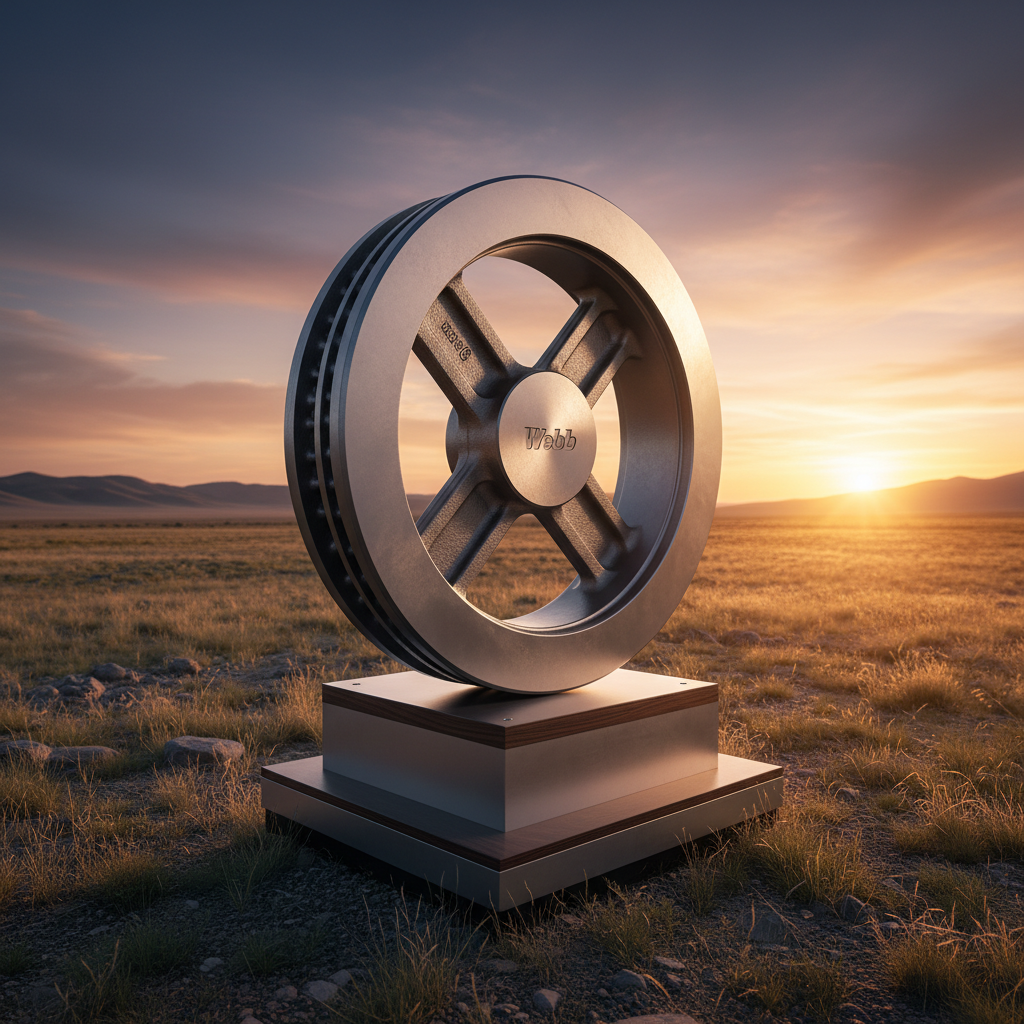
A Webb brake drum cross, also known as a brake cross shaft or brake spider, is a central component within the drum brake assembly. It serves as the structural support for the brake shoes, holding them in position and allowing them to press against the inner surface of the brake drum when activated by the braking system. This precise alignment and support are vital for effective braking performance. The brake drum cross is typically forged or cast from durable materials to withstand the significant forces generated during braking. A properly functioning brake drum cross ensures even pressure distribution across the brake shoes, maximizing stopping power and minimizing wear.
Key Function: Provides structural support for brake shoes, ensuring even pressure distribution for optimal braking efficiency. A critical component in the overall functionality of drum brake systems.
Types of Webb Brake Drum Crosses
Webb brake drum crosses come in various designs to accommodate different brake drum sizes and vehicle applications. The primary distinctions lie in the number of arms, the mounting configuration, and the material used. Common types include:
- Two-Arm Crosses: Typically used in lighter-duty applications.
- Three-Arm Crosses: Offer increased stability and are common in medium-duty vehicles.
- Four-Arm Crosses: Provide the highest level of support and are often found in heavy-duty trucks and industrial machinery.
The specific type required will depend on the vehicle's make, model, and braking system specifications. Choosing the correct Webb brake drum cross is crucial for maintaining brake performance and safety. JK Yihang offers a wide range of brake drum crosses to meet diverse needs.
Brake Drum Cross Type Considerations:
• Application (light, medium, or heavy duty)
• Brake drum size and configuration
• Vehicle manufacturer specifications
Material Considerations for Webb Brake Drum Crosses
The material composition of a Webb brake drum cross directly impacts its strength, durability, and resistance to wear and tear. Common materials include:
Common Issues with Webb Brake Drum Crosses
Like any mechanical component, Webb brake drum crosses can experience issues over time. Common problems include cracking, warping, corrosion, and wear at the mounting points. These issues can lead to uneven brake shoe pressure, reduced braking performance, and increased stopping distances. Regular inspection of the brake drum cross is essential for identifying potential problems before they compromise safety. Symptoms of a failing brake drum cross may include squealing noises, uneven brake wear, or a spongy brake pedal feel. Prompt replacement of a damaged Webb brake drum cross is crucial for maintaining optimal braking system functionality.
Sourcing High-Quality Webb Brake Drum Crosses from JK Yihang
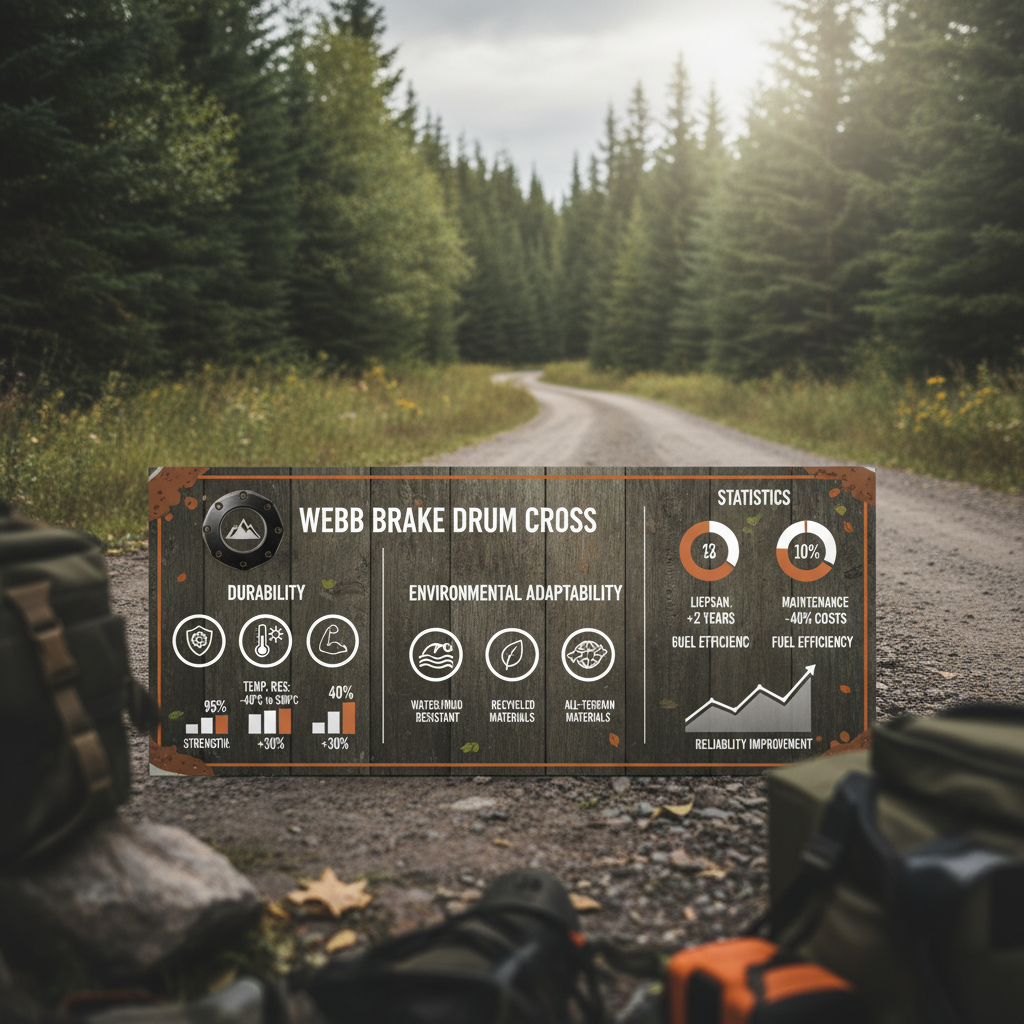
When replacing a Webb brake drum cross, it's vital to choose a reliable supplier offering high-quality components. JK Yihang specializes in providing durable and precisely engineered brake components. We offer a comprehensive range of Webb brake drum crosses designed to meet or exceed OEM specifications. Our products undergo rigorous quality control measures to ensure reliable performance and long service life. We pride ourselves on competitive pricing, fast shipping, and excellent customer support.
Conclusion: Ensuring Braking Reliability with Quality Parts
Investing in high-quality Webb brake drum crosses from a trusted supplier like JK Yihang is a crucial step in maintaining the safety and efficiency of your vehicles. Don't compromise on braking performance – choose reliability and durability with JK Yihang.
Frequently Asked Questions (FAQs)
How often should I inspect the Webb brake drum cross?
It's recommended to inspect the Webb brake drum cross during routine brake inspections, typically every 6 months or 10,000 miles. Look for signs of cracking, warping, corrosion, or wear at the mounting points. Early detection of issues can prevent more significant problems and ensure continued braking safety. A qualified mechanic should perform a thorough inspection.
What are the signs of a failing Webb brake drum cross?
Common signs include squealing noises during braking, uneven brake wear, a spongy or soft brake pedal feel, and vibrations when applying the brakes. If you experience any of these symptoms, have your braking system inspected by a professional mechanic immediately. Ignoring these signs can lead to reduced braking performance and potentially dangerous situations.
Can a corroded Webb brake drum cross be repaired?
Generally, a severely corroded Webb brake drum cross should not be repaired. Corrosion weakens the material, compromising its structural integrity and potentially leading to failure. Replacement is the safest and most reliable option. Attempting to repair a corroded component can be risky and may not restore its original strength.
What is the best way to prevent premature failure of the Webb brake drum cross?
Regular maintenance, including brake inspections and cleaning, can help prevent premature failure. Avoid exposing the brake drum cross to harsh chemicals or excessive moisture. Ensure proper brake adjustment to distribute wear evenly. Using high-quality brake components from a reputable supplier, like JK Yihang, can also extend its lifespan.
-
Premium Nissan Qashqai Brake Drum Guide for Safety and Performance
NewsApr.16,2026
-
Choosing the Best High Quality Nissan Pickup Brake Drum for Safety
NewsApr.09,2026
-
Comprehensive Guide to Nissan Patrol Brake Drum Maintenance and Replacement
NewsApr.07,2026
-
Comprehensive Guide to Nissan Versa Brake Drums Function and Replacement
NewsApr.04,2026
-
Comprehensive Guide to Nissan Cube Brake Drum Function and Replacement
NewsMar.31,2026
-
Comprehensive Guide to Nissan Brake Drums Performance and Maintenance
NewsMar.28,2026
 Afrikaans
 Albanian
 Amharic
 Arabic
 Armenian
 Azerbaijani
 Basque
 Belarusian
 Bengali
 Bosnian
 Bulgarian
 Catalan
 Cebuano
 Corsican
 Croatian
 Czech
Czech
 Danish
 Dutch
Dutch
 Esperanto
 Estonian
 Finnish
 French
 Frisian
 Galician
 Georgian
 German
 Greek
Greek
 Gujarati
 Haitian Creole
 Hausa
Hausa
 Hawaiian
 Hebrew
 Hindi
Hindi
 Miao
Miao
 Hungarian
 Icelandic
 Igbo
Igbo
 Indonesian
 Irish
Irish
 Italian
 Japanese
 Javanese
 Kannada
 Kazakh
 Khmer
Khmer
 Rwandese
 Korean
 Kurdish
 Kyrgyz
 Lao
Lao
 Latin
Latin
 Latvian
 Lithuanian
 Luxembourgish
 Macedonian
 Malgashi
 Malay
Malay
 Malayalam
 Maltese
 Maori
Maori
 Marathi
 Mongolian
 Myanmar
 Nepali
 Norwegian
 Norwegian
 Occitan
 Pashto
 Persian
 Polish
 Portuguese
 Punjabi
 Romanian
 Russian
 Samoan
 Scottish Gaelic
 Serbian
 Sesotho
 Shona
Shona
 Sindhi
 Sinhala
 Slovak
 Slovenian
 Somali
 Spanish
 Sundanese
 Swahili
 Swedish
 Tagalog
 Tajik
Tajik
 Tamil
Tamil
 Tatar
Tatar
 Telugu
 Thai
Thai
 Turkish
 Turkmen
 Ukrainian
 Urdu
Urdu
 Uighur
 Uzbek
Uzbek
 Vietnamese
 Welsh
Welsh
 Bantu
Bantu
 Yiddish
 Yoruba
 Zulu
Zulu
 English