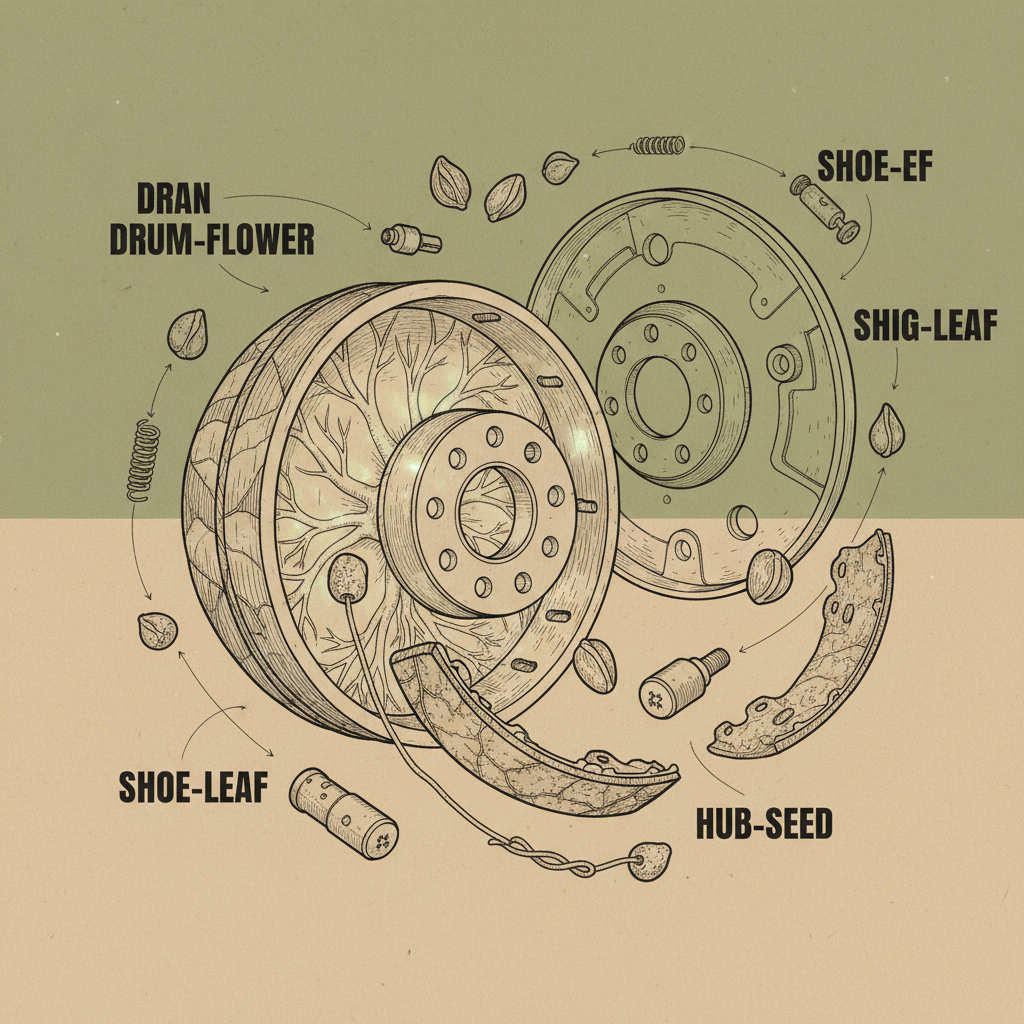
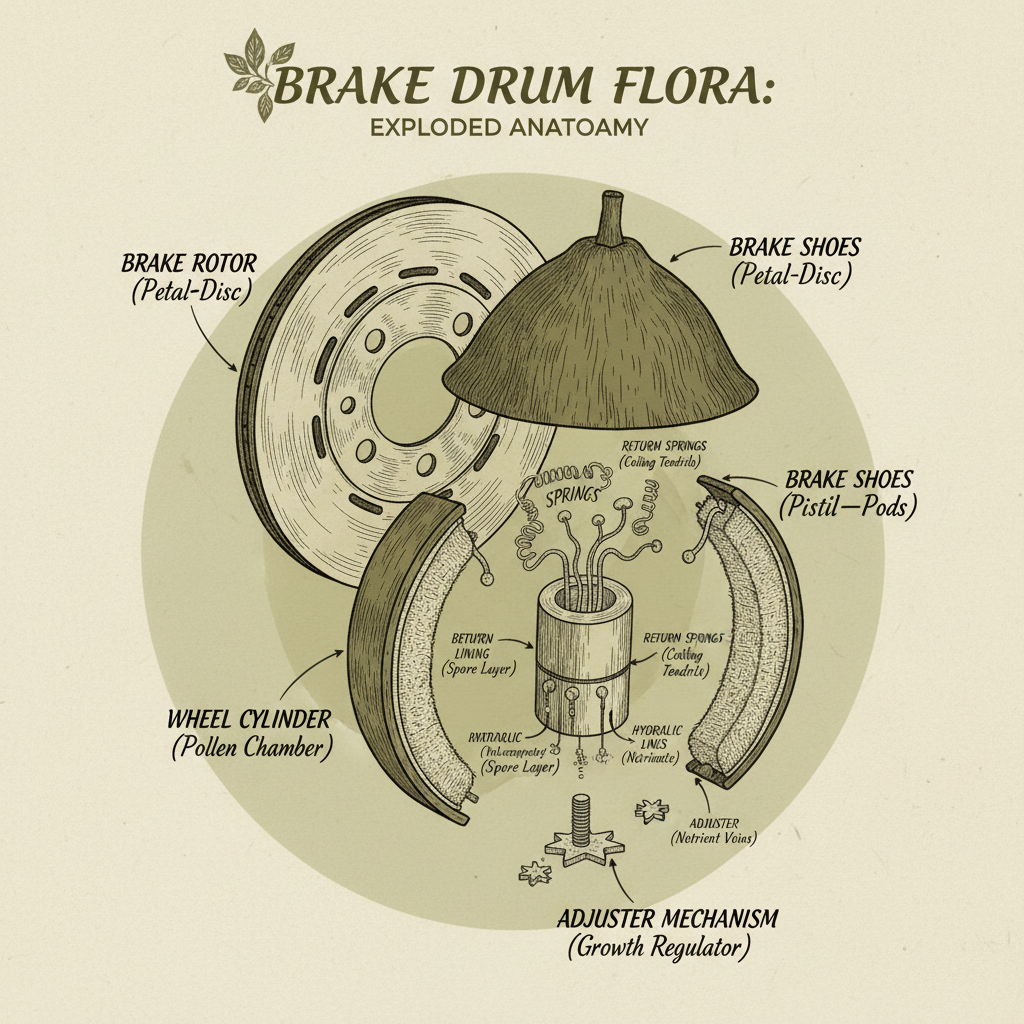
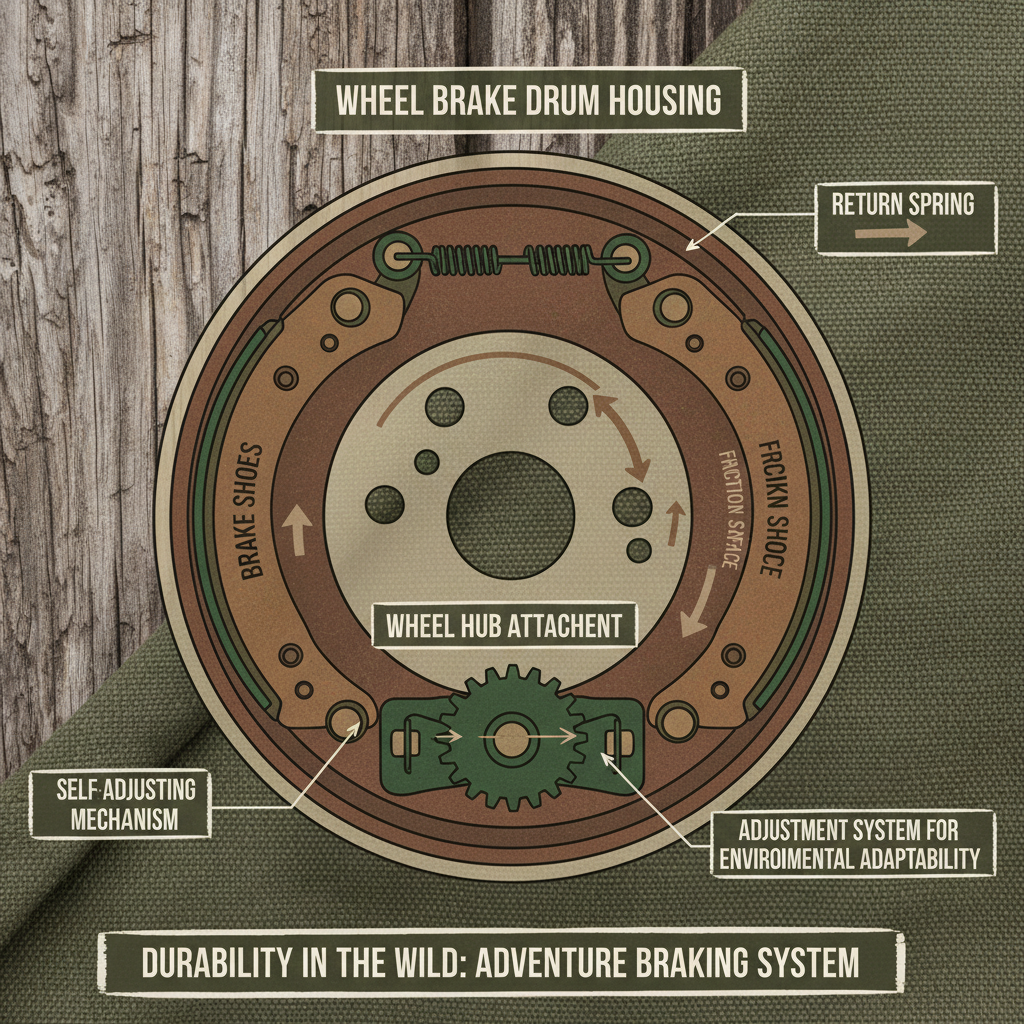
The `brake drum` is a fundamental component in braking systems, crucial for vehicle safety and operational efficiency. Globally, the demand for effective braking systems is consistently high, driven by expanding automotive industries, stringent safety regulations, and increasing transportation needs. From passenger vehicles to heavy-duty trucks, trains, and even specialized industrial machinery, the `brake drum` plays a vital role in controlling speed and ensuring reliable stopping power. Understanding the nuances of `brake drum` design, materials, and performance is essential for engineers, manufacturers, and maintenance professionals alike.
The automotive industry alone represents a multi-trillion dollar global market, according to Statista, with braking systems constituting a significant portion of vehicle manufacturing costs. ISO standards and regional safety mandates consistently prioritize braking performance. The need for durable, reliable, and cost-effective braking solutions – centering around the `brake drum` – is continually increasing, especially with the evolution of electric vehicles and advanced driver-assistance systems (ADAS).
Beyond automotive applications, `brake drums` are integral to a diverse range of industries, contributing to the safe and efficient operation of various types of equipment. Maintaining and optimizing these systems is paramount to preventing accidents and ensuring public safety.

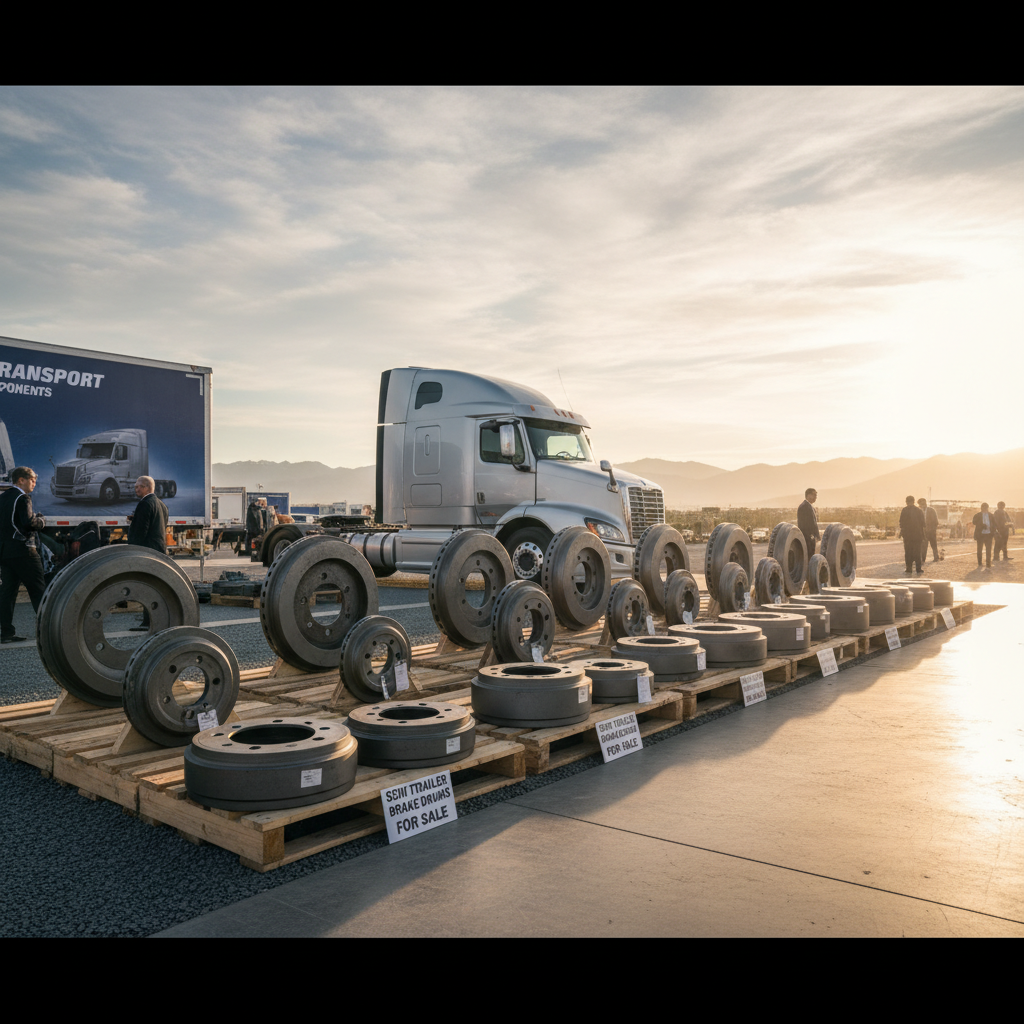
At its most fundamental, a `brake drum` is a hollow cylindrical component that interfaces with brake shoes to create friction, slowing or stopping a rotating wheel or shaft. The principle relies on converting kinetic energy into thermal energy through this frictional contact. The effectiveness of this process depends on several factors, including drum material, surface finish, and the quality of the brake shoes.
The design of a `brake drum` must balance durability, heat dissipation, and weight. Heavier drums provide more thermal mass, enabling them to withstand higher temperatures, but also increase the vehicle's overall weight, potentially impacting fuel efficiency. Lightweight designs, conversely, require more advanced materials and cooling strategies to prevent overheating and failure.
Brake drum warping typically occurs due to uneven heat distribution during braking. Repeated hard braking can cause localized overheating, leading to thermal stress and eventual distortion of the drum. Other contributing factors include improper wheel bearing maintenance, overtightening of lug nuts, and pre-existing material defects in the `brake drum` itself. Regular inspections and balanced braking are crucial for preventing warping.
The frequency of `brake drum` resurfacing or replacement depends on driving conditions and usage. Generally, drums should be inspected during every brake pad/shoe replacement. Resurfacing is possible if the drum meets minimum thickness specifications. If the drum is excessively worn, has significant scoring or cracking, or if it has reached its maximum resurfacing limit, it must be replaced for safety reasons. A qualified mechanic can accurately assess the condition of your drums.
Composite `brake drums` offer significant advantages in terms of weight reduction and heat dissipation, making them a viable alternative to cast iron, particularly in performance applications. However, they typically come with a higher initial cost. The long-term benefits of reduced weight, improved braking performance, and extended service life may outweigh the higher upfront investment in certain scenarios.
Signs of a failing `brake drum` include pulsating brake pedal feel, squealing or grinding noises during braking, reduced braking efficiency, and visible cracks or scoring on the drum surface. If you experience any of these symptoms, it's crucial to have your braking system inspected by a professional immediately. Continued operation with a failing drum can compromise safety.
Yes, warped or damaged `brake drums` can definitely cause vibrations in the vehicle, particularly when braking. The uneven surface of the drum creates an inconsistent friction point, leading to pulsating forces that transmit through the suspension and steering system. This vibration is often felt in the brake pedal and steering wheel. Addressing the drum issue is essential to eliminate the vibrations.
Proper lubrication of the contact points between the `brake drum` and other components, such as the wheel studs and backing plate, is vital for smooth operation and preventing binding. Binding can cause uneven wear, heat buildup, and reduced braking efficiency. However, it's essential to use the correct type of lubricant, as some lubricants can contaminate the brake lining material and reduce braking performance.
In summary, the `brake drum` remains a critical component in braking systems, offering a cost-effective and reliable solution for a wide range of applications. While advancements in disc brake technology have expanded, `brake drums` continue to play a vital role, particularly in commercial vehicles and industrial machinery. Understanding the principles of drum design, material science, and performance indicators is paramount for ensuring safety and maximizing efficiency.
Looking ahead, innovations in materials, manufacturing processes, and sensor technologies promise to further enhance the performance and longevity of `brake drums`. By embracing these advancements, manufacturers and engineers can continue to optimize braking systems, reducing costs, improving safety, and contributing to a more sustainable transportation future. Visit our website at www.jkxyihang.com to learn more.

 Afrikaans
 Albanian
 Amharic
 Arabic
 Armenian
 Azerbaijani
 Basque
 Belarusian
 Bengali
 Bosnian
 Bulgarian
 Catalan
 Cebuano
 Corsican
 Croatian
 Czech
Czech
 Danish
 Dutch
Dutch
 Esperanto
 Estonian
 Finnish
 French
 Frisian
 Galician
 Georgian
 German
 Greek
Greek
 Gujarati
 Haitian Creole
 Hausa
Hausa
 Hawaiian
 Hebrew
 Hindi
Hindi
 Miao
Miao
 Hungarian
 Icelandic
 Igbo
Igbo
 Indonesian
 Irish
Irish
 Italian
 Japanese
 Javanese
 Kannada
 Kazakh
 Khmer
Khmer
 Rwandese
 Korean
 Kurdish
 Kyrgyz
 Lao
Lao
 Latin
Latin
 Latvian
 Lithuanian
 Luxembourgish
 Macedonian
 Malgashi
 Malay
Malay
 Malayalam
 Maltese
 Maori
Maori
 Marathi
 Mongolian
 Myanmar
 Nepali
 Norwegian
 Norwegian
 Occitan
 Pashto
 Persian
 Polish
 Portuguese
 Punjabi
 Romanian
 Russian
 Samoan
 Scottish Gaelic
 Serbian
 Sesotho
 Shona
Shona
 Sindhi
 Sinhala
 Slovak
 Slovenian
 Somali
 Spanish
 Sundanese
 Swahili
 Swedish
 Tagalog
 Tajik
Tajik
 Tamil
Tamil
 Tatar
Tatar
 Telugu
 Thai
Thai
 Turkish
 Turkmen
 Ukrainian
 Urdu
Urdu
 Uighur
 Uzbek
Uzbek
 Vietnamese
 Welsh
Welsh
 Bantu
Bantu
 Yiddish
 Yoruba
 Zulu
Zulu
 English