
Jan . 28, 2026 11:40 Back to list
How to Remove a Stuck Rear Brake Drum A Comprehensive Guide
How to Remove a Stuck Rear Brake Drum
Dealing with a stuck rear brake drum can be a frustrating experience for any DIY mechanic or vehicle owner. Rust, corrosion, and infrequent use often cause these drums to seize onto the hub, making removal a challenge. However, with the right tools and techniques, you can successfully free your brake drum and get back on the road. This guide provides a step-by-step approach to safely and effectively remove a stuck rear brake drum, helping you avoid damage and potential safety hazards. Whether you're performing routine brake maintenance or addressing a repair, understanding these methods is crucial. For quality brake components and related tools, visit JK Yihang.
Understanding Why Brake Drums Get Stuck
Several factors contribute to rear brake drums becoming stuck. The most common culprit is rust buildup between the drum and the hub, especially in regions with harsh winters or coastal climates. Brake dust accumulation over time also creates a binding agent. Infrequent use, such as with a vehicle stored for an extended period, exacerbates the problem. Furthermore, worn wheel studs or damaged hub surfaces can contribute to difficulty in removal. Understanding the underlying cause can help you choose the most appropriate removal method.
Tools You’ll Need to Remove a Stuck Rear Brake Drum
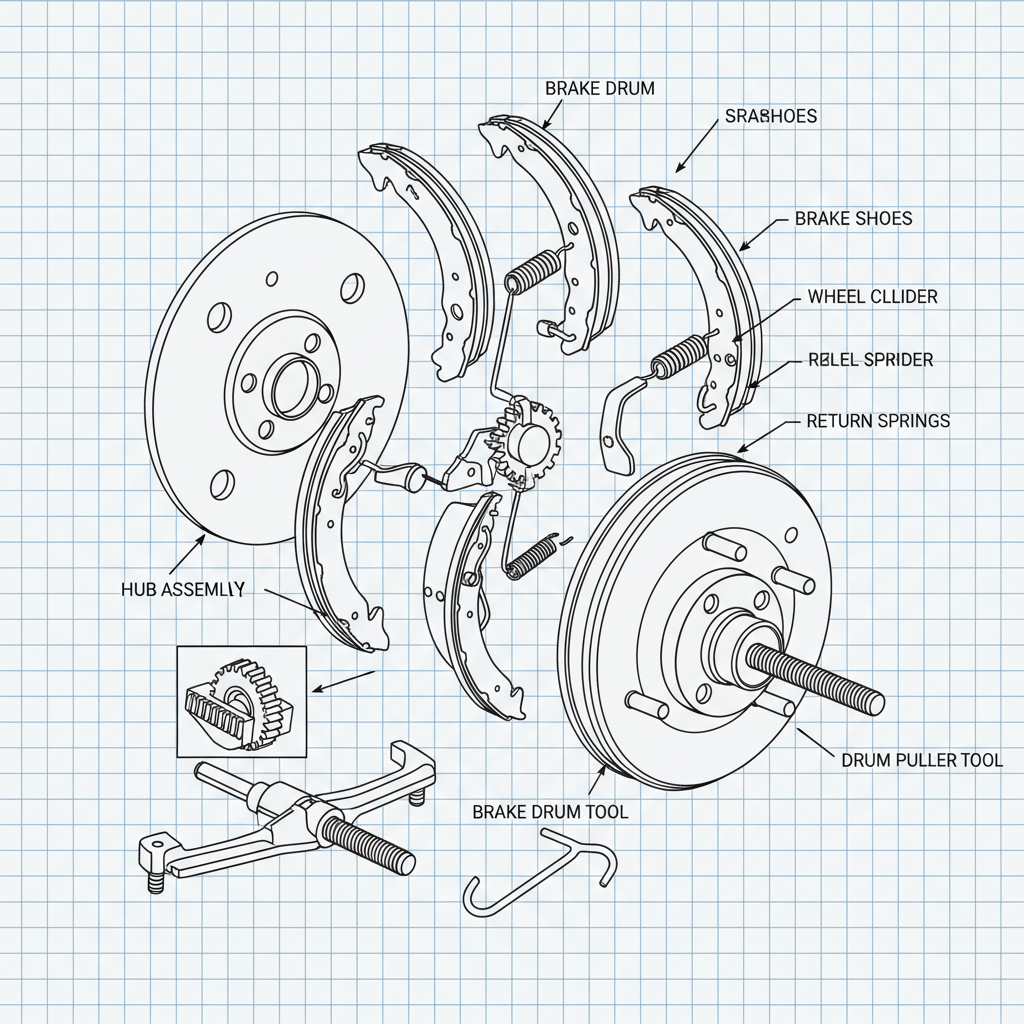
Before attempting to remove a stuck brake drum, gather the necessary tools. These include a lug wrench, jack and jack stands, penetrating oil (such as PB Blaster), a rubber mallet, a brake drum puller, and safety glasses. A set of sockets and wrenches is also essential. Having the right tools readily available will streamline the process and minimize the risk of damage. Always prioritize safety by wearing appropriate personal protective equipment.
Essential Tools Checklist: Lug wrench, Jack and jack stands, Penetrating oil, Rubber mallet, Brake drum puller, Sockets and wrenches, Safety glasses.
Step-by-Step Guide: Removing the Stuck Brake Drum
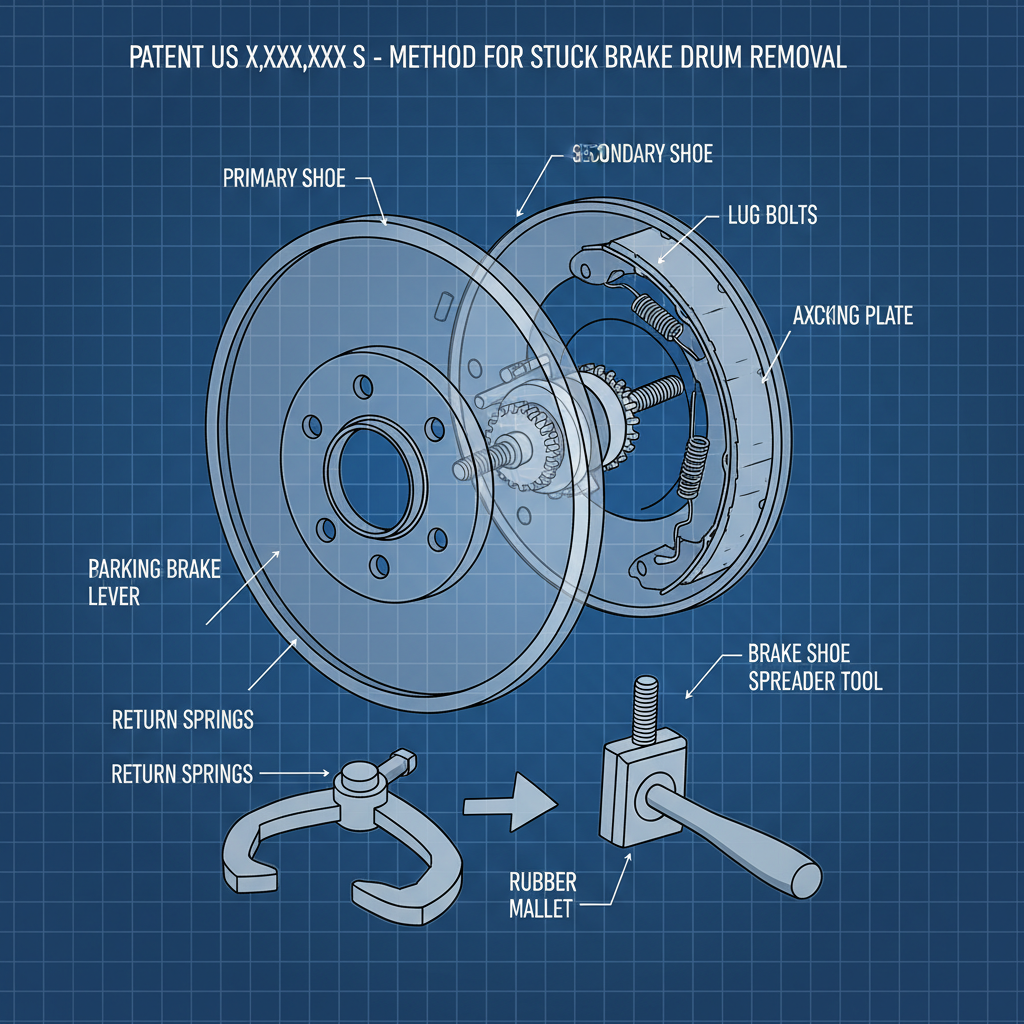
Follow these steps carefully to remove the stuck brake drum. First, loosen the lug nuts while the vehicle is on the ground. Then, safely jack up the vehicle and secure it with jack stands. Remove the wheel and tire assembly. Next, apply penetrating oil liberally around the center hub and the area where the drum contacts the backing plate. Allow the oil to soak for at least 30 minutes, or even overnight for severely stuck drums. Using a rubber mallet, gently tap around the perimeter of the brake drum to help break the rust bond. If the drum still doesn’t budge, use a brake drum puller, ensuring it's securely attached to the drum and hub. Gradually apply pressure until the drum releases.
Removal Technique Summary:
• Loosen lug nuts and jack up the vehicle.
• Apply penetrating oil and let it soak.
• Gently tap with a rubber mallet.
• Use a brake drum puller if necessary.
Comparing Removal Methods: Penetrating Oil vs. Brake Drum Puller
While both penetrating oil and a brake drum puller are effective, their suitability depends on the severity of the situation. Penetrating oil is best for moderately stuck drums and preventative maintenance. It works by seeping into the rust and corrosion, lubricating the surfaces and allowing for easier separation. A brake drum puller is necessary for severely stuck drums where penetrating oil alone isn’t sufficient. It provides a mechanical advantage, applying even pressure to overcome the binding forces. Consider starting with penetrating oil and progressing to a puller if needed.
Preventative Measures: Keeping Your Brake Drums Free
To prevent future issues, regularly inspect and lubricate your brake drums. During brake pad replacements, apply a light coating of brake grease to the hub surface where the drum slides. If your vehicle is stored for an extended period, consider applying penetrating oil periodically. Avoid setting the parking brake when storing the vehicle, as this can contribute to drum seizing. Proper maintenance and preventative measures can save you time and frustration down the road. Check out JK Yihang for high-quality brake maintenance products.
Conclusion: Tackling Stuck Brake Drums with Confidence
Removing a stuck rear brake drum requires patience, the right tools, and a methodical approach. By following the steps outlined in this guide, you can confidently address this common automotive repair. Remember to prioritize safety and consider preventative measures to avoid future issues. For all your brake component needs, JK Yihang provides reliable solutions.
Frequently Asked Questions (FAQs)
What if the brake drum puller doesn't work?
If a brake drum puller isn't successful, it indicates an extremely stubborn situation. Double-check that the puller is securely attached and that you are applying even pressure. Consider applying heat (with caution!) to the hub area to expand the metal slightly, but avoid direct heat to the brake drum itself. In very rare cases, professional assistance from a mechanic may be required, as forcing the issue could damage the hub or drum. A seasoned mechanic will have access to more powerful tools and specialized techniques.
Can I damage the wheel studs during removal?
Yes, it's possible to damage the wheel studs if excessive force is applied. Avoid using excessive force with the brake drum puller, and ensure it's properly aligned. If the studs feel loose or damaged, they should be replaced before reinstalling the wheel. Damaged wheel studs can compromise wheel security, posing a significant safety risk. It's always best to err on the side of caution and inspect the studs thoroughly.
How often should I service my rear brakes?
The frequency of rear brake service depends on driving conditions and usage. Generally, rear brakes last longer than front brakes due to less weight transfer during braking. However, it's recommended to inspect the rear brakes at least once a year or every 12,000 miles. Check the brake pad thickness, drum condition, and overall system integrity. If you notice any squealing, grinding, or pulsating sensations during braking, have the brakes inspected immediately.
-
Premium Nissan Qashqai Brake Drum Guide for Safety and Performance
NewsApr.16,2026
-
Choosing the Best High Quality Nissan Pickup Brake Drum for Safety
NewsApr.09,2026
-
Comprehensive Guide to Nissan Patrol Brake Drum Maintenance and Replacement
NewsApr.07,2026
-
Comprehensive Guide to Nissan Versa Brake Drums Function and Replacement
NewsApr.04,2026
-
Comprehensive Guide to Nissan Cube Brake Drum Function and Replacement
NewsMar.31,2026
-
Comprehensive Guide to Nissan Brake Drums Performance and Maintenance
NewsMar.28,2026
 Afrikaans
 Albanian
 Amharic
 Arabic
 Armenian
 Azerbaijani
 Basque
 Belarusian
 Bengali
 Bosnian
 Bulgarian
 Catalan
 Cebuano
 Corsican
 Croatian
 Czech
Czech
 Danish
 Dutch
Dutch
 Esperanto
 Estonian
 Finnish
 French
 Frisian
 Galician
 Georgian
 German
 Greek
Greek
 Gujarati
 Haitian Creole
 Hausa
Hausa
 Hawaiian
 Hebrew
 Hindi
Hindi
 Miao
Miao
 Hungarian
 Icelandic
 Igbo
Igbo
 Indonesian
 Irish
Irish
 Italian
 Japanese
 Javanese
 Kannada
 Kazakh
 Khmer
Khmer
 Rwandese
 Korean
 Kurdish
 Kyrgyz
 Lao
Lao
 Latin
Latin
 Latvian
 Lithuanian
 Luxembourgish
 Macedonian
 Malgashi
 Malay
Malay
 Malayalam
 Maltese
 Maori
Maori
 Marathi
 Mongolian
 Myanmar
 Nepali
 Norwegian
 Norwegian
 Occitan
 Pashto
 Persian
 Polish
 Portuguese
 Punjabi
 Romanian
 Russian
 Samoan
 Scottish Gaelic
 Serbian
 Sesotho
 Shona
Shona
 Sindhi
 Sinhala
 Slovak
 Slovenian
 Somali
 Spanish
 Sundanese
 Swahili
 Swedish
 Tagalog
 Tajik
Tajik
 Tamil
Tamil
 Tatar
Tatar
 Telugu
 Thai
Thai
 Turkish
 Turkmen
 Ukrainian
 Urdu
Urdu
 Uighur
 Uzbek
Uzbek
 Vietnamese
 Welsh
Welsh
 Bantu
Bantu
 Yiddish
 Yoruba
 Zulu
Zulu
 English