Performance drum brakes represent a crucial element in vehicle safety and efficiency, impacting braking distance, control, and overall driving experience. While disc brakes have become increasingly prevalent, understanding the nuances of performance drum brakes remains vital for classic car enthusiasts, certain vehicle applications, and recognizing their specific advantages in particular scenarios. This understanding extends beyond simple mechanics; it’s about maximizing stopping power, minimizing fade, and ensuring reliable operation under diverse conditions.
Globally, the automotive braking systems market is a multi-billion dollar industry, projected to continue growing with increasing vehicle production and advancements in safety regulations. According to Statista, the global automotive brakes market was valued at approximately $85 billion in 2023 and is expected to reach over $100 billion by 2028. The demand for enhanced braking performance, particularly in emerging markets with rapidly increasing vehicle ownership, fuels the ongoing development of braking technologies, including specialized upgrades for performance drum brakes.
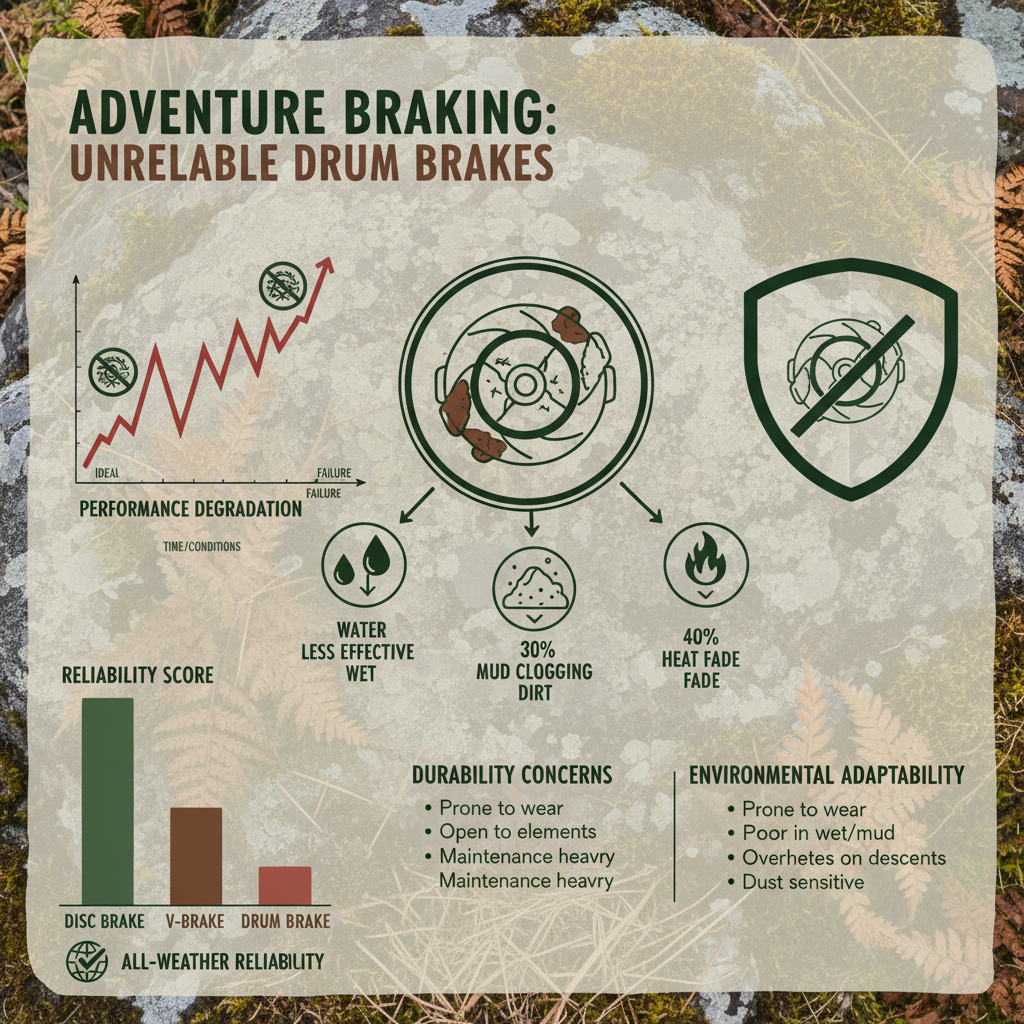
The core challenge addressed by optimizing performance drum brakes lies in overcoming inherent limitations—such as susceptibility to fade under heavy use and less efficient heat dissipation compared to disc brakes—while capitalizing on their strengths, like cost-effectiveness and self-energizing characteristics. Addressing this challenge is key to maintaining safety and optimizing braking capabilities in vehicles equipped with, or retaining, drum brake systems.
Introduction to Performance Drum Brakes
Performance drum brakes aren't simply about replacing worn parts; they involve a holistic upgrade of the entire system to enhance braking capabilities. This often includes high-performance brake shoes, heavy-duty springs, and precision-machined drums designed to withstand higher temperatures and stresses. The goal is to provide consistent and reliable stopping power, even under demanding conditions.
Understanding the principles behind performance drum brakes allows for informed decisions when restoring classic vehicles, preparing for track days, or simply seeking a cost-effective braking solution. It's about recognizing that, with the right components and expertise, drum brakes can deliver exceptional performance characteristics—a level far beyond their standard factory specifications.
Defining Performance Drum Brakes
Performance drum brakes refer to modifications and upgrades made to traditional drum braking systems to improve their stopping power, heat dissipation, and overall reliability. Unlike standard drum brakes designed for everyday driving, performance drum brakes utilize higher-quality materials, enhanced designs, and precision engineering to handle increased thermal loads and mechanical stresses. This isn’t just about more stopping force, it’s about more consistent stopping force, reducing fade and maintaining control.
These systems often incorporate components like vented drums, heavy-duty brake shoes with enhanced friction materials, upgraded wheel cylinders, and improved self-adjusting mechanisms. They are a viable alternative—and sometimes a preferred choice—to disc brake conversions in certain applications, particularly where maintaining original aesthetics or reducing weight is a priority.
The connection to modern industry extends to vintage car restoration, motorsport (especially historic racing), and specialized vehicle applications where drum brakes remain integral to the design. Moreover, advancements in material science directly influence the development of higher-performing drum brake components, making them increasingly competitive with disc brake technology.
Key Components of Performance Drum Brakes
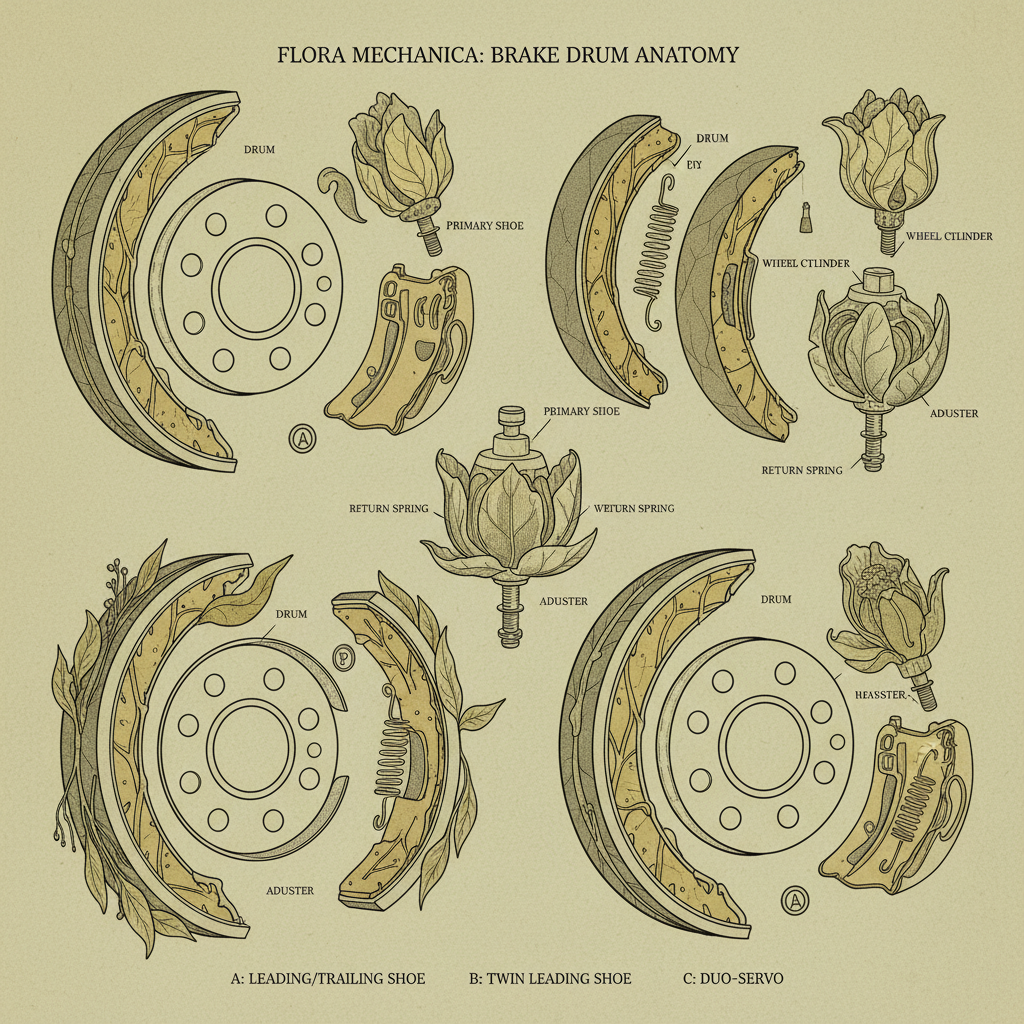
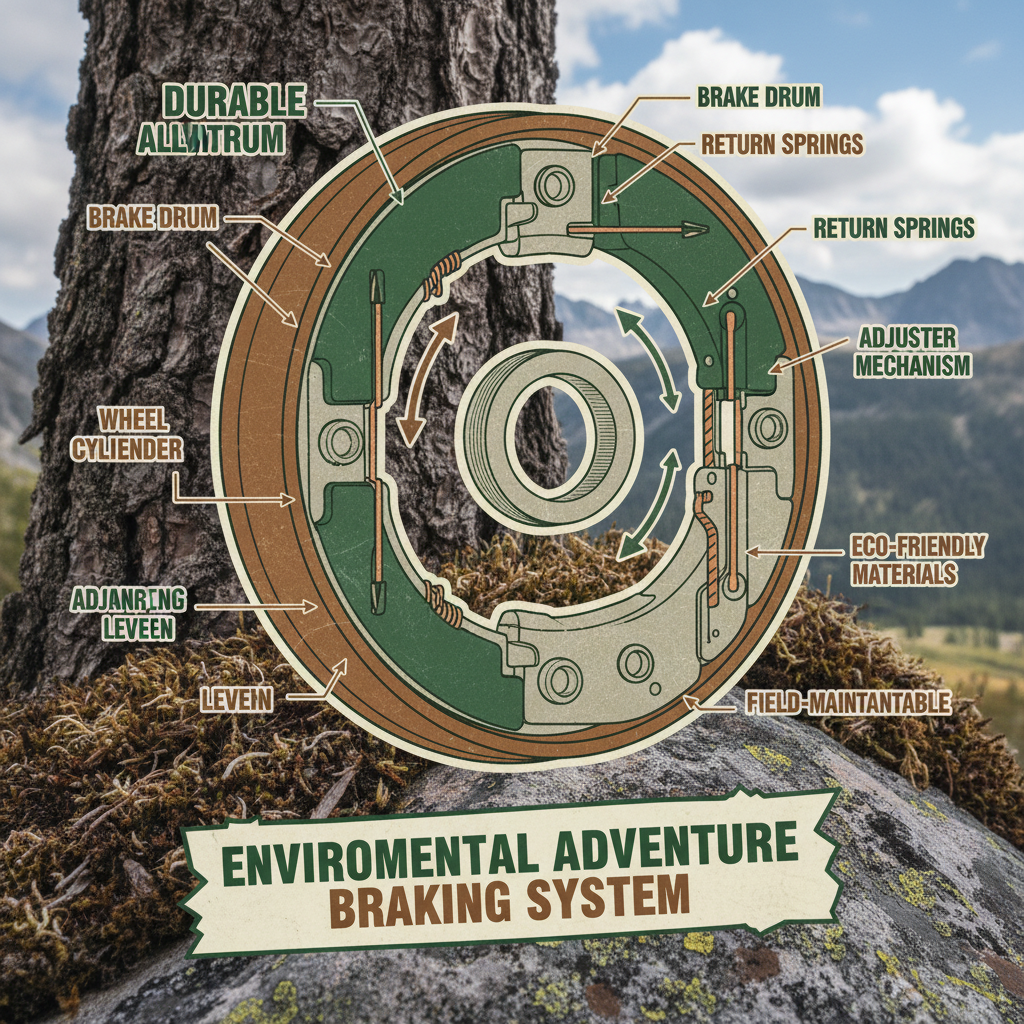
Several key components contribute to the performance of a drum brake system. First, the drum itself – often cast iron – serves as the rotating surface against which the brake shoes press. Upgraded drums frequently feature improved venting to enhance heat dissipation. Second, the brake shoes, lined with friction material, are responsible for creating the braking force. High-performance shoes employ compounds designed to withstand extreme temperatures and maintain consistent friction.
The wheel cylinder is another critical element, converting hydraulic pressure into mechanical force to push the brake shoes outward. Upgraded wheel cylinders often feature larger pistons and improved seals for greater clamping force and reduced fluid leakage. Finally, the springs and hardware – including retaining clips and adjusters – are essential for maintaining proper brake shoe alignment and preventing unwanted noise or vibrations. These components work synergistically to ensure efficient and reliable braking performance.
Beyond these core elements, the brake lines and master cylinder play a significant role. Using stainless steel braided brake lines improves pedal feel and reduces brake line expansion under pressure. A properly sized and maintained master cylinder ensures consistent hydraulic pressure delivery to the wheel cylinders, maximizing braking efficiency. These enhancements, combined with high-quality components, dramatically improve the overall effectiveness of the performance drum brake system.
Durability and Material Science in Performance Drum Brakes
The durability of performance drum brakes is intrinsically linked to the materials used in their construction. Standard cast iron drums can be prone to cracking or warping under extreme heat. Upgraded drums often employ higher-grade cast iron alloys or even specialized materials like ductile iron, which offers superior strength and thermal conductivity.
Brake shoe friction materials are equally critical. Organic compounds, commonly found in standard brakes, can fade quickly at high temperatures. Performance brake shoes utilize semi-metallic or ceramic compounds, which maintain consistent friction coefficients even under severe conditions. Ceramic compounds, in particular, exhibit excellent heat resistance and reduced noise.
Performance Drum Brake Friction Material Comparison
Global Applications and Use Cases
Performance drum brakes find significant application in classic car restoration worldwide, where preserving originality is paramount. Enthusiasts in North America, Europe, and Australia frequently upgrade their drum brake systems to maintain the vehicle’s aesthetic while enhancing safety and stopping power. In post-disaster relief operations, where maintaining simplicity and affordability are critical, robust drum brake systems offer a reliable solution for vehicles operating in challenging conditions.
Furthermore, these systems are favored in certain motorsport applications, particularly historic racing series, where regulations often mandate the use of original-style braking components. In remote industrial zones, where access to specialized repair facilities may be limited, the relative simplicity and ease of maintenance associated with drum brakes make them a practical choice for heavy-duty vehicles.
Advantages of Upgraded Performance Drum Brakes
Upgrading to performance drum brakes offers several distinct advantages. The most significant is enhanced braking performance, leading to shorter stopping distances and improved control, particularly in demanding driving situations. By utilizing high-friction materials and optimized designs, these systems minimize brake fade and maintain consistent stopping power even under sustained use.
Compared to disc brake conversions, performance drum brake upgrades are often more cost-effective, especially for vehicles where extensive modifications would be required. They also retain the original aesthetic of the vehicle, which is crucial for classic car enthusiasts. Finally, a well-maintained performance drum brake system can offer excellent reliability and longevity, providing years of dependable service.
Future Trends and Innovations
Future trends in performance drum brakes are likely to focus on advancements in material science and manufacturing techniques. Research into new friction materials with even higher heat resistance and improved fade recovery is ongoing. The development of lighter-weight drum components, potentially utilizing composite materials, could further enhance performance.
Digital modeling and simulation are playing an increasingly important role in optimizing drum brake designs, allowing engineers to refine airflow and heat dissipation characteristics. Automation in the manufacturing process can lead to greater precision and consistency in component production, ultimately improving overall quality and reliability. Sustainability will also be a key driver, with a focus on developing environmentally friendly friction materials and reducing waste in the manufacturing process.
Integrating smart technologies, such as sensors that monitor brake pad wear and temperature, could provide valuable data for predictive maintenance and improve safety. These innovations will ensure that performance drum brakes remain a viable and competitive braking solution for years to come.
FAQS
The primary difference lies in the components. Performance drum brakes utilize higher-quality materials – upgraded friction linings, heavier-duty springs, and often vented drums – designed to withstand significantly higher temperatures and stresses. Standard drum brakes utilize materials geared toward everyday driving, lacking the heat resistance and friction consistency needed for demanding applications. This translates to better stopping power, reduced fade, and increased reliability in performance setups.
It depends on your needs and priorities. A disc brake conversion generally offers superior stopping power, but it can be costly and complex. Performance drum brakes can provide a significant improvement over standard drums, offering a cost-effective and less invasive upgrade, especially for classic cars where maintaining originality is important. If maximizing ultimate stopping power isn’t paramount, performance drum brakes are a viable alternative.
The servicing frequency is similar to standard drum brakes, but regular inspections are crucial. Check brake shoe lining thickness, drum condition, wheel cylinder seals, and brake fluid levels at least annually or every 10,000 miles. Depending on driving conditions and usage, brake shoes may need replacing every 20,000-30,000 miles. Proper maintenance ensures optimal performance and longevity.
Brake fade occurs when the brake shoes overheat, reducing their friction coefficient. This can be caused by prolonged, heavy braking, leading to a loss of stopping power. Upgrading to performance drum brakes with high-heat friction materials and vented drums helps mitigate fade by dissipating heat more effectively and maintaining consistent friction. Proper brake fluid maintenance is also critical.
While it's technically possible, it's not recommended. High-performance brake shoes are designed to operate optimally with drums that can handle the increased heat generated. Using performance shoes with standard drums can lead to premature drum wear, reduced braking performance, and potentially dangerous situations. It's best to upgrade the entire system for optimal results.
Performance drum brakes can be a suitable option for towing, provided they are properly upgraded and matched to the vehicle's weight and towing capacity. Using heavy-duty components – high-friction shoes, vented drums, and reinforced hardware – is essential to handle the increased braking demands. Regularly inspect the system for wear and tear, and consider using a brake controller for enhanced towing safety.
Conclusion
Performance drum brakes offer a compelling alternative to disc brake conversions, particularly for classic car restoration, motorsport applications, and situations where cost-effectiveness and simplicity are paramount. By utilizing upgraded components and advanced materials, these systems deliver enhanced stopping power, reduced fade, and increased reliability, providing a significant improvement over standard drum brakes. Understanding the intricacies of drum brake technology is crucial for maximizing performance and ensuring safety.
Looking ahead, ongoing innovations in material science and manufacturing techniques promise even further advancements in performance drum brake technology. From lighter-weight components to smart sensors and environmentally friendly friction materials, the future of drum brakes is bright. For those seeking a cost-effective, reliable, and aesthetically-pleasing braking solution, exploring the potential of performance drum brakes is well worth considering. Visit our website at jkxyihang.com to learn more about our range of performance drum brake components and solutions.