
Apr . 16, 2026 02:05 Back to list
Premium Nissan Qashqai Brake Drum Guide for Safety and Performance
Nissan Qashqai Brake Drum: The Ultimate Guide to Safety and Performance
Ensuring the braking efficiency of your vehicle is non-negotiable when it comes to road safety. For owners of the popular Nissan Qashqai, maintaining the rear braking system is essential for consistent stopping power and stability. The nissan qashqai brake drum serves as the critical friction surface that allows your vehicle to come to a secure halt. Whether you are navigating city traffic or embarking on a long highway journey, high-quality brake drums prevent overheating and reduce braking distances. In this comprehensive guide, we will explore the technical specifications, signs of wear, and the importance of choosing premium replacement parts to keep your SUV in peak condition.
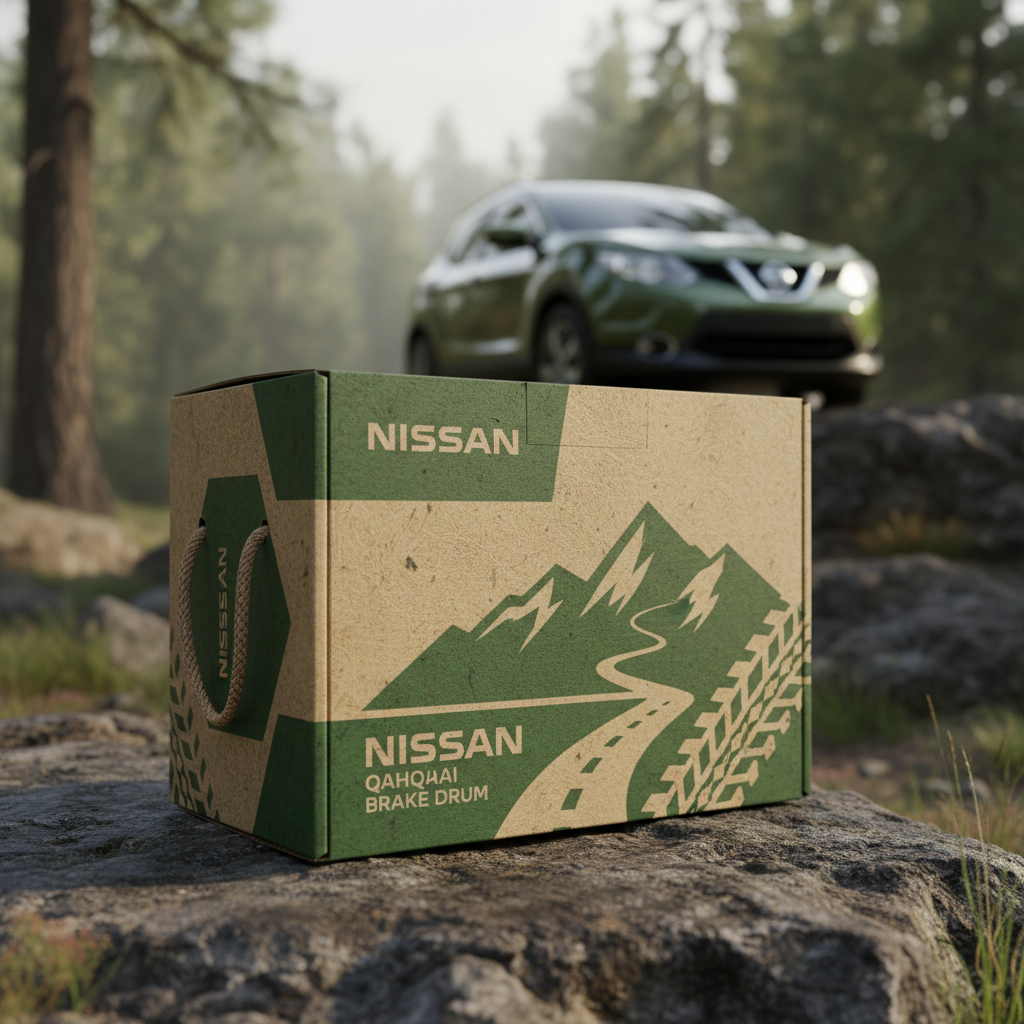
Understanding the Function of the Nissan Qashqai Brake Drum
The drum brake system in a Nissan Qashqai operates by forcing brake shoes outward against the inner surface of the rotating drum. This friction converts kinetic energy into heat, slowing the vehicle down. Unlike disc brakes, the nissan qashqai brake drum is particularly effective for parking brakes and providing stability in low-speed maneuvers. High-grade cast iron is typically used to ensure the drum can withstand extreme thermal stress without warping. When the drum is properly maintained, it provides a smooth, predictable braking experience that protects passengers and pedestrians alike.
Pro Tip: Always replace brake drums in pairs across the same axle to ensure balanced braking force and prevent the vehicle from pulling to one side during emergency stops.
Common Signs Your Nissan Qashqai Brake Drum Needs Replacement
Over time, the inner surface of the drum wears down or becomes "scored" due to friction and debris. Identifying the warning signs early can prevent costly damage to the brake shoes and wheel cylinders. If you notice a pulsing sensation in the brake pedal or hear a grinding metallic sound when slowing down, it is a strong indicator that your nissan qashqai brake drum is worn beyond the safe limit. Additionally, a decrease in braking responsiveness or a "spongy" feel during application suggests that the drum may be out-of-round or excessively thin.
Warning Indicators:
• Audible grinding or squealing noises during braking
• Increased stopping distance compared to previous performance
• Visible grooves or deep scratches on the inner drum surface
• Brake pedal vibration during deceleration
Comparing OEM vs. Aftermarket Nissan Qashqai Brake Drum
When it comes to choosing a replacement nissan qashqai brake drum, owners often debate between Original Equipment Manufacturer (OEM) parts and high-quality aftermarket alternatives. While OEM parts offer a guaranteed fit, premium aftermarket drums often provide enhanced heat dissipation and superior wear resistance at a more competitive price point. The key is to ensure the aftermarket part meets or exceeds the original safety specifications to maintain the vehicle's integrity.
Installation and Maintenance Tips for Brake Drums
Installing a new nissan qashqai brake drum requires precision to ensure the shoes seat correctly. It is highly recommended to clean the hub surface thoroughly before installation to prevent "brake chatter." Additionally, applying a small amount of high-temperature brake lubricant to the contact points of the brake shoes can significantly reduce noise and wear. For those performing the replacement themselves, using a torque wrench to secure the wheel nuts is critical to avoid warping the new drum surface over time.
Technical Specifications of the Nissan Qashqai Brake Drum
The engineering behind the nissan qashqai brake drum is focused on thermal stability and structural rigidity. The inner diameter is precisely machined to allow for a few resurfacing cycles before the drum becomes too thin for safe use. Most drums for the Qashqai are designed to operate within a specific temperature range to prevent "brake fade" during prolonged descent on hilly terrain. Below are the typical technical parameters found in high-performance drums:
The Impact of Quality Brake Drums on Vehicle Longevity
Choosing a low-quality brake drum can lead to a cycle of premature wear for the entire braking system. Poorly cast drums may develop "hot spots," leading to uneven wear on the brake shoes and increased vibration. By investing in a premium nissan qashqai brake drum, you ensure that the friction is distributed evenly, which extends the life of the brake shoes and reduces the frequency of maintenance. Ultimately, the quality of your brake hardware directly correlates to the safety of your vehicle and the confidence you feel behind the wheel.
Conclusion: Prioritize Safety with Premium Brake Parts
Maintaining your nissan qashqai brake drum is not just about vehicle upkeep; it is about ensuring every journey ends safely. From recognizing the signs of wear to selecting the right material specifications, every detail matters. By choosing high-quality, precision-engineered components, you guarantee superior stopping power and a smoother ride. Don't wait for a brake failure to take action—invest in quality components today for a safer tomorrow.
Frequently Asked Questions (FAQs)
How often should I check my Nissan Qashqai brake drums?
It is generally recommended to have your brake drums inspected every 10,000 to 15,000 miles or during every oil change. A professional mechanic can measure the inner diameter of the drum to see if it is approaching the "maximum wear limit." If you frequently drive in mountainous areas or carry heavy loads, you should inspect them more often. Regular checks prevent the brake shoes from wearing through to the metal, which can cause catastrophic failure and permanent damage to the drum.
Can I just resurface my old brake drums instead of replacing them?
Yes, resurfacing (or "turning") the drum is possible if the wear is minimal and the drum is still within the manufacturer's thickness specifications. Resurfacing removes a thin layer of metal to create a smooth, flat surface again. However, if the drum is too thin, resurfacing can lead to overheating and warping. In many cases, replacing the nissan qashqai brake drum entirely is the safer and more cost-effective long-term solution, as it provides a fresh, full-thickness wall for maximum heat absorption.
Why is my brake drum making a clicking sound after installation?
A clicking sound after installation often indicates that the brake shoes are not properly seated or the return springs are not tensioned correctly. It can also happen if the hub surface was not cleaned of rust before the drum was mounted, causing the drum to sit slightly crooked. We recommend re-inspecting the hardware and ensuring all components are aligned. For high-quality replacement parts that fit perfectly and reduce installation issues, visit the JKXYIHANG website for professional-grade solutions.
Will new brake drums improve my parking brake performance?
Absolutely. In the Nissan Qashqai, the rear drums are typically integrated with the parking brake system. When a drum is worn or oval-shaped, the parking brake may not hold the vehicle as securely on an incline. A new, precision-machined brake drum provides a consistent surface for the shoes to grip, significantly increasing the holding power of your handbrake and ensuring your vehicle remains stationary when parked.
-
Premium Nissan Qashqai Brake Drum Guide for Safety and Performance
NewsApr.16,2026
-
Choosing the Best High Quality Nissan Pickup Brake Drum for Safety
NewsApr.09,2026
-
Comprehensive Guide to Nissan Patrol Brake Drum Maintenance and Replacement
NewsApr.07,2026
-
Comprehensive Guide to Nissan Versa Brake Drums Function and Replacement
NewsApr.04,2026
-
Comprehensive Guide to Nissan Cube Brake Drum Function and Replacement
NewsMar.31,2026
-
Comprehensive Guide to Nissan Brake Drums Performance and Maintenance
NewsMar.28,2026
 Afrikaans
 Albanian
 Amharic
 Arabic
 Armenian
 Azerbaijani
 Basque
 Belarusian
 Bengali
 Bosnian
 Bulgarian
 Catalan
 Cebuano
 Corsican
 Croatian
 Czech
Czech
 Danish
 Dutch
Dutch
 Esperanto
 Estonian
 Finnish
 French
 Frisian
 Galician
 Georgian
 German
 Greek
Greek
 Gujarati
 Haitian Creole
 Hausa
Hausa
 Hawaiian
 Hebrew
 Hindi
Hindi
 Miao
Miao
 Hungarian
 Icelandic
 Igbo
Igbo
 Indonesian
 Irish
Irish
 Italian
 Japanese
 Javanese
 Kannada
 Kazakh
 Khmer
Khmer
 Rwandese
 Korean
 Kurdish
 Kyrgyz
 Lao
Lao
 Latin
Latin
 Latvian
 Lithuanian
 Luxembourgish
 Macedonian
 Malgashi
 Malay
Malay
 Malayalam
 Maltese
 Maori
Maori
 Marathi
 Mongolian
 Myanmar
 Nepali
 Norwegian
 Norwegian
 Occitan
 Pashto
 Persian
 Polish
 Portuguese
 Punjabi
 Romanian
 Russian
 Samoan
 Scottish Gaelic
 Serbian
 Sesotho
 Shona
Shona
 Sindhi
 Sinhala
 Slovak
 Slovenian
 Somali
 Spanish
 Sundanese
 Swahili
 Swedish
 Tagalog
 Tajik
Tajik
 Tamil
Tamil
 Tatar
Tatar
 Telugu
 Thai
Thai
 Turkish
 Turkmen
 Ukrainian
 Urdu
Urdu
 Uighur
 Uzbek
Uzbek
 Vietnamese
 Welsh
Welsh
 Bantu
Bantu
 Yiddish
 Yoruba
 Zulu
Zulu
 English