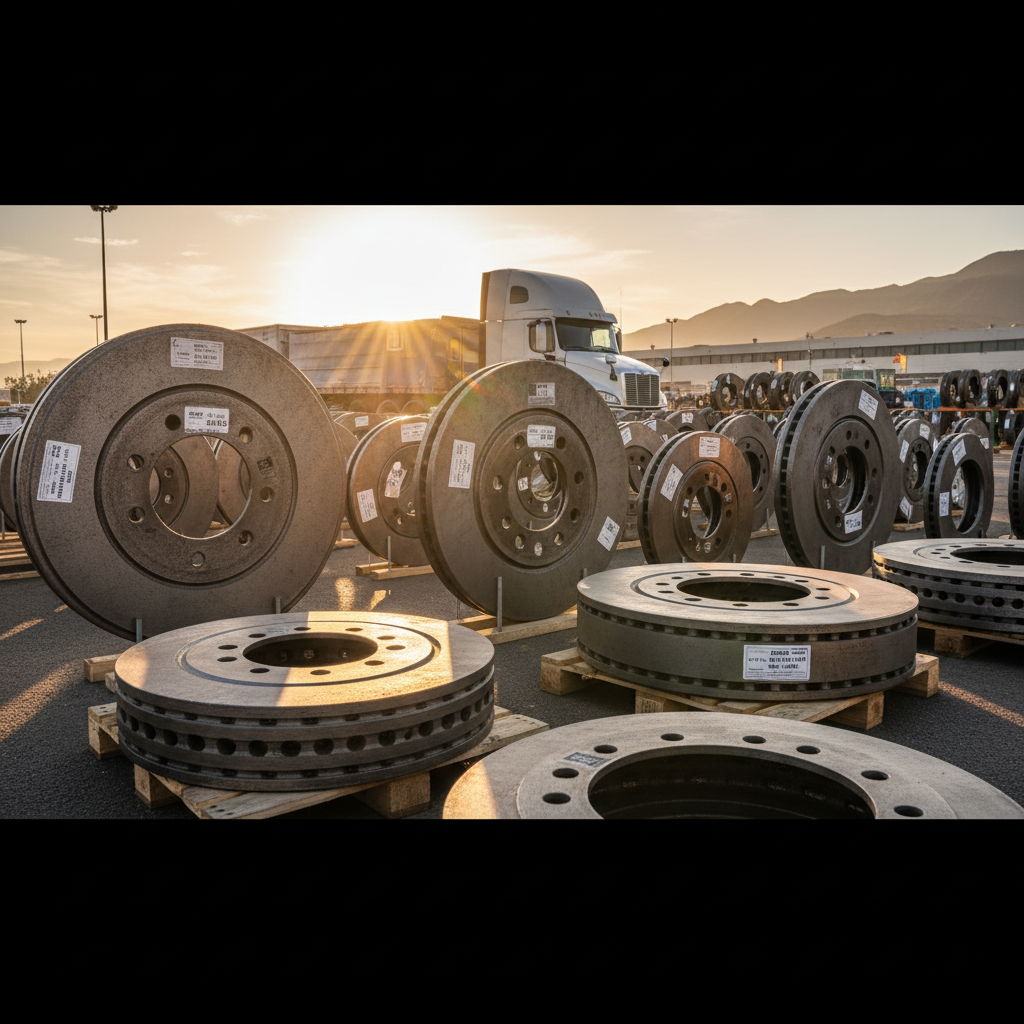
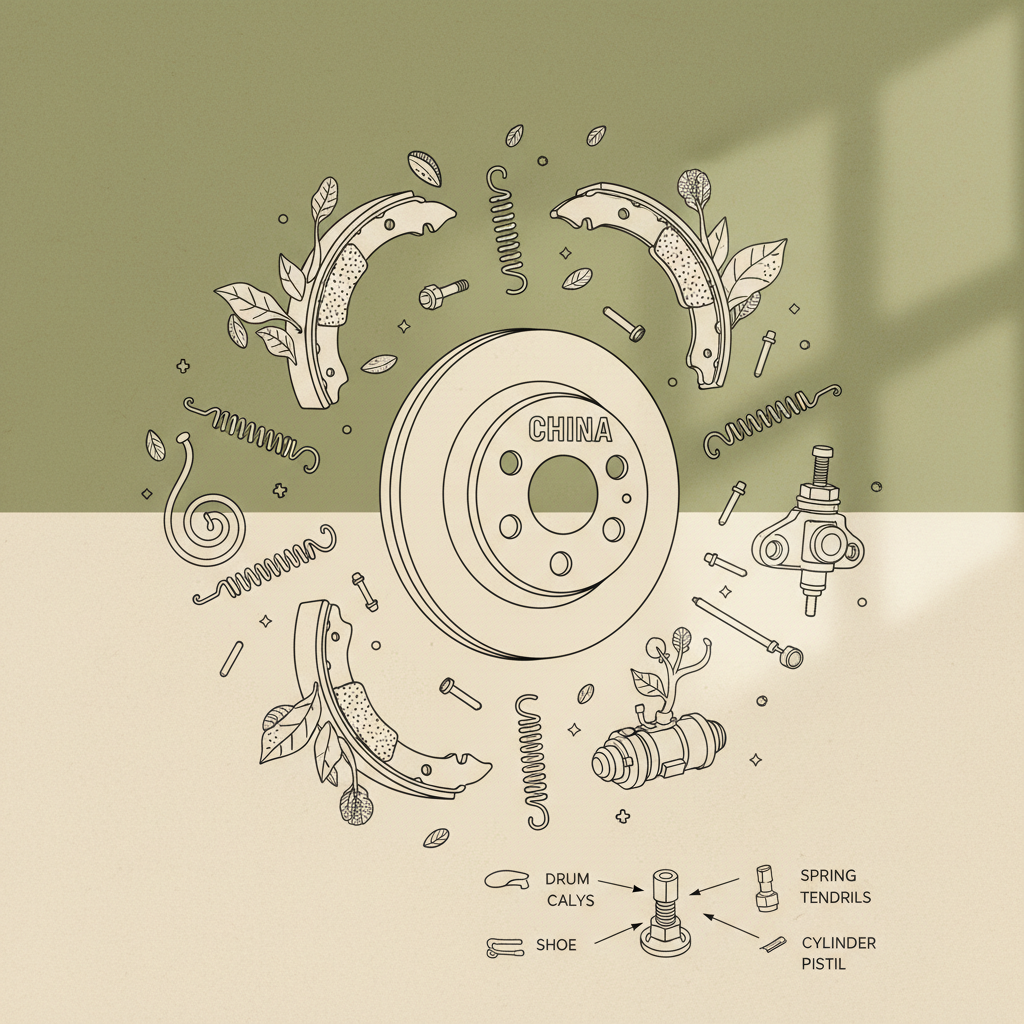
Look, I’ve spent the last fifteen years knee-deep in dust and concrete, dealing with everything from spec sheets to busted hoses. And one thing I can tell you is reliable braking – that’s not something you compromise on. Especially when you’re talking about heavy equipment, trailers, or anything hauling a significant load. That's where a good, solid 12 inch brake drum comes in. It’s not glamorous, it’s not the shiny new tech everyone’s talking about, but it’s the bedrock of safety and efficiency. We’re talking about stopping power, folks, and that impacts everything from project timelines to, well, people's lives.
I've seen outfits try to cut corners on braking systems, go with cheaper components, or stretch maintenance schedules too far. It always comes back to bite them. Delays, accidents, increased downtime for repairs… it adds up fast. And a 12 inch brake drum, when properly spec’d and maintained, offers a sweet spot between performance, durability, and cost. It’s a workhorse, plain and simple.
What I’ve learned after all these years is that the seemingly small components are often the most critical. You can have the most powerful engine or the most precise hydraulics, but if you can’t stop reliably, it’s all for naught. A robust braking system – and that starts with the drum – is the foundation for safe and productive operations.
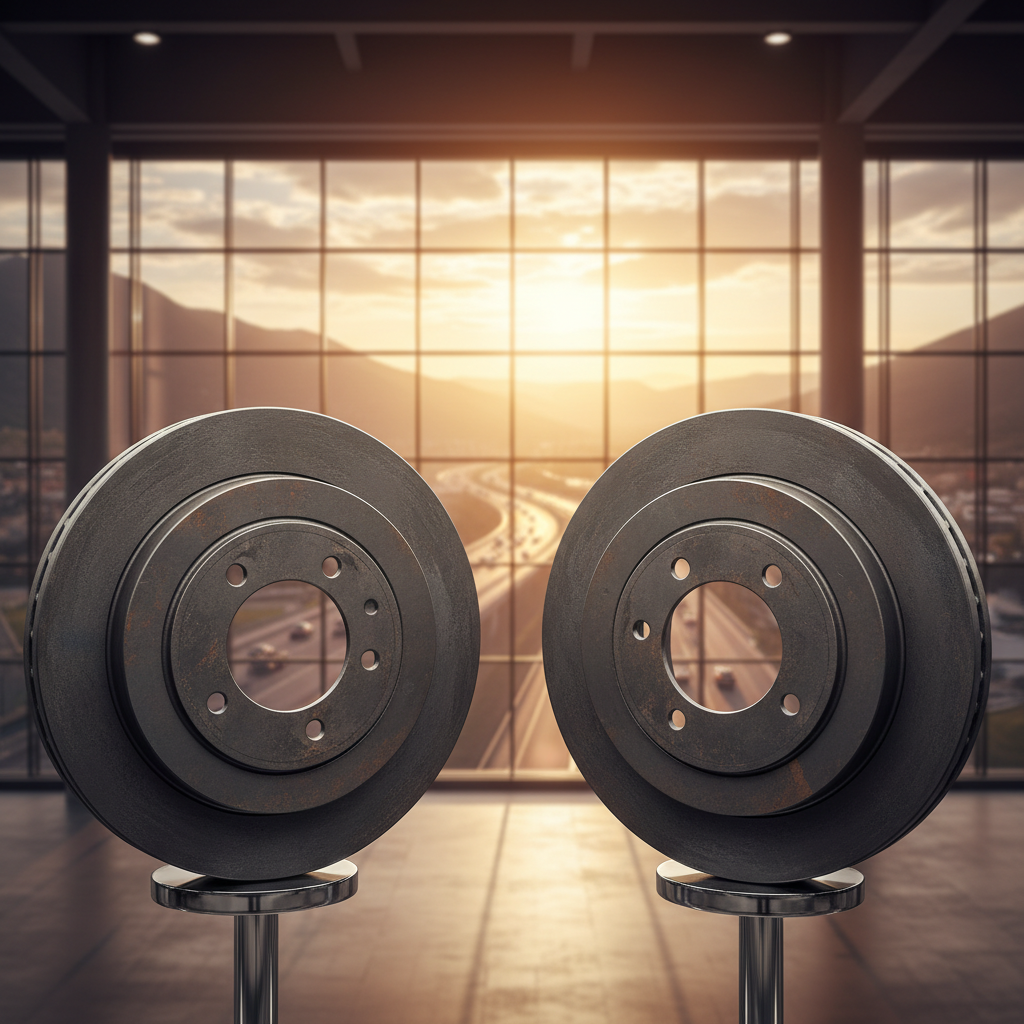
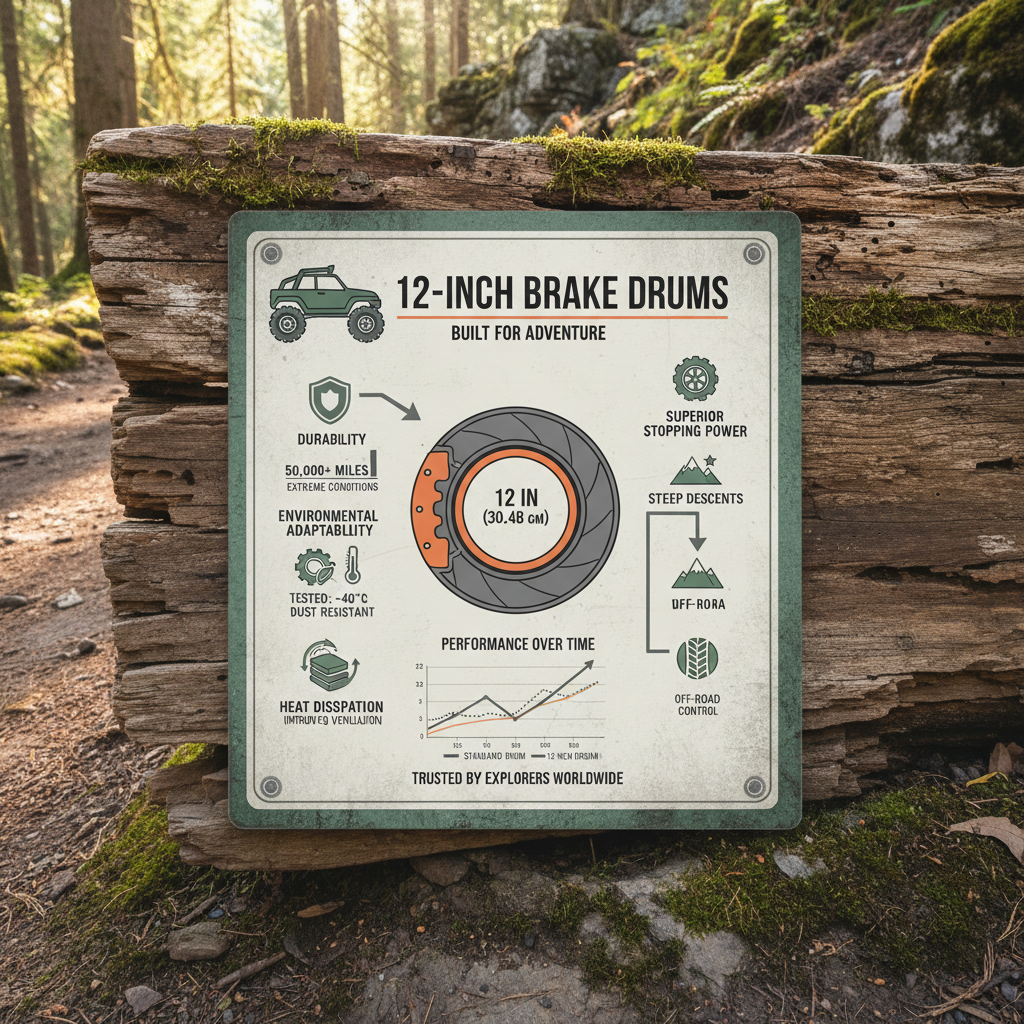
Now, when we talk about a 12 inch brake drum, we’re talking about a foundational component in a mechanical braking system. It’s a cylindrical metal component that houses the brake shoes or pads, and when the brakes are applied, those shoes press against the inside of the drum, creating friction and slowing or stopping the wheel's rotation. It's a simple concept, but the engineering and material science behind a quality drum are anything but.
You'll find these drums used extensively in trailers, heavy-duty trucks, and industrial machinery. The 12-inch diameter is a common size offering a good balance between braking force and physical size constraints. Don't underestimate the importance of choosing the right material – cast iron is standard, but you'll find variations for specific applications needing higher heat resistance or wear resistance.
Generally, a well-maintained 12 inch brake drum made of cast iron can last between 50,000 and 75,000 miles. However, this heavily depends on the load, driving conditions, and frequency of maintenance. Harsh environments or consistent heavy loads will shorten the lifespan, while careful operation and regular inspections can extend it. Ductile iron drums can push this range upwards to 100,000 miles or more.
We recommend inspecting 12 inch brake drums at least every 6 months, or more frequently if used in demanding conditions. Look for signs of cracking, excessive wear, scoring, or uneven braking surfaces. Also, check the wheel studs and mounting flanges for any damage. A quick visual inspection during routine maintenance can prevent costly repairs down the road.
Common culprits include overheating due to continuous braking, contamination from oil or grease, and improper installation. Using the wrong type of brake shoes or pads can also accelerate wear. Furthermore, neglecting to address worn or damaged components, like wheel bearings, can indirectly impact the brake drum's performance and lifespan.
Resurfacing a 12 inch brake drum is possible, but it has limitations. There’s a minimum thickness specification – typically stamped on the drum itself – that must not be exceeded after resurfacing. If the drum is too thin, resurfacing will compromise its structural integrity and heat dissipation capabilities. It's generally safer and more cost-effective to replace a severely worn drum.
Ductile iron is a more advanced type of cast iron that offers higher strength and toughness. This translates to better heat resistance, improved wear resistance, and a reduced risk of cracking. While generally more expensive upfront, ductile iron drums provide a longer service life and are better suited for heavy-duty applications.
Generally, avoid using lubricants on the braking surfaces of a 12 inch brake drum. However, applying a corrosion-resistant coating to the non-braking surfaces can help prevent rust and extend the drum's lifespan, especially in humid or corrosive environments. Consult with a brake specialist for recommendations on suitable coatings.
Ultimately, the 12 inch brake drum remains a vital component in countless applications. It’s not a flashy piece of tech, but it’s the foundation of reliable stopping power, and that's something you can’t afford to compromise on. Investing in quality drums, performing regular maintenance, and understanding the specific demands of your application are key to maximizing performance and minimizing downtime.
Looking ahead, continued advancements in materials science and sensor technology promise to further enhance the reliability and efficiency of braking systems. Staying informed about these developments and proactively adopting best practices will ensure you're equipped to handle the challenges of tomorrow. For all your braking needs, visit our website at www.jkxyihang.com.

 Afrikaans
 Albanian
 Amharic
 Arabic
 Armenian
 Azerbaijani
 Basque
 Belarusian
 Bengali
 Bosnian
 Bulgarian
 Catalan
 Cebuano
 Corsican
 Croatian
 Czech
Czech
 Danish
 Dutch
Dutch
 Esperanto
 Estonian
 Finnish
 French
 Frisian
 Galician
 Georgian
 German
 Greek
Greek
 Gujarati
 Haitian Creole
 Hausa
Hausa
 Hawaiian
 Hebrew
 Hindi
Hindi
 Miao
Miao
 Hungarian
 Icelandic
 Igbo
Igbo
 Indonesian
 Irish
Irish
 Italian
 Japanese
 Javanese
 Kannada
 Kazakh
 Khmer
Khmer
 Rwandese
 Korean
 Kurdish
 Kyrgyz
 Lao
Lao
 Latin
Latin
 Latvian
 Lithuanian
 Luxembourgish
 Macedonian
 Malgashi
 Malay
Malay
 Malayalam
 Maltese
 Maori
Maori
 Marathi
 Mongolian
 Myanmar
 Nepali
 Norwegian
 Norwegian
 Occitan
 Pashto
 Persian
 Polish
 Portuguese
 Punjabi
 Romanian
 Russian
 Samoan
 Scottish Gaelic
 Serbian
 Sesotho
 Shona
Shona
 Sindhi
 Sinhala
 Slovak
 Slovenian
 Somali
 Spanish
 Sundanese
 Swahili
 Swedish
 Tagalog
 Tajik
Tajik
 Tamil
Tamil
 Tatar
Tatar
 Telugu
 Thai
Thai
 Turkish
 Turkmen
 Ukrainian
 Urdu
Urdu
 Uighur
 Uzbek
Uzbek
 Vietnamese
 Welsh
Welsh
 Bantu
Bantu
 Yiddish
 Yoruba
 Zulu
Zulu
 English