Look, brake drum cost... it's a headache, honestly. Everyone's chasing efficiency, lighter materials, longer lifespan. Seems simple, right? But it's a rabbit hole. Everyone's talking about composite materials now, trying to get away from cast iron. It's all about reducing weight to improve fuel efficiency, especially in the commercial vehicle sector. But the price jump... oof. It's a trade-off.
You know, brake drum cost isn't just about the material, it’s about the whole system. The hub, the bearings, the mounting – it all adds up. And honestly, the biggest driver of cost right now isn’t even the materials themselves, it's the increasing demand for quality control and traceability. Everyone wants to know exactly where every component came from.
It used to be, you just needed a drum that wouldn’t crack. Now, you need documentation, testing reports, certifications… the paperwork is insane. And you wouldn't believe the number of small factories trying to cut corners. It’s scary.
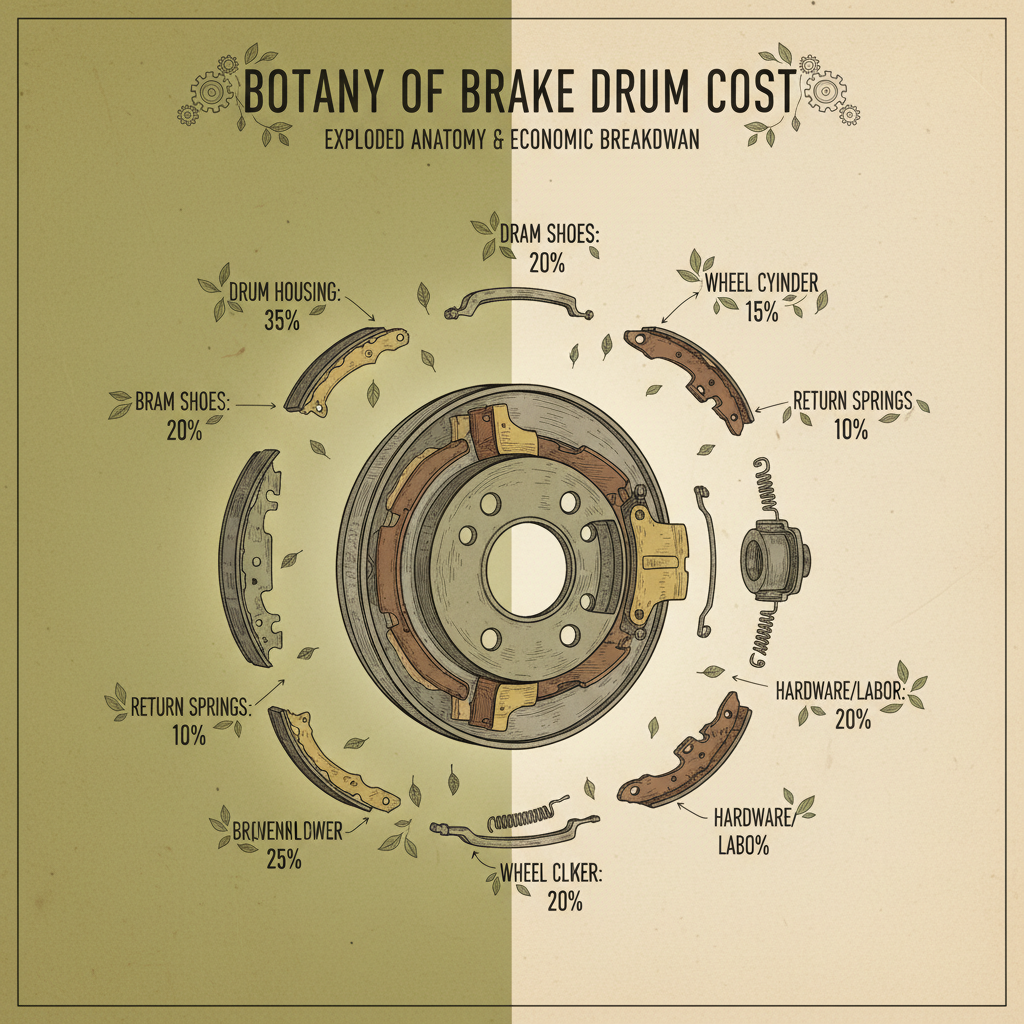
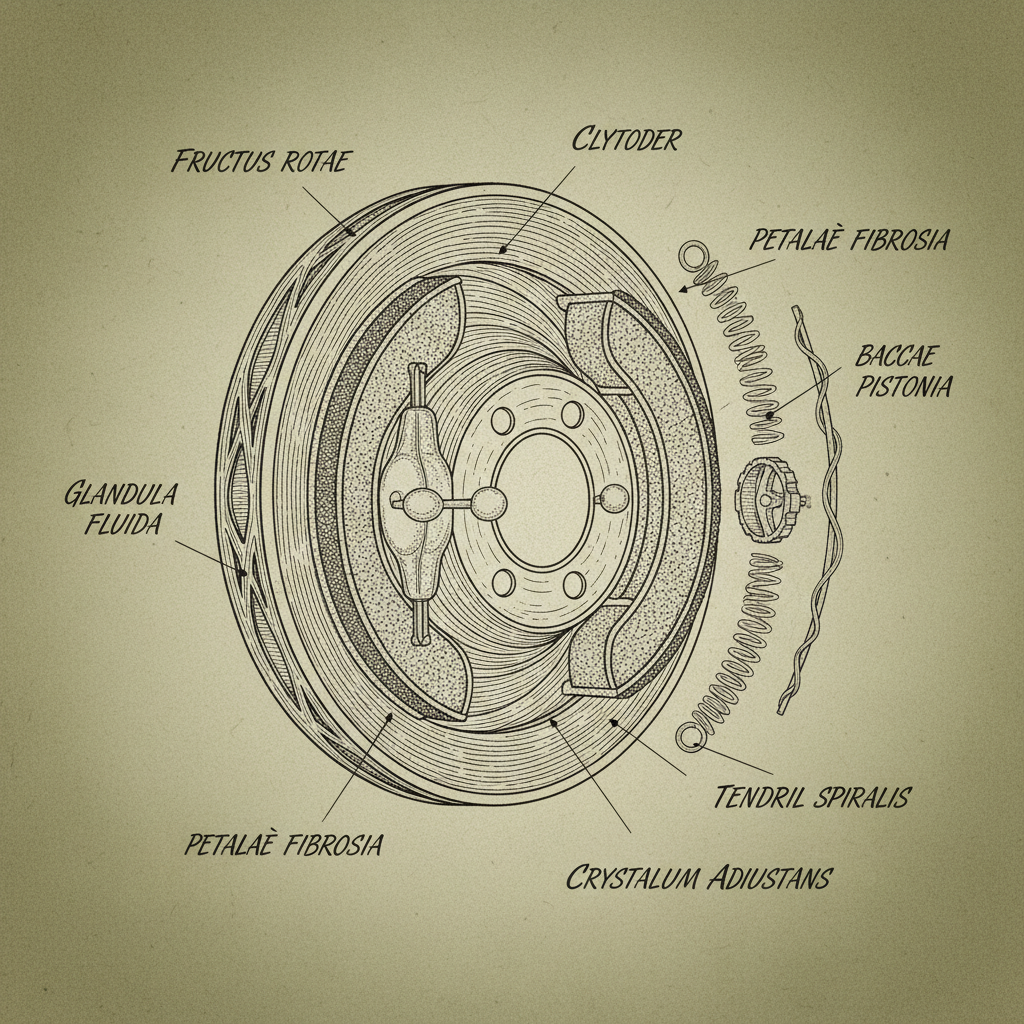
Okay, so brake drum cost isn't just the price tag, is it? It's everything. Material costs, machining, heat treatment, quality checks, shipping, even the packaging. Have you noticed how much packaging waste there is these days? Anyway, I think it’s best to look at it as the total landed cost. What does it actually cost to get a working drum onto a vehicle?
It's crucial for fleet managers, honestly. They're always looking for ways to squeeze every penny out of their maintenance budgets. A seemingly small difference in the initial brake drum cost can have a huge impact on their total cost of ownership over the life of a vehicle.
Honestly, raw material prices (especially iron ore), machining complexity, and quality control requirements are the biggest drivers. Energy costs and labor also play a significant role, but those fluctuate more. Increasingly, supply chain disruptions are driving up costs dramatically. It's not just what it costs to make, but getting the materials to the factory.
That depends. For high-performance applications where weight savings are critical (like racing), absolutely. But for most everyday vehicles, the cost-benefit ratio doesn’t really add up. They’re lighter and don’t rust, but they’re also more brittle and expensive to replace. You really need to consider the specific application.
Huge impact. Labor costs vary wildly. Shipping costs are also a major factor. Factories in China can often produce drums cheaper, but you have to factor in shipping, tariffs, and potential quality control issues. Bringing production closer to home can reduce lead times and improve quality, but it typically increases cost. It's a trade off.
That really depends on the vehicle type and driving conditions. Passenger cars usually get 80,000-120,000 miles. Heavy-duty trucks can go much longer, sometimes 200,000-300,000 miles, but it’s all about maintenance. Regular inspections and re-machining can significantly extend the lifespan.
Absolutely. Re-machining is a common practice. It involves removing a thin layer of metal to restore the drum to its original specifications. It's much cheaper than buying a new drum and it’s also more environmentally friendly. However, there's a limit to how many times a drum can be re-machined before it becomes too thin.
Additive manufacturing (3D printing) is promising, but still expensive. New materials, like advanced alloys and composites, could reduce weight and improve durability, but they’ll likely come at a premium. Digital twins and predictive maintenance are also gaining traction, helping to optimize drum lifespan and reduce unplanned downtime.
So, brake drum cost is a complex beast. It’s not just about the price of iron. It’s about materials, manufacturing processes, quality control, supply chain logistics, and a whole lot more. Understanding these factors is crucial for anyone involved in the automotive or transportation industry.
Ultimately, whether this thing works or not, the worker will know the moment he tightens the screw. That's the truth of it. You can have all the fancy designs and simulations in the world, but if it doesn't fit right and doesn't perform reliably in the real world, it's all for nothing. If you're looking for quality brake drums and competitive pricing, visit our website: www.jkxyihang.com

 Afrikaans
 Albanian
 Amharic
 Arabic
 Armenian
 Azerbaijani
 Basque
 Belarusian
 Bengali
 Bosnian
 Bulgarian
 Catalan
 Cebuano
 Corsican
 Croatian
 Czech
Czech
 Danish
 Dutch
Dutch
 Esperanto
 Estonian
 Finnish
 French
 Frisian
 Galician
 Georgian
 German
 Greek
Greek
 Gujarati
 Haitian Creole
 Hausa
Hausa
 Hawaiian
 Hebrew
 Hindi
Hindi
 Miao
Miao
 Hungarian
 Icelandic
 Igbo
Igbo
 Indonesian
 Irish
Irish
 Italian
 Japanese
 Javanese
 Kannada
 Kazakh
 Khmer
Khmer
 Rwandese
 Korean
 Kurdish
 Kyrgyz
 Lao
Lao
 Latin
Latin
 Latvian
 Lithuanian
 Luxembourgish
 Macedonian
 Malgashi
 Malay
Malay
 Malayalam
 Maltese
 Maori
Maori
 Marathi
 Mongolian
 Myanmar
 Nepali
 Norwegian
 Norwegian
 Occitan
 Pashto
 Persian
 Polish
 Portuguese
 Punjabi
 Romanian
 Russian
 Samoan
 Scottish Gaelic
 Serbian
 Sesotho
 Shona
Shona
 Sindhi
 Sinhala
 Slovak
 Slovenian
 Somali
 Spanish
 Sundanese
 Swahili
 Swedish
 Tagalog
 Tajik
Tajik
 Tamil
Tamil
 Tatar
Tatar
 Telugu
 Thai
Thai
 Turkish
 Turkmen
 Ukrainian
 Urdu
Urdu
 Uighur
 Uzbek
Uzbek
 Vietnamese
 Welsh
Welsh
 Bantu
Bantu
 Yiddish
 Yoruba
 Zulu
Zulu
 English