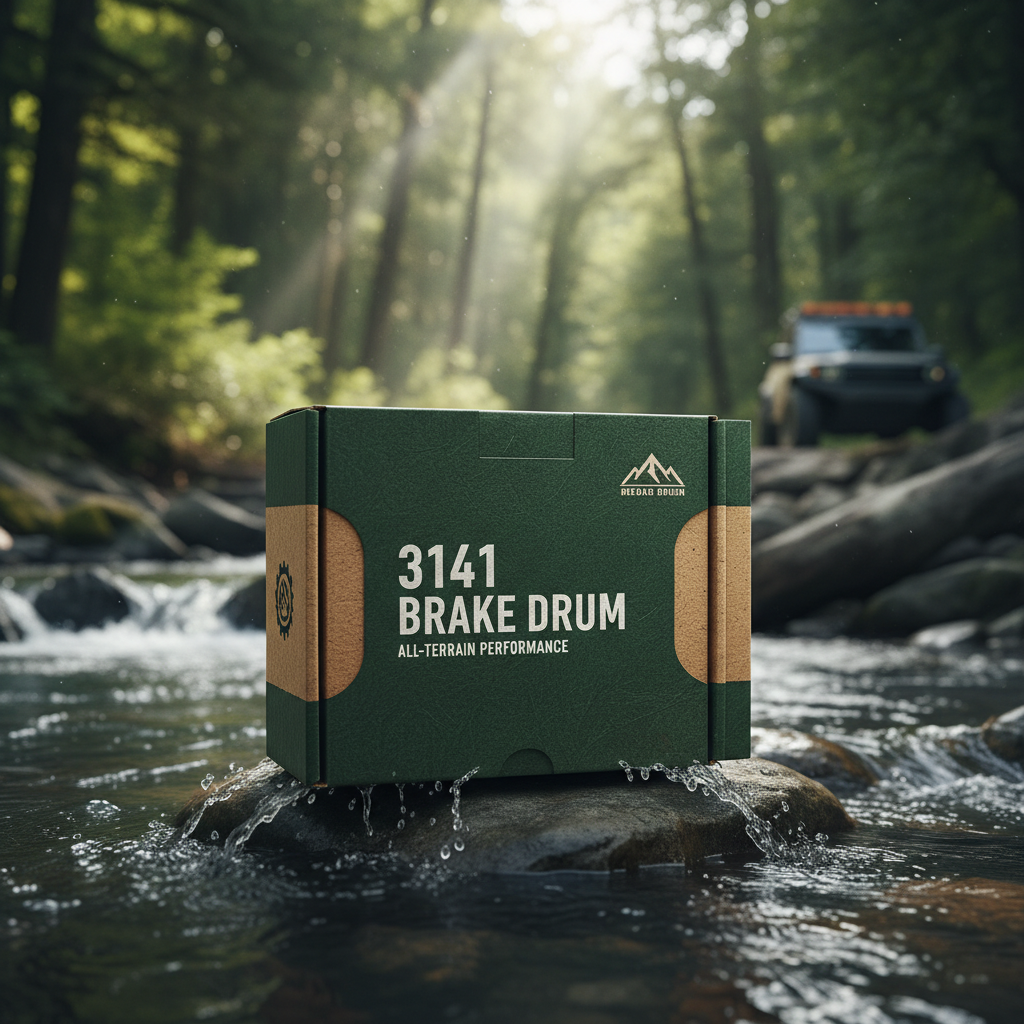
The drum brake is a critical component in countless vehicles and machinery worldwide, providing a reliable and cost-effective means of deceleration. Its robust design and relatively simple mechanics make it a staple in various industries, from automotive to industrial equipment. Understanding the principles of drum brakes, their advantages, and ongoing advancements is vital for engineers, technicians, and anyone involved in the design, maintenance, or operation of braking systems.
Globally, the demand for effective braking systems continues to rise, driven by increased vehicle production, stricter safety regulations, and the growing complexity of modern transportation. The drum brake, despite facing competition from disc brakes, remains a significant player in many applications, particularly in commercial vehicles, parking brakes, and certain segments of the passenger car market. Its continued relevance stems from its affordability and effectiveness in specific operating conditions.
The enduring importance of the drum brake isn’t merely a matter of historical inertia. Continuous refinement of materials, design, and manufacturing processes are extending its lifespan, improving its performance, and expanding its application scope. A clear understanding of this technology enables optimized maintenance, improved safety, and informed decision-making for a wide range of stakeholders.
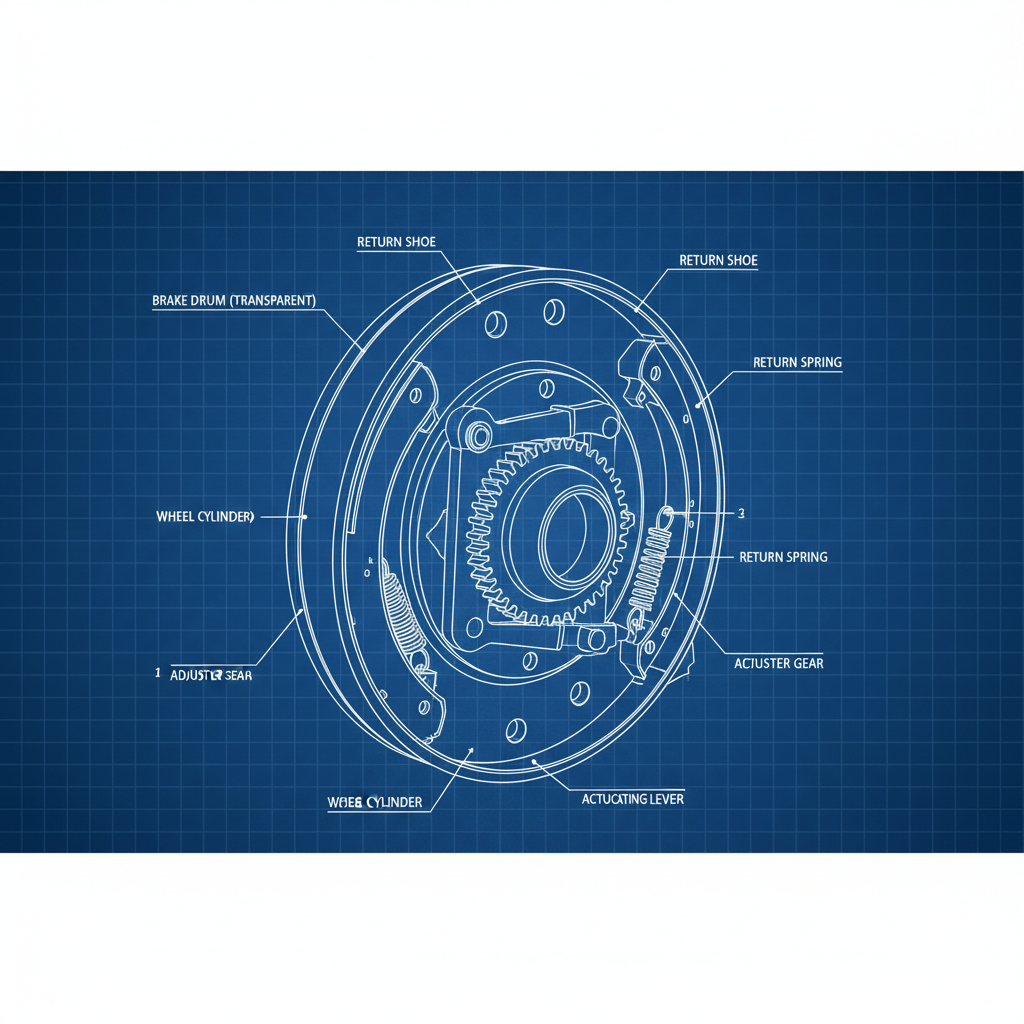
At its core, the drum brake operates on the principle of friction. When the brake pedal is depressed, a force is transmitted through a hydraulic system to push brake shoes against the inner surface of a rotating drum. This friction converts kinetic energy into thermal energy, slowing down or stopping the vehicle or machinery. The effectiveness of this process relies heavily on the materials used and the precision of the mechanical components.
Understanding the key components – the drum itself, the brake shoes, the wheel cylinder, and the return springs – is essential for comprehending how a drum brake functions. Each component plays a vital role in ensuring reliable and consistent braking performance. Proper maintenance and regular inspection of these parts are crucial for safe operation.
Drum brakes generally offer a lower cost of manufacturing and maintenance compared to disc brakes. They also exhibit a self-energizing effect, increasing braking force, and are less susceptible to damage from road debris. They are a reliable choice for applications where outright stopping power isn't the highest priority, such as parking brakes or rear axles of lighter vehicles.
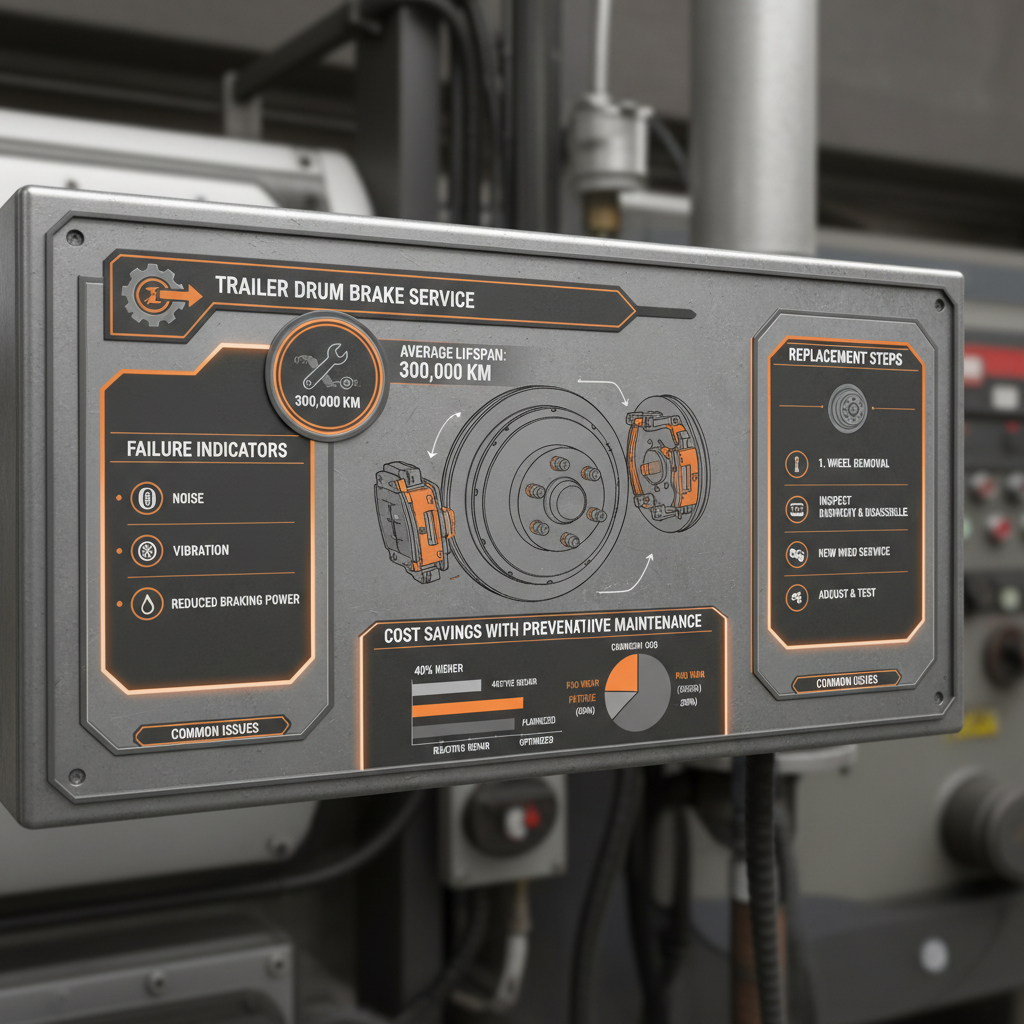
Regular inspection of drum brake components is crucial for safety and performance. Brake shoes should be inspected every 6,000-8,000 miles, or as recommended by your vehicle manufacturer. The drum itself should be checked for scoring or cracks, and the wheel cylinder for leaks. Preventative maintenance can significantly extend the life of your braking system.
Brake fade occurs when the brake shoes overheat due to repeated or prolonged braking. This reduces the friction coefficient between the shoes and the drum, diminishing braking power. Contributing factors include aggressive driving, heavy loads, and insufficient cooling. Using higher-quality friction materials can help mitigate brake fade.
While less susceptible to initial contamination than disc brakes, drum brakes can be affected by prolonged exposure to water and mud. Moisture can reduce the friction coefficient and cause corrosion. Regularly cleaning and maintaining the brake system is important to ensure optimal performance in challenging conditions.
The self-adjuster automatically compensates for brake shoe wear, maintaining proper brake pedal travel and ensuring consistent braking force. It prevents the shoes from becoming too far from the drum, which would reduce braking efficiency. A properly functioning self-adjuster is essential for reliable braking performance.
While technically possible, converting from disc brakes to drum brakes is generally not recommended. Disc brakes offer superior stopping power and heat dissipation. Such a conversion would likely compromise vehicle safety and may not be legal depending on local regulations. It's more practical to address issues with existing disc brakes than to downgrade to a less effective system.
In conclusion, the drum brake, despite its age, remains a relevant and valuable technology in various applications. Its inherent advantages in terms of cost, durability, and self-energizing effect continue to make it a compelling choice for specific needs. Ongoing innovations focused on material science and control systems are further extending its lifespan and enhancing its performance.
Looking ahead, continued research and development will be crucial to addressing the limitations of drum brakes and optimizing their integration with emerging technologies. Understanding the fundamental principles, advantages, and challenges associated with this braking system is essential for engineers, technicians, and anyone involved in vehicle maintenance and safety. Visit our website at www.jkxyihang.com to learn more about our drum brake solutions.

 Afrikaans
 Albanian
 Amharic
 Arabic
 Armenian
 Azerbaijani
 Basque
 Belarusian
 Bengali
 Bosnian
 Bulgarian
 Catalan
 Cebuano
 Corsican
 Croatian
 Czech
Czech
 Danish
 Dutch
Dutch
 Esperanto
 Estonian
 Finnish
 French
 Frisian
 Galician
 Georgian
 German
 Greek
Greek
 Gujarati
 Haitian Creole
 Hausa
Hausa
 Hawaiian
 Hebrew
 Hindi
Hindi
 Miao
Miao
 Hungarian
 Icelandic
 Igbo
Igbo
 Indonesian
 Irish
Irish
 Italian
 Japanese
 Javanese
 Kannada
 Kazakh
 Khmer
Khmer
 Rwandese
 Korean
 Kurdish
 Kyrgyz
 Lao
Lao
 Latin
Latin
 Latvian
 Lithuanian
 Luxembourgish
 Macedonian
 Malgashi
 Malay
Malay
 Malayalam
 Maltese
 Maori
Maori
 Marathi
 Mongolian
 Myanmar
 Nepali
 Norwegian
 Norwegian
 Occitan
 Pashto
 Persian
 Polish
 Portuguese
 Punjabi
 Romanian
 Russian
 Samoan
 Scottish Gaelic
 Serbian
 Sesotho
 Shona
Shona
 Sindhi
 Sinhala
 Slovak
 Slovenian
 Somali
 Spanish
 Sundanese
 Swahili
 Swedish
 Tagalog
 Tajik
Tajik
 Tamil
Tamil
 Tatar
Tatar
 Telugu
 Thai
Thai
 Turkish
 Turkmen
 Ukrainian
 Urdu
Urdu
 Uighur
 Uzbek
Uzbek
 Vietnamese
 Welsh
Welsh
 Bantu
Bantu
 Yiddish
 Yoruba
 Zulu
Zulu
 English