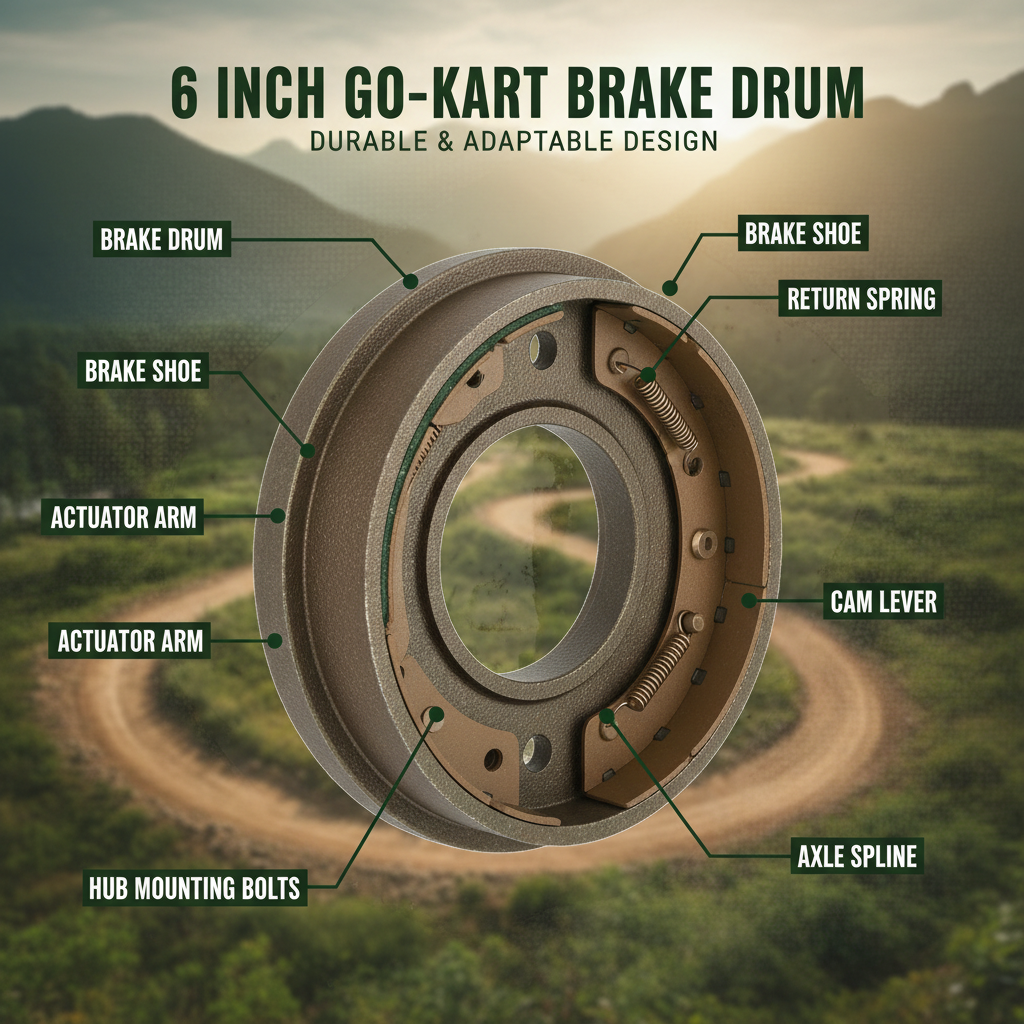
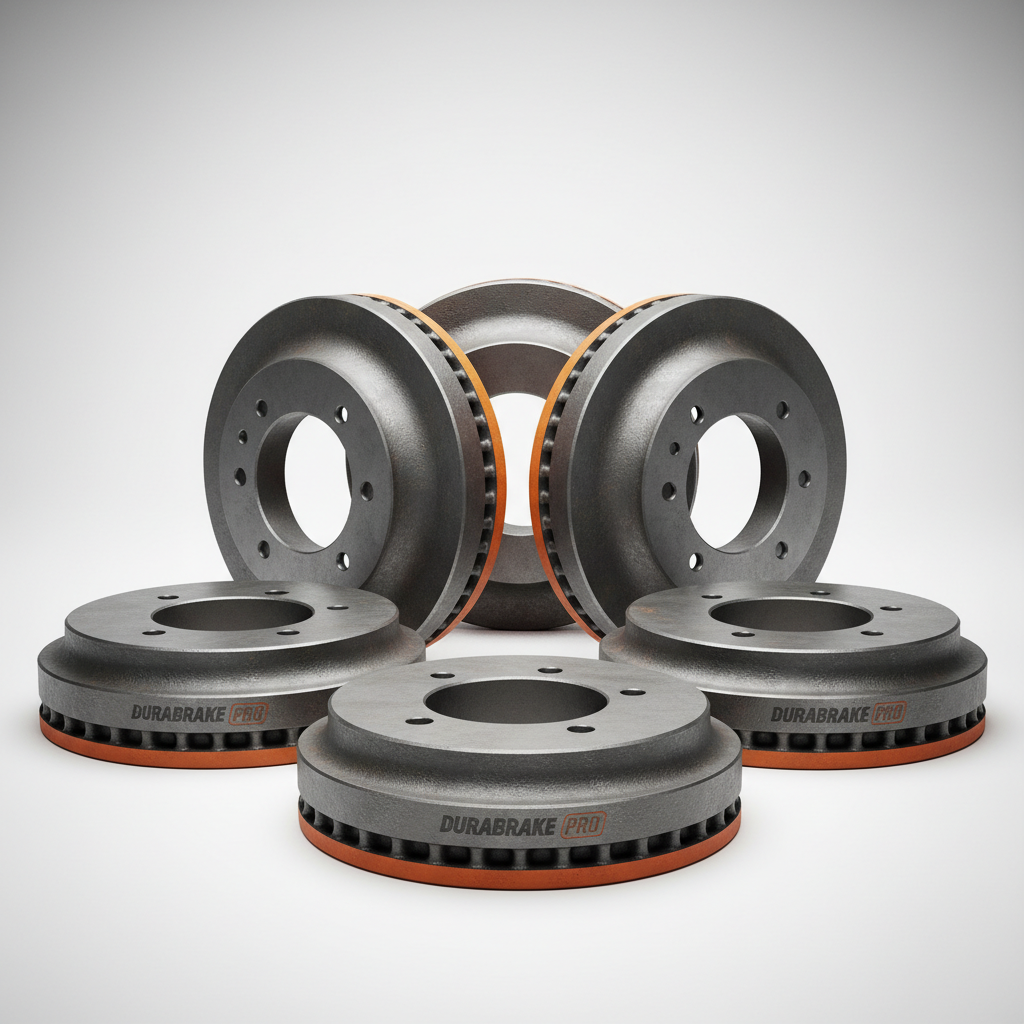
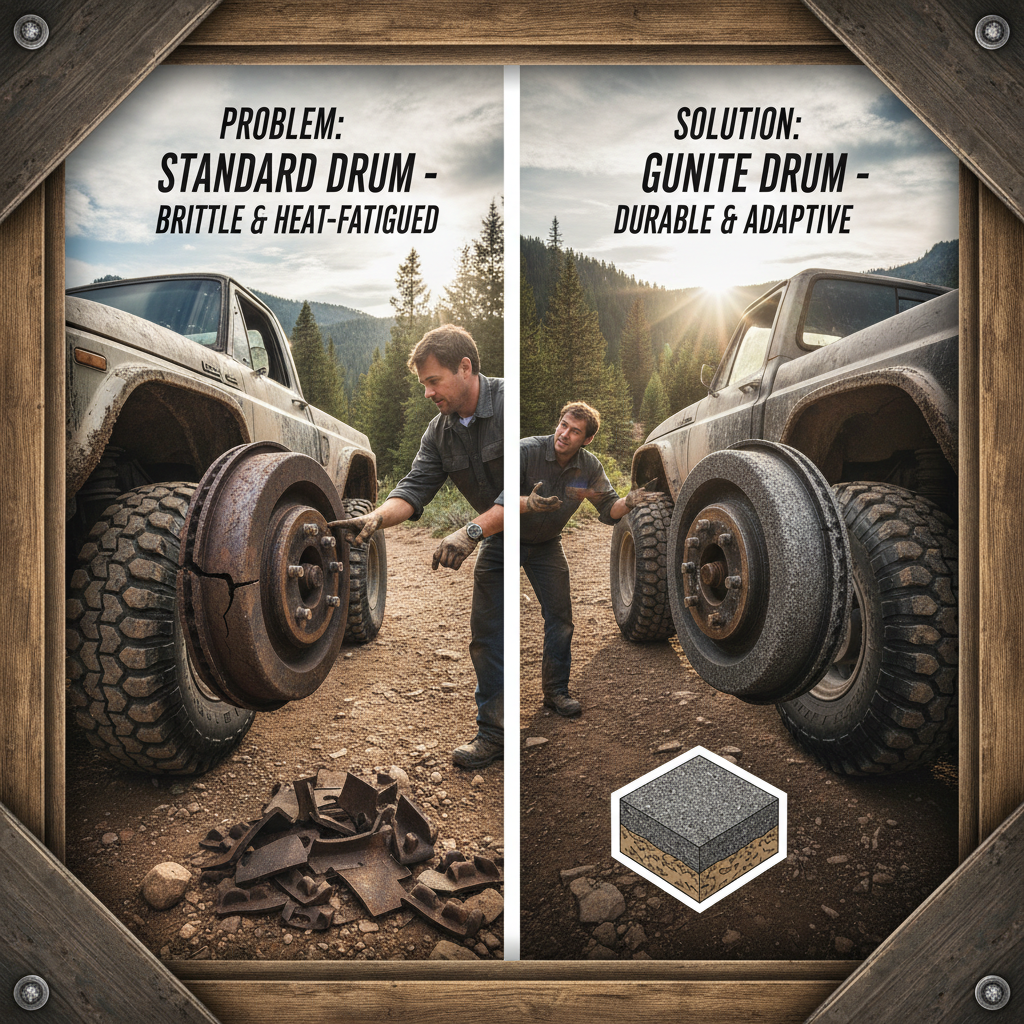
The brake drum on truck is a fundamental component of truck braking systems, essential for ensuring safe operation and preventing accidents. Its robust design and ability to dissipate heat generated during braking make it a critical safety feature in vehicles ranging from light-duty trucks to heavy-duty commercial vehicles. Understanding the principles, construction, and maintenance of the brake drum on truck is paramount for mechanics, fleet managers, and anyone involved in vehicle safety.
Globally, the demand for effective and reliable brake systems is driven by increasing road traffic, stricter safety regulations, and the growing size and weight of commercial trucks. The performance of the brake drum on truck directly impacts stopping distances and overall vehicle control, influencing accident rates and public safety. Technological advancements are continuously being made to improve brake drum materials, designs, and manufacturing processes, responding to the ever-increasing demands of the transportation industry.
Furthermore, the cost-effectiveness and durability of the brake drum on truck are vital considerations for fleet operators, particularly in industries like logistics, construction, and mining, where vehicles endure harsh operating conditions. Regular inspection and replacement of worn brake drums are crucial for maintaining optimal braking performance and minimizing the risk of costly repairs or accidents. The brake drum on truck, therefore, represents a confluence of engineering, safety, and economic factors.
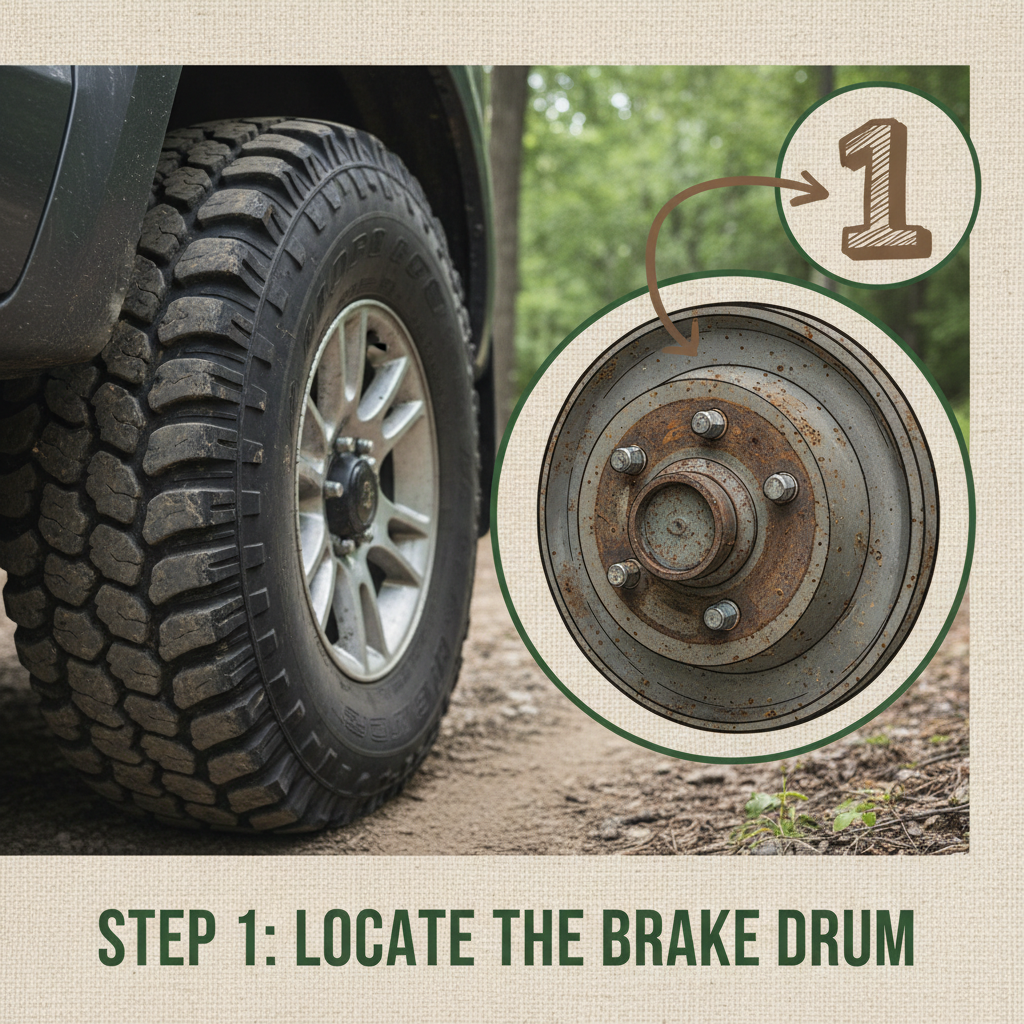
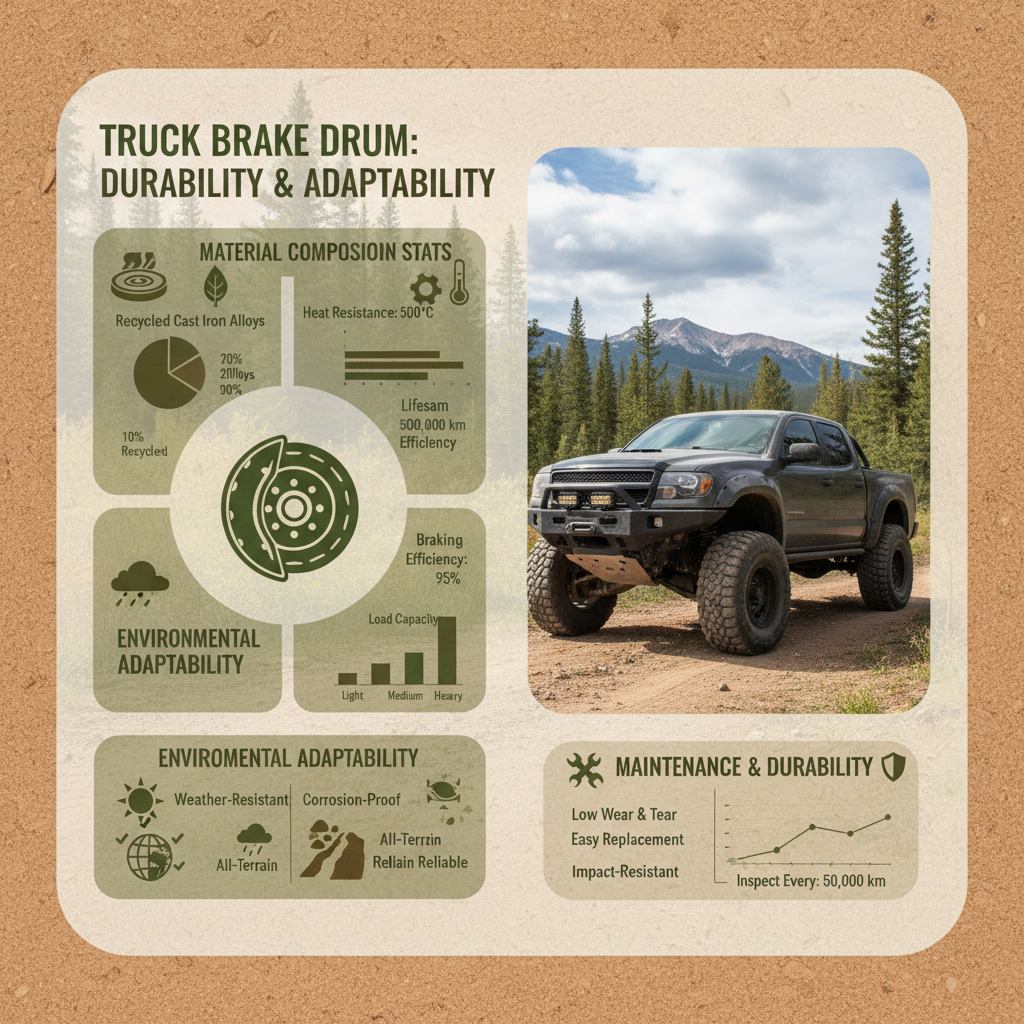
The primary function of the brake drum on truck is to provide a surface against which brake shoes or pads create friction, slowing or stopping the rotation of the wheel. This friction converts kinetic energy into thermal energy, which the brake drum must efficiently dissipate to prevent brake fade and maintain consistent stopping power. The overall effectiveness of a truck's braking system heavily relies on the condition and performance of its brake drums.
Modern brake drums are typically constructed from cast iron due to its excellent heat capacity and wear resistance. However, advancements in materials science are exploring the use of composite materials and alternative alloys to further enhance performance and reduce weight. The internal design of the brake drum also plays a crucial role, with features like fins and cooling channels designed to maximize heat dissipation.
The lifespan of a brake drum on truck varies greatly depending on driving conditions, load weight, and maintenance practices. However, a well-maintained brake drum typically lasts between 50,000 and 150,000 miles. Regular inspections for cracks, wear, and deformation are crucial for determining when replacement is necessary. Severe duty applications will shorten this lifespan considerably.
Common signs include deep grooves or scoring on the braking surface, visible cracks, warping or deformation, and excessive heat buildup during braking. Reduced braking performance, unusual noises (such as grinding or squealing), and vibrations are also indicators of a potential problem. Ignoring these signs can compromise safety.
Traditionally, brake drums on truck have been manufactured from cast iron due to its heat capacity and wear resistance. However, composite materials are gaining traction due to their lighter weight and improved thermal properties. Some drums also utilize steel alloys for enhanced durability. The choice of material depends on the specific application and performance requirements.
Proper maintenance is critically important. This includes regular inspections, cleaning, and resurfacing of the braking surface. Ensuring proper wheel alignment, lubricating brake components, and promptly addressing any signs of wear or damage will significantly extend the lifespan of the brake drum and maintain optimal braking performance. Neglecting maintenance can lead to costly repairs and safety hazards.
Yes, composite brake drums are increasingly becoming a viable alternative. They offer significant weight reduction, which improves fuel efficiency and reduces emissions. They also typically exhibit superior heat dissipation properties, reducing the risk of brake fade. While the initial cost may be higher, the long-term benefits can outweigh the investment.
Selecting the appropriate brake drum requires considering the truck's weight capacity, operating conditions, and intended use. Consulting with a qualified mechanic or brake system specialist is recommended to ensure compatibility and optimal performance. Factors like drum diameter, width, and material composition should be carefully evaluated.
In conclusion, the brake drum on truck is a crucial component of any truck’s braking system. From its fundamental role in converting kinetic energy into thermal energy to its material composition, longevity, and relevance to modern safety standards, a thorough understanding of brake drums is essential. Continuous innovation in materials and design, driven by the need for improved safety, efficiency, and sustainability, ensures its continued importance in the transportation industry.
Looking ahead, the integration of advanced technologies such as sensor-based monitoring and predictive maintenance will further enhance the performance and reliability of brake drums on truck. By embracing these advancements and prioritizing regular maintenance, fleet operators can maximize vehicle uptime, reduce costs, and ensure the safety of both drivers and the public. Visit our website at jkxyihang.com to learn more.

 Afrikaans
 Albanian
 Amharic
 Arabic
 Armenian
 Azerbaijani
 Basque
 Belarusian
 Bengali
 Bosnian
 Bulgarian
 Catalan
 Cebuano
 Corsican
 Croatian
 Czech
Czech
 Danish
 Dutch
Dutch
 Esperanto
 Estonian
 Finnish
 French
 Frisian
 Galician
 Georgian
 German
 Greek
Greek
 Gujarati
 Haitian Creole
 Hausa
Hausa
 Hawaiian
 Hebrew
 Hindi
Hindi
 Miao
Miao
 Hungarian
 Icelandic
 Igbo
Igbo
 Indonesian
 Irish
Irish
 Italian
 Japanese
 Javanese
 Kannada
 Kazakh
 Khmer
Khmer
 Rwandese
 Korean
 Kurdish
 Kyrgyz
 Lao
Lao
 Latin
Latin
 Latvian
 Lithuanian
 Luxembourgish
 Macedonian
 Malgashi
 Malay
Malay
 Malayalam
 Maltese
 Maori
Maori
 Marathi
 Mongolian
 Myanmar
 Nepali
 Norwegian
 Norwegian
 Occitan
 Pashto
 Persian
 Polish
 Portuguese
 Punjabi
 Romanian
 Russian
 Samoan
 Scottish Gaelic
 Serbian
 Sesotho
 Shona
Shona
 Sindhi
 Sinhala
 Slovak
 Slovenian
 Somali
 Spanish
 Sundanese
 Swahili
 Swedish
 Tagalog
 Tajik
Tajik
 Tamil
Tamil
 Tatar
Tatar
 Telugu
 Thai
Thai
 Turkish
 Turkmen
 Ukrainian
 Urdu
Urdu
 Uighur
 Uzbek
Uzbek
 Vietnamese
 Welsh
Welsh
 Bantu
Bantu
 Yiddish
 Yoruba
 Zulu
Zulu
 English