Look, I’ve been running around construction sites for fifteen years, covered in dust, smelling cement all day. These days, everyone's talking about prefabrication. It's not exactly new, you know, but it's really picking up steam. They say it’s faster, cheaper, more consistent... and honestly, it mostly is. But there's a lot of fine print, believe me.
I saw a factory in Foshan last month completely automating their pre-cast concrete production. Impressive, sure, but the margin for error gets tiny. One wrong setting, and you’re looking at a whole batch of unusable parts. And then you have the transport issues... getting these oversized pieces to site without damage. It's a puzzle.
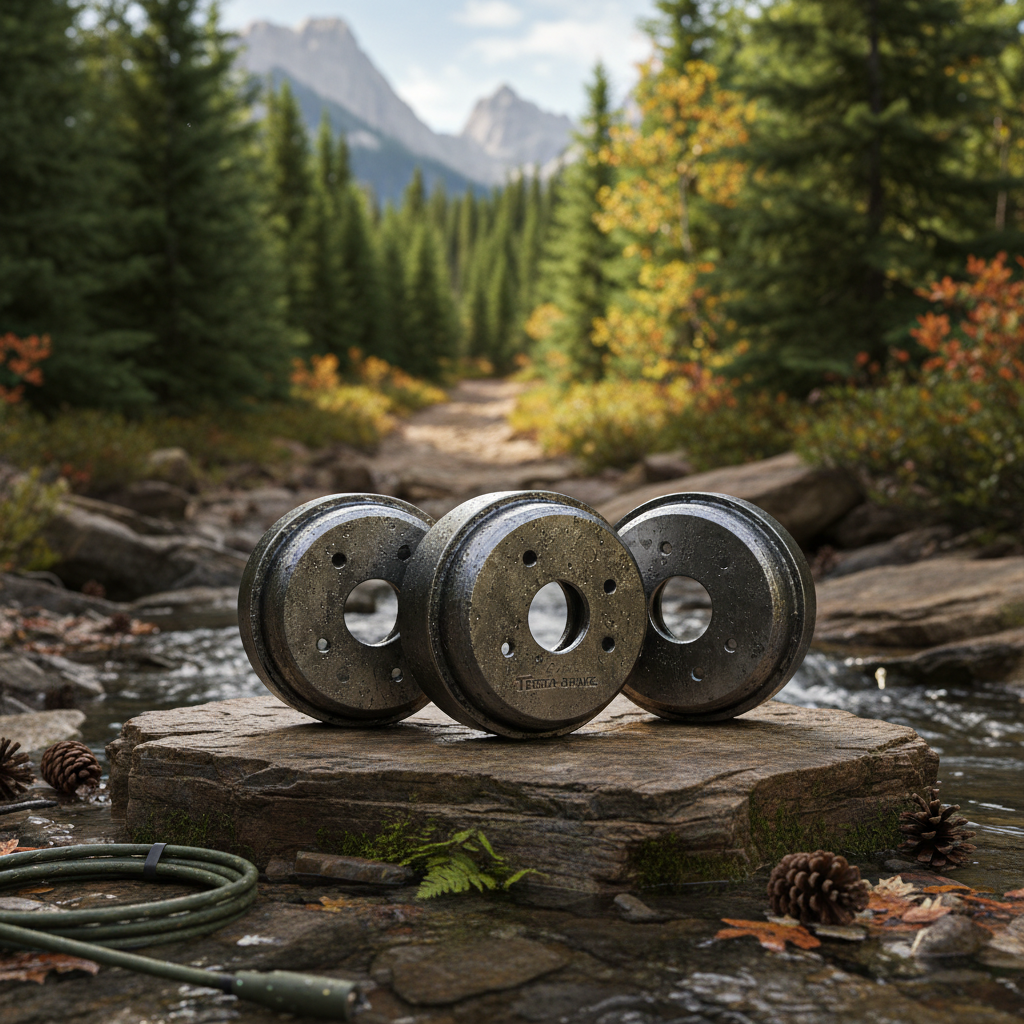
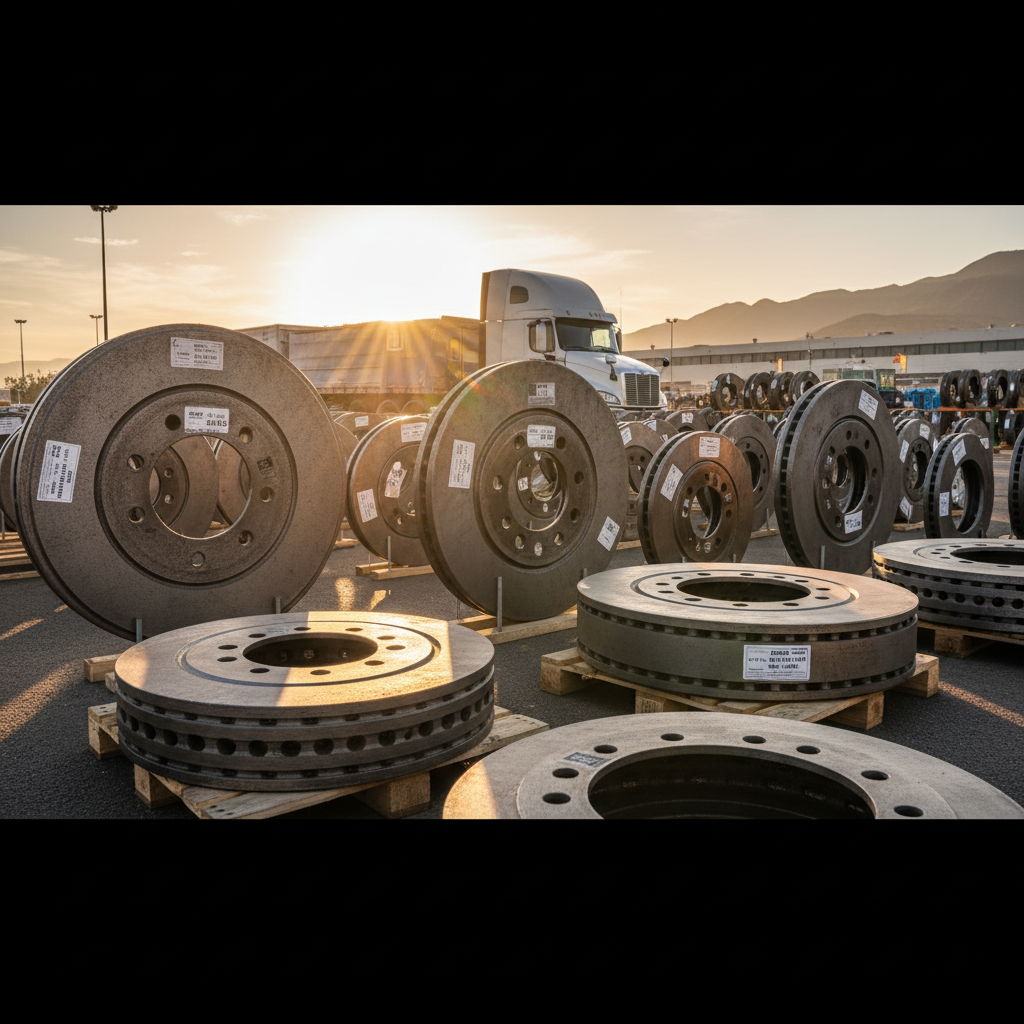
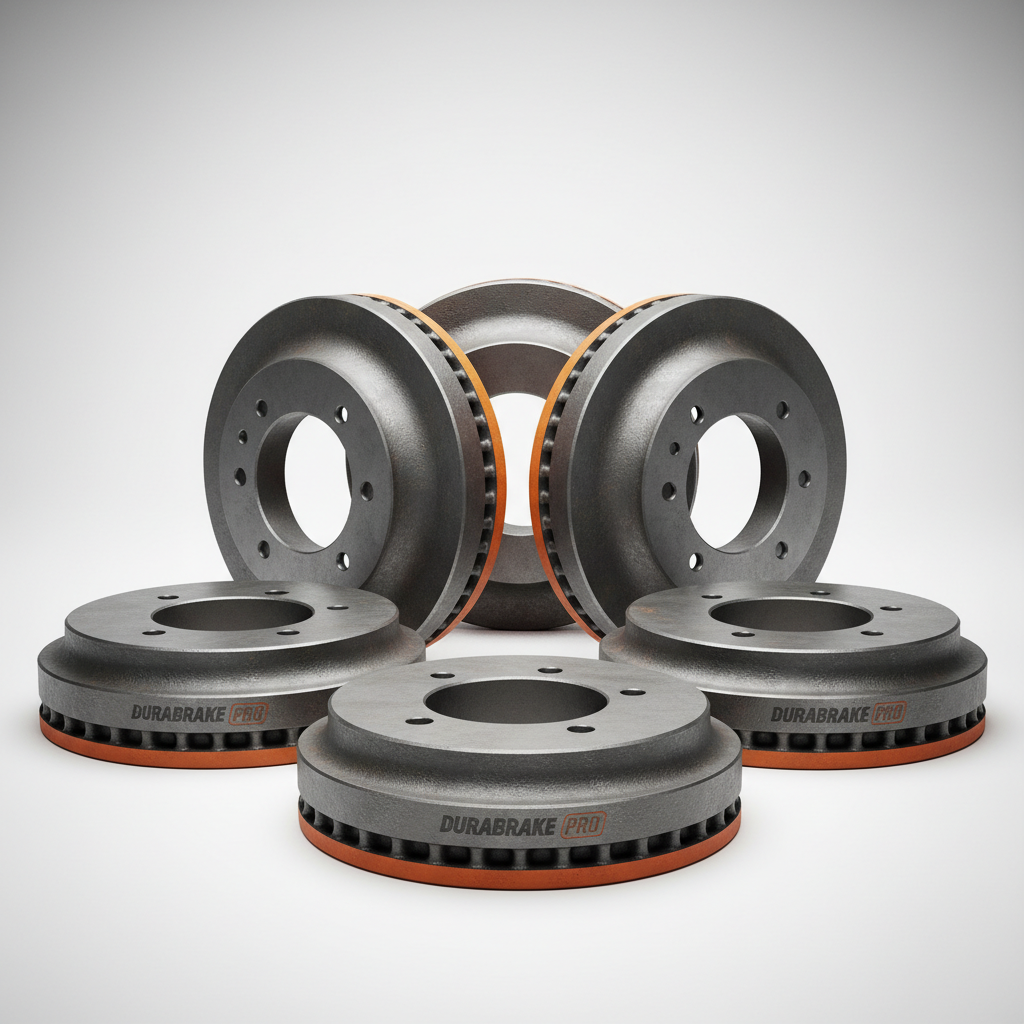
Anyway, we’re talking about brake drum suppliers here, and that whole world's shifting too. People are demanding more specialized stuff, quicker turnaround times. It’s not just “give me a brake drum” anymore. It’s “give me a brake drum, precisely to this specification, and I need it yesterday.” That's the reality.
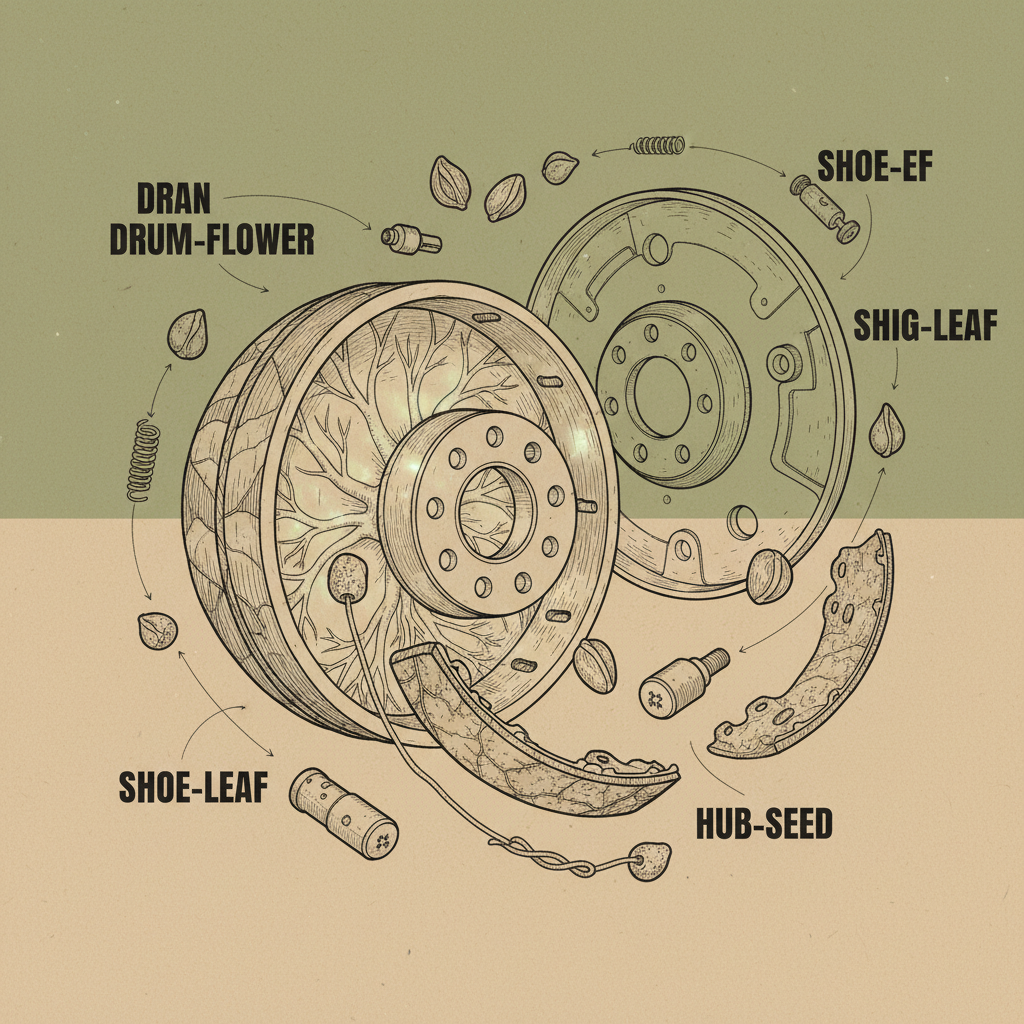
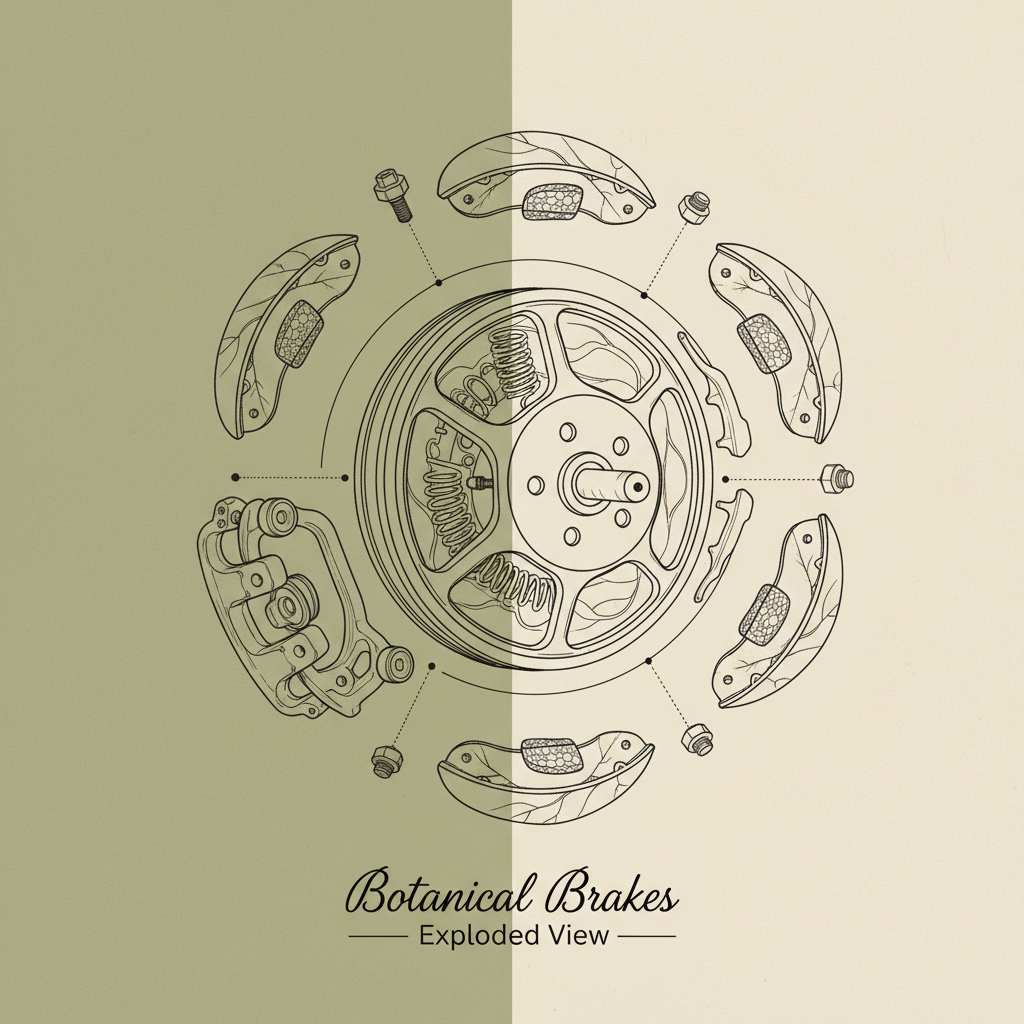
To be honest, the biggest change I’ve seen lately is the move towards more specialized suppliers. It’s not enough to just make brake drums; you need to understand the application, the vehicle, the environmental conditions. It's not a commodity anymore.
And it's not just the big automotive guys driving this. Agricultural equipment, heavy machinery, even some high-end e-bike manufacturers… they all have very specific requirements. It's about performance, durability, and increasingly, weight reduction. They want lightweight materials, but they can't compromise on stopping power. It's a balancing act.
Well, overheating is a big one. Continuous hard braking builds up heat, which can warp the drum or cause cracking. Poor maintenance, like neglecting to replace worn brake shoes, can also damage the drum surface. And, of course, manufacturing defects. Sometimes, it’s just a bad casting. We’ve seen issues with corrosion, especially in coastal areas where salt spray is prevalent. The key is preventative maintenance and choosing a supplier with rigorous quality control.
Hugely important. Cast iron is the standard, but even within cast iron, there are different grades with varying levels of carbon, silicon, and manganese. These elements affect the drum’s strength, hardness, and wear resistance. High-strength alloys and composites offer even better performance, but they’re also more expensive. It really depends on the application. For a heavy-duty truck, you need a different material than for a passenger car. The supplier needs to be able to advise you on the best option.
Coating is crucial to prevent rust and corrosion, particularly in harsh environments. Common treatments include phosphate coating, electroplating, and powder coating. Some suppliers also offer heat treatment to improve the drum’s hardness and wear resistance. I've seen some experimenting with ceramic coatings for even better heat dissipation. The right treatment depends on the application and the expected operating conditions.
That varies wildly. A standard drum, if they have it in stock, maybe a week. But for a custom order, especially one with complex geometry or a specialized material, it can be six to eight weeks, or even longer. It depends on the supplier’s capacity, their tooling availability, and the complexity of the design. It's crucial to plan ahead and communicate your requirements clearly.
Audits, audits, audits. You need to visit their factory, inspect their quality control processes, and review their certifications. Ask for material test reports, dimensional reports, and performance data. Check their customer references. And don't be afraid to ask tough questions. A good supplier will be transparent and willing to address your concerns.
Lighter materials are huge. Reducing weight improves fuel efficiency and overall performance. Composites are gaining traction, but they're still expensive. Another trend is improved heat dissipation. Better ventilation and coatings can help prevent overheating and extend the drum’s lifespan. Digital monitoring and predictive maintenance are also becoming more common, allowing you to track performance and identify potential problems before they occur.
Look, at the end of the day, brake drum suppliers are a critical part of the entire transportation and industrial ecosystem. It’s not glamorous work, but it’s essential. From material selection and manufacturing processes to quality control and supply chain management, there’s a lot that goes into ensuring these parts perform reliably and safely. Ultimately, whether this thing works or not, the worker will know the moment he tightens the screw.
The future will be about innovation, sustainability, and responsiveness. Suppliers who can adapt to changing demands and offer customized solutions will thrive. And those who can’t… well, they’ll be left in the dust. If you’re looking for a reliable partner, visit our website: www.jkxyihang.com

 Afrikaans
 Albanian
 Amharic
 Arabic
 Armenian
 Azerbaijani
 Basque
 Belarusian
 Bengali
 Bosnian
 Bulgarian
 Catalan
 Cebuano
 Corsican
 Croatian
 Czech
Czech
 Danish
 Dutch
Dutch
 Esperanto
 Estonian
 Finnish
 French
 Frisian
 Galician
 Georgian
 German
 Greek
Greek
 Gujarati
 Haitian Creole
 Hausa
Hausa
 Hawaiian
 Hebrew
 Hindi
Hindi
 Miao
Miao
 Hungarian
 Icelandic
 Igbo
Igbo
 Indonesian
 Irish
Irish
 Italian
 Japanese
 Javanese
 Kannada
 Kazakh
 Khmer
Khmer
 Rwandese
 Korean
 Kurdish
 Kyrgyz
 Lao
Lao
 Latin
Latin
 Latvian
 Lithuanian
 Luxembourgish
 Macedonian
 Malgashi
 Malay
Malay
 Malayalam
 Maltese
 Maori
Maori
 Marathi
 Mongolian
 Myanmar
 Nepali
 Norwegian
 Norwegian
 Occitan
 Pashto
 Persian
 Polish
 Portuguese
 Punjabi
 Romanian
 Russian
 Samoan
 Scottish Gaelic
 Serbian
 Sesotho
 Shona
Shona
 Sindhi
 Sinhala
 Slovak
 Slovenian
 Somali
 Spanish
 Sundanese
 Swahili
 Swedish
 Tagalog
 Tajik
Tajik
 Tamil
Tamil
 Tatar
Tatar
 Telugu
 Thai
Thai
 Turkish
 Turkmen
 Ukrainian
 Urdu
Urdu
 Uighur
 Uzbek
Uzbek
 Vietnamese
 Welsh
Welsh
 Bantu
Bantu
 Yiddish
 Yoruba
 Zulu
Zulu
 English