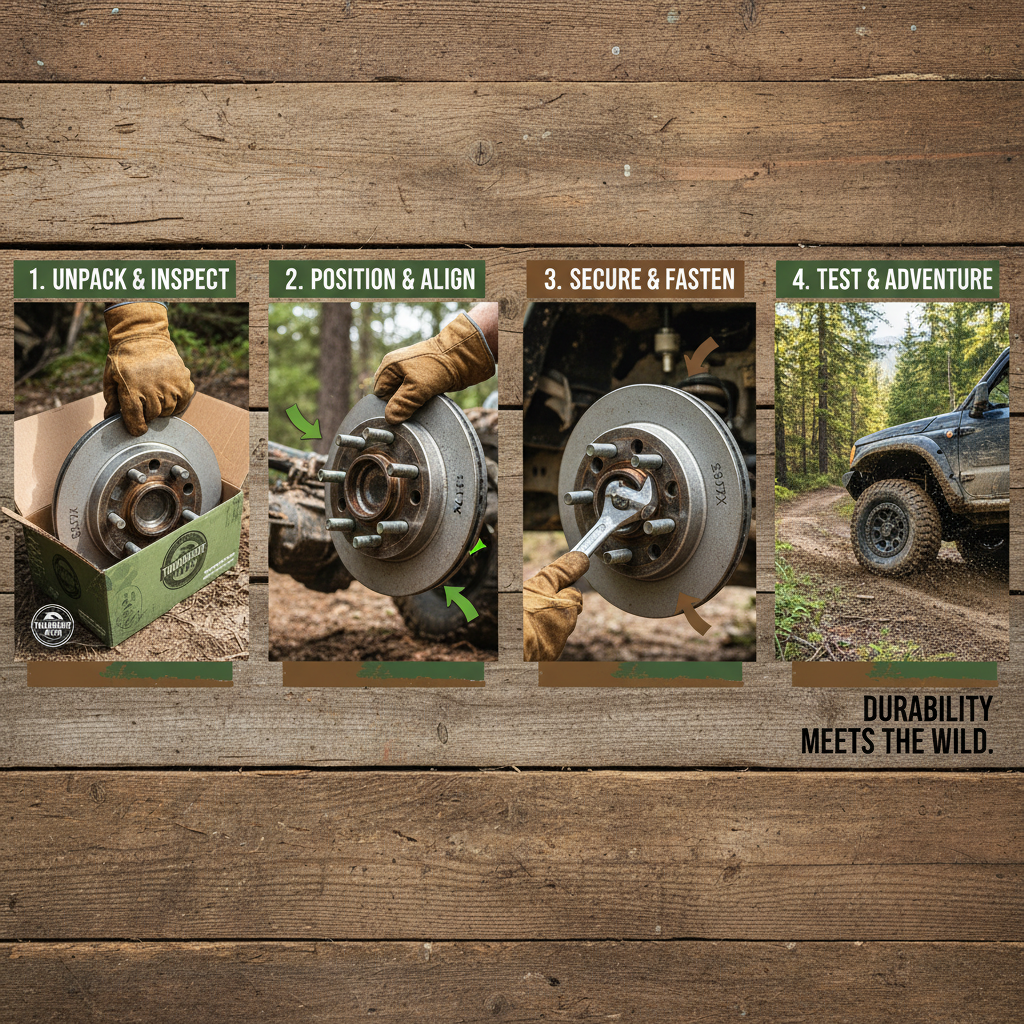
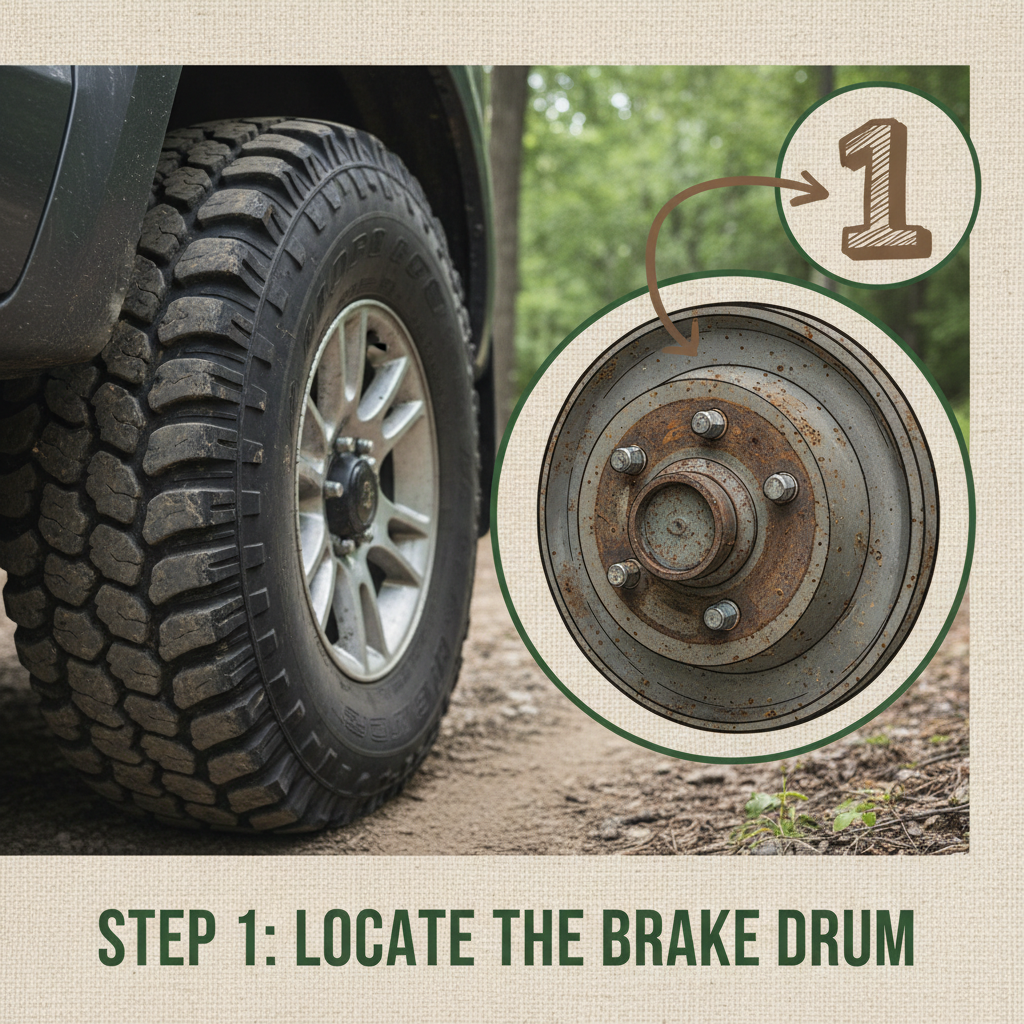
The 3166 brake drum is a critical component in heavy-duty braking systems, particularly prevalent in industrial machinery, construction equipment, and commercial vehicles. Its robust design and reliable performance are essential for ensuring operational safety and efficiency across various sectors. Understanding the nuances of 3166 brake drum construction, materials, and application is vital for maintenance professionals, engineers, and procurement specialists alike. A well-maintained 3166 brake drum translates directly into reduced downtime, lower repair costs, and enhanced safety protocols.
Globally, the demand for high-quality brake drums, including the 3166 variant, is steadily increasing, driven by the growth of infrastructure projects, manufacturing output, and transportation industries. Factors like stringent safety regulations and the need for durable, long-lasting components contribute significantly to this demand. The market is characterized by a blend of established manufacturers and emerging players, all striving to innovate and meet the evolving needs of their customer base. Addressing issues like wear resistance, heat dissipation, and corrosion is central to ongoing product development.
Essentially, a 3166 brake drum functions by providing a surface against which brake shoes or pads press to create friction, slowing or stopping the rotation of a wheel or shaft. This process converts kinetic energy into thermal energy, which is then dissipated into the atmosphere. The '3166' designation typically refers to a specific size and design, often tailored for particular applications. The efficient and reliable operation of the 3166 brake drum is paramount for the safe and effective functioning of any system it's incorporated into.

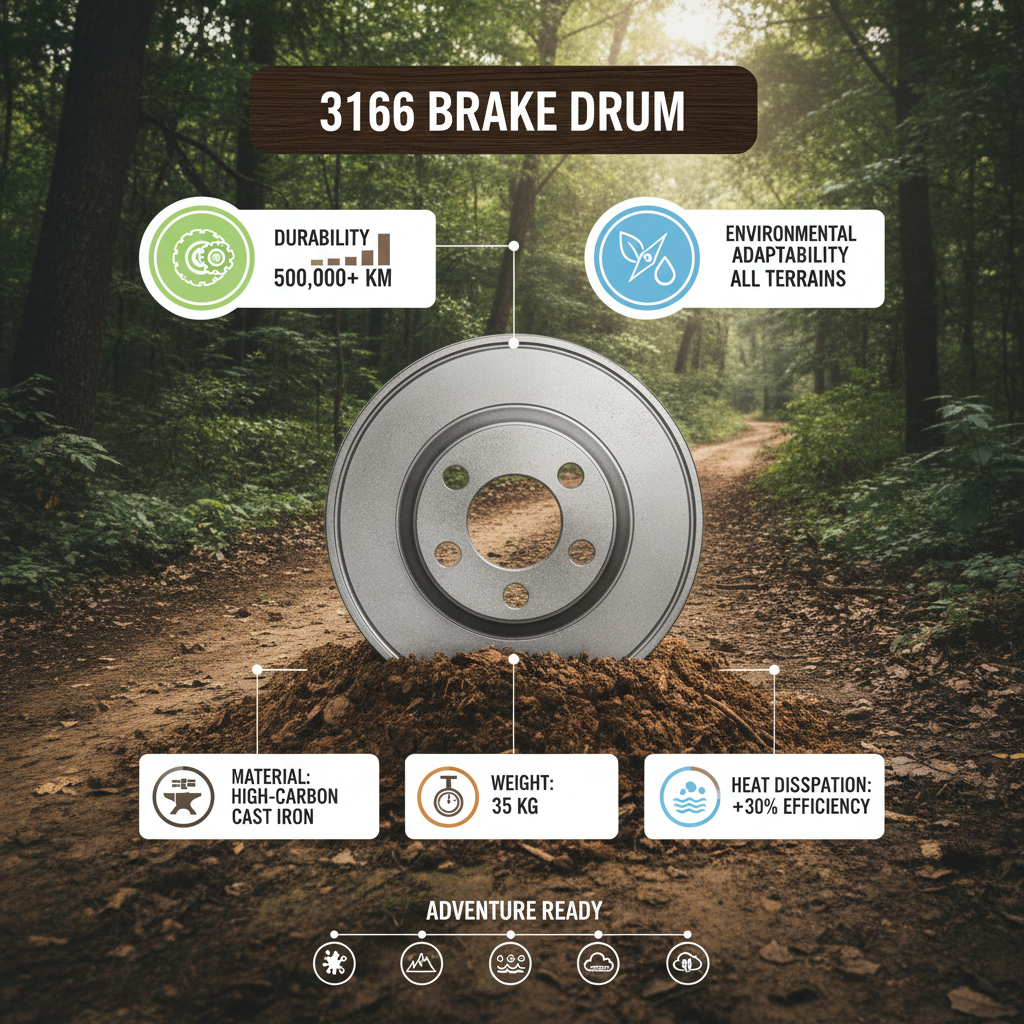
The 3166 brake drum plays a fundamental role in ensuring the safety and operational efficiency of a wide range of machinery. Its primary function is to provide a reliable braking surface, enabling precise control and preventing runaway situations. In heavy-duty applications, where loads are substantial and stopping distances are critical, the performance of the brake drum directly impacts the safety of personnel and the integrity of the equipment.
Furthermore, the 3166 brake drum contributes significantly to reducing maintenance costs and downtime. A durable, high-quality drum can withstand repeated use and harsh operating conditions, minimizing the need for frequent replacements. Selecting the right 3166 brake drum, tailored to the specific application, is key to maximizing its lifespan and optimizing overall system performance.
The lifespan of a 3166 brake drum varies considerably based on operating conditions, load frequency, and maintenance practices. However, a well-maintained drum typically lasts between 50,000 to 150,000 miles in standard heavy-duty applications. Regular inspections for wear, cracks, and deformation are crucial for maximizing lifespan and preventing premature failures. Factors like aggressive braking habits and exposure to corrosive environments can significantly shorten the drum’s service life.
Several indicators suggest a 3166 brake drum requires replacement. These include excessive wear, indicated by thickness measurements falling below the manufacturer’s minimum specification. Visible cracks, scoring, or deformation on the braking surface are also critical warning signs. Additionally, pulsating brake pedal feel, unusual noises during braking, or a significant decrease in braking efficiency can indicate a failing drum. Ignoring these symptoms can compromise safety and lead to more costly repairs.
Material composition profoundly impacts the performance of a 3166 brake drum. Gray cast iron offers excellent heat dissipation but can be prone to cracking. Ductile iron provides improved strength and wear resistance, making it suitable for demanding applications. Composite materials, while lighter, often come with a higher cost and require careful consideration of their thermal properties. The optimal material choice depends on the specific operating conditions and performance requirements.
Regular inspection is key to 3166 brake drum maintenance. This includes visually checking for cracks, scoring, and wear, as well as measuring drum thickness. Keep the braking system clean and free of debris, and ensure proper lubrication of rotating components. Avoid harsh braking practices and address any unusual noises or vibrations promptly. Following the manufacturer's recommended maintenance schedule is crucial for extending the drum's lifespan and ensuring optimal performance.
In some cases, minor damage to a 3166 brake drum can be addressed through machining or resurfacing. However, this is only feasible if the drum still meets the minimum thickness specifications after machining. It's crucial to have a qualified technician assess the damage and determine if resurfacing is a viable option. Often, replacing the drum is the most cost-effective solution in the long run, ensuring reliable performance and safety.
Environmental factors significantly influence the lifespan of a 3166 brake drum. Exposure to corrosive elements, like salt and moisture, accelerates corrosion and weakens the material. Operating in dusty or abrasive environments increases wear and tear on the braking surface. Extreme temperatures can also affect the drum's performance and durability. Selecting materials and coatings that are resistant to these environmental factors is crucial for maximizing lifespan.
The 3166 brake drum remains a critical component in a vast array of industrial and commercial applications, providing essential braking power and ensuring operational safety. Understanding its specifications, materials, performance metrics, and future trends is paramount for engineers, maintenance professionals, and procurement specialists. Investing in high-quality drums and implementing proper maintenance practices translates into reduced downtime, lower costs, and improved overall efficiency.
As technology continues to evolve, we can anticipate further innovations in brake drum design and materials, leading to lighter, more durable, and more sustainable solutions. Embracing these advancements and proactively addressing the challenges associated with wear, heat dissipation, and environmental factors will be crucial for optimizing braking performance and ensuring the long-term reliability of systems utilizing the 3166 brake drum. For comprehensive solutions and a wide range of 3166 brake drum options, visit our website: 3166 brake drum.

 Afrikaans
 Albanian
 Amharic
 Arabic
 Armenian
 Azerbaijani
 Basque
 Belarusian
 Bengali
 Bosnian
 Bulgarian
 Catalan
 Cebuano
 Corsican
 Croatian
 Czech
Czech
 Danish
 Dutch
Dutch
 Esperanto
 Estonian
 Finnish
 French
 Frisian
 Galician
 Georgian
 German
 Greek
Greek
 Gujarati
 Haitian Creole
 Hausa
Hausa
 Hawaiian
 Hebrew
 Hindi
Hindi
 Miao
Miao
 Hungarian
 Icelandic
 Igbo
Igbo
 Indonesian
 Irish
Irish
 Italian
 Japanese
 Javanese
 Kannada
 Kazakh
 Khmer
Khmer
 Rwandese
 Korean
 Kurdish
 Kyrgyz
 Lao
Lao
 Latin
Latin
 Latvian
 Lithuanian
 Luxembourgish
 Macedonian
 Malgashi
 Malay
Malay
 Malayalam
 Maltese
 Maori
Maori
 Marathi
 Mongolian
 Myanmar
 Nepali
 Norwegian
 Norwegian
 Occitan
 Pashto
 Persian
 Polish
 Portuguese
 Punjabi
 Romanian
 Russian
 Samoan
 Scottish Gaelic
 Serbian
 Sesotho
 Shona
Shona
 Sindhi
 Sinhala
 Slovak
 Slovenian
 Somali
 Spanish
 Sundanese
 Swahili
 Swedish
 Tagalog
 Tajik
Tajik
 Tamil
Tamil
 Tatar
Tatar
 Telugu
 Thai
Thai
 Turkish
 Turkmen
 Ukrainian
 Urdu
Urdu
 Uighur
 Uzbek
Uzbek
 Vietnamese
 Welsh
Welsh
 Bantu
Bantu
 Yiddish
 Yoruba
 Zulu
Zulu
 English