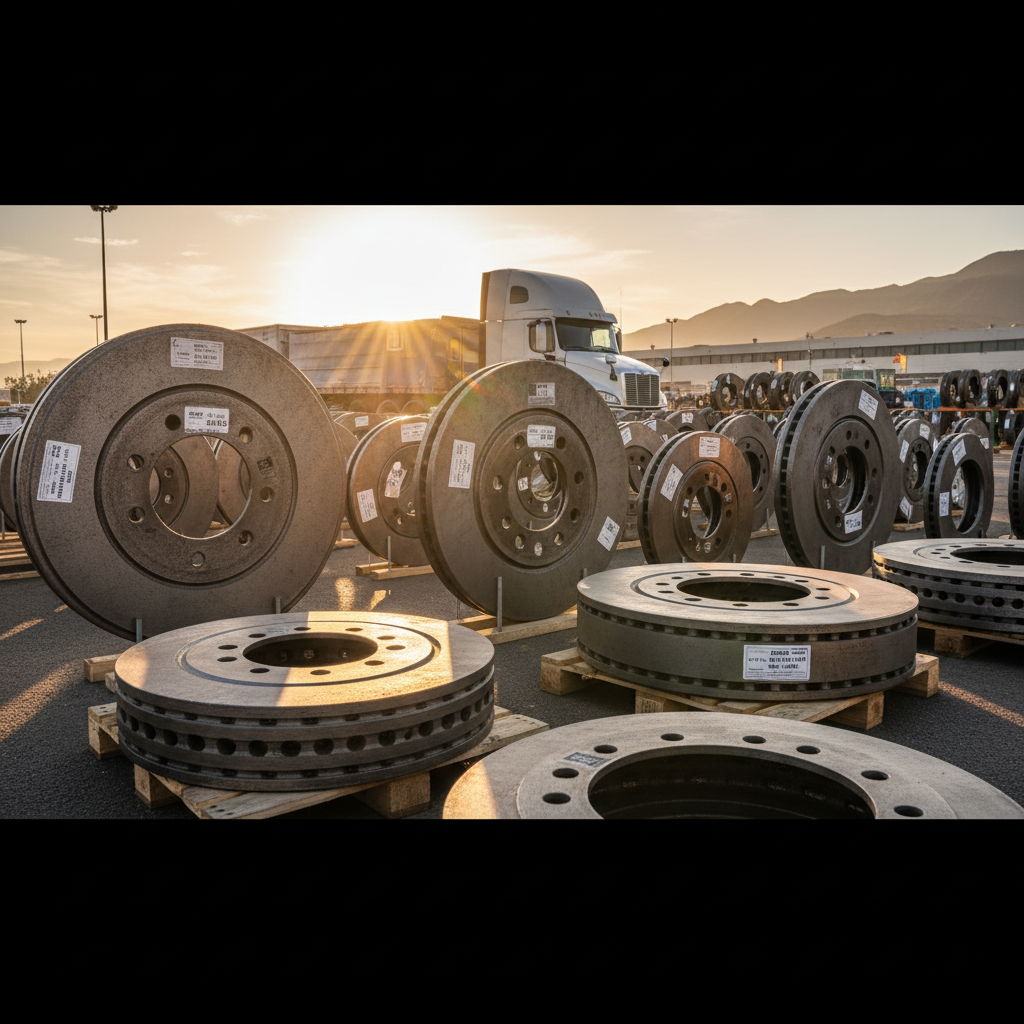
The 3721a brake drum serves as a critical component in heavy-duty braking systems, where precision engineering meets the relentless demands of industrial friction and heat dissipation. In the global landscape of metal tool manufacturing, the quality of such a component directly influences the operational safety and longevity of transport and machinery, making its selection a priority for procurement managers and engineers alike.
Understanding the technical nuances of the 3721a brake drum is essential for reducing downtime and ensuring compliance with international safety standards. By optimizing the metallurgy and casting process of these drums, manufacturers can significantly lower the risk of thermal cracking and uneven wear, which are common pitfalls in high-stress braking environments.
Ultimately, investing in a high-grade 3721a brake drum provides a balance between cost-efficiency and uncompromising reliability. Whether applied in logistical fleets or specialized industrial equipment, the right brake drum ensures that deceleration is predictable, consistent, and safe, thereby safeguarding both human operators and expensive capital assets.
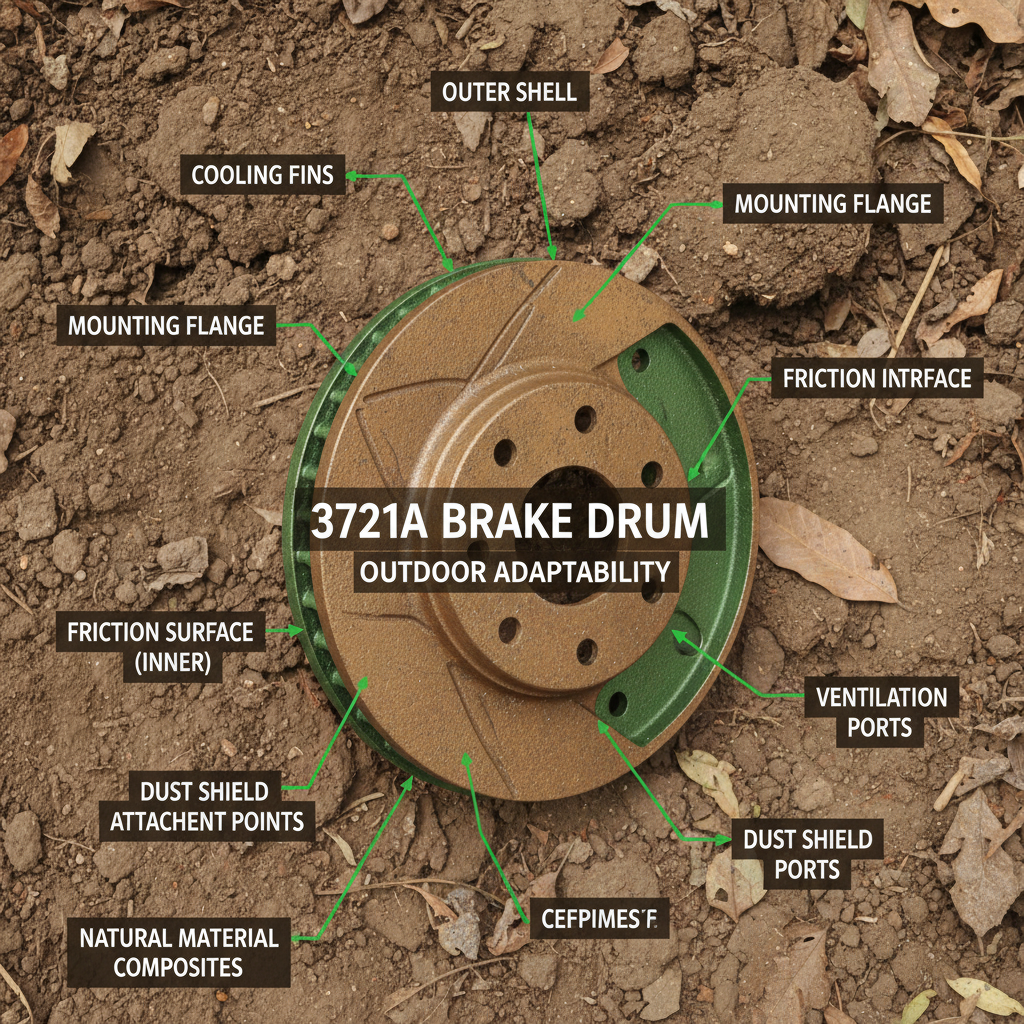

In the contemporary industrial sector, the demand for high-performance braking components has surged as global logistics networks expand. The 3721a brake drum stands at the intersection of this growth, serving as a benchmark for reliability in the metal tool and parts manufacturing industry. Adhering to ISO quality standards, the production of these drums reflects a global commitment to reducing road and industrial accidents.
Statistically, brake failure remains a leading cause of operational downtime in heavy machinery. By implementing precision-engineered 3721a brake drums, companies can reduce maintenance cycles by up to 15%, ensuring that fleets remain active and productive. The integration of advanced alloys has allowed these components to withstand extreme temperature fluctuations, making them indispensable for operations in diverse climates, from Arctic logistics to tropical mining zones.
The 3721a brake drum is specifically engineered for heavy-duty industrial applications. Unlike standard drums, it features reinforced wall thickness and specialized heat-treatment processes to prevent warping under extreme loads, ensuring superior thermal stability and a longer service life in demanding environments.
Inspection frequency depends on the environment. For urban use, every 6-12 months is standard. However, for mining or heavy construction, we recommend a detailed inspection every 3 months to check for scoring, cracks, or diameter expansion to ensure the safety of the braking system.
Yes, as long as the remaining wall thickness stays within the manufacturer's safety specifications. Professional machining can remove surface glazing or minor scoring, restoring a smooth contact surface for the brake shoes and extending the drum's usable life.
The most common causes are excessive heat buildup (leading to thermal cracking) and the use of low-quality brake shoes that create uneven friction. Additionally, contamination from corrosive chemicals or salt in coastal areas can degrade the metal if the drum is not properly coated.
The 3721a is designed for a specific range of axle configurations and load capacities. It is crucial to verify the dimensional specifications and mounting patterns against your vehicle's catalog to ensure a perfect fit and optimal braking performance.
Genuine drums typically feature clear batch markings, a consistent surface finish without casting voids, and a precise weight that aligns with technical specs. We recommend sourcing from certified manufacturers like those found at www.jkxyihang.com to guarantee material integrity.
In summary, the 3721a brake drum represents a critical synergy of metallurgical science and practical mechanical engineering. By addressing the core challenges of heat dissipation, wear resistance, and structural concentricity, this component ensures that heavy-duty machinery can operate safely and efficiently across the globe's most challenging terrains. From reducing operational downtime to enhancing overall fleet safety, the value of a precision-engineered drum is evident in every stop.
Looking forward, the integration of smart sensors and sustainable alloys will continue to elevate the 3721a brake drum from a passive component to an active safety system. For operators and procurement managers, the priority should remain on sourcing high-quality, certified parts to ensure long-term reliability and compliance. To explore our full range of high-performance braking solutions, visit our website: www.jkxyihang.com.

 Afrikaans
 Albanian
 Amharic
 Arabic
 Armenian
 Azerbaijani
 Basque
 Belarusian
 Bengali
 Bosnian
 Bulgarian
 Catalan
 Cebuano
 Corsican
 Croatian
 Czech
Czech
 Danish
 Dutch
Dutch
 Esperanto
 Estonian
 Finnish
 French
 Frisian
 Galician
 Georgian
 German
 Greek
Greek
 Gujarati
 Haitian Creole
 Hausa
Hausa
 Hawaiian
 Hebrew
 Hindi
Hindi
 Miao
Miao
 Hungarian
 Icelandic
 Igbo
Igbo
 Indonesian
 Irish
Irish
 Italian
 Japanese
 Javanese
 Kannada
 Kazakh
 Khmer
Khmer
 Rwandese
 Korean
 Kurdish
 Kyrgyz
 Lao
Lao
 Latin
Latin
 Latvian
 Lithuanian
 Luxembourgish
 Macedonian
 Malgashi
 Malay
Malay
 Malayalam
 Maltese
 Maori
Maori
 Marathi
 Mongolian
 Myanmar
 Nepali
 Norwegian
 Norwegian
 Occitan
 Pashto
 Persian
 Polish
 Portuguese
 Punjabi
 Romanian
 Russian
 Samoan
 Scottish Gaelic
 Serbian
 Sesotho
 Shona
Shona
 Sindhi
 Sinhala
 Slovak
 Slovenian
 Somali
 Spanish
 Sundanese
 Swahili
 Swedish
 Tagalog
 Tajik
Tajik
 Tamil
Tamil
 Tatar
Tatar
 Telugu
 Thai
Thai
 Turkish
 Turkmen
 Ukrainian
 Urdu
Urdu
 Uighur
 Uzbek
Uzbek
 Vietnamese
 Welsh
Welsh
 Bantu
Bantu
 Yiddish
 Yoruba
 Zulu
Zulu
 English