Brake drums are fundamental components in braking systems, particularly in heavier vehicles and older automotive designs. Their consistent performance and relative simplicity have made them a mainstay in various industries globally, ensuring safety and control. Understanding their mechanics, materials, and evolving applications is crucial for mechanics, engineers, and anyone involved in vehicle maintenance or manufacturing.
The global market for braking systems, which includes brake drums, is substantial, driven by the continuous production of vehicles and the need for replacement parts. According to industry reports, the automotive brake system market was valued at over $18 billion in 2023 and is projected to grow, albeit with a shift towards disc brakes in many passenger vehicles. This growth underscores the ongoing importance of braking technology, even as innovation progresses.
However, the prevalence of brake drums presents challenges. Concerns around heat dissipation and weight contribute to ongoing research into more efficient braking solutions. Effective knowledge of brake drums, therefore, is not just about understanding current systems but also anticipating future developments in braking technologies and their impact on industries worldwide.
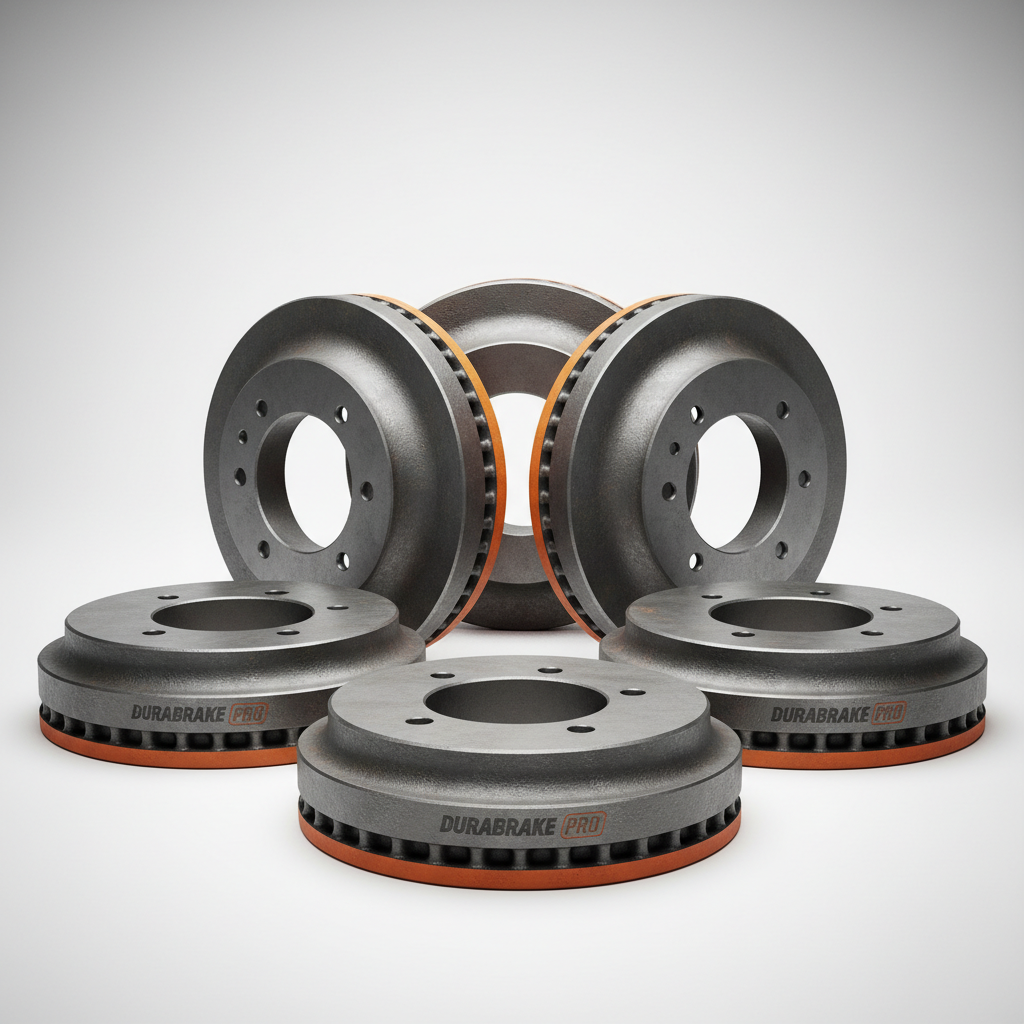
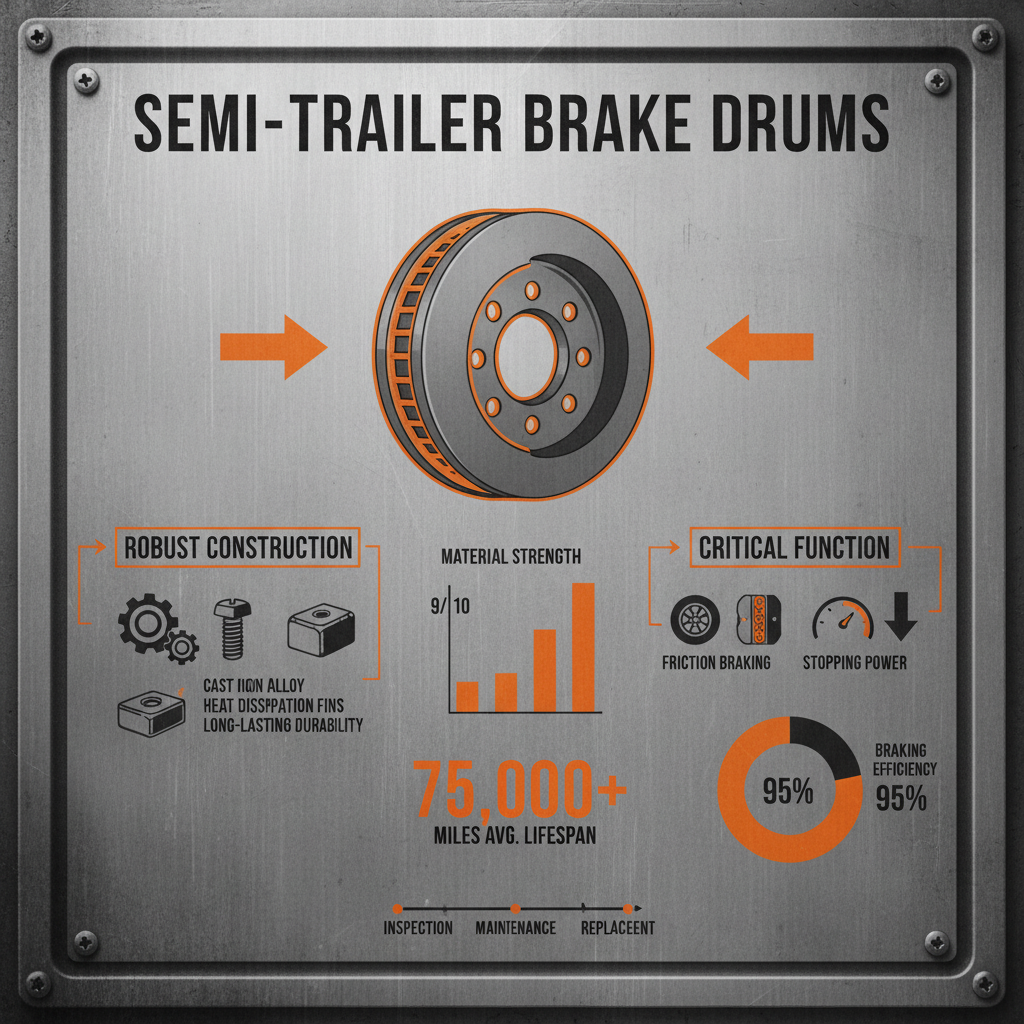
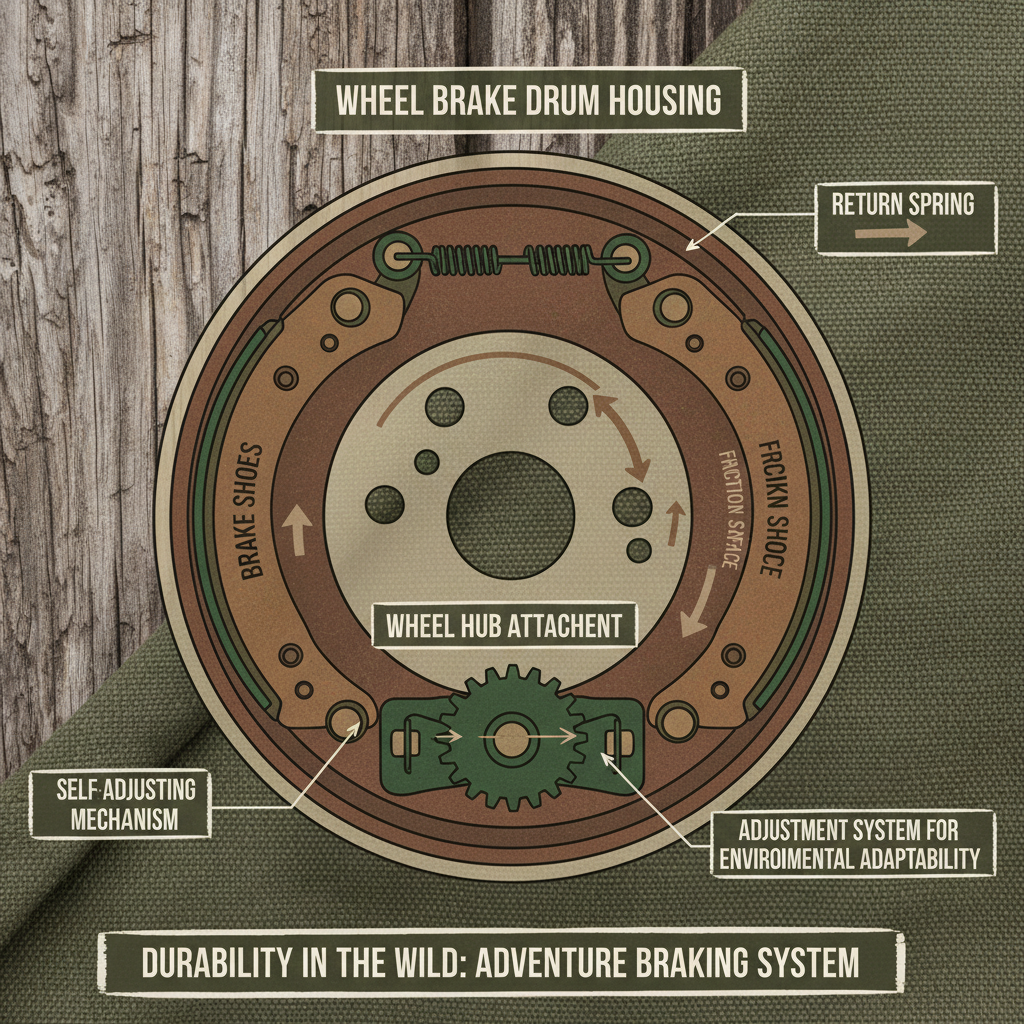
Brake drums are cylindrical components integral to the drum braking system, widely utilized in various vehicles and industrial machinery. Their primary function is to provide a surface against which brake shoes press to create friction, slowing or stopping the rotation of a wheel or shaft. This makes them a critical safety element.
These components have a rich history, evolving from simple designs to sophisticated cast iron or composite structures. While disc brakes have gained prominence in passenger vehicles, brake drums remain essential in heavier-duty applications where their robustness and cost-effectiveness are highly valued.
The lifespan of a brake drum varies greatly depending on driving conditions, vehicle type, and maintenance practices. Generally, brake drums can last anywhere from 50,000 to 100,000 miles. However, heavy-duty use, frequent braking, or exposure to harsh environments can significantly reduce their lifespan. Regular inspection for cracks, warping, and excessive wear is crucial for determining when replacement is necessary.
Several signs indicate that your brake drums may need replacement. These include pulsating brakes, squealing or grinding noises when braking, visual cracks or scoring on the drum surface, and a noticeable reduction in braking performance. If you observe any of these symptoms, it's best to have a qualified mechanic inspect your braking system.
Disc brakes generally offer superior stopping power and heat dissipation compared to drum brakes, particularly in high-performance applications. However, brake drums are often more cost-effective and require less frequent maintenance. For heavy-duty vehicles and applications where cost and reliability are paramount, brake drums remain a viable and effective option.
Yes, brake drums can often be resurfaced, or “turned,” to remove minor imperfections and restore a smooth braking surface. However, there’s a limit to how much material can be removed during resurfacing, as this reduces the drum’s thickness. If the drum is too thin, it must be replaced to ensure safety and proper function.
Traditionally, brake drums have been made from cast iron due to its cost-effectiveness, durability, and ability to absorb heat. However, newer brake drums are increasingly being manufactured from composite materials such as steel alloys and even ceramic compounds to reduce weight and improve heat dissipation.
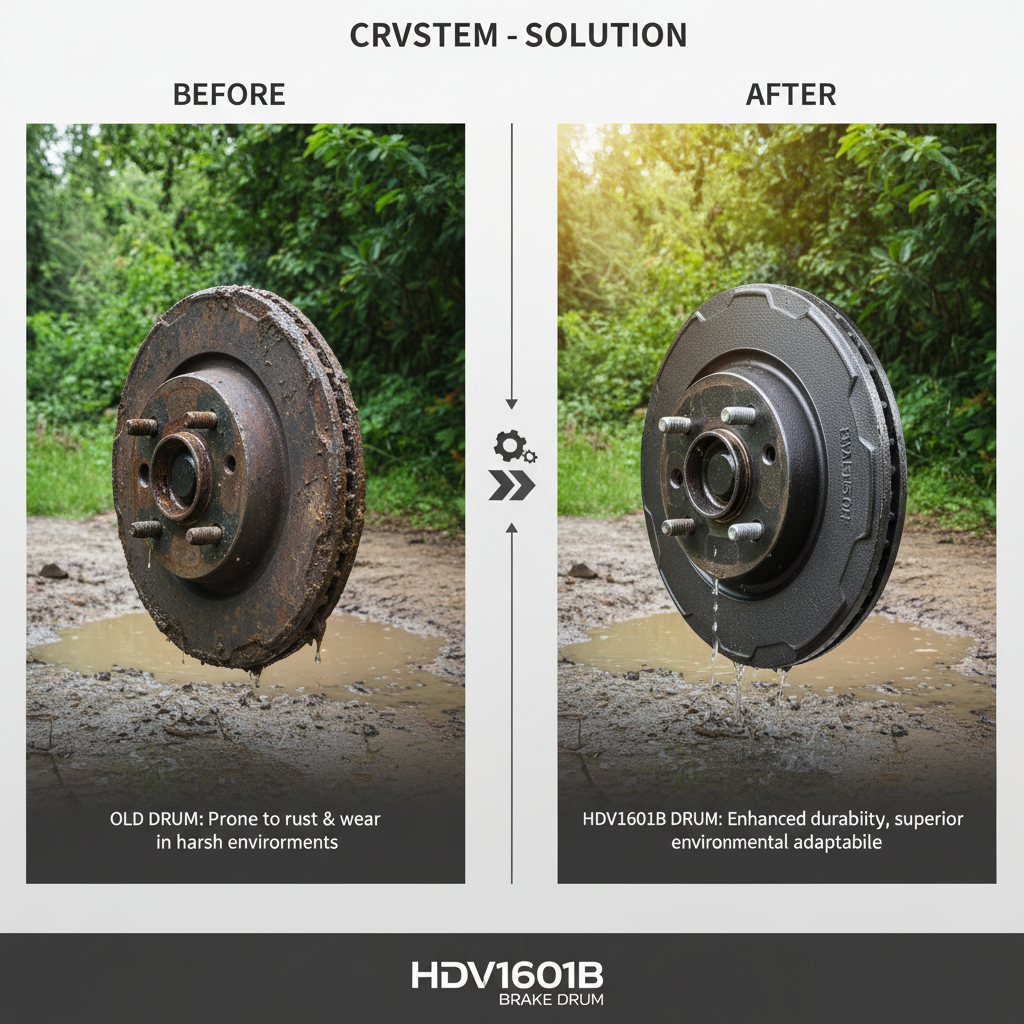
Weather conditions, particularly moisture and extreme temperatures, can affect brake drum performance. Water can cause corrosion and reduce friction, while extreme heat can lead to brake fade. Proper maintenance, including regular inspections and cleaning, is essential to mitigate these effects.
In conclusion, brake drums represent a cornerstone of braking systems, offering a robust and cost-effective solution for a wide range of applications. While newer technologies like disc brakes are gaining prominence, the continued relevance of brake drums in heavy-duty vehicles, railways, and certain industrial settings is undeniable. Understanding their characteristics, applications, and future innovations is crucial for anyone involved in the transportation and manufacturing industries.
Looking ahead, advancements in materials, sensor integration, and manufacturing processes will further enhance the performance and longevity of brake drums. Continued research and development, combined with diligent maintenance practices, will ensure these essential components remain a vital part of safe and efficient transportation systems worldwide. For high-quality brake drums and expert solutions, visit our website: brake drums.


 Afrikaans
 Albanian
 Amharic
 Arabic
 Armenian
 Azerbaijani
 Basque
 Belarusian
 Bengali
 Bosnian
 Bulgarian
 Catalan
 Cebuano
 Corsican
 Croatian
 Czech
Czech
 Danish
 Dutch
Dutch
 Esperanto
 Estonian
 Finnish
 French
 Frisian
 Galician
 Georgian
 German
 Greek
Greek
 Gujarati
 Haitian Creole
 Hausa
Hausa
 Hawaiian
 Hebrew
 Hindi
Hindi
 Miao
Miao
 Hungarian
 Icelandic
 Igbo
Igbo
 Indonesian
 Irish
Irish
 Italian
 Japanese
 Javanese
 Kannada
 Kazakh
 Khmer
Khmer
 Rwandese
 Korean
 Kurdish
 Kyrgyz
 Lao
Lao
 Latin
Latin
 Latvian
 Lithuanian
 Luxembourgish
 Macedonian
 Malgashi
 Malay
Malay
 Malayalam
 Maltese
 Maori
Maori
 Marathi
 Mongolian
 Myanmar
 Nepali
 Norwegian
 Norwegian
 Occitan
 Pashto
 Persian
 Polish
 Portuguese
 Punjabi
 Romanian
 Russian
 Samoan
 Scottish Gaelic
 Serbian
 Sesotho
 Shona
Shona
 Sindhi
 Sinhala
 Slovak
 Slovenian
 Somali
 Spanish
 Sundanese
 Swahili
 Swedish
 Tagalog
 Tajik
Tajik
 Tamil
Tamil
 Tatar
Tatar
 Telugu
 Thai
Thai
 Turkish
 Turkmen
 Ukrainian
 Urdu
Urdu
 Uighur
 Uzbek
Uzbek
 Vietnamese
 Welsh
Welsh
 Bantu
Bantu
 Yiddish
 Yoruba
 Zulu
Zulu
 English