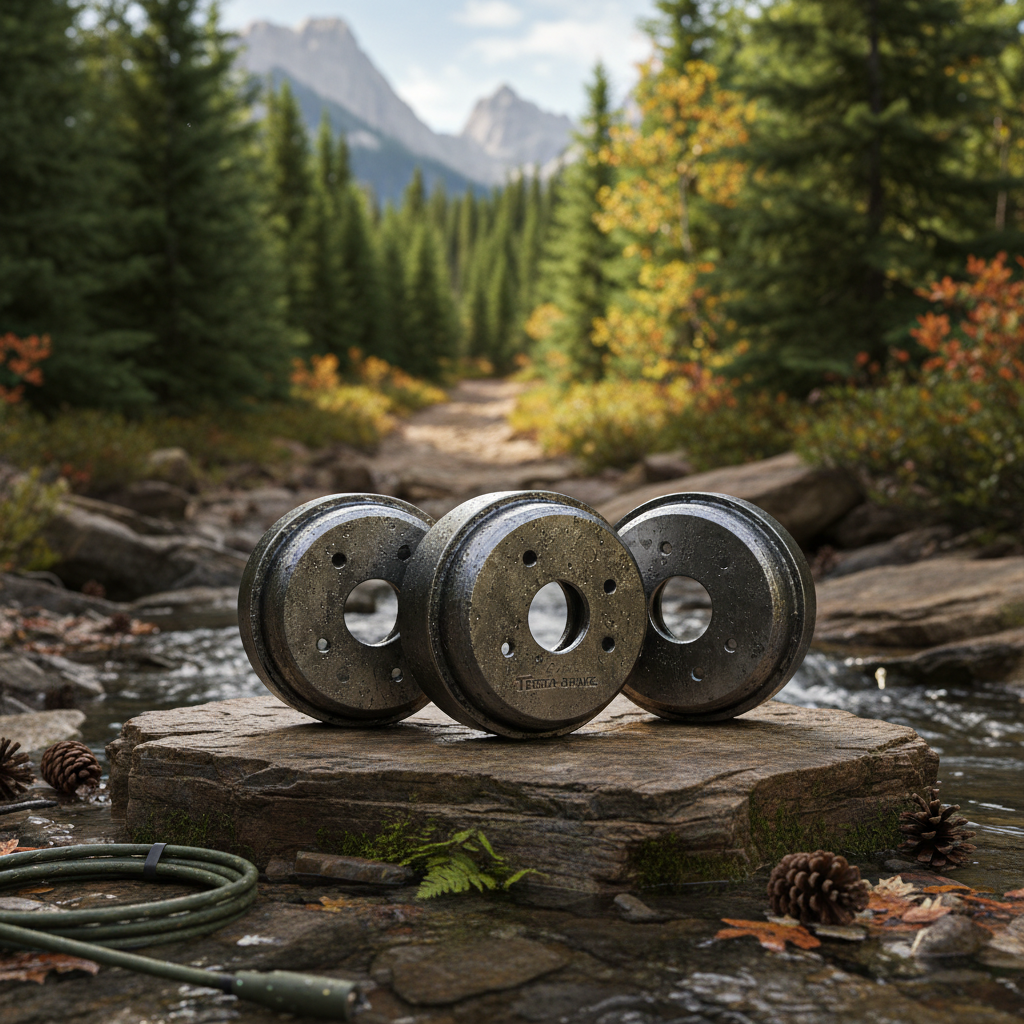
The hdv1601b brake drum is a crucial component in heavy-duty vehicle braking systems, particularly those found in commercial trucks, buses, and industrial machinery. Its robust design and reliable performance are essential for ensuring safety and operational efficiency in demanding applications. Understanding the nuances of this brake drum—its materials, manufacturing processes, and performance characteristics—is paramount for vehicle maintenance professionals, engineers, and fleet managers alike.
Globally, the demand for effective braking systems is directly tied to the growth of the transportation and logistics industries. With an increasing volume of goods being moved across continents, and a growing population reliant on public transportation, the need for durable and dependable brake components like the hdv1601b brake drum is continually rising. According to industry reports, the commercial vehicle brake system market is projected to reach significant growth in the coming years.
The hdv1601b brake drum facilitates controlled deceleration and stopping power for heavy-duty vehicles. Its primary function is to provide a friction surface for brake shoes or pads to engage, converting kinetic energy into thermal energy. The design must withstand immense heat, stress, and wear, making it a critical safety element and a key factor in maintaining compliance with international safety standards.
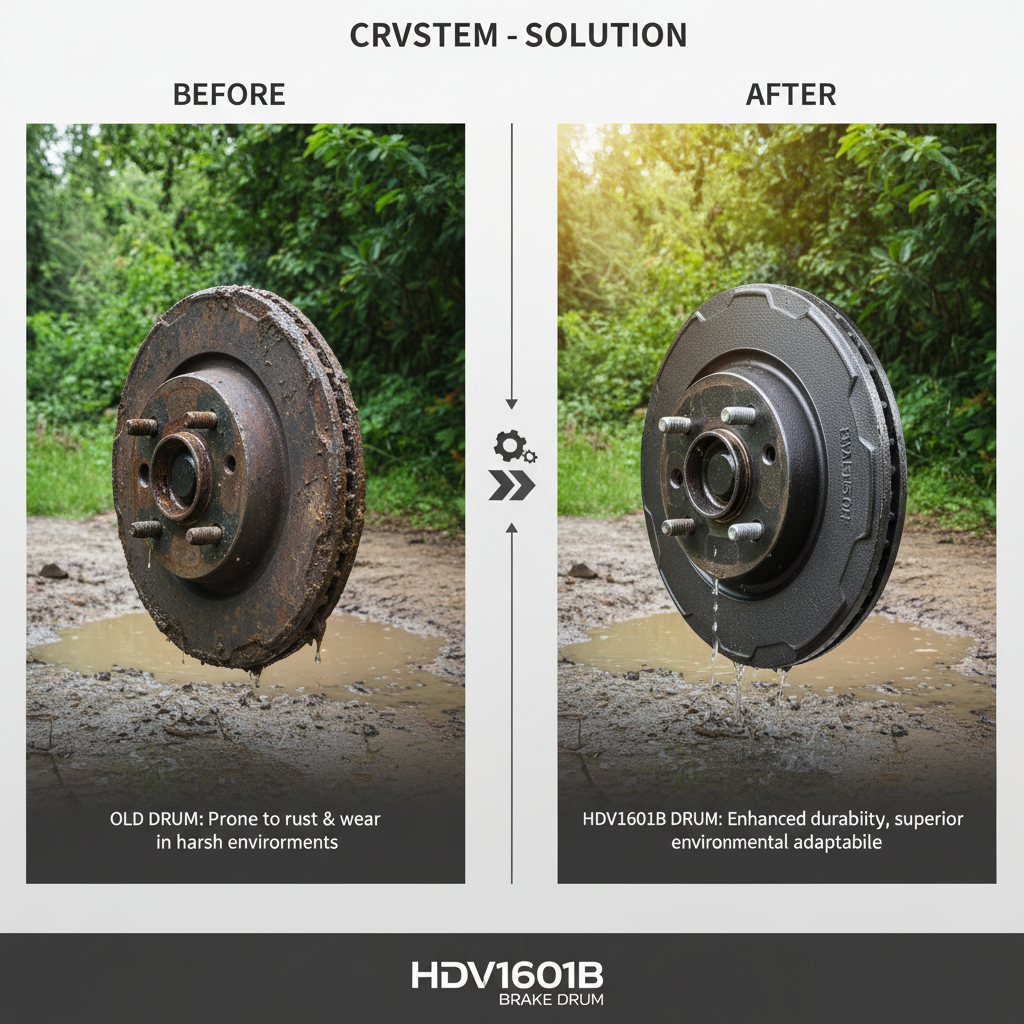
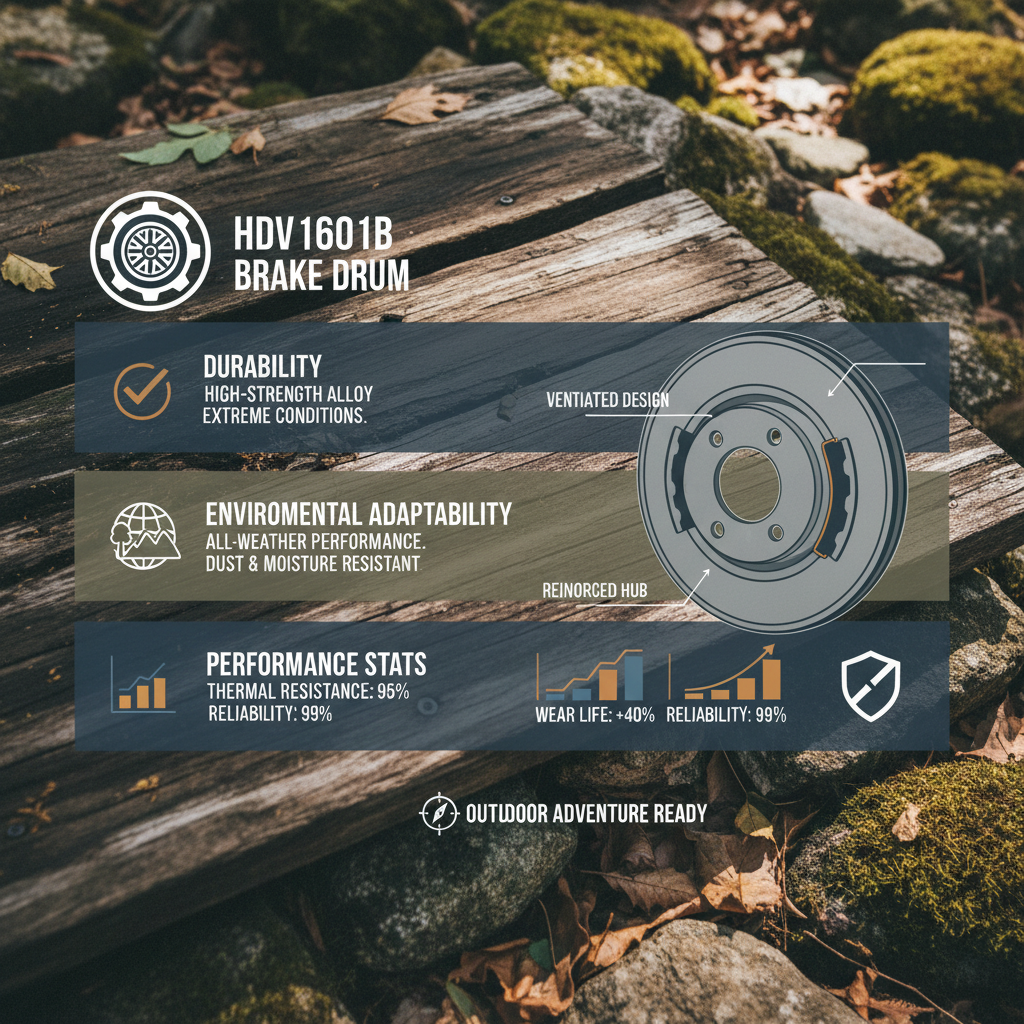
The hdv1601b brake drum isn’t just a component; it’s a critical safety element in a complex system. Its ability to consistently and reliably deliver stopping power directly impacts driver safety, reduces the risk of accidents, and minimizes potential liability for fleet operators. Proper maintenance and timely replacement of worn drums are therefore paramount.
The economic impact of brake drum failure can be substantial, ranging from costly repairs and downtime to potential legal repercussions. Investing in high-quality hdv1601b brake drums and establishing a rigorous maintenance schedule is a proactive approach to ensuring operational efficiency and minimizing long-term costs.
The lifespan of an hdv1601b brake drum varies considerably depending on operating conditions, driving habits, and maintenance practices. Generally, a well-maintained drum can last between 50,000 and 150,000 miles. However, factors like frequent heavy braking, harsh environments, and improper adjustments can significantly reduce this lifespan. Regular inspections for cracks, wear, and heat damage are crucial for determining when replacement is necessary.
hdv1601b brake drums should be inspected at least annually, and more frequently for vehicles operating in severe conditions. Inspections should include checking for cracks, scoring, excessive wear, and proper adjustment. Monitoring brake shoe wear is also important, as uneven wear can indicate a problem with the drum. Any signs of damage or excessive wear warrant immediate attention from a qualified mechanic.
Yes, hdv1601b brake drums can often be resurfaced (turned) to remove minor imperfections and restore a smooth braking surface. However, there is a limit to how much material can be removed before the drum becomes too thin and unsafe. Resurfacing should only be performed by a qualified mechanic using appropriate equipment, and the drum’s thickness must be checked afterward to ensure it meets minimum specifications.
Common signs of a failing hdv1601b brake drum include pulsating brake pedal, squealing or grinding noises during braking, reduced braking effectiveness, and visual signs of damage such as cracks or deep scoring. Excessive brake dust can also be an indicator. If you experience any of these symptoms, it’s crucial to have your braking system inspected immediately.
Traditionally, hdv1601b brake drums are made of cast iron, known for its heat capacity and cost-effectiveness. Composite brake drums, made from materials like steel and cast iron, offer reduced weight and improved heat dissipation. While composite drums are generally more expensive, they can lead to fuel savings and enhanced braking performance. The choice depends on application requirements and budget considerations.
In cold weather, it’s important to regularly inspect hdv1601b brake drums for corrosion caused by road salt. Ensure brake shoes are properly adjusted to compensate for thermal contraction. Avoid sudden, aggressive braking on icy or snowy surfaces, as this can accelerate wear and increase the risk of damage. Consider using brake drums with corrosion-resistant coatings in regions with harsh winters.
In conclusion, the hdv1601b brake drum remains a vital component in ensuring the safety and reliability of heavy-duty vehicles worldwide. Its robust design, proven performance, and cost-effectiveness continue to make it a preferred choice for numerous applications. Understanding its core principles, proper maintenance procedures, and emerging technologies is critical for maximizing its lifespan and optimizing braking performance.
Looking ahead, innovations in materials science and sensor technology promise to further enhance the capabilities of hdv1601b brake drums, leading to improved safety, reduced maintenance costs, and a more sustainable transportation sector. We invite you to explore our range of hdv1601b brake drum products and solutions at www.jkxyihang.com.

 Afrikaans
 Albanian
 Amharic
 Arabic
 Armenian
 Azerbaijani
 Basque
 Belarusian
 Bengali
 Bosnian
 Bulgarian
 Catalan
 Cebuano
 Corsican
 Croatian
 Czech
Czech
 Danish
 Dutch
Dutch
 Esperanto
 Estonian
 Finnish
 French
 Frisian
 Galician
 Georgian
 German
 Greek
Greek
 Gujarati
 Haitian Creole
 Hausa
Hausa
 Hawaiian
 Hebrew
 Hindi
Hindi
 Miao
Miao
 Hungarian
 Icelandic
 Igbo
Igbo
 Indonesian
 Irish
Irish
 Italian
 Japanese
 Javanese
 Kannada
 Kazakh
 Khmer
Khmer
 Rwandese
 Korean
 Kurdish
 Kyrgyz
 Lao
Lao
 Latin
Latin
 Latvian
 Lithuanian
 Luxembourgish
 Macedonian
 Malgashi
 Malay
Malay
 Malayalam
 Maltese
 Maori
Maori
 Marathi
 Mongolian
 Myanmar
 Nepali
 Norwegian
 Norwegian
 Occitan
 Pashto
 Persian
 Polish
 Portuguese
 Punjabi
 Romanian
 Russian
 Samoan
 Scottish Gaelic
 Serbian
 Sesotho
 Shona
Shona
 Sindhi
 Sinhala
 Slovak
 Slovenian
 Somali
 Spanish
 Sundanese
 Swahili
 Swedish
 Tagalog
 Tajik
Tajik
 Tamil
Tamil
 Tatar
Tatar
 Telugu
 Thai
Thai
 Turkish
 Turkmen
 Ukrainian
 Urdu
Urdu
 Uighur
 Uzbek
Uzbek
 Vietnamese
 Welsh
Welsh
 Bantu
Bantu
 Yiddish
 Yoruba
 Zulu
Zulu
 English